

Are you noticing a strong, unpleasant smell in your home and wondering where it’s coming from? If you have a male cat, you might be dealing with spraying.
But when does this behavior usually start? Understanding what age male cats begin spraying can help you take control before it becomes a problem. You’ll discover the key signs and reasons behind spraying, so you can keep your home fresh and your cat happy.
Keep reading to learn exactly what to expect and how to handle this tricky issue.

Credit: www.purina.com
When Spraying Begins
Understanding when male cats start spraying can help pet owners prepare. Spraying is a normal behavior in cats. It’s their way of marking territory. Knowing the signs and age can ease concerns.
Typical Age Range
Male cats usually start spraying around 6 to 7 months old. This is when they reach sexual maturity. Some may start earlier, around 4 months. The exact age can vary among individual cats.
Factors Influencing Onset
Several factors can influence when a male cat starts spraying. Genetics play a significant role. Some breeds mature faster than others. Environmental changes can also trigger spraying. Stress or new surroundings might increase this behavior.
Neutering can delay or prevent spraying. Most vets recommend neutering before 6 months. Early intervention can reduce the chances of spraying. Regular vet check-ups can help manage and understand your cat’s behavior.

Credit: us.feliway.com
Reasons Male Cats Spray
Male cats spray for several reasons. Spraying is a natural behavior linked to communication. It helps cats mark their space and express feelings. Understanding why male cats spray can help owners manage this behavior better.
Territorial Behavior
Male cats spray to mark their territory. This lets other cats know the area is claimed. Spraying leaves a strong scent that signals ownership. It is common in unneutered male cats. They want to protect their space from rivals.
Stress And Anxiety
Stress can cause male cats to spray more often. Changes in the environment or new pets may trigger anxiety. Spraying acts as a comfort mechanism. It helps cats feel safer by marking familiar spots. Stress-related spraying may happen suddenly.
Medical Causes
Sometimes spraying is linked to health problems. Urinary tract infections or bladder issues can cause frequent urination. Pain or discomfort might make a cat spray outside the litter box. A vet check is important to rule out medical causes.
Recognizing Spraying Signs
Recognizing when your male cat starts spraying is crucial for managing this behavior early. Spraying is not just about marking territory; it’s a sign your cat is trying to communicate something important. Paying attention to both behavioral cues and physical evidence can help you identify spraying quickly and respond effectively.
Behavioral Indicators
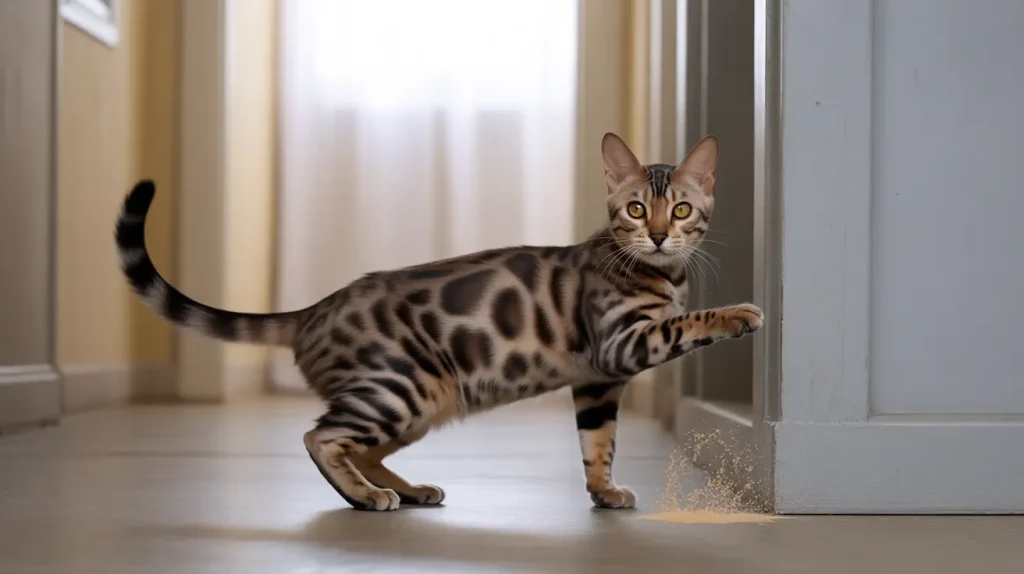
Your cat may suddenly start rubbing his face on furniture, walls, or even you. This is a way to spread his scent, preparing to spray. You might notice him backing up to vertical surfaces and twitching his tail just before he sprays.
Another sign is increased restlessness or agitation. Your cat might pace around or seem more territorial, especially if there are new pets or changes in the environment.
Have you ever caught your cat in the act of lifting his tail while near a door or corner? That’s a classic spraying posture. Recognizing these behaviors early gives you a chance to intervene before the problem worsens.
Physical Evidence
Spraying leaves behind small, distinct spots of urine on vertical surfaces like walls, doors, or furniture legs. These spots often have a strong, musky odor that’s hard to miss. Unlike regular urination, which is usually on horizontal surfaces, spraying targets upright objects.
You may also find faint stains or discoloration that don’t look like normal accidents. These can be tricky to spot but often have a sharper smell. Using a blacklight can help reveal hidden spray marks you might not see with the naked eye.
It’s important to check areas your cat frequents—near windows, doorways, or scratching posts. Noticing this physical evidence early can save you from bigger cleaning headaches and help you address the root cause of spraying behavior.
Credit: pethelpful.com
Preventing Spraying
Spraying can be frustrating for cat owners. It marks territory and can cause strong odors inside the house. Preventing this behavior early helps keep your home clean and your cat happy. There are key steps to stop spraying before it starts.
Neutering Benefits
Neutering male cats greatly reduces spraying. It lowers hormone levels that cause marking. Cats neutered before puberty usually do not spray. Neutering also helps calm aggressive and roaming behaviors. It supports a healthier and more relaxed cat.
Environmental Adjustments
Creating a comfortable space helps prevent spraying. Keep litter boxes clean and in quiet areas. Provide enough boxes if you have multiple cats. Use pheromone diffusers to reduce stress and anxiety. Make sure your cat has safe places to hide and rest.
Solutions For Spraying Issues
Dealing with a male cat’s spraying can be challenging. Spraying marks territory and causes odors in the home. Finding the right solution helps keep your space clean and your cat happy. Several approaches can reduce or stop this behavior effectively.
Training Techniques
Training your cat can change spraying habits. Use positive reinforcement to reward good behavior. Keep litter boxes clean and accessible at all times. Spray areas should be cleaned with enzyme cleaners to remove scent. Provide plenty of playtime and attention to reduce stress. Avoid punishment, as it can increase anxiety and spraying.
Deterrent Products
Deterrents help keep cats away from sprayed spots. Use sprays that have scents cats dislike, such as citrus or eucalyptus. Place double-sided tape or aluminum foil on problem areas. These textures discourage cats from approaching. Consider pheromone diffusers that calm cats and reduce marking urges. Each product works best combined with training and cleaning.
When To See A Vet
Persistent spraying may signal health issues. Urinary tract infections or other problems can cause this behavior. A vet checkup rules out medical causes. The vet can suggest treatments or behavior plans. Early intervention helps prevent long-term spraying habits. Don’t wait if spraying suddenly increases or changes.
Frequently Asked Questions
At What Age Do Male Cats Start Spraying?
Male cats usually start spraying between 6 and 12 months old. This behavior often begins as they reach sexual maturity. Spraying marks territory and is more common in unneutered males. Early neutering can reduce or prevent spraying in most cases.
Why Do Male Cats Spray Indoors?
Male cats spray indoors to mark territory and communicate with other cats. It’s a natural behavior linked to mating instincts and stress. Unneutered males spray more often, but stress, new environments, or other pets can also trigger indoor spraying.
Can Neutering Stop A Male Cat From Spraying?
Yes, neutering significantly reduces spraying behavior in male cats. It lowers hormone levels that trigger territorial marking. Neutering before 6 months old is most effective. However, some cats may continue spraying due to stress or medical issues.
How To Prevent Male Cats From Spraying?
Prevent spraying by neutering your cat early and providing a stress-free environment. Clean marked areas thoroughly and use deterrents. Ensure your cat has enough resources like litter boxes and playtime. Behavioral training may also help reduce spraying.
Conclusion
Male cats often start spraying around six to twelve months old. This behavior marks their maturity and desire to mark territory. Neutering early can reduce or stop spraying. Providing enough play and attention also helps. Watch your cat’s behavior closely to act quickly.
Understanding this phase makes living with your cat easier. Keep your home fresh and your cat happy. Simple care and patience go a long way. Spraying doesn’t have to be a permanent problem.
