

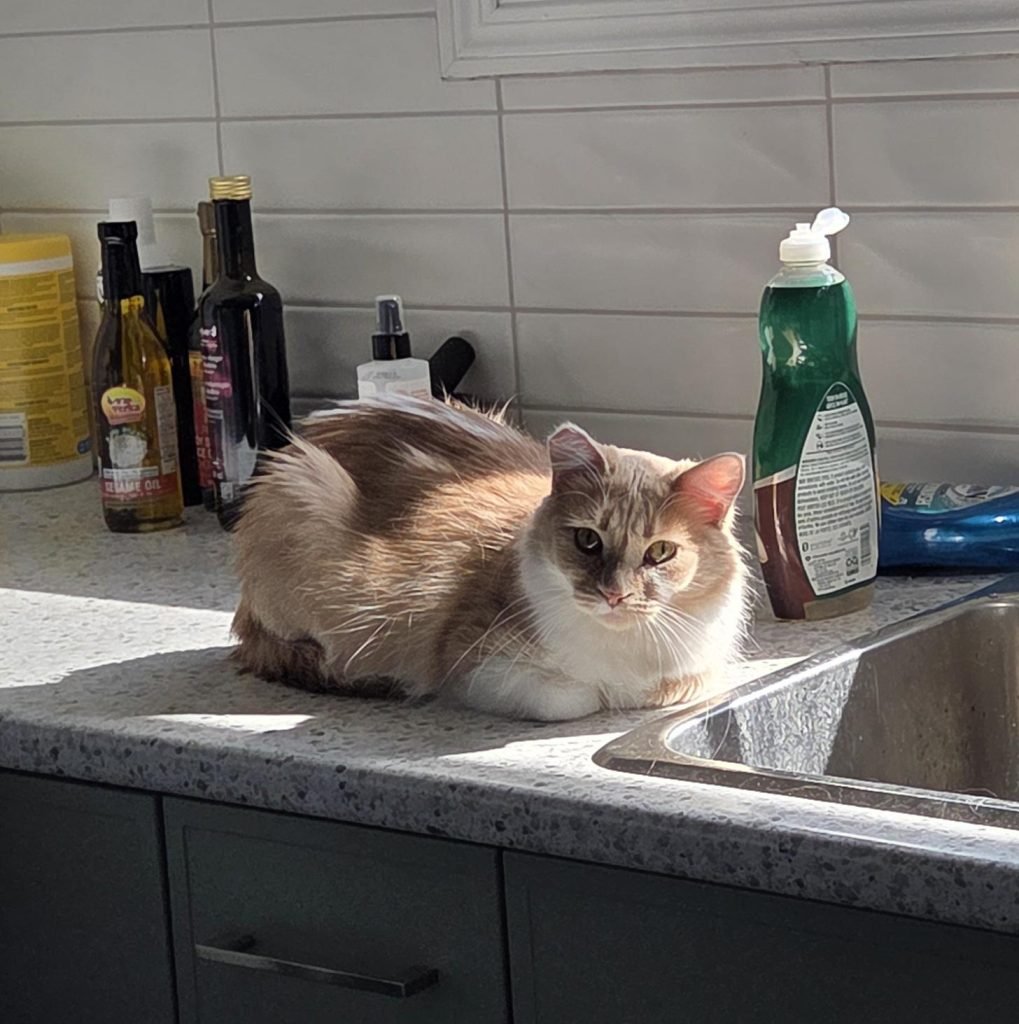
Are you tired of finding your cat lounging on your kitchen counters or knocking over your favorite items? Keeping cats off counters can feel like a constant battle, but it doesn’t have to be that way.
Imagine a home where your furry friend stays off surfaces, and you don’t have to worry about messes or broken things. You’ll discover simple and effective ways to train your cat and protect your counters without stress. Keep reading to learn how you can create a peaceful space for both you and your cat.

Credit: food52.com
Why Cats Jump On Counters
Cats jump on counters because they seek food, attention, or a high place to watch. Keeping them off requires blocking access and providing fun, safe alternatives. Using gentle deterrents and rewarding good behavior helps teach cats to stay down.
Cats often jump on counters, sparking curiosity and sometimes frustration. This behavior is deeply rooted in their natural instincts and daily needs. Understanding why they do it can help you manage their actions more effectively.Natural Curiosity And Instincts
Cats are naturally curious creatures. They explore their surroundings to understand their environment better. This curiosity drives them to jump on counters where new sights and smells await. Their instincts push them to investigate every corner, high or low.Seeking Food And Attention
Cats might jump on counters searching for food. Counters often hold delicious smells or leftovers. Cats can also seek attention. A cat on a counter might be signaling for interaction. They know it grabs your attention quickly.Exploring Elevated Spaces
Cats love high places. Elevated spaces offer them a better view of their territory. It helps them feel secure and in control. By jumping on counters, cats satisfy their need to explore and survey their domain.Safe Deterrents For Counters
Keeping cats off counters can be a challenge for many pet owners. Using safe deterrents helps protect your counters without harming your cat. These options create an unpleasant surface or smell that cats avoid naturally. They are easy to use and gentle on your furry friend.
Using Double-sided Tape
Cats dislike sticky surfaces on their paws. Placing double-sided tape on counters makes them uncomfortable to walk on. The tape does not hurt but feels strange to cats. This simple trick keeps cats away from areas you want to protect. Replace the tape regularly to keep it effective.
Aluminum Foil Barriers
Aluminum foil makes a noisy and crinkly surface. Cats find this texture and sound unpleasant. Laying foil on counters acts as a natural barrier. It is safe and easy to remove when needed. The foil also discourages cats from jumping up again.
Commercial Cat Repellents
Many pet stores sell sprays and mats designed to repel cats. These products use smells or textures cats dislike. Choose sprays with natural ingredients safe for pets. Repellent mats can be placed on counters to prevent jumping. Follow the instructions to ensure safe use around pets.
Training Techniques That Work
Training cats to stay off counters takes patience and clear techniques. Cats learn best through positive actions and clear signals. Consistency in training helps your cat understand what is allowed. Redirecting their attention to better places makes the process smoother. These training techniques create a calm and respectful home for both you and your cat.
Positive Reinforcement Strategies
Reward your cat when they stay off the counter. Use treats, pets, or kind words to show approval. Praise makes your cat want to repeat good behavior. Avoid punishment; it can cause fear or stress. Positive reinforcement builds trust and encourages learning.
Consistent Commands And Timing
Use the same command each time your cat jumps on the counter. Simple words like “no” or “down” work well. Say the command firmly but kindly. Timing matters—give the command immediately as the cat steps on the counter. Consistency helps your cat connect the command to the action.
Redirecting To Approved Areas
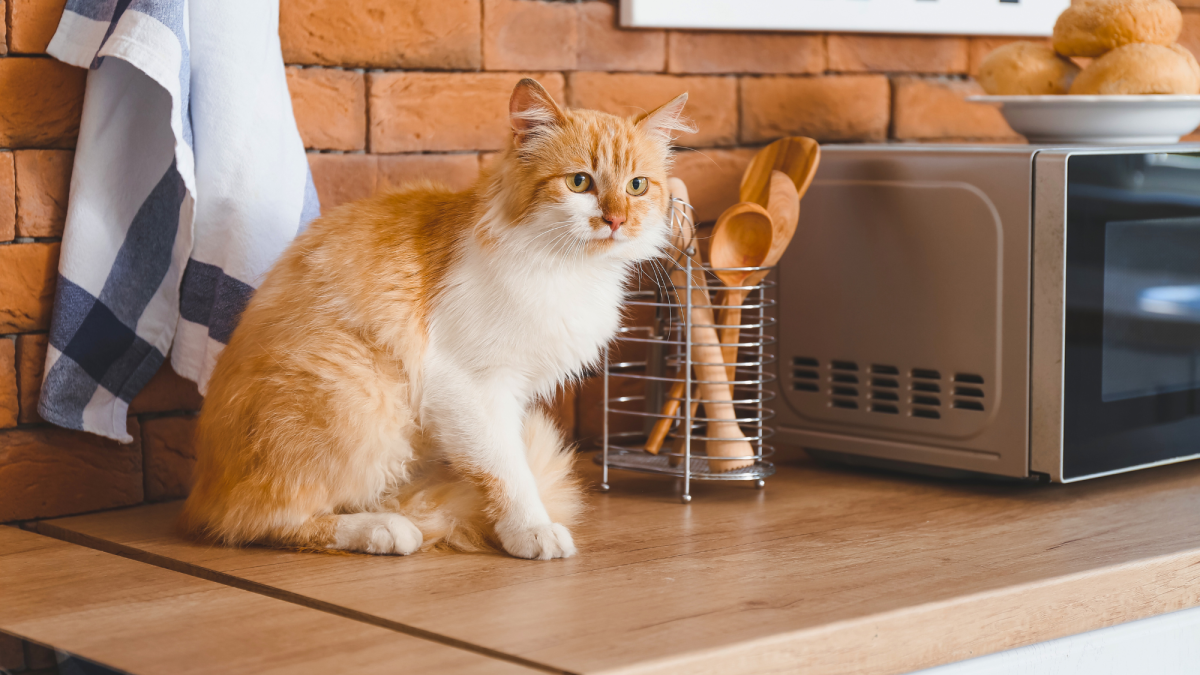
Offer your cat a better place to climb or rest. Cat trees or shelves near windows work well. Place treats or toys in these areas to attract them. Gently move your cat from the counter to the approved spot. Redirection helps your cat find safe and fun alternatives.
Credit: pethelpful.com
Environmental Adjustments
Adjusting your home environment plays a key role in keeping cats off counters. Cats are naturally curious and love exploring high places, but you can guide their behavior by making your counters less appealing. Small changes around your kitchen can make a big difference in teaching your cat where they should and shouldn’t be.
Removing Food Temptations
Food left on counters is an open invitation for your cat to jump up. Even crumbs or the smell of something tasty can attract them instantly. Make it a habit to store food in sealed containers and clean up immediately after cooking or eating.
Have you noticed how your cat’s interest disappears when there’s nothing to snack on? That’s because removing the temptation removes the reason for them to jump up. Consider putting away fruits, snacks, and even dirty dishes as soon as possible.
Providing Alternative Perches
Instead of just blocking your cat, give them a better option to satisfy their love for height. Cats enjoy climbing and observing from a safe vantage point. Adding cat trees, shelves, or window perches offers your cat a dedicated spot to explore and relax.
When I added a cozy cat shelf near a sunny window, my cat stopped jumping on the counter entirely. It gave her a place to survey the room without interfering with my kitchen space. Can you create a fun climbing path that keeps your cat happy and off your counters?
Maintaining A Clean Countertop
A clean, clutter-free countertop sends a clear message to your cat that it’s not an inviting place. Cats dislike slippery or uneven surfaces, so keeping counters dry and free from items makes them less attractive. Wipe down surfaces regularly to remove any scents that might encourage your cat to jump up.
Try experimenting by leaving a small area of your counter spotless and see if your cat loses interest over time. Sometimes, a simple routine of cleanliness can reduce unwanted counter visits without harsh deterrents.
Tools And Products To Help
Keeping cats off counters can feel like a never-ending battle. Luckily, there are several tools and products designed specifically to help you manage this behavior. These solutions work by either deterring your cat with gentle reminders or redirecting their attention to more appropriate spots.
Motion-activated Deterrents
Motion-activated deterrents are a clever way to discourage your cat from jumping on counters. These devices sense movement and respond with a harmless burst of air or a gentle sound that surprises your cat without causing fear.
I once tried a motion-activated air sprayer, and it worked wonders within days. My cat quickly associated the counter space with an unpleasant surprise and started avoiding it. Would your cat respond better to a sound or a puff of air? It’s worth testing both to see which works best.
Scent-based Repellents
Cats have a sensitive sense of smell, so certain scents can keep them away. Products with natural ingredients like citrus, lavender, or eucalyptus can be sprayed on counters to create an unappealing smell for your cat.
Using scent-based repellents requires regular application, especially after cleaning the counters. If you prefer a natural approach, try placing lemon peels or cotton balls soaked in essential oils nearby. Have you noticed your cat’s reaction to different smells around your home?
Cat Furniture And Climbing Trees
Providing your cat with attractive alternatives is key. Cat trees and furniture offer climbing, scratching, and lounging options that satisfy their natural instincts.
I found that adding a tall cat tree near the kitchen window distracted my cat from the counters completely. When cats have their own vertical territory, they’re less tempted to explore forbidden areas. What kind of climbing structures does your cat enjoy?
Handling Persistent Counter Climbers
Handling persistent counter climbers takes patience and smart strategies. Cats often jump on counters out of curiosity, boredom, or habit. Stopping this behavior requires understanding why your cat does it and offering better alternatives. Consistency is key to changing their routine.
Identifying Triggers
Watch your cat’s behavior closely. Note what makes them jump on counters. Common triggers include:
- Food smells or visible food
- Curiosity about objects on the counter
- Seeking high places for safety or observation
- Boredom or lack of stimulation
Knowing these triggers helps create a plan that suits your cat’s needs.
Increasing Playtime And Engagement
Provide more play sessions daily. Use toys that mimic prey, like feather wands or laser pointers. Playtime tires your cat and reduces boredom.
Offer climbing alternatives like cat trees or shelves. These give your cat a safe, fun place to explore. Rotate toys often to keep interest high. Engaged cats less often seek counters for entertainment.
Consulting A Veterinarian Or Behaviorist
If your cat keeps jumping on counters despite your efforts, ask a professional for advice. A vet can check for health issues causing anxiety or restlessness. A behaviorist offers tailored training tips.
Professional help can uncover hidden causes. It also guides you with safe and effective solutions. Your cat’s well-being improves with expert support.

Credit: www.reddit.com
Frequently Asked Questions
How Can I Stop My Cat From Jumping On Counters?
Use deterrents like double-sided tape or aluminum foil on counters. Provide alternative high spots like cat trees. Consistent training and positive reinforcement help teach boundaries effectively.
Why Do Cats Jump On Kitchen Counters?
Cats seek high vantage points for safety and curiosity. Counters offer warmth, food smells, and exploration opportunities. Understanding this helps in redirecting their behavior.
What Safe Repellents Keep Cats Off Counters?
Use citrus scents, commercial cat repellents, or motion-activated air sprays. These are non-toxic and deter cats without causing harm or stress.
How To Train A Cat To Avoid Kitchen Counters?
Redirect cats to designated spots using treats and praise. Consistency and patience are key. Avoid punishment, which can harm trust and slow progress.
Conclusion
Keeping cats off counters takes patience and consistency. Use gentle deterrents and offer better places to climb. Reward your cat when it stays on the floor or a cat tree. Avoid yelling or punishment, as it can confuse your pet.
Small changes in your routine make a big difference over time. Your cat will learn what is allowed and what is not. Stay calm and keep trying. A clean counter also helps to keep cats away. Soon, your kitchen will stay cat-free and peaceful.
