


Have you ever heard your cat make a strange chirping sound and wondered what it means? That unique noise isn’t just random—it’s your cat’s way of communicating with you and the world around them.
Understanding why cats chirp can help you connect with your furry friend on a deeper level. You’ll discover the surprising reasons behind this curious behavior and learn what your cat is really trying to tell you. Keep reading to unlock the secret language of your cat’s chirps!
Cat Chirping Explained
Cats chirp to express excitement or to get attention. This sound often happens when they spot birds or small animals outside. It’s a way cats show interest or communicate with their owners.
Cats are fascinating creatures, full of unique behaviors that often leave us puzzled and intrigued. One such behavior is their chirping sound, a delightful vocalization that can both amuse and perplex cat owners. Understanding why cats chirp can deepen your connection with your feline friend and help you respond to their needs more effectively. Let’s dive into the intriguing world of cat chirping and see what it can tell us about our beloved pets.What Is Chirping In Cats
Cat chirping is a high-pitched, bird-like sound that cats make, usually when they’re watching birds or other prey through a window. This sound is different from their typical meowing and has a distinct rhythm and tone. It’s believed that chirping is an expression of excitement or frustration, especially when they see something they can’t reach. Have you ever seen your cat perched on a windowsill, fixated on a bird outside, and suddenly start chirping? It’s a captivating sight, often accompanied by rapid tail movements. This behavior might seem odd at first, but it’s a part of their natural hunting instinct. Even if they’re well-fed, the sight of a bird can trigger their predatory instincts, leading to a chorus of chirps.How Chirping Differs From Meowing
Chirping and meowing serve different purposes in a cat’s communication repertoire. While meowing is often directed at humans to convey needs or desires, chirping is more about the outside world and often not intended for human ears. Meowing can vary in pitch and duration, tailored to the situation, while chirping maintains a consistent, bird-like sound. Consider how your cat meows when they’re hungry or want attention. It’s a direct form of communication aimed at getting you to respond. Chirping, however, is less about interaction and more about instinct. It’s a spontaneous reaction to stimuli that excite their hunting instincts. Have you noticed the difference in your own cat’s vocalizations? Recognizing these nuances can help you understand whether your cat is asking for something or simply expressing their excitement. Next time your cat starts chirping, take a moment to watch what they’re watching. You might see the world through their curious eyes.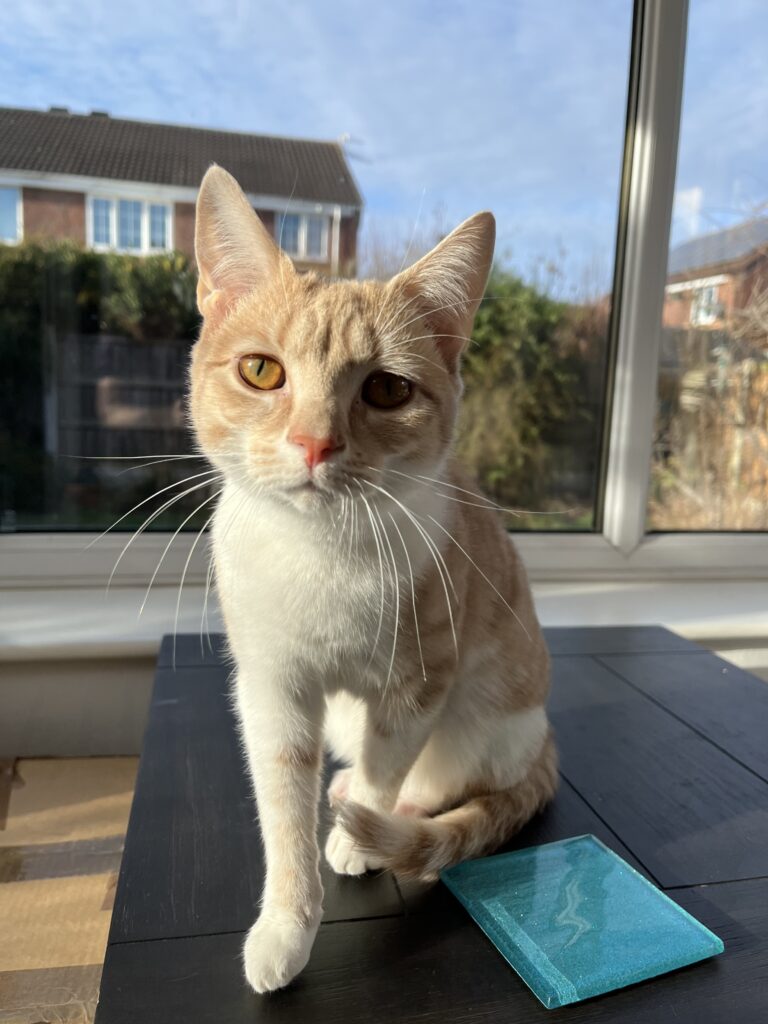
Credit: www.republicofcats.com
Reasons Cats Chirp
Cats chirp for a variety of interesting reasons that reflect their natural behaviors and emotions. This unique sound often surprises cat owners because it’s not as common as meowing or purring. Understanding why your cat chirps can help you connect better with them and respond to their needs more effectively.
Hunting Instincts And Chirping
Chirping often ties back to a cat’s hunting instincts. When cats spot birds or small animals outside, they may make a chirping sound, almost like a mix of excitement and frustration. This sound can mimic the noises of their prey, possibly to lure them closer or express their intense focus on the hunt.
Think about the last time your cat stared out the window and chirped—did you notice how alert and ready they were to pounce? That behavior taps into their wild side, reminding us that despite domestication, their hunting drive remains strong.
Communication With Owners
Cats also use chirping as a form of communication with you. It’s different from a meow, which is often a direct request or greeting. Chirping can signal curiosity or an attempt to get your attention in a playful or gentle way.
Have you noticed your cat chirping when you’re busy or when they want to share something interesting, like a bird outside? Paying attention to these moments can strengthen your bond and help you understand what your cat is trying to tell you.
Expressing Excitement Or Frustration
Chirping can express a mix of emotions, especially excitement or mild frustration. Your cat might chirp when they’re eager to play or when something catches their interest but is just out of reach. It’s a way for them to vocalize feelings that don’t quite fit into a meow or purr.
Next time your cat chirps, observe their body language and surroundings. Are they excited about a toy, or maybe frustrated by a closed door? This awareness helps you respond with the right kind of attention or playtime.
When Cats Chirp Outside
Have you ever noticed your cat making chirping sounds while watching birds or squirrels through the window or outside? This curious behavior is more than just a cute quirk. Understanding why cats chirp outside can deepen your appreciation for their natural instincts and communication styles.
Alerting To Prey Or Birds
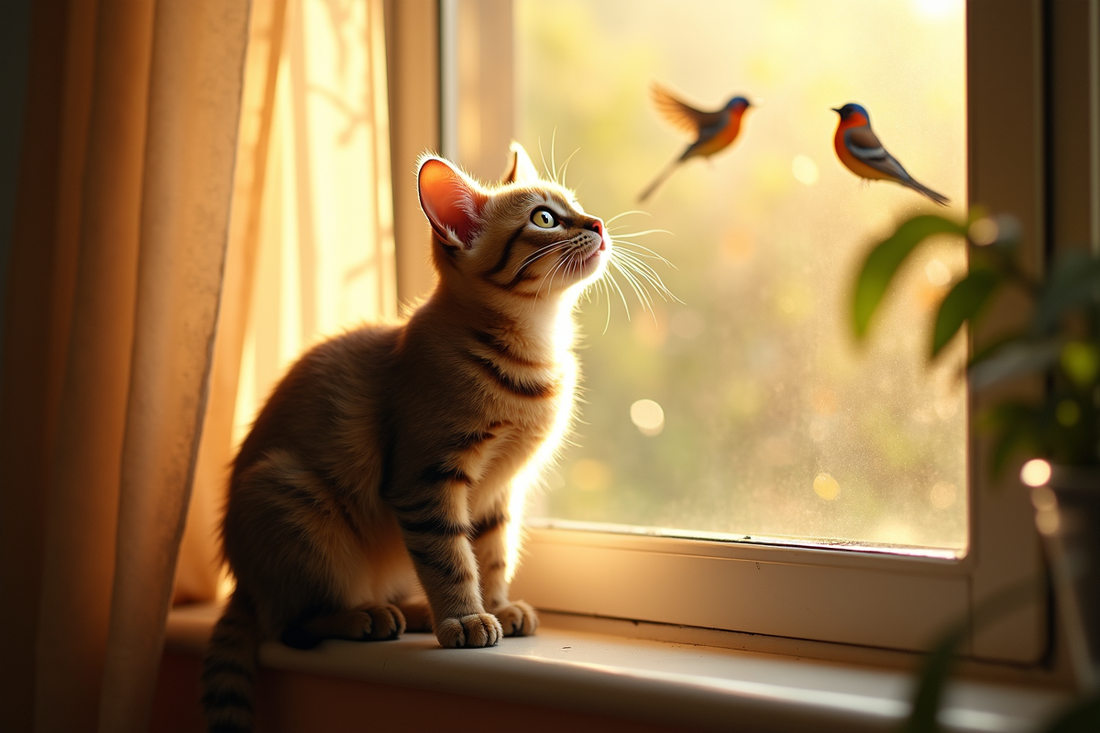
When cats chirp outside, they are often focused on prey like birds or small rodents. This chirping acts like a mix of excitement and frustration as they fix their gaze on something they can’t immediately reach.
Think about your own cat staring intently at a bird feeder. The chirp might be their way of mimicking bird calls or expressing anticipation. This behavior can sometimes be a sign that your cat’s hunting instincts are fully engaged, even if they’re safely indoors.
Responding To Environmental Stimuli
Cats chirp in response to various environmental triggers beyond just prey. Sounds like rustling leaves, distant animal calls, or sudden movements can prompt these vocalizations.
Have you observed your cat chirp when a neighbor’s dog barks or when a squirrel scurries nearby? These sounds stimulate their senses, making them alert and vocal. Your cat is actively processing the world around them, using chirps as a way to communicate their focus or excitement.
Credit: artyourcat.com
Chirping And Cat Behavior
Cats use chirping sounds to express themselves in many ways. This unique noise often reflects their mood and needs. Understanding chirping helps reveal your cat’s personality and emotions. It shows how cats communicate beyond meows and purrs.
Link Between Chirping And Playfulness
Chirping often appears when cats feel excited or curious. They may chirp while watching birds or toys. This sound signals eagerness and hunting instincts. It shows that cats are alert and ready to play. Chirping encourages interaction and fun activity.
Chirping As A Sign Of Attention Seeking
Cats also chirp to get your attention quickly. They may want food, petting, or to go outside. Chirping is softer and less demanding than loud meows. This gentle call invites you to respond with care. It helps build a closer bond between you and your cat.
How To Respond To Cat Chirping
Responding to your cat’s chirping helps build a stronger bond. Cats use chirps to share feelings or alert you. Understanding their sounds improves communication between you and your pet. Reacting the right way encourages positive behavior. It also prevents confusion and stress for both of you.
Encouraging Positive Interaction
Notice when your cat chirps and give gentle attention. Speak softly to show you are listening. Use slow blinks and calm gestures to comfort your cat. Offer treats or toys to reward chirping during playtime. Maintain eye contact to deepen your connection. Respect their space if they seem nervous or shy. These actions make your cat feel safe and loved.
Avoiding Misinterpretation Of Chirps
Not all chirps mean the same thing. Some show excitement, others warn or ask for help. Watch your cat’s body language for clues. Tail position, ears, and eyes tell a lot. Avoid reacting with loud noises or sudden moves. This can scare your cat and stop chirping. Stay patient and observe before you respond. Clear understanding avoids misunderstandings and keeps peace.
Other Cat Sounds Compared
Cats express themselves through a variety of sounds, each carrying a different meaning. Understanding these sounds helps you better connect with your feline friend and respond to their needs. Let’s compare some of the common cat sounds—chirping, chattering, purring, and meowing—to help you decode what your cat might be trying to say.
Chirping Vs Chattering
Chirping is a short, sharp sound cats often make when they spot birds or squirrels outside the window. It sounds almost like a mix between a meow and a bird call.
Chattering, on the other hand, is a rapid clicking noise your cat makes, usually accompanied by jaw movements. This often happens when your cat is excited or frustrated by prey they can’t reach.
If you notice your cat chirping, it usually means they’re alert and focused. Chattering reveals a mix of excitement and impatience. Which sound have you noticed more when your cat watches the outside world?
Chirping Vs Purring And Meowing
Purring is a soothing, continuous sound your cat makes when content or sometimes even when in pain. It’s a clear sign of comfort or a call for comfort.
Meowing is the most familiar cat sound, primarily used to communicate with humans. Cats meow to greet you, ask for food, or even express discomfort.
Chirping differs from both because it’s less about direct communication and more about expressing excitement or curiosity. If your cat chirps while watching birds, they’re likely engaging their hunting instincts, not asking for attention like a meow or showing contentment like a purr.

Credit: ashevillecatweirdos.org
Frequently Asked Questions
Why Do Cats Chirp At Birds And Squirrels?
Cats chirp at birds and squirrels as a hunting instinct. It mimics prey sounds, expressing excitement and focus. This behavior helps cats communicate their interest and readiness to pounce, reflecting their natural predatory nature.
Is Chirping A Sign Of Cat Happiness?
Chirping often indicates curiosity and excitement, not just happiness. Cats use it to express interest in their environment. While it can accompany positive emotions, it mainly signals alertness and engagement with stimuli.
How Is Chirping Different From Meowing In Cats?
Chirping is a short, bird-like sound, while meowing is a vocal call to humans. Chirping often relates to hunting behavior or excitement. Meowing serves to communicate needs or seek attention from people.
Do All Cats Chirp Or Just Some Breeds?
Most cats chirp, regardless of breed. It is a natural instinct seen in domestic and wild cats. However, individual cats may chirp more or less based on personality and environment.
Conclusion
Cats chirp to express excitement, curiosity, or to get attention. This unique sound shows their playful and alert nature. You might hear chirping when they watch birds or small animals. It’s their way of sharing feelings without meowing loudly. Understanding why cats chirp helps you connect with them better.
Listen closely to these gentle sounds and enjoy your pet’s special language. Every chirp tells a small story of your cat’s world. Pay attention, and you’ll learn more about your furry friend each day.
