

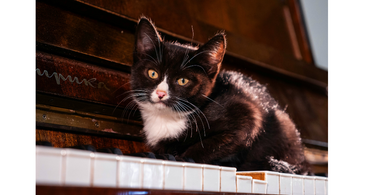
Have you ever wondered what kind of music your cat actually enjoys? You might think they don’t care, but the truth is, your furry friend has unique tastes when it comes to sound.
Playing the right music can calm your cat, reduce stress, and even strengthen the bond between you. Keep reading, because discovering what tunes make your cat purr could change the way you both relax at home.
Credit: castbox.fm
Cats And Their Hearing
Cats enjoy soft, gentle sounds with simple rhythms that mimic natural noises. Classical music and tunes with a slow tempo often calm and soothe them. Loud, harsh sounds usually make cats uneasy or stressed.
Cats have extraordinary hearing abilities that fascinate pet lovers. Their sensitive ears pick up sounds humans can’t hear. This keen hearing helps them in hunting and understanding their environment. Let’s explore how cats perceive sound.Range Of Cat Hearing
Cats hear a wider range of frequencies than humans. They can detect sounds from 48 Hz to 85 kHz. This makes their hearing range more than double that of humans. Cats hear high-pitched sounds that are inaudible to us. These sounds include the squeaks of small prey. Their ability to catch these sounds assists them in hunting. This unique hearing is a result of evolution.How Cats Perceive Sound
Cats have 32 muscles in each ear. These muscles allow them to rotate their ears 180 degrees. They can pinpoint the direction of a sound with accuracy. Their ears move independently, catching sounds from different directions. Cats are also sensitive to sound volume. They can detect slight changes in volume and tone. This sensitivity helps them in communication and safety. Understanding these aspects of cat hearing enriches our bond with them.Music Elements Cats Prefer
Understanding the specific music elements that cats prefer can transform how you create a calming environment for your furry friend. Cats don’t just respond to any sound; they are drawn to certain frequencies, rhythms, and tones that mimic natural feline communication. Let’s break down these elements so you can tailor music that truly resonates with your cat’s senses.
Frequency And Pitch
Cats hear higher frequencies than humans do, often up to 64 kHz, while humans max out around 20 kHz. This means your cat is more sensitive to high-pitched sounds that mimic the calls of their prey or other cats.
Music with gentle, high-pitched tones tends to catch their attention and soothe them. Have you noticed your cat responding to the chirps of birds or the soft purring sounds? These natural high-frequency sounds are what they find comforting.
Rhythm And Tempo
Cats prefer slower, steady rhythms similar to their resting heartbeats or the purring pattern of a relaxed cat. Fast, erratic beats can make them anxious or distracted.
Try playing music with a tempo close to 60-80 beats per minute to mimic the calmness of a cat’s breathing or heartbeat. Have you ever tried adjusting the tempo to see if your cat settles down more quickly? It can make a surprising difference.
Instrumental Sounds
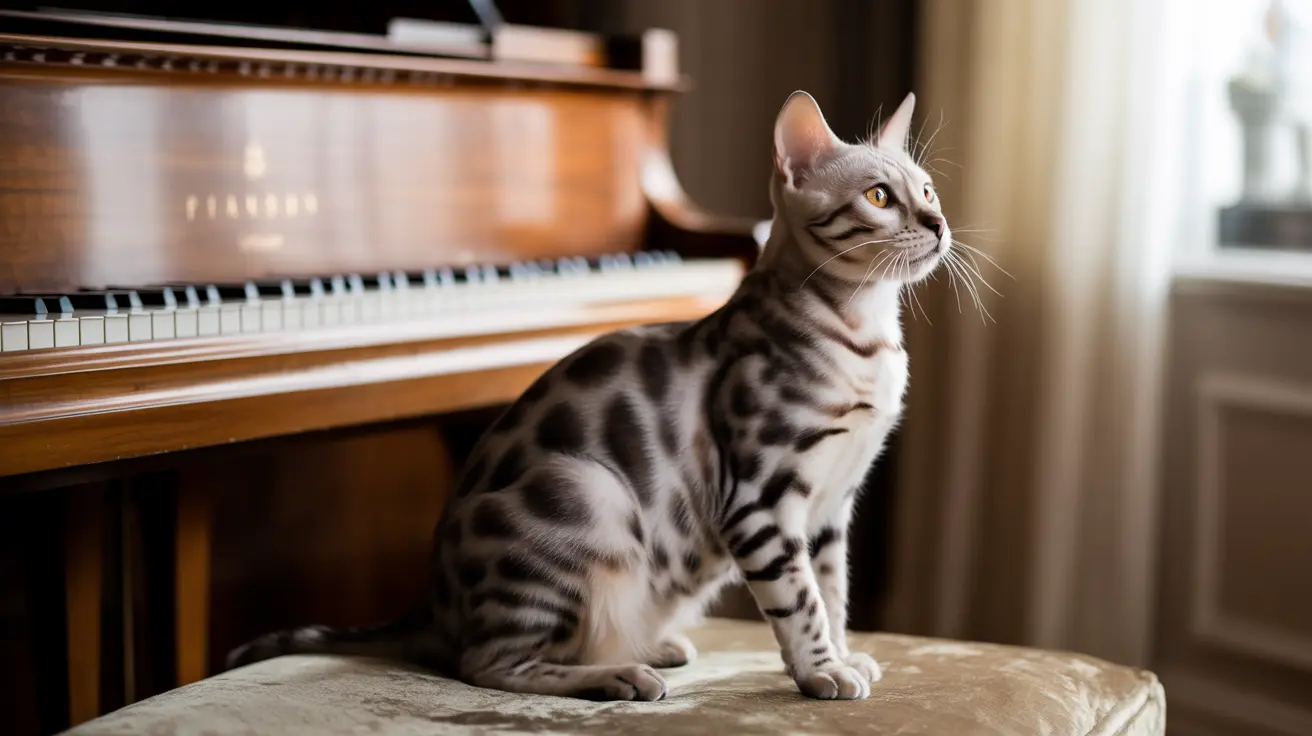
Simple, soft instrumental sounds are more appealing to cats than complex or loud instruments. Instruments like piano, flute, or soft strings produce clear tones that mimic natural sounds cats recognize.
Heavy percussion or distorted electric guitars might startle your cat, while a gentle harp or acoustic guitar can create a peaceful atmosphere. What instruments do you notice your cat reacts positively to? Observing their reactions can guide you in selecting the best sounds.
Research On Cat Music
Research about music and cats has grown in recent years. Scientists study how cats respond to different sounds and melodies. This research helps pet owners understand what music may calm or excite their cats. It also reveals how cats perceive sound differently from humans.
Studies By Animal Behaviorists
Animal behaviorists have tested cats with various types of music. They observe cats’ reactions to classical, pop, and nature sounds. Most cats show little interest in human music. Some even seem stressed or restless.
Researchers found cats react better to music made with their hearing range in mind. Cats hear higher pitches than humans do. Sounds that match a cat’s natural vocal range can attract their attention.
One study played music with tempos similar to a cat’s purring or suckling. Cats often relaxed and approached the sound source. This suggests cats prefer music that mimics their natural sounds.
Music Composed For Cats
Some composers create music specifically for cats. This music uses frequencies and rhythms that appeal to cats’ ears. It often includes purring sounds, bird chirps, or other feline-friendly noises.
Music for cats usually has:
- Slower tempos
- Higher-pitched notes
- Simple melodies
These elements help cats stay calm and less anxious. Many pet owners report their cats enjoy this specially made music. It can reduce stress during vet visits or loud thunderstorms.
Surprising Sounds Cats Love
Not all sounds are created equal in the ears of your cat. Some noises can calm them instantly, while others might spark curiosity or even anxiety. Finding out which sounds your cat enjoys can improve your bond and create a more peaceful home environment.
Purring And Soothing Noises
Cats are naturally drawn to the sound of purring—it’s a signal of comfort and contentment. Playing recordings of gentle purring or soft white noise can help your cat relax, especially during stressful moments like thunderstorms or fireworks.
Try adding soft humming or slow, rhythmic sounds to your cat’s environment. These noises mimic the comfort of a mother cat’s presence and can soothe your feline friend when you’re not around.
Nature Sounds That Attract Cats
Bird chirps, rustling leaves, and gentle water streams often catch a cat’s attention. These sounds trigger their hunting instincts, making them alert but not stressed.
If your cat spends time indoors, try playing nature soundtracks that include soft birdcalls or running water. You might notice your cat becoming more engaged and playful, as if they’re exploring the outdoors.
Human Voices And Cats
Many cats respond positively to calm, steady human voices. Speaking softly to your cat or playing recordings of familiar voices can comfort them and strengthen your connection.
Have you noticed your cat responding differently to various tones or volumes? Experiment with speaking in a soothing tone versus a louder or excited voice to see what makes your cat feel most secure.
Music To Avoid Around Cats
Not all music is suitable for cats. Some sounds can make them anxious or stressed. Knowing what to avoid helps you create a calm environment for your feline friend.
Loud And Abrasive Sounds
Loud noises often startle cats, causing them to hide or act nervously. Abrasive sounds like screeching guitars or heavy metal can be overwhelming for their sensitive ears.
I once played a rock concert recording at home, and my cat immediately ran under the bed, refusing to come out for an hour. This reaction shows how important it is to keep volume low and avoid harsh tones.
If you want to keep your cat comfortable, steer clear of:
- Sudden, loud bursts of noise
- High-pitched screeches or shrieks
- Distorted or heavily amplified sounds
High-intensity Rhythms
Fast, pounding beats can make cats uneasy. Music with rapid drum patterns or intense bass may mimic threatening sounds in nature, triggering their fight-or-flight response.
Think about how your cat reacts during thunderstorms or fireworks—high-energy rhythms can have a similar effect.
Try to avoid music characterized by:
- Fast, repetitive drum beats
- Heavy bass drops
- Constantly changing or erratic tempo
Have you noticed how your cat behaves around certain music styles? Observing their reactions will guide you in choosing the right tunes that keep them relaxed and happy.

Credit: www.tippaws.com
Creating A Cat-friendly Playlist
Creating a cat-friendly playlist is more than just picking random songs. It’s about understanding what sounds and rhythms resonate with your feline friend. This playlist can become a tool to soothe your cat during stressful times or boost their energy when they’re feeling lazy. Are you ready to craft a soundtrack that your cat will actually enjoy?
Choosing The Right Tracks
Start by selecting music with simple melodies and soft sounds. Cats tend to prefer tunes that mimic the pitch and tempo of their natural communication, like purring or gentle chirps. Look for tracks with slower tempos, around 60 to 70 beats per minute, which match a resting cat’s heart rate.
Classical music pieces featuring string instruments or piano often work well. Avoid songs with heavy bass or sudden loud noises, as these can startle your cat. You might notice your cat responding better to music made specifically for them, which some composers have created based on feline hearing ranges.
Using Music To Calm Or Stimulate
Think about why you want to play music for your cat. Is it to calm them during a thunderstorm or vet visit? Or to energize them during playtime? Different tracks can serve different purposes.
For calming, pick slow, steady tunes with soothing harmonies. These can help reduce anxiety and create a peaceful environment. To stimulate your cat, choose upbeat songs with light percussion and rhythmic patterns that encourage movement and curiosity.
Have you observed how your cat reacts to various sounds? Use those reactions as a guide. Keep your playlist flexible and ready to switch tracks depending on your cat’s mood or needs. Your cat’s response will tell you if you’re on the right track.
Tips For Playing Music For Cats
Playing music for your cat can be a delightful way to bond and create a soothing environment. However, not all music suits every feline friend. Paying attention to how you play music matters just as much as the type of music itself.
Volume And Duration
Keep the volume low. Cats have sensitive ears and loud sounds can stress them out quickly. Imagine hearing a constant loud noise when you’re trying to relax—wouldn’t that bother you?
Limit the duration of music sessions. Start with short bursts of 5 to 10 minutes and watch how your cat responds. You can gradually increase the time if your cat seems comfortable.
- Use a calm, steady volume—think background noise rather than a concert.
- Avoid sudden loud changes in sound or tempo.
- Consider playing music during quiet parts of the day, like early morning or late evening.
Observing Cat Reactions
Watch your cat’s body language closely. Signs like purring, kneading, or relaxed posture usually mean your cat enjoys the music. On the other hand, if your cat hides, flicks its tail rapidly, or meows anxiously, it’s time to stop or change the music.
Every cat reacts differently, so your role is to be a careful observer. Have you noticed your cat perk up or move closer to the speaker? That might be a good sign to keep playing that track.
Try switching between different genres or tempos and see what your cat prefers. You might discover your cat loves soft classical music or gentle nature sounds. The key is to be patient and responsive to your cat’s unique tastes.
Credit: www.petscare.com
Frequently Asked Questions
What Kind Of Music Do Cats Prefer Most?
Cats generally prefer soft, classical, or instrumental music. Slow tempos and gentle melodies help them relax. Loud or heavy music can stress cats, so calm tunes are best for their comfort.
Can Music Reduce Stress In Cats?
Yes, soothing music can lower stress and anxiety in cats. It creates a calm environment and helps with separation anxiety or loud noises. Soft classical music is especially effective.
Do Cats Respond To Music With Vocals Or Instruments?
Cats respond better to instrumental music than vocals. Their hearing is sensitive to pitch and tone, so simple instruments mimic natural sounds they find comforting. Vocal-heavy songs may confuse or irritate them.
Is It Okay To Play Music All Day For Cats?
It’s best to play music in moderation for cats. Continuous noise can overwhelm them. Short sessions of 30 minutes to an hour are ideal to keep cats calm and happy.
Conclusion
Cats seem to prefer soft, gentle music with slow rhythms. Sounds like classical or specially made cat music often calm them down. Loud, fast, or harsh noises may stress cats out. Every cat is different, so try various tunes to see what they enjoy.
Playing music can help cats relax and feel happy. Quiet moments with your pet and music create a strong bond. Keep music volume low to protect their sensitive ears. Enjoy discovering your cat’s favorite sounds together.
