

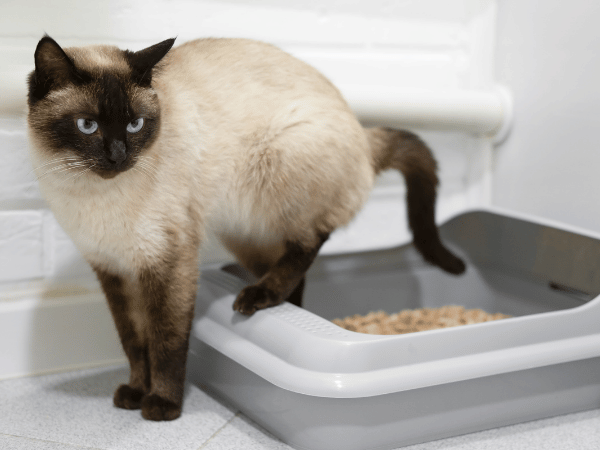
Is your cat struggling to go to the bathroom? Seeing your furry friend uncomfortable and straining can be really worrying.
You want to help right away but might not know where to start. Understanding what to do for a constipated cat can make a big difference in easing their discomfort fast. Keep reading to discover simple, effective steps you can take at home to help your cat feel better—and when it’s time to call the vet.
Your cat’s comfort and health depend on you, and this guide will give you the confidence to act.
Signs Of Constipation In Cats
Constipated cats may strain or have fewer bowel movements. They might also show signs of discomfort or bloating. Watching for these signs helps you know when to help your cat feel better.
Constipation in cats is more common than many realize. Cats might struggle with bowel movements due to various reasons. Recognizing the signs early can help alleviate discomfort.Behavioral Changes
Cats may show signs of distress or discomfort. They might meow while in the litter box. They could avoid the box altogether. Some cats may become irritable or restless. They might hide more than usual. These changes can indicate discomfort from constipation.Physical Symptoms
Look for hard, dry stools in the litter box. A constipated cat may strain to defecate. You might notice a decrease in appetite. Your cat could vomit or have a swollen abdomen. Weight loss might occur if constipation persists.When To See A Vet
Persistent constipation needs a vet’s attention. If your cat hasn’t defecated in over 48 hours, call the vet. Severe symptoms like vomiting or lethargy require immediate care. Early intervention can prevent complications. A vet can provide effective treatment options.
Credit: lolahemp.com
Common Causes Of Cat Constipation
Constipation in cats can be frustrating for both you and your feline friend. Understanding the common causes helps you spot potential problems early and take steps to prevent discomfort. Let’s look at some everyday reasons why your cat might struggle with constipation.
Diet And Hydration
Your cat’s diet plays a big role in their digestive health. Cats eating mostly dry food often don’t get enough water, which can lead to harder stools. Have you noticed your cat drinking less water than usual? That can be a red flag.
Adding wet food or encouraging water intake can make a difference. Some cats prefer drinking from a fountain rather than a bowl—try switching things up to see if that helps.
Lack Of Exercise
Physical activity stimulates the digestive system, just like it does in humans. If your cat spends most of the day lounging or sleeping, their bowel movements might slow down. Have you seen your cat getting less playful lately?
Try setting aside time for interactive play daily. Even short bursts of activity can encourage regular digestion and keep your cat’s gut moving.
Medical Conditions
Sometimes, constipation signals an underlying health issue. Conditions like dehydration, obesity, or even problems with the colon can cause constipation. If your cat shows persistent difficulty, it’s time to consult a vet.
Ignoring these signs can lead to serious complications. Your vet might recommend treatments or tests to find the exact cause and provide relief.
Home Remedies For Relief
Constipation in cats can cause discomfort and distress. Simple home remedies can often provide relief and improve your cat’s bowel movements. These remedies focus on natural ways to support digestion and keep your cat comfortable. Try these easy steps to help your cat feel better fast.
Adjusting Diet
Changing your cat’s diet can help soften stools. Include more fiber-rich foods like canned pumpkin or specialized cat food with added fiber. Avoid giving your cat dairy products or heavy treats that can worsen constipation. A balanced diet supports regular bowel movements and overall health.
Increasing Water Intake
Water helps soften stool and prevent constipation. Provide fresh water in multiple bowls around your home. Wet cat food can also boost hydration. Some cats prefer running water, so consider a cat water fountain. Keeping your cat well-hydrated aids smooth digestion.
Encouraging Exercise
Physical activity stimulates your cat’s digestive system. Play with your cat using toys like feather wands or laser pointers. Short, frequent play sessions are best. Encourage climbing with cat trees or shelves. Movement promotes healthy bowel function and reduces constipation risks.
Safe Over-the-counter Options
Constipation in cats can cause discomfort and health issues. Safe over-the-counter options can help ease your cat’s symptoms. These remedies support digestion and promote regular bowel movements. Always use products designed for cats and follow dosage instructions carefully.
Laxatives And Stool Softeners
Laxatives help move stool through the intestines. Stool softeners make the stool easier to pass. Use only pet-safe laxatives from a vet or pet store. Avoid human laxatives, as they can harm cats. Common options include lactulose and petroleum jelly. These products relieve constipation gently and quickly.
Fiber Supplements
Fiber adds bulk to your cat’s stool. It helps food move smoothly in the digestive tract. Some cats benefit from added fiber in their diet. Psyllium husk and canned pumpkin are good sources. Mix a small amount with your cat’s food. Increase fiber slowly to avoid gas or bloating.
Probiotics
Probiotics support healthy gut bacteria. They improve digestion and reduce constipation risk. Choose probiotics made for cats. These supplements restore balance in the intestines. Regular use can promote softer, easier bowel movements. Probiotics often come in powders or capsules to mix with food.
When To Seek Veterinary Care
Knowing when to seek veterinary care for a constipated cat is vital. Some signs suggest a minor issue, but others demand prompt professional help. Early intervention can prevent serious health problems.
Persistent Symptoms
Watch for constipation lasting more than two days. If your cat continues straining without success, it needs a vet’s check. Ongoing hard stools or no stool at all signal a deeper problem.
Severe Discomfort
Your cat may show signs of pain or distress. Look for vocalizing, restlessness, or hiding. A cat refusing to eat or drink also needs urgent care. These signs mean the discomfort is serious and needs treatment.
Potential Complications
Constipation can lead to complications like megacolon or urinary blockage. These conditions are dangerous and require immediate veterinary attention. Early diagnosis helps avoid surgery and long-term issues.

Credit: www.amazon.com
Preventing Future Constipation
Preventing constipation in cats is vital for their health and happiness. It requires ongoing care and attention. Small changes can make a big difference. Focus on balanced nutrition, regular activity, and routine health checks. These areas support your cat’s digestion and overall well-being.
Balanced Nutrition
Feed your cat a diet rich in fiber and moisture. Wet food helps keep the digestive system moving. High-quality fiber promotes healthy bowel movements. Avoid giving too many dry treats or foods low in fiber. Fresh water must always be available. Proper nutrition reduces the risk of constipation.
Regular Activity
Encourage your cat to stay active daily. Playtime stimulates digestion and helps bowel function. Simple games with toys or laser pointers work well. Movement prevents sluggish bowels and promotes health. Exercise also improves your cat’s mood and energy. Keep activity fun and part of your routine.
Routine Health Checks
Visit the vet regularly for check-ups. Early detection of health issues prevents constipation. The vet can spot problems before they worsen. Discuss your cat’s bathroom habits with the vet. Regular exams ensure your cat stays healthy and comfortable. Timely care avoids serious complications.

Credit: www.kwikpets.com
Frequently Asked Questions
What Are Common Signs Of A Constipated Cat?
Constipated cats often strain during bowel movements and have hard, dry stools. They may also show less appetite, lethargy, and discomfort in their abdomen.
How Can I Relieve My Cat’s Constipation At Home?
Increase your cat’s water intake and add fiber-rich foods. Gentle belly massages and regular exercise can also help stimulate bowel movements.
When Should I Take My Cat To The Vet For Constipation?
If your cat hasn’t pooped for more than two days or shows severe pain, vomiting, or lethargy, see a vet immediately.
Can Diet Changes Prevent Constipation In Cats?
Yes, feeding a balanced diet with adequate fiber and moisture helps maintain healthy digestion and prevent constipation in cats.
Conclusion
Constipation in cats needs quick care to avoid pain. Watch your cat’s bathroom habits closely every day. Provide plenty of fresh water and balanced food. Gentle exercise helps keep their digestion moving well. Never give human medicine without talking to a vet first.
Early action can stop serious health problems later. Keep calm and patient while helping your cat feel better. Your care makes a big difference in their comfort. Stay alert and contact your vet if constipation lasts longer. Healthy cats mean happy homes.
