

Are you worried about your cat’s safety when it’s outside? You might have heard scary stories about raccoons attacking cats.
But do raccoons really kill cats? Understanding the truth behind this can help you protect your furry friend better. Keep reading to discover what you need to know about raccoon behavior and how it could affect your cat’s well-being. This information might just save your pet from harm.
Credit: dengarden.com
Raccoon Behavior Around Pets
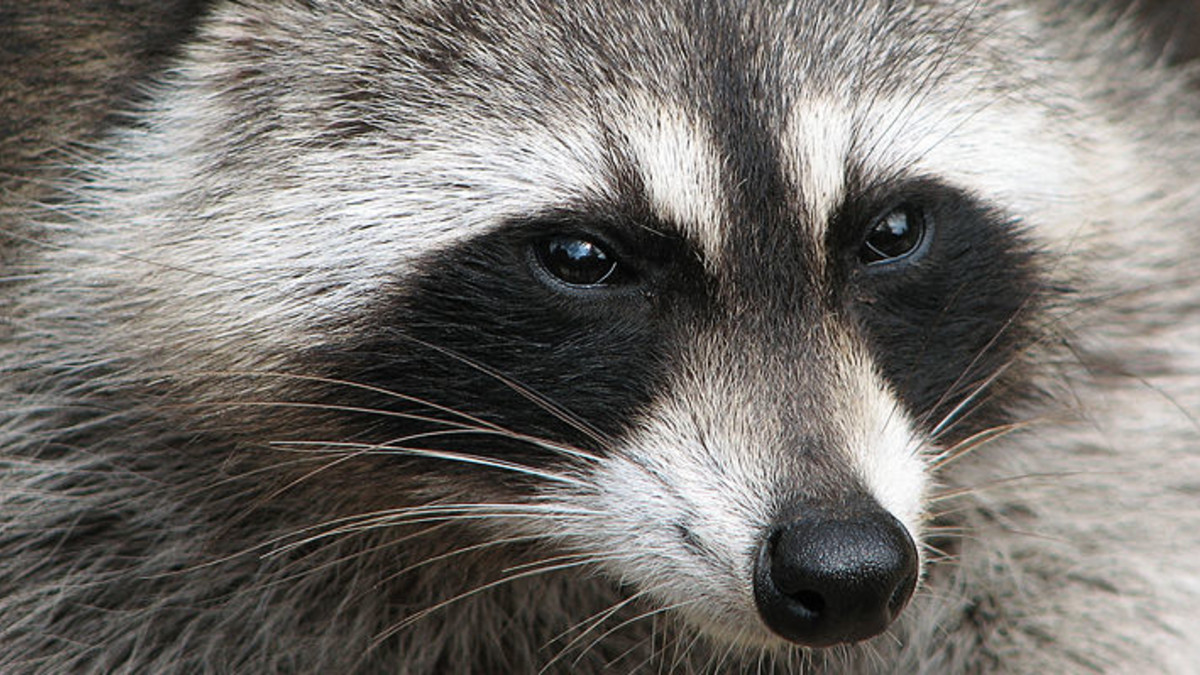
Raccoons are fascinating creatures, often seen rummaging through trash cans or wandering around in suburban areas. However, their behavior around pets, particularly cats, can be a topic of concern for pet owners. Understanding raccoon behavior is essential for ensuring the safety and well-being of your furry friends.
Typical Raccoon Habits
Raccoons are nocturnal animals, most active during the night. They are opportunistic feeders, meaning they will eat almost anything available to them. This includes fruits, insects, and small animals, but they are not typically aggressive hunters.
Raccoons are known for their dexterity and intelligence. They can open doors and containers, making them quite adept at accessing food sources. Their curiosity often leads them into human spaces, including backyards and gardens.
Raccoons’ Interaction With Cats
Raccoons and cats generally coexist peacefully, as long as food and territory are not contested. While raccoons are capable of harming cats, such incidents are rare. It’s more common for raccoons to avoid confrontations, especially with larger or assertive cats.
If you have outdoor cats, it’s wise to monitor their interactions with raccoons. Ensure your pets are not leaving food outside, as this can attract raccoons and potentially lead to conflicts.
Territorial Nature
Raccoons are territorial animals, and they can become aggressive if they feel their territory is threatened. This territorial behavior is more pronounced during the breeding season or when they have young ones to protect.
Understanding the territorial nature of raccoons can help you create a safer environment for your pets. Keep your yard clean and free of food scraps to minimize raccoon visits. Additionally, secure trash bins and close off entry points to prevent raccoons from entering your home or garage.
Have you ever noticed raccoons in your neighborhood? Share your experiences and learn from others on how they manage raccoon interactions with their pets.
Incidents Of Raccoons Attacking Cats
Raccoons are often seen as curious and mischievous creatures, but their encounters with cats can sometimes turn dangerous. Understanding the incidents where raccoons attack cats helps you protect your pet and respond appropriately if a confrontation occurs. These incidents vary widely, from minor scuffles to serious injuries, depending on several factors.
Common Attack Scenarios
Most raccoon attacks on cats happen during the night when both animals are active. Cats roaming outdoors can surprise raccoons near food sources or dens, triggering defensive behavior.
Another common scenario is when a raccoon invades a cat’s territory, especially if the cat is protecting kittens. These territorial disputes can escalate quickly.
Sometimes, raccoons come into contact with cats near garbage bins or outdoor feeders, leading to aggressive encounters over food.
Factors Leading To Aggression
Raccoons usually avoid cats, but several factors can cause aggression:
- Protecting young:A mother raccoon will fiercely defend her babies from perceived threats.
- Food competition:Limited food sources make raccoons more likely to fight over scraps.
- Injuries or illness:A sick or injured raccoon may act more aggressively.
- Surprise encounters:Sudden face-offs can provoke defensive attacks from either animal.
Have you noticed your cat acting nervous around certain wildlife? This might indicate nearby raccoon activity.
Case Studies And Reports
One pet owner shared how their outdoor cat returned with bite wounds after a night outside. The vet confirmed the injuries matched raccoon bite patterns, emphasizing the risk of unsupervised outdoor cats.
Local animal control records also highlight multiple reports of raccoon-cat conflicts, especially in suburban areas where habitats overlap.
In one documented case, a raccoon attacked a cat near a backyard feeder, leading to severe injuries that required surgery. This shows how common feeding spots can become flashpoints.
These real-life examples underline the importance of securing your cat’s environment and monitoring their outdoor activity.
Risks To Cats From Raccoons
Raccoons may seem like harmless nighttime wanderers, but they pose real risks to your cat’s safety and well-being. Understanding these dangers helps you protect your furry friend effectively. Have you ever wondered what could happen if your cat crosses paths with a raccoon?
Injuries And Health Concerns
Raccoons are strong and can be aggressive, especially when cornered or protecting their young. A fight between a raccoon and a cat can lead to serious injuries like bites and scratches. These wounds aren’t just painful; they can become infected quickly if not treated.
Even if your cat escapes, the trauma might cause lasting physical problems. Cats with deep wounds may need immediate veterinary care to avoid complications like abscesses or permanent damage.
Disease Transmission
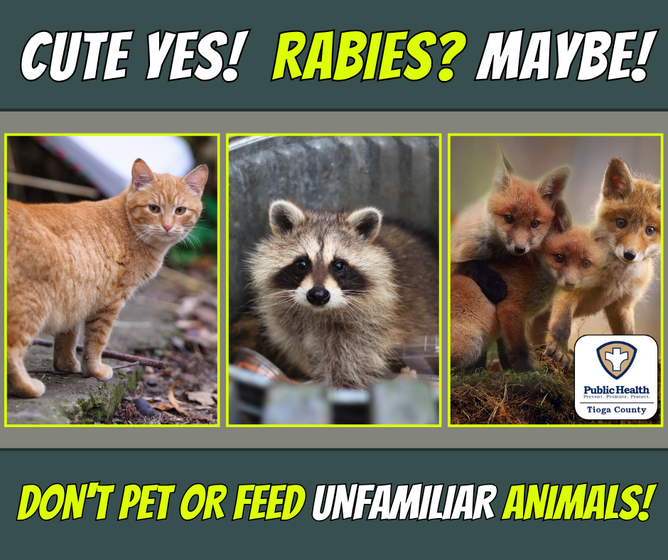
Raccoons carry several diseases that can easily spread to cats. Rabies is one of the most dangerous; it’s almost always fatal once symptoms appear. Other illnesses, like feline distemper or parasites such as fleas and ticks, can also transfer during an encounter.
Have you checked your cat’s vaccinations recently? Keeping shots up-to-date is crucial to minimize these risks. Regular parasite prevention treatments are equally important to keep infections at bay.
Behavioral Changes In Cats
After a frightening encounter, your cat’s behavior may change noticeably. They might become more anxious, hide more often, or avoid going outside altogether. Some cats may even show aggression or become overly cautious around other animals.
Pay close attention if your cat starts acting differently. These changes can signal stress or pain from injuries you might not see right away. How do you help your cat feel safe again in their environment?
Credit: www.weny.com
Preventing Conflicts Between Raccoons And Cats
Preventing conflicts between raccoons and cats is important for pet safety and neighborhood harmony. Both animals can share outdoor spaces, but tensions may arise. Simple steps can reduce risks and keep cats safe from raccoon encounters.
Safe Outdoor Practices
Supervise cats during outdoor time, especially at night. Raccoons are more active after dark. Keep cats indoors during late hours to avoid surprise encounters. Remove food sources like pet bowls and trash cans to discourage raccoons from visiting. Secure compost bins and avoid leaving birdseed outside. These small actions reduce raccoon attraction.
Deterrents And Barriers
Install motion-activated lights or sprinklers near your yard. Sudden lights or water scares raccoons away. Use fencing with small gaps to block raccoon entry. Make sure fences are at least four feet high. Cap fences with angled extensions to prevent climbing. Place heavy lids on garbage bins. Avoid leaving openings under decks or porches where raccoons might hide.
When To Seek Professional Help
Contact wildlife control if raccoons repeatedly visit your property. Professionals can safely remove or relocate animals. Seek help if raccoons show aggressive behavior or appear sick. Do not attempt to handle raccoons yourself. Protect your pets by consulting experts for safe solutions.
What To Do If Your Cat Encounters A Raccoon
Encountering a raccoon can be a frightening experience for both you and your cat. Knowing exactly what steps to take can make all the difference in ensuring your cat’s safety and health after such an incident. Acting quickly and calmly is essential to protect your furry friend from potential harm or infection.
Immediate Actions
First, safely separate your cat from the raccoon to prevent further conflict. Bring your cat indoors immediately and keep them confined in a quiet room to monitor their behavior.
Check your cat for any visible wounds or scratches, especially around the face, neck, and paws. Avoid touching any injuries with bare hands to reduce the risk of infection to yourself.
If your cat is aggressive, lethargic, or hiding, these could be signs of trauma or illness. Stay calm and observe closely while preparing to seek medical help.
Medical Attention
Contact your veterinarian immediately, even if your cat’s injuries seem minor. Raccoons can carry diseases like rabies, which require prompt medical evaluation and possible treatment.
Your vet may recommend a thorough exam, wound cleaning, and possibly vaccinations or antibiotics. Do not wait for symptoms to appear—early intervention can save your cat’s life.
Keep a record of your cat’s vaccination history to inform the vet. This helps determine any additional treatments needed after the encounter.
Reporting To Authorities
Report the incident to local animal control or wildlife authorities. They can check if the raccoon poses a broader threat to pets or people in your neighborhood.
Authorities may also test the raccoon for diseases if it can be captured safely. Your report helps protect other pet owners and supports wildlife management efforts.
Have you ever wondered how many pet injuries from wildlife go unreported? Taking this step not only aids your cat but also contributes to community safety.

Credit: www.wormsandgermsblog.com
Frequently Asked Questions
Do Raccoons Attack Cats Frequently?
Raccoons usually avoid cats but can attack if threatened. Attacks are rare and mostly defensive rather than predatory.
Can Raccoons Kill Cats At Night?
Yes, raccoons might attack cats during nighttime, especially if food is scarce. However, killing is uncommon.
Why Do Raccoons Fight With Cats?
Raccoons fight cats over food, territory, or if they feel threatened. Most conflicts are brief and avoidable.
How To Protect Cats From Raccoon Attacks?
Keep cats indoors at night, remove outdoor food, and secure trash bins to reduce raccoon encounters.
Conclusion
Raccoons can be dangerous to cats, especially at night. They may fight over food or space. Cats should stay indoors after dark for safety. Secure trash cans to keep raccoons away. Watch pets closely in areas where raccoons live. Understanding their behavior helps protect your cat.
Stay alert and take simple steps to avoid trouble. Keep your cat safe and happy with care and caution. Safety matters for both pets and wildlife.
