

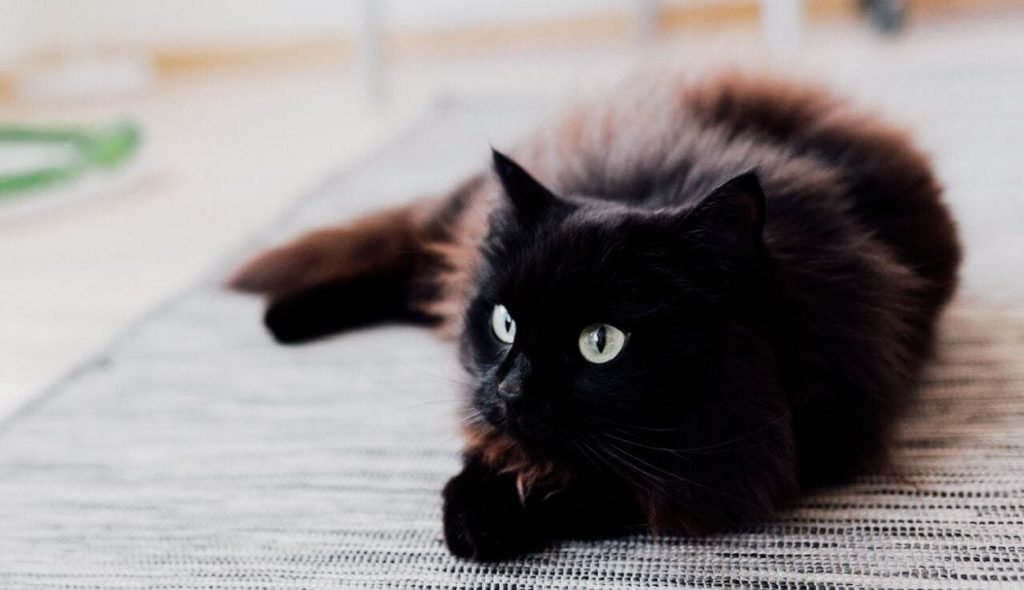
Have you ever noticed your cat suddenly making strange little sounds or jerking movements and wondered, “Do cats hiccup?” It’s a curious question because hiccups are so common in humans, but when it comes to our furry friends, it’s not something we often think about. If you’ve ever caught your cat in this odd moment, you might be worried or just plain curious about what’s going on inside their tiny bodies.
You’ll discover why cats hiccup, what it means for their health, and when you should pay attention. Keep reading to learn the surprising truth about your cat’s hiccups and how to keep your pet happy and comfortable.
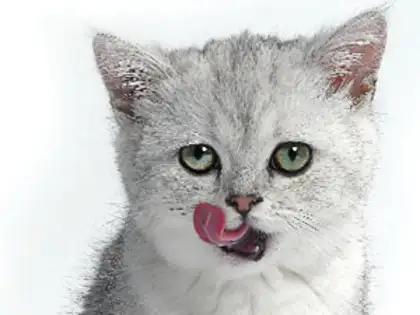
Credit: m.economictimes.com
Cat Hiccups Explained
Cats can hiccup just like humans do. These small, sudden sounds happen when their diaphragm spasms. Usually, cat hiccups are harmless and stop quickly.
Cats are quirky creatures, each with their own unique behaviors that keep us endlessly entertained and occasionally puzzled. One such behavior that might leave you scratching your head is when your feline friend experiences hiccups. Yes, cats can indeed hiccup, and understanding why this happens can help you ensure your pet’s health and comfort.What Causes Hiccups In Cats
Hiccups in cats occur when the diaphragm, a muscle that aids in breathing, experiences involuntary contractions. This can be triggered by a variety of factors. Eating too quickly is a common cause, as gulping down food can lead to swallowing air, which irritates the diaphragm. Other potential causes include stress or excitement, which might surprise you. Just like humans, cats can experience physical responses to emotional stimuli. Additionally, hairballs can sometimes be a culprit, as their presence in the digestive tract can lead to hiccup episodes.How Often Do Cats Get Hiccups
Cat hiccups are generally rare and usually brief. You might notice them occasionally after your cat has had a particularly hearty meal or during playtime. If you find your cat experiencing hiccups frequently, it might be time to assess their eating habits. Are they eating too fast? If so, try feeding smaller portions or using a puzzle feeder to slow them down. This behavior is often harmless, but if hiccups persist or are accompanied by other symptoms like coughing or vomiting, consulting your veterinarian is a wise step. Your cat’s health and happiness are paramount, and understanding their odd hiccups can be a window into their well-being.Signs And Symptoms
Understanding the signs and symptoms of hiccups in cats helps you respond appropriately and keep your furry friend comfortable. While cat hiccups are rare, they do happen, and recognizing them can prevent unnecessary worry or missed health issues. Let’s look closely at how to spot a cat hiccup and when it might be time to consult a vet.
Recognizing A Cat Hiccup
Cat hiccups often show as small, sudden jerks in their breathing, similar to what you might notice in yourself. You might hear a faint “hic” sound or see your cat’s chest or throat twitch rhythmically. Sometimes, your cat might pause briefly between breaths or seem a bit startled by the sensation.
Keep an eye on your cat’s behavior during these episodes. If your cat continues eating, playing, or grooming normally, the hiccups are likely harmless and short-lived. Cats may also hiccup after eating too quickly or swallowing air, so observe their mealtime habits closely.
When Hiccups Signal A Problem
Not all hiccups are harmless. If your cat’s hiccups last more than a few minutes or happen frequently, it could be a sign of an underlying health issue. Pay attention if the hiccups come with coughing, gagging, vomiting, or difficulty breathing.
Persistent hiccups might indicate issues like respiratory infections, allergies, or even gastrointestinal problems. If you notice changes in your cat’s appetite, energy levels, or behavior alongside hiccups, it’s time to seek veterinary advice. Asking yourself, “Is this just a hiccup or something more serious?” helps you decide when to act.
Common Triggers
Cats can hiccup just like humans. These small spasms in the diaphragm cause the hiccup sound. Understanding what triggers hiccups in cats helps pet owners care better for their furry friends. Common triggers usually involve how cats eat and their environment. Both can irritate the diaphragm and cause hiccups to start.
Eating Habits And Hiccups
Eating too fast can cause cats to hiccup. When cats gulp their food, they swallow air along with it. This air can irritate the diaphragm, causing hiccups. Overeating may also lead to hiccups by stretching the stomach too quickly. Some cats may hiccup after eating cold or dry food. Feeding smaller meals slowly helps reduce hiccups. Avoid giving your cat too many treats or table scraps.
Environmental Factors
Changes in temperature may trigger hiccups in cats. Sudden cold or hot air can irritate their breathing system. Smoke, strong smells, or dust can also cause diaphragm spasms. Stress from loud noises or new surroundings might lead to hiccups. Keeping the environment calm and clean helps prevent these triggers. Watch for any changes around your cat that might cause discomfort.

Credit: medium.com
Health Risks And Concerns
Cats can hiccup just like humans, but these hiccups are usually harmless and brief. Still, persistent or frequent hiccups might signal an underlying health problem. Understanding the health risks and concerns linked to cat hiccups helps pet owners know when to act.
Serious Conditions Linked To Hiccups
Hiccups in cats can sometimes indicate serious issues. These include:
- Respiratory infections causing irritation in the throat or lungs
- Gastrointestinal problems such as acid reflux or swallowing difficulties
- Nervous system disorders affecting the diaphragm’s control
- Exposure to toxins or ingestion of foreign objects
- Heart diseases leading to fluid buildup around the lungs
Ignoring repeated hiccups may worsen these conditions. Early detection helps prevent complications.
When To See A Vet
Monitor your cat’s hiccups closely. Seek veterinary help if hiccups:
- Last longer than a few minutes
- Occur frequently throughout the day
- Are accompanied by coughing, wheezing, or difficulty breathing
- Cause your cat to lose appetite or show signs of distress
- Appear after your cat eats or drinks
Professional evaluation ensures proper diagnosis and treatment. Don’t wait if your cat’s hiccups seem unusual or severe.
Preventing Cat Hiccups
Preventing cat hiccups starts with understanding what triggers them. Often, hiccups in cats are linked to how they eat and their daily habits. By making simple changes to your cat’s diet and lifestyle, you can reduce the chances of those annoying hiccup episodes.
Dietary Tips
Overeating or gulping food too fast can cause your cat to hiccup. Try offering smaller, more frequent meals instead of one large serving.
Using a slow feeder bowl can help your cat eat at a calmer pace. This reduces swallowing air, which often leads to hiccups.
Watch out for sudden diet changes. Introducing new foods gradually gives your cat’s stomach time to adjust and lowers the risk of hiccups.
Lifestyle Adjustments
Stress can cause physical reactions in cats, including hiccups. Create a calm and quiet space for your cat to relax, especially during feeding time.
Keep your cat well-hydrated. Drinking enough water helps digestion and can prevent hiccups caused by an irritated diaphragm.
Physical activity matters too. Regular playtime keeps your cat’s muscles, including those involved in breathing, healthy and strong.
Have you noticed if your cat’s hiccups happen after certain activities or meals? Paying attention to these patterns can help you prevent future episodes effectively.
Home Remedies And Treatments
When your cat hiccups, it’s natural to want to help them feel better quickly. Home remedies can offer gentle relief and often prevent hiccups from becoming a bigger issue. Understanding what is safe and what isn’t can make all the difference for your furry friend’s comfort and health.
Safe Ways To Help Your Cat
Start by offering small amounts of water to your cat. This can help soothe the diaphragm and reduce hiccups. Make sure the water is fresh and at room temperature to encourage drinking.
Gently petting your cat or holding them calmly can also ease their breathing. Stress or sudden excitement can trigger hiccups, so creating a quiet, relaxed environment might help stop them faster.
If your cat tends to eat quickly, try feeding smaller meals more frequently throughout the day. This prevents gulping air, which often causes hiccups. Using a slow feeder bowl can be a simple fix.
What To Avoid
Avoid giving your cat any human medications or remedies without consulting a vet. Some substances safe for humans can be toxic to cats. It’s better to be cautious than risk their health.
Do not try to startle or scare your cat to stop the hiccups. This may increase their stress and worsen the problem. Calmness is more effective than sudden actions.
Resist the urge to feed your cat anything unusual, like milk or sugary treats, as a hiccup cure. Many cats are lactose intolerant and such foods can upset their stomach or cause other health issues.
Credit: www.petmd.com
Frequently Asked Questions
Do Cats Get Hiccups Like Humans?
Yes, cats do get hiccups. They experience involuntary diaphragm spasms causing the hiccup sound. It usually lasts a few minutes.
What Causes Hiccups In Cats?
Hiccups in cats can be caused by eating too quickly, swallowing air, stress, or respiratory irritation. Most causes are harmless.
Are Cat Hiccups Dangerous?
Cat hiccups are generally not dangerous. If hiccups persist for hours or occur frequently, consult a veterinarian to rule out health issues.
How Can I Stop My Cat’s Hiccups?
To help stop hiccups, offer your cat small water sips and keep them calm. Avoid sudden excitement or rapid eating during episodes.
Conclusion
Cats do hiccup, just like humans do sometimes. These small spasms in their diaphragm usually cause a brief, harmless sound. Most hiccups go away on their own without any need for treatment. Keep an eye on your cat if hiccups last long or happen often.
It could signal an underlying health issue. Knowing this helps you care better for your furry friend. Always ask a vet if you feel worried or unsure. Simple awareness keeps your cat happy and healthy.
