

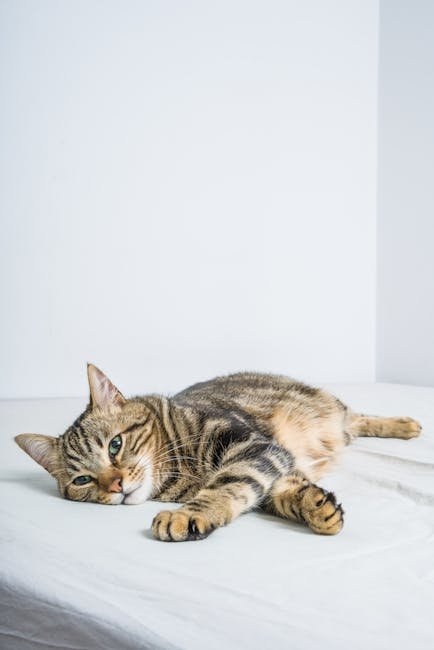
Are you curious about Bengal cats and their shedding habits? If you want a beautiful pet that stays cleaner and leaves less fur around your home, understanding how much Bengal cats shed is key.
Shedding can affect your daily life, from your clothes to your furniture. You’ll discover the truth about Bengal cat shedding, what to expect, and how to keep your space fur-free. Keep reading to find out if a Bengal cat is the right fit for you and your lifestyle.

Credit: www.reddit.com
Bengal Cat Coat Basics
Understanding the basics of a Bengal cat’s coat is crucial for any potential owner. These stunning felines are renowned for their luxurious and unique fur, which often raises questions about shedding. Does their exotic appearance come with high maintenance?
Unique Fur Characteristics
Bengal cats stand out with their beautifully patterned coats. Unlike typical domestic cats, Bengals have a pelt-like fur that is often compared to a wildcat’s sleek coat. Their fur is dense and plush, leading to a soft, silky texture that you can’t resist running your fingers through.
This unique fur not only looks striking but also reflects light in a way that gives it a glittering effect. It’s almost like they carry a sprinkle of fairy dust in their fur. Have you ever noticed how light dances off a Bengal’s coat as they move? It’s mesmerizing.
Types Of Bengal Coats
Bengal cats come in a variety of coat patterns and colors, adding to their allure. The most common patterns are spotted and marbled. Spotted Bengals have distinct rosettes that mimic the look of a leopard, while marbled Bengals showcase swirling patterns reminiscent of a marble slab.
Color variations include brown, silver, snow, and even blue. Each color brings out a different aspect of their personality, making them even more unique. Owning a Bengal with a rare coat type is like having a piece of living art in your home.
Do these cats shed like typical felines? With their unique coat structure, shedding is often less prominent. However, regular grooming can help manage any loose fur, ensuring your Bengal stays as stunning as ever.
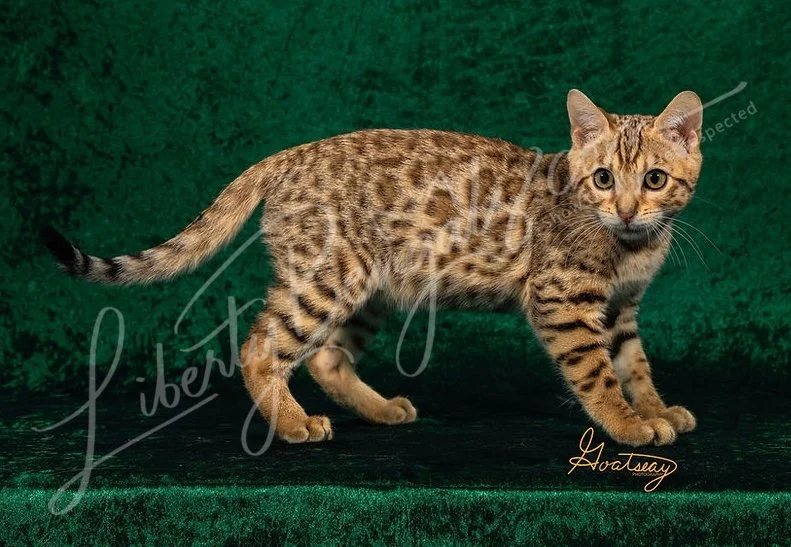
Credit: www.libertybengals.com
Shedding Patterns In Bengals
Bengal cats have unique shedding patterns compared to other breeds. Their short, dense coat sheds less but still changes with seasons. Understanding their shedding helps keep your home clean and your cat comfortable.
Seasonal Shedding Cycles
Bengals shed mostly during spring and fall. The coat adjusts to temperature changes. In spring, they lose heavy winter fur. In fall, new fur grows for colder months. Shedding happens gradually over weeks. This cycle helps Bengals stay warm or cool.
Factors Influencing Shedding
Several elements affect how much Bengals shed. Diet plays a big role in coat health. Poor nutrition can increase shedding. Indoor cats shed less than outdoor cats. Stress and illness may cause more hair loss. Regular grooming reduces loose fur and prevents mats.
Shedding Compared To Other Breeds
Understanding how Bengal cats shed compared to other breeds can help you decide if they’re the right fit for your home. Shedding affects not just cleanliness but also allergies and grooming time. Let’s look at where Bengals stand on the shedding scale and why they might be easier to manage than you think.
Low Vs High Shedding Cats
Cats fall into two broad categories when it comes to shedding: low and high shedders. High shedding breeds, like Maine Coons and Persians, drop fur constantly throughout the year. This means daily cleaning and more frequent grooming sessions.
Low shedding cats, such as Bengals and Siamese, shed less fur overall and usually seasonally. This results in less fur around your furniture and fewer hairballs. If you prefer a cleaner home with minimal fur, Bengals may suit you better than high shedding breeds.
Why Bengals Shed Less
Bengals have a unique short, dense coat that naturally resists shedding. Their fur is close to the skin, which reduces loose hair falling off. You might notice less fur on your clothes or furniture, even during seasonal changes.
Many Bengal owners find that regular brushing twice a week keeps shedding under control. It’s a small time investment that pays off by reducing fur buildup significantly. Have you ever struggled with constant cat fur? Bengals can offer a refreshing break from that hassle.

Credit: zigly.com
Managing Bengal Shedding
Managing Bengal shedding is essential to keep your home clean and your cat comfortable. Bengals shed, but with the right care, you can reduce loose fur and maintain a healthy coat. Understanding simple daily habits can make a big difference in how much hair ends up on your furniture.
Effective Grooming Tips
Regular brushing is your best tool against shedding. Use a soft-bristle brush or grooming glove designed for short-haired cats to gently remove loose fur.
Try brushing your Bengal at least three times a week. This routine helps catch shedding fur before it spreads around your home.
Bathing your Bengal occasionally can also reduce shedding. Use a mild cat shampoo and ensure your cat is comfortable during the bath to avoid stress, which can worsen shedding.
Have you noticed how your Bengal reacts to grooming? Some cats enjoy the attention, turning it into a bonding moment rather than a chore.
Diet And Shedding Control
A balanced diet plays a major role in your Bengal’s coat health. Foods rich in omega-3 and omega-6 fatty acids support skin hydration and reduce shedding.
Consider adding supplements like fish oil after checking with your vet. These nutrients can make your cat’s fur shinier and less prone to falling out.
Hydration also matters. Make sure your Bengal drinks enough water daily to keep skin healthy and fur strong.
Have you ever tracked changes in shedding after switching your cat’s food? Many owners find that better nutrition leads to noticeably less fur around the house.
Health Issues Linked To Shedding
Shedding is a natural process for Bengal cats, but it can sometimes signal health issues. Paying attention to shedding patterns helps spot potential problems early. Unusual shedding may link to allergies or skin conditions that need care.
Allergies And Skin Conditions
Allergies often cause excessive shedding in Bengal cats. Common allergens include food, pollen, and dust mites. Cats may scratch or lick their fur more than usual. This behavior can lead to bald spots or irritated skin.
Skin conditions like dermatitis or fungal infections also increase shedding. These conditions cause redness, itching, and flaky skin. Early treatment prevents worsening symptoms and fur loss. Regular check-ups help detect allergies or skin issues early.
When Shedding Indicates A Problem
Shedding becomes a concern if it is sudden or severe. Patchy fur loss or bald spots signal underlying problems. Other signs include:
- Changes in appetite or behavior
- Red, swollen, or scaly skin
- Excessive scratching or grooming
- Weight loss or lethargy
Such symptoms require a vet visit for diagnosis. Treating the cause stops abnormal shedding. Ignoring signs may worsen the cat’s health and comfort.
Myths About Bengal Shedding
Many people wonder if Bengal cats shed like other breeds, leading to plenty of myths around their grooming needs. Shedding can be a concern, especially for those with allergies or a preference for a tidier home. Let’s clear up some common misunderstandings and see what experts actually say about Bengal shedding.
Common Misconceptions
- Bengal cats don’t shed at all.This is a popular myth. While Bengals shed less than some other breeds, they do lose hair naturally.
- Bengals are hypoallergenic.Many believe Bengals don’t cause allergies because of their short coat. However, allergies come from proteins in saliva and skin, not just fur.
- Shedding is a sign of poor health.Some think if a Bengal sheds, it must be sick or stressed. In reality, shedding is a normal process for all cats, Bengals included.
Truths Backed By Experts
Veterinarians confirm Bengals have a short, dense coat that sheds less than long-haired cats. This makes grooming easier but doesn’t eliminate shedding completely. Regular brushing helps control loose hair and keeps your Bengal’s coat healthy.
Allergy specialists point out that no cat breed is truly hypoallergenic. Bengals may produce fewer allergens, but if you’re sensitive, you might still experience reactions. Spending time around a Bengal before adopting can help you gauge your response.
Shedding often increases seasonally as Bengals adjust to temperature changes. If you notice excessive shedding, it might be worth checking your cat’s diet and health with a vet. Healthy skin and good nutrition reduce unwanted hair loss.
Have you noticed your Bengal shedding more during certain times of the year? Observing these patterns can help you manage grooming and keep your home cleaner.
Living With A Shedding Bengal
Living with a Bengal cat means enjoying a playful and energetic companion. Bengals shed like many other cats, but their short, dense fur can spread around the house. Managing shedding helps keep your home clean and your cat comfortable. Understanding simple cleaning and maintenance habits makes life easier for both of you.
Cleaning Tips For Cat Hair
- Use a vacuum with a pet hair attachment to remove fur from floors and furniture.
- Brush your Bengal regularly to reduce loose hair and prevent mats.
- Wipe surfaces with a damp cloth to catch stray hairs quickly.
- Lint rollers work well on clothes and soft fabrics.
- Wash pet bedding often to keep it fresh and hair-free.
Keeping Your Home Fur-free
- Designate specific areas for your Bengal to limit hair spread.
- Use washable slipcovers on furniture for easy cleaning.
- Keep windows and doors closed during windy days to avoid extra debris inside.
- Invest in air purifiers to reduce airborne pet hair and dander.
- Encourage your cat to relax on pet-friendly mats or blankets.
Frequently Asked Questions
Do Bengal Cats Shed A Lot Compared To Other Breeds?
Bengal cats shed moderately, less than many domestic cats. Their short, dense coat sheds seasonally, especially in spring and fall. Regular grooming helps control shedding and reduces loose hair around your home.
How Often Should I Groom A Bengal Cat?
Grooming a Bengal cat once or twice a week is ideal. This removes loose fur and minimizes shedding. It also keeps their coat shiny and healthy, while strengthening your bond with your pet.
Are Bengal Cats Hypoallergenic Due To Low Shedding?
Bengal cats are not hypoallergenic, but they shed less. Less shedding means fewer allergens in the environment. However, people with allergies should still spend time with Bengals before adoption.
What Causes Bengal Cats To Shed More Than Usual?
Stress, poor diet, or health issues can increase Bengal cats’ shedding. Seasonal changes also affect shedding levels. Regular vet check-ups and balanced nutrition help maintain their coat’s health.
Conclusion
Bengal cats do shed, but less than many other breeds. Their short, dense coat helps keep shedding under control. Regular brushing reduces loose hair and keeps fur healthy. Shedding may increase during seasonal changes, which is normal. Understanding their shedding helps you care for your Bengal better.
Enjoy the beauty and playful nature of this unique cat without too much fur around. Simple grooming can make a big difference in managing shedding. Bengal cats make great pets for those ready to brush regularly.
