

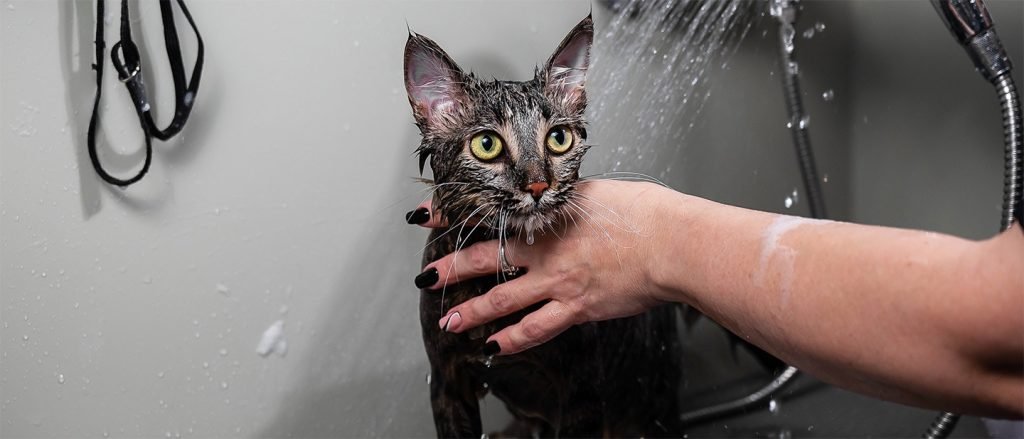
Do you have to bathe cats? If you’ve ever wondered whether your furry friend needs a bath or if they can keep themselves clean, you’re not alone.
Many cat owners ask this question because cats are known for their grooming habits. But the truth might surprise you. Understanding when and how to bathe your cat can make a big difference in their health and happiness. Keep reading to find out everything you need to know about bathing your cat—and why sometimes, less is more.
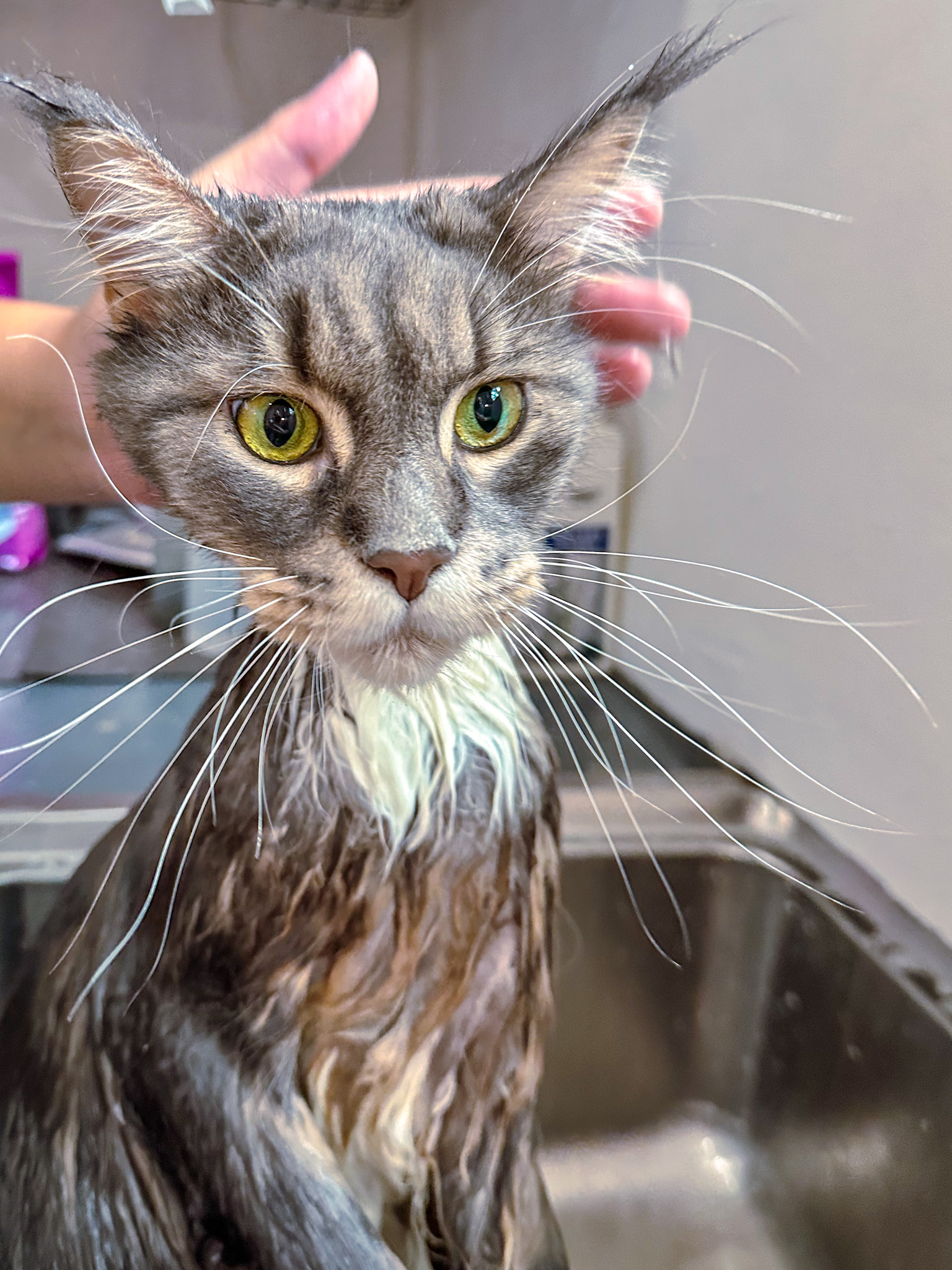
Credit: lazycathotel.com
Why Bathing Cats Is Different
Bathing cats is unique compared to other pets. Cats are known for their self-sufficiency and independence. They have natural instincts that make them efficient at keeping clean. Understanding these differences helps in deciding when to bathe them. Let’s explore why bathing cats is different.
Cats’ Natural Grooming Habits
Cats are meticulous groomers. They spend a lot of time licking their fur. This behavior helps remove dirt and loose hair. Their tongues have tiny barbs that aid in cleaning. Grooming also helps spread natural oils. These oils keep their fur shiny and healthy. Cats rarely need baths because of these habits.
When Baths Are Necessary
Sometimes, cats do need a bath. If they get into something sticky or harmful, a bath is essential. Certain health conditions may require regular bathing. Cats with skin conditions may need medicated baths. Older cats may also need help staying clean. Always use cat-friendly products for bathing. Avoid using human shampoos as they can harm their skin.

Credit: felinefancy.co.uk
Preparing For A Cat Bath
Bathing a cat can be a challenging task. Preparing well makes the process smoother for both you and your pet. Getting ready helps reduce stress and keeps your cat safe. Here are key steps to prepare for a cat bath.
Choosing The Right Shampoo
Select a shampoo made specifically for cats. Human or dog shampoos can irritate their skin. Look for mild, hypoallergenic formulas. Avoid shampoos with strong scents or harsh chemicals. A shampoo with natural ingredients is best for sensitive skin.
Gathering Supplies
Have all items ready before starting the bath. This includes:
- Cat shampoo
- A large towel
- A cup or small container for rinsing
- A non-slip mat for the sink or tub
- A brush for pre-bath grooming
- Warm water
Keeping everything close helps you stay calm and focused.
Creating A Calm Environment
Choose a quiet room with no distractions. Close doors and windows to reduce noise. Use a sink or tub where your cat feels safe. Speak softly and move slowly to avoid startling your cat. Play calming music or use a pheromone spray. Calm surroundings make the bath less stressful.
Step-by-step Bathing Process
Bathing a cat can be a calm and smooth experience with the right approach. Preparing properly makes the process easier for both you and your pet. Follow these clear steps to bathe your cat safely and gently.
Brushing Before The Bath
Start by brushing your cat’s fur to remove loose hair and knots. This prevents mats from tightening during the bath. Use a gentle brush and be patient. Brushing also helps calm your cat before water contact.
Wetting The Cat Safely
Use lukewarm water to wet your cat slowly. Avoid spraying water directly on the face. Use a cup or sprayer to wet the body softly. Keep water away from ears and eyes to reduce stress.
Applying Shampoo Correctly
Choose a cat-friendly shampoo. Apply a small amount and spread it evenly over the fur. Lather gently, focusing on dirty areas. Avoid the head and face. Use your fingers to massage the shampoo carefully into the coat.
Rinsing Thoroughly
Rinse all shampoo from the fur using lukewarm water. Leftover shampoo can cause skin irritation. Use your hands to help remove suds. Make sure the water runs clear before stopping.
Drying Tips
Wrap your cat in a soft towel immediately after the bath. Pat the fur gently to remove excess water. Use a second dry towel if needed. Keep your cat in a warm room until fully dry. Avoid using a hairdryer unless it is on a low, quiet setting.
Common Bathing Challenges
Bathing cats can be a tough task for many pet owners. Cats often dislike water, making the process stressful for both the cat and owner. Understanding common bathing challenges helps prepare you better. It also reduces risks of injury and stress during bath time.
Handling A Resistant Cat
Many cats resist baths strongly. They may struggle, hiss, or try to escape. To handle this:
- Keep calm and speak softly to your cat.
- Use a non-slip mat in the sink or tub.
- Hold your cat gently but firmly to prevent sudden moves.
- Work quickly but carefully to finish the bath.
- Consider using a small cup or sprayer for gentle water flow.
Avoiding Stress And Scratches
Bath time can cause stress and scratches. Avoid these by:
- Trimming your cat’s nails before the bath.
- Using a towel to wrap your cat partially for control.
- Offering treats before and after the bath to create positive feelings.
- Bathing in a quiet room with no distractions.
- Stopping if your cat becomes too scared or aggressive.
Alternatives To Bathing
Bathing cats can be stressful for both pets and owners. Luckily, there are gentle alternatives that keep your cat clean without a full bath. These options help maintain hygiene and comfort with less fuss. They support your cat’s natural grooming habits and reduce the need for water baths.
Using Grooming Wipes
Grooming wipes are a quick way to freshen up your cat. They remove dirt and oils from the fur without water. Choose wipes made for cats to avoid skin irritation. Wipe gently to clean paws, face, and body. These wipes also help control odors and allergens. Keep them handy for spot cleaning between baths.
Regular Brushing Benefits
Brushing your cat regularly improves coat health and cleanliness. It removes loose hair, dirt, and dander. This reduces hairballs and matting. Brushing also spreads natural oils, making the fur shiny and soft. Cats often enjoy the attention, making grooming a bonding time. Use brushes suitable for your cat’s fur type for best results.
Special Considerations For Different Cats
Bathing cats requires different approaches based on their age, coat type, and health. Each cat has unique needs that affect how often and how you bathe them. Understanding these special considerations helps keep cats safe and comfortable during baths.
Bathing Kittens
Kittens are delicate and may feel scared easily. Use warm water and gentle cat shampoo made for young cats. Keep baths very short to avoid stress. Dry kittens quickly with a soft towel to prevent chills. Avoid bathing too often; mothers usually keep kittens clean.
Long-haired Vs. Short-haired Cats
Long-haired cats need more frequent baths to prevent mats and tangles. Their fur traps dirt and oils easily. Use a conditioner after shampoo for smooth fur. Short-haired cats stay cleaner longer and need fewer baths. Brushing is often enough for short coats.
Cats With Skin Conditions
Cats with skin problems need special care during baths. Use medicated shampoos recommended by a vet. Avoid harsh soaps that can worsen irritation. Bathing may help reduce itching and infection but should be done carefully. Always follow vet advice for treatment and bathing routines.
Frequency Of Bathing
Bathing cats is not always necessary. Most cats groom themselves well. Bath frequency depends on many things. Understanding these helps keep your cat clean and healthy.
Factors Influencing Bath Schedule
Several factors decide how often a cat needs a bath. Cats with long fur may need more baths. Outdoor cats get dirtier than indoor cats. Cats with skin conditions might require special care. Age plays a role; kittens and older cats have different needs. Some cats dislike water and stress easily, so baths should be rare. Using cat-friendly shampoo is important to protect their skin.
Signs Your Cat Needs A Bath
Cats show clear signs when they need a bath. A greasy or smelly coat is a major signal. Visible dirt or sticky substances on fur also matter. If your cat scratches a lot, it might need cleaning. Matted fur that does not brush out needs attention. Allergies or skin irritation can mean a bath is due. Observing these signs helps keep your cat comfortable and clean.
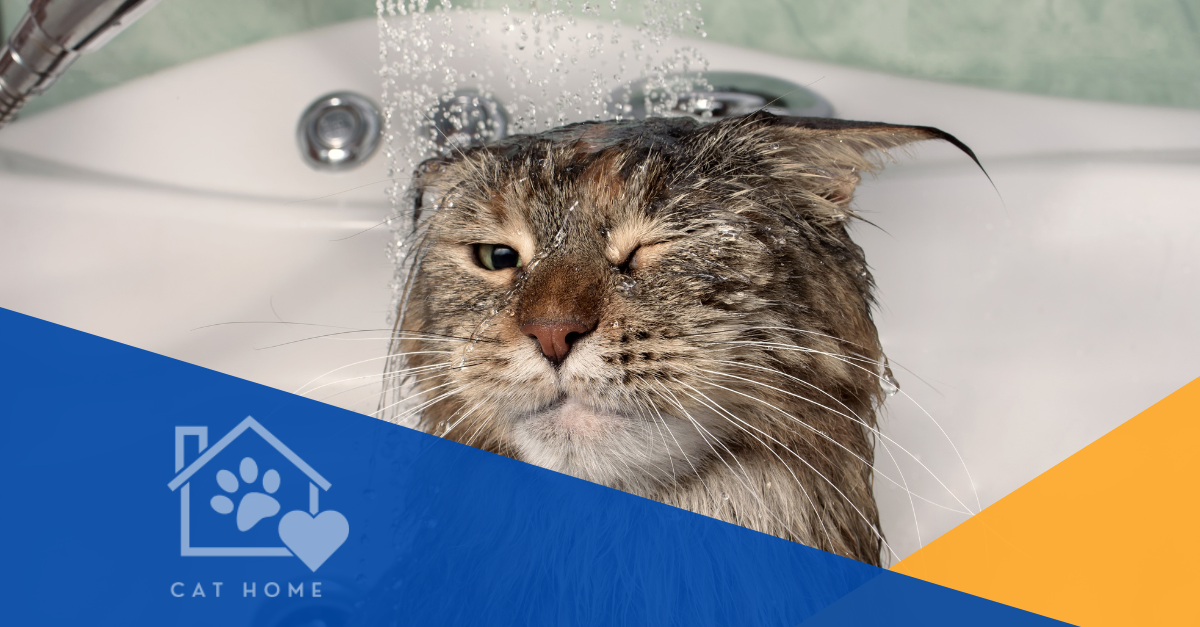
Credit: cathome.sg
Frequently Asked Questions
Do Cats Need Regular Baths?
Most cats groom themselves and rarely need baths. Bathing is only necessary if they get very dirty or have skin issues. Regular brushing usually keeps their coat clean and healthy.
How Often Should I Bathe My Cat?
Bathing frequency depends on your cat’s lifestyle and health. Indoor cats may never need a bath, while outdoor cats might need occasional cleaning. Generally, bathing once every few months is enough unless advised by a vet.
Can Bathing Harm My Cat’s Skin Or Fur?
Bathing too often or using harsh shampoos can dry out your cat’s skin and damage fur. Always use cat-specific shampoos and avoid frequent baths to keep their coat healthy and shiny.
What Is The Best Way To Bathe A Cat?
Use lukewarm water and a gentle cat shampoo. Keep the bath calm and quiet, avoiding water in their ears and eyes. Rinse thoroughly and dry with a soft towel to prevent chilling.
Conclusion
Bathing cats is not always needed. Most cats clean themselves well. Bathing can stress some cats out. Use a bath only if your cat is very dirty or has fleas. Always be gentle and calm during baths. Regular brushing helps keep fur clean and healthy.
Knowing when to bathe your cat keeps them happy. Trust your cat’s behavior and needs. A clean cat is a happy cat. Simple care goes a long way.
