

Have you ever wondered if cats really talk to each other? You might have seen your furry friend meow, purr, or even hiss when another cat is around.
But what do these sounds mean? Can cats actually hold conversations like humans do? Understanding how cats communicate can change the way you see your pet and the world they live in. Keep reading, and you’ll discover surprising ways cats share their thoughts and feelings with each other—right under your nose.

Credit: www.petscare.com
Cat Communication Basics
Cats communicate in mysterious ways. Their language involves sounds, body signals, and scents. Each cat has a unique communication style. Understanding these basics can help us connect with them better.
Types Of Cat Sounds
Cats make different sounds to express emotions. The most common sound is the meow. It can mean a greeting, request, or complaint. Purring often shows contentment, but can also signal stress. Hissing and growling indicate fear or aggression. Chirping and chattering occur when cats see prey. Each sound conveys a distinct message.
Body Language Signals
Cats use their bodies to communicate feelings. A raised tail suggests a happy cat. Flattened ears show fear or irritation. Slow blinking indicates trust and relaxation. Arched backs and puffed fur signal a defensive stance. Watch their whiskers too. Forward whiskers show curiosity or playfulness. Whiskers pulled back signify stress.
Scent Marking Habits
Cats rely on scent to mark their territory. They have scent glands on their cheeks and paws. Rubbing against objects leaves their scent, claiming the area. Scratching surfaces also deposits scent from their paws. They might urinate to mark boundaries. These habits help cats communicate with others.
Vocal Interactions Among Cats
Cats communicate using many vocal sounds. These sounds help them share feelings and intentions. Vocal interactions play a big role in how cats talk to each other. Understanding these sounds gives insight into their social lives. Each sound carries a special message that cats understand well.
Meowing And Its Meanings
Meowing is the most common cat sound. Cats often meow to get attention. They use different tones to show different needs. A short meow might mean “hello” or “look here.” A long, loud meow can signal hunger or discomfort. Cats also meow more to humans than to other cats. This shows meows mainly target people.
Purring And Communication
Purring usually means a cat feels safe and happy. Cats purr when relaxed or cuddling. Sometimes, purring can show nervousness or pain. It helps calm themselves and others. Mother cats purr to soothe kittens. Purring often builds trust and comfort between cats.
Hissing And Growling
Hissing and growling warn others to stay away. These sounds express fear or anger. A hiss means the cat feels threatened. A growl is a stronger warning before attacking. Cats use these sounds to protect their space. They prevent fights by clearly showing displeasure.
Non-verbal Cat Conversations
Cats use many ways to talk without words. Their bodies tell stories that words cannot. Watching their movements helps us understand their feelings and intentions. Cats share messages through subtle signs. These signs create a silent conversation between them. Understanding these signals helps us see how cats relate to each other.
Tail Movements
A cat’s tail shows many emotions. A straight-up tail means friendliness and confidence. A twitching tail tip shows curiosity or excitement. A puffed-up tail signals fear or anger. Slow tail swishes often mean irritation. Cats use their tails like flags to send clear messages.
Ear And Eye Signals
Ear positions tell a lot. Forward ears show interest and alertness. Flattened ears warn of danger or anger. Side-to-side ear flicks mean annoyance or confusion. Eyes speak too. Slow blinking means trust and calm. Wide eyes show surprise or fear. Narrowed eyes can mean anger or focus. Cats read each other’s ear and eye cues carefully.
Physical Touch And Grooming
Touch is a strong bond. Cats rub heads to show friendship and claim each other. Grooming each other is a sign of trust. It helps keep peace in groups. Touch calms and reassures cats. It builds and strengthens social ties. These gentle actions say more than words.

Credit: www.youtube.com
Cats And Social Hierarchies
Cats live in social groups with clear structures. These social hierarchies help cats communicate and avoid constant fights. Each cat knows its place in the group, which keeps peace and order. Understanding these social roles can explain how cats talk to each other.
Establishing Dominance
Dominance shows who leads the group. Cats use body language like staring, growling, and tail positions to show power. The dominant cat eats first and gets the best resting spots. Younger or weaker cats usually step back to avoid fights. This silent talk keeps the group stable.
Cooperative Behaviors
Cats also help each other in groups. They groom each other to build trust and friendship. Sharing food or resting close shows acceptance. These actions are quiet signals of teamwork. Cooperation makes life easier and safer for all cats.
Conflict Resolution
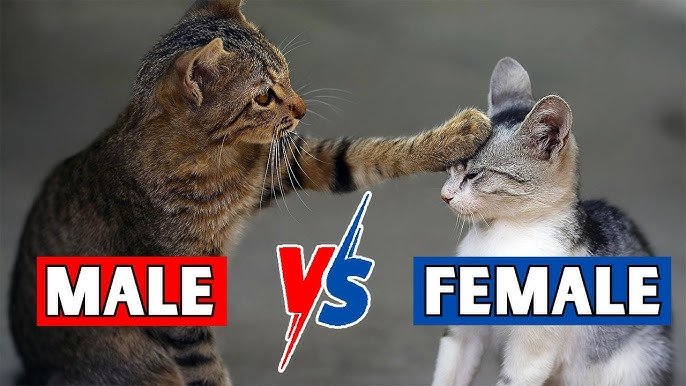
Fights happen but are often brief. Cats use hissing or swatting to warn each other. Most conflicts end with one cat backing down. Sometimes, cats use soft meows or rubbing to calm tensions. This way, they solve problems without serious harm.
Communication Differences In Wild And Domestic Cats
Understanding how wild and domestic cats communicate can change the way you interpret your feline friend’s behavior. Their communication methods differ significantly because of their environments and lifestyles. These differences shape how cats express themselves and interact with others.
Wild Cat Vocalizations
Wild cats rely heavily on vocal sounds to establish territory and warn off rivals. Their calls can be loud and harsh, including growls, hisses, and yowls that carry over long distances. These vocalizations are crucial for survival, helping them avoid dangerous encounters.
Wild cats rarely use meowing as a form of communication with each other. Instead, they depend more on scent marking and body language. Have you noticed how rarely you hear a bobcat or lynx meow? This shows how vocal communication varies in the wild.
Domestic Cat Adaptations
Domestic cats have developed a unique way of communicating with humans that wild cats don’t use. Meowing, which is common in pet cats, is mainly directed at people rather than other cats. This sound acts like a language bridge between you and your cat.
Besides vocal sounds, domestic cats use purring, chirping, and different types of meows to express needs or emotions. Their body language also changes to suit indoor living, with more subtle signals compared to wild cats. You can learn to read these signs and respond better to your cat’s mood.
Impact Of Human Presence
Human interaction has shaped how domestic cats communicate over thousands of years. Cats have adapted to use sounds that catch your attention, like soft meows or trills. This makes you more likely to respond, strengthening your bond.
The presence of humans also reduces the need for aggressive or loud vocalizations seen in wild cats. Domestic cats often communicate through gentle behaviors rather than loud calls. What sounds or gestures does your cat use to get your attention? Observing this can deepen your connection.
Surprising Communication Facts
Cats have more ways to communicate than you might think. Their interactions often surprise even the most experienced cat owners. Understanding these surprising communication facts can deepen your connection with your feline friends and reveal how they share messages with each other and with you.
Cats Mimicking Human Speech
Have you noticed your cat making sounds that almost seem like words? Some cats try to mimic human speech patterns, especially if they spend a lot of time around people. This behavior isn’t just cute; it’s their way of trying to get your attention or express needs.
One cat I know developed a distinct “hello” sound after hearing it repeatedly at home. This shows cats can adapt their vocalizations to fit their environment, almost like a language bridge between species.
Silent Meows Explained
Ever experienced a cat opening its mouth to meow but no sound comes out? Silent meows are a fascinating form of communication. Cats often use them to get your attention softly, especially when they want something but don’t want to disturb the household.
This quiet gesture can also signal trust. Your cat feels safe enough to communicate subtly without raising their voice, which is a unique sign of their comfort around you.
Cross-species Communication
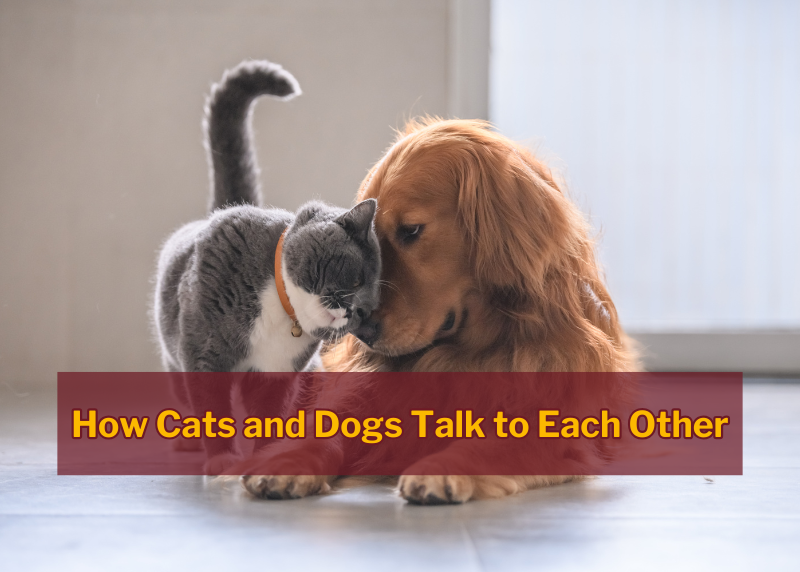
Cats don’t just talk among themselves—they communicate with other species too. You might see your cat responding to your dog’s barks or even a bird’s chirps. They pick up on different sounds and body language cues to understand other animals.
Have you tried observing how your cat reacts to non-cat pets? Noticing these interactions can teach you a lot about your cat’s social skills and adaptability.
Credit: chicagourbanpets.com
Frequently Asked Questions
Do Cats Use Vocal Sounds To Communicate?
Yes, cats use meows, purrs, hisses, and growls to express emotions. These sounds convey warnings, greetings, or contentment to other cats.
Can Cats Understand Each Other’s Body Language?
Absolutely. Cats rely heavily on body language like tail position, ear orientation, and eye contact. These signals help them communicate mood and intentions.
Do Cats Communicate Differently When Hunting?
Yes, cats use quiet signals and subtle body language while hunting. They avoid loud sounds to prevent scaring prey and coordinate with other cats if needed.
How Do Cats Show Affection To Each Other?
Cats show affection by grooming, rubbing heads, and gentle purring. These behaviors strengthen social bonds and communicate trust and comfort.
Conclusion
Cats use many sounds and body moves to share feelings. They do not talk like people but still understand each other well. Their meows, purrs, and tail waves send clear messages. Watching cats interact helps us learn their language. This shows how smart and social cats really are.
So, next time you see cats chatting, remember they have their own special way. Understanding this can make us better pet owners and friends to cats.
