

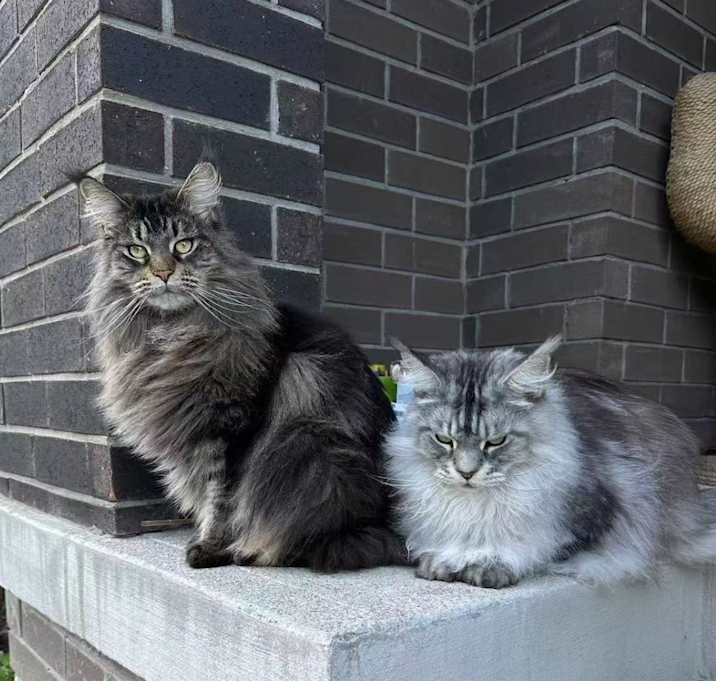
Are you thinking about adding a Maine Coon cat to your family? These gentle giants are known for their friendly nature and stunning looks, making them a favorite among cat lovers.
But before you bring one home, there are important things you should know to make sure your new pet feels happy and healthy. You’ll discover key tips and insights that will help you prepare for life with a Maine Coon.
Keep reading to find out how to give your furry friend the best start in your home.
Maine Coon Cat Traits
Maine Coon cats are known for their unique traits that make them stand out. These cats have distinct physical features and charming personalities. Understanding their traits helps in providing the best care. Below are key aspects of Maine Coon cat traits.
Physical Characteristics
Maine Coons are one of the largest domestic cat breeds. They have a muscular body and broad chest. Their long, thick fur helps them stay warm. The fur around their neck forms a ruff, similar to a lion’s mane.
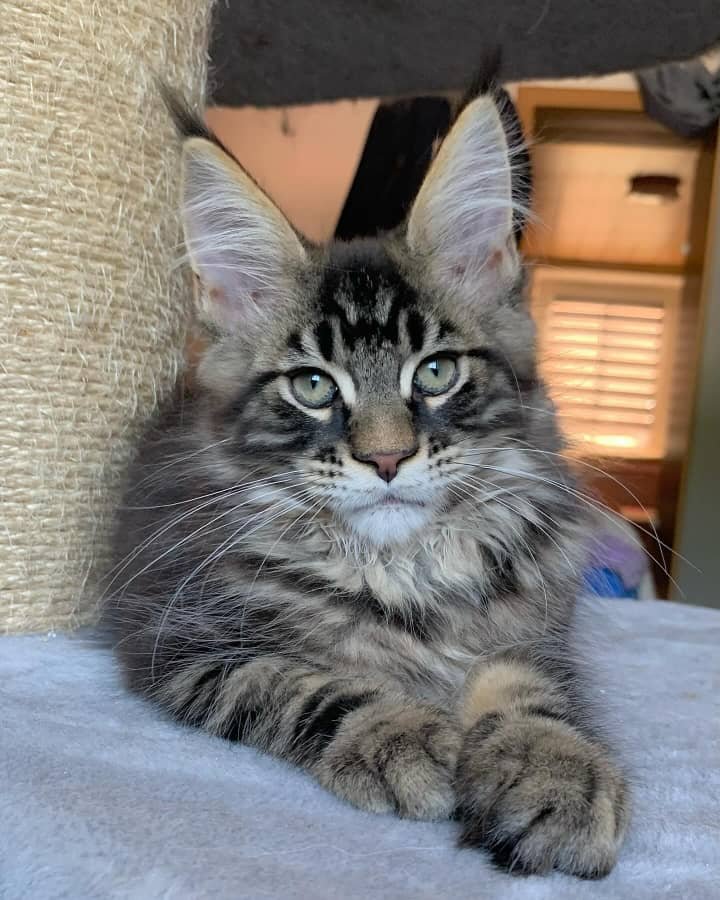
They have large, tufted ears and big, expressive eyes. Their bushy tail often looks like a plume. Colors and patterns vary widely in Maine Coons.
Personality And Temperament
Maine Coons are friendly and social cats. They enjoy being around people and other pets. These cats are gentle and patient, making them great with children. They are intelligent and curious, often exploring their surroundings.
Despite their size, Maine Coons are not aggressive. They tend to be playful but calm. They love to interact but also enjoy quiet time alone.
Common Behaviors
Maine Coons often use chirps and trills to communicate. They like to follow their owners from room to room. These cats enjoy playing with toys and climbing on cat trees.
Many Maine Coons love water and may splash in their water bowl. They are also known to be good hunters, showing natural instincts. Maine Coons often enjoy being brushed due to their thick fur.
Preparing Your Home
Getting your home ready for a Maine Coon cat means thinking about their unique needs and personality. These gentle giants love exploring and often seek high spots to observe their surroundings. Creating an environment that suits their curious and playful nature will help your new companion feel safe and happy from day one.
Safe Spaces And Climbing Areas
Maine Coons enjoy having quiet corners where they can retreat and relax. Setting up a cozy bed or a soft blanket in a low-traffic area gives them a personal safe space. Consider adding tall cat trees or shelves for climbing—these cats love to perch high and watch everything around them.
Have you noticed how your cat looks for high places at friends’ houses? Providing those spots at home can reduce stress and prevent unwanted exploration on furniture or countertops.
Essential Supplies
Start with the basics: food and water bowls, a litter box, grooming tools, and toys. Maine Coons have thick fur, so invest in a sturdy brush to keep their coat healthy and reduce shedding. Pick a litter box large enough to accommodate their size—tiny boxes can discourage use and cause accidents.
Interactive toys and puzzle feeders can keep their intelligent minds engaged and prevent boredom. Think about the supplies you wish you had when first bringing a pet home and add those to your shopping list.
Cat-proofing Tips
Look around your home through your cat’s eyes. Small objects like rubber bands or string can be swallowed, so store them out of reach. Secure loose wires and cords to avoid chewing hazards. Houseplants can be toxic, so either remove them or place them where your cat can’t reach.
Remember, Maine Coons are strong and curious—they might open cabinets or knock things over. Childproof latches on cabinets and anchoring heavy items can save you from unexpected messes or accidents. What small changes can you make today to protect your adventurous new friend?
Choosing The Right Maine Coon
Choosing the right Maine Coon is a crucial step that shapes your experience as a cat owner. These majestic cats vary in personality, health, and background. Taking time to understand where your Maine Coon comes from and its health history can save you from unexpected challenges and deepen your bond.
Finding Reputable Breeders
Reputable breeders prioritize the health and temperament of their cats. They provide a clear history of the kitten’s parents and their health screenings. Visiting a breeder lets you observe the living conditions and meet the cat’s family, which often reflects the kitten’s future behavior.
Ask breeders about socialization practices. Well-socialized kittens adapt more easily to new homes and families. You might be surprised how many breeders welcome questions and even encourage follow-up visits to ensure the right match.
Adoption From Shelters
Shelters often have Maine Coon cats or mixes waiting for loving homes. Adopting from a shelter gives a cat a second chance and can be more affordable. Shelter staff usually know the cat’s personality and medical history, helping you find one that fits your lifestyle.
Consider how much time you can invest in helping a shelter cat adjust. Some may need extra patience and care, but the reward is a loyal companion who’s grateful for a fresh start. Have you thought about the joy in saving a life rather than just buying a pet?
Health And Genetic Considerations
Maine Coons are generally healthy but can inherit genetic conditions like hypertrophic cardiomyopathy (HCM) and hip dysplasia. Make sure health screenings are available for both parents. Responsible breeders provide documentation for these tests, which helps you avoid future heartaches.
Regular veterinary check-ups and a proper diet keep your Maine Coon thriving. Pay attention to any signs of discomfort or behavioral changes, as early detection is key. Would you feel confident discussing genetic health with your breeder or shelter staff before making your decision?
Bringing Your Cat Home
Bringing a Maine Coon cat home is a special moment. This large, gentle breed loves comfort and calm. Prepare your house to make your new friend feel safe and loved. A smooth transition helps your cat settle quickly. Focus on creating a warm, quiet space. Your Maine Coon will explore and learn your home at its own pace. Patience and care build trust and a strong bond.
First Day Tips
- Keep your Maine Coon in a quiet room at first.
- Provide food, water, and a clean litter box nearby.
- Allow your cat to explore slowly without forcing interaction.
- Speak softly and move gently to avoid stress.
- Place familiar toys or blankets to comfort your cat.
Introducing To Family And Pets
- Let family members meet the cat one at a time.
- Teach children to be calm and gentle around the cat.
- Keep other pets separated at first to avoid stress.
- Use a barrier or leash for slow, supervised introductions.
- Watch for signs of fear or aggression in all pets.
Settling In Routine
- Feed your cat at the same times every day.
- Play and interact to build trust and bond.
- Create a quiet sleeping area with soft bedding.
- Keep the litter box clean and in a quiet spot.
- Give your Maine Coon plenty of patience and love.
Feeding And Nutrition
Feeding a Maine Coon cat requires special attention due to their large size and unique metabolism. Proper nutrition supports their muscular build and long, luxurious coat. Understanding what to feed your Maine Coon will help you keep them healthy and energetic for years.
Dietary Needs For Large Cats
Maine Coons are one of the largest domestic cat breeds, so their dietary needs differ from average cats. They require more protein to maintain muscle mass and enough calories to fuel their active lifestyle. Fat should be balanced to support their energy without causing weight gain.
Consider the importance of joint health too. Foods rich in omega-3 fatty acids can help reduce inflammation in their large joints. Calcium and phosphorus are also key to supporting strong bones.
Recommended Foods
Look for high-quality cat food with real meat listed as the first ingredient. Wet food can be a great choice to keep your Maine Coon hydrated, especially if they don’t drink much water. Mixing wet and dry food can offer variety and dental benefits.
- Chicken, turkey, and fish are excellent protein sources.
- Foods with added taurine support heart and eye health.
- Grain-free options can reduce allergies and digestive issues.
I once switched my Maine Coon to a diet rich in fish and noticed a visible improvement in her coat’s shine within weeks. Have you observed how different foods affect your cat’s energy or mood?
Avoiding Common Pitfalls
Overfeeding is a common mistake that leads to obesity, which can stress your Maine Coon’s joints. Avoid giving too many treats or human food, as these can unbalance their diet. Sudden food changes may cause digestive upset, so transition gradually over a week or more.
Be cautious with inexpensive cat foods that contain fillers like corn and soy. These can fill your cat up without providing necessary nutrients. Regularly check your cat’s weight and body condition to adjust portions as needed.
Credit: mainecoonhavenrescue.com
Health And Grooming
Keeping your Maine Coon healthy and well-groomed is key to enjoying many happy years together. These gentle giants have unique needs that go beyond the basics. Focusing on their health and grooming habits helps prevent common issues and keeps their stunning coat looking its best.
Regular Vet Care
Routine vet visits are essential for Maine Coons. They are prone to certain genetic conditions like hypertrophic cardiomyopathy (HCM), so early screening can make a huge difference. Ask your vet about regular heart checks and dental care.
Vaccinations and parasite control should never be skipped. These prevent common illnesses and keep your cat feeling strong. How often you visit may depend on your cat’s age and lifestyle, but a yearly check-up is a good rule of thumb.
Coat Maintenance
Maine Coons have long, thick fur that can mat quickly if neglected. Brushing your cat at least twice a week helps prevent tangles and reduces shedding. Use a wide-toothed comb or a slicker brush for best results.
Don’t forget to check for debris or dirt that might get caught in their fur after outdoor adventures. Bathing isn’t often necessary but can be done occasionally to freshen their coat. Have you noticed how a well-groomed Maine Coon seems to glow with vitality?
Exercise And Mental Stimulation
These cats are active and intelligent, needing both physical and mental challenges. Provide climbing trees, interactive toys, and puzzle feeders to keep them engaged. Playtime strengthens your bond and prevents boredom-related behaviors.
Try rotating toys weekly to maintain interest. Even simple games like hide-and-seek with treats can stimulate their minds. What creative ways can you find to keep your Maine Coon curious and active every day?
Bonding With Your Maine Coon
Building a strong connection with your Maine Coon takes time and attention. These gentle giants are known for their friendly and social nature, but they still need your effort to feel truly bonded. Understanding how to engage with them daily makes your relationship more rewarding and joyful.
Playtime Activities
Play is a powerful way to connect with your Maine Coon. They love interactive toys like feather wands and laser pointers that mimic hunting behavior. Setting aside just 15 minutes a day to play can deepen your bond and keep your cat mentally and physically fit.
Notice what excites your cat the most. Some prefer chasing balls, while others enjoy puzzle feeders that challenge their mind. Have you tried switching up toys to see which sparks their enthusiasm?
Training Tips
Maine Coons are smart and can learn simple commands or tricks with patience. Use positive reinforcement such as treats and gentle praise to encourage good behavior. Start with easy commands like “sit” or “come” to build your cat’s confidence.
Consistency is key—short, frequent training sessions work better than long ones. Have you considered using clicker training? It’s a great way to communicate clearly and speed up learning.
Recognizing Affection
These cats show love in subtle ways. They may nudge you with their head, purr loudly, or follow you around the house. Paying attention to these signs helps you respond with affection that feels right to your Maine Coon.
Sometimes, your cat might curl up beside you or gently tap your hand with a paw. What small gestures does your cat use to show they care?
Credit: www.chewy.com
Addressing Common Challenges
Adopting a Maine Coon cat brings joy and companionship. These gentle giants have unique needs that owners must understand. Some challenges arise from their size, personality, and health traits. Addressing these issues early helps build a strong bond and ensures a happy home.
Behavioral Issues
Maine Coons are social and playful but may show stubbornness. They enjoy interaction and can get bored easily. Bored cats might scratch furniture or act restless. Providing toys and regular playtime helps reduce destructive behavior. These cats often enjoy water and puzzles for mental stimulation.
Health Problems Specific To Maine Coons
These cats face certain health risks unique to their breed. Hypertrophic cardiomyopathy (HCM) is a common heart condition. Regular vet check-ups can detect it early. Hip dysplasia and spinal muscular atrophy also affect Maine Coons. Choosing a responsible breeder reduces genetic risks. Proper diet and exercise support overall health.
Managing Shedding
Maine Coons have thick, long fur that sheds year-round. Shedding can increase during seasonal changes. Daily brushing helps control loose hair and prevents mats. Using a wide-tooth comb reaches the undercoat. Regular grooming also reduces hairballs and keeps the coat shiny. Clean living areas often to manage fur buildup.
Credit: bellspurr.com
Frequently Asked Questions
What Is Special About Adopting A Maine Coon Cat?
Maine Coon cats are large, friendly, and intelligent pets. They adapt well to families and other pets. Their gentle nature makes them excellent companions. They have thick fur and tufted ears, unique to their breed.
How Much Care Does A Maine Coon Cat Need?
Maine Coons need regular grooming to prevent mats and tangles. Weekly brushing is ideal. They require balanced nutrition and routine vet visits. Playtime and social interaction keep them happy and healthy.
Are Maine Coon Cats Good For Families?
Yes, Maine Coons are great family pets. They are gentle with children and other animals. Their playful and affectionate nature suits all family members. They enjoy interactive play and companionship.
What Is The Average Lifespan Of A Maine Coon?
Maine Coon cats typically live between 12 to 15 years. Proper care, diet, and regular vet check-ups can extend their lifespan. Early health monitoring helps prevent common breed issues.
Conclusion
Welcoming a Maine Coon cat into your home brings joy. These gentle giants offer companionship and affection. Their playful nature keeps you entertained. Maine Coons adapt well to family life. They love both children and adults. Caring for them is rewarding.
Regular grooming maintains their beautiful coats. A balanced diet ensures their health. Providing a loving environment helps them thrive. Observing their curious antics never gets old. Maine Coon cats become beloved family members quickly. They enrich your life with their presence.
A delightful addition to any home. Consider adopting one today. You’ll never regret it.
