

Have you ever wondered if spayed cats still go into heat? If you’ve noticed unusual behavior in your feline friend, it might leave you confused and worried.
Understanding what happens after your cat is spayed can help you feel more in control and keep your pet happy and healthy. You’ll discover the truth about spayed cats and heat cycles—what to expect, what’s normal, and when you should be concerned.
Keep reading to clear up the mystery and make the best choices for your furry companion.
How Heat Cycles Work In Cats
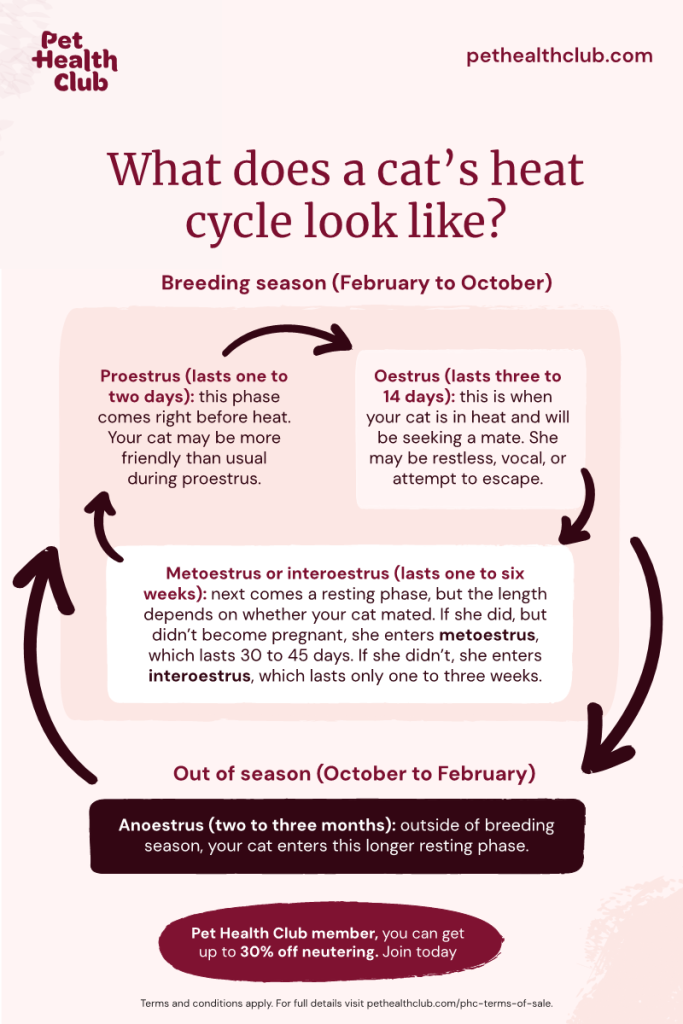
Understanding how heat cycles work in cats is essential for cat owners. Female cats go through a natural reproductive cycle. This cycle is known as the estrous cycle. It is also commonly referred to as being “in heat.” During this time, a cat’s behavior changes. These changes are driven by hormonal shifts. To better understand, let’s delve into the biology and signs of a cat in heat.
Cat Reproductive Biology
Female cats have a unique reproductive system. Unlike humans, they are induced ovulators. This means they release eggs only after mating. The cycle is seasonal, usually from spring to fall. During this period, cats may go into heat every two to three weeks. The cycle stops when they are pregnant or spayed.
Signs Of A Cat In Heat
Recognizing signs of a cat in heat is crucial. Cats in heat exhibit several noticeable behaviors:
- Increased vocalization, often sounding like crying or howling.
- More affectionate behavior, such as rubbing against people or objects.
- Restlessness and attempts to escape outdoors.
- Assuming a mating position, with the tail raised and rear end exposed.
These signs help in identifying if a cat is in heat. Being informed allows cat owners to manage their cat’s behavior effectively. Understanding the cat’s needs during this time is essential.
Credit: www.diamondpet.com
What Spaying Does To A Cat
Understanding what spaying does to a cat helps clear up the confusion about whether spayed cats can go into heat. Spaying isn’t just a routine surgery; it fundamentally changes your cat’s body and behavior. Knowing these changes can help you care better for your feline friend after the procedure.
Surgical Procedure Details
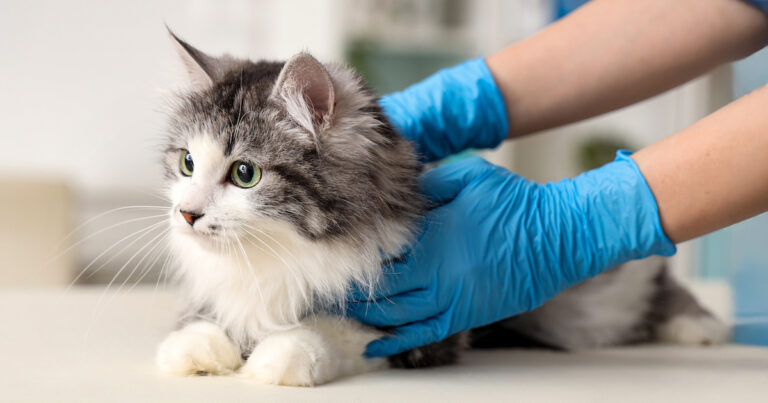
Spaying involves removing the ovaries and usually the uterus of your cat through a small incision. This surgery stops the production of eggs and prevents pregnancy. The procedure is done under general anesthesia and typically takes less than an hour.
Recovery is usually quick, and most cats return to normal activities within a few days. Your vet will give you clear care instructions, including keeping your cat calm and monitoring the incision site. Have you ever noticed how much calmer your cat is after spaying? That’s partly due to the next effect.
Impact On Hormones And Behavior
Removing the ovaries cuts off the source of key reproductive hormones like estrogen and progesterone. Without these hormones, your cat’s heat cycles stop completely. This means she won’t display the typical signs of being in heat, such as yowling, restlessness, or frequent urination.
Behavior changes often include reduced aggression and less desire to roam. Many cat owners notice their pets become more affectionate and less anxious after spaying. Have you considered how much easier managing your cat’s behavior might be once hormonal drives are eliminated?
Common Myths About Spayed Cats And Heat
Many pet owners hear various stories about spayed cats and heat cycles. Some believe spayed cats can still go into heat. Others think any signs of heat mean the spay was not done right. These ideas cause confusion and worry for cat owners. Understanding the facts helps clear up these myths. It also guides proper care for spayed cats.
Spayed Cats Can Still Go Into Heat
Spaying removes the ovaries and usually the uterus. This stops the production of hormones that cause heat cycles. In most cases, spayed cats do not go into heat again. But rare cases exist. Sometimes, a small amount of ovarian tissue remains. This tissue can produce hormones. When that happens, cats may show signs of heat. This is called ovarian remnant syndrome. It is uncommon but possible.
Heat Symptoms After Spaying
Signs of heat include loud meowing, restlessness, and rubbing. Spayed cats usually do not show these behaviors. If these signs appear, other causes should be checked. Some cats act strange due to medical issues or stress. Behavior changes do not always mean heat. A vet can help find the real cause. Proper diagnosis ensures the cat gets the right treatment.

Credit: www.reddit.com
Why Some Spayed Cats Show Heat-like Behavior
Spayed cats usually do not go into heat. Their ovaries and uterus are removed. This stops the production of hormones that cause heat behaviors. Yet, some spayed cats still show signs like they are in heat. This can confuse cat owners. Several reasons explain why this happens. Understanding these causes helps in managing your cat’s health better.
Ovarian Remnant Syndrome
Ovarian Remnant Syndrome happens when some ovarian tissue stays after spaying. This tissue can keep making hormones. These hormones trigger heat behaviors. It is a rare but real condition. Signs include loud meowing, rolling, and raising the hindquarters. A vet can test and confirm this condition. Surgery may be needed to remove leftover tissue.
Hormonal Imbalances
Hormonal imbalances can cause heat-like signs in spayed cats. Sometimes, the adrenal glands produce small amounts of sex hormones. These hormones may cause behaviors like yowling or restlessness. Illness or tumors can also affect hormone levels. Blood tests help find hormonal issues. Treatment depends on the cause and severity.
Behavioral Causes
Some cats act like they are in heat due to behavior, not hormones. Stress, boredom, or changes in the environment can cause this. Cats may seek attention by acting loudly or rubbing on objects. Learned behaviors from before spaying can continue. Providing toys and interaction helps reduce these behaviors. A calm routine supports your cat’s well-being.
When To See A Vet
Spayed cats should not go into heat. If your cat shows signs of heat, it needs attention. These unusual behaviors can signal health issues. Knowing when to see a vet helps protect your cat’s health. Early vet visits can prevent serious problems and provide peace of mind.
Identifying Abnormal Signs
Watch for signs like loud meowing, restlessness, or rubbing against objects. Swollen genitals or frequent urination can also be unusual. If your cat suddenly acts like she is in heat, this is a red flag. Any sudden behavior changes after spaying need a vet check. Do not ignore spotting or discharge from the genital area.
Diagnostic Tests And Treatments
The vet will start with a physical exam. Blood tests and ultrasound may be needed to check hormone levels. Sometimes, ovarian tissue remains after spaying, causing heat signs. This condition is called ovarian remnant syndrome. Surgery may be required to remove leftover tissue. Hormone therapy is another option, depending on the diagnosis. Early treatment can stop symptoms and improve your cat’s comfort.
Preventing Heat-related Issues
Preventing heat-related issues in spayed cats is essential for their health and comfort. Although spaying typically stops cats from going into heat, timing and care play a crucial role in avoiding any complications. Understanding the right approach can help you protect your feline friend from unnecessary stress and health risks.
Choosing The Right Spaying Time
Timing matters when you decide to spay your cat. Many vets recommend spaying before the first heat cycle to reduce risks of certain cancers and infections. However, spaying too early or too late can sometimes cause hormonal imbalances or affect growth.
Think about your cat’s age, breed, and overall health before scheduling the surgery. Ask your vet if your cat’s behavior or physical signs suggest it’s close to heat, as this might influence the ideal timing. Have you noticed your cat becoming restless or vocal? This could be a sign to act quickly.
Post-operative Care Tips
After spaying, your cat needs a calm and clean environment to recover well. Watch for any unusual swelling, discharge, or discomfort around the incision site. These signs could indicate infection or other complications requiring immediate vet attention.
Keep your cat indoors and limit movement for at least 10 days. Use an Elizabethan collar if your cat tries to lick or bite the surgery area. Feeding a balanced diet and providing fresh water supports healing and keeps your cat strong during recovery.
- Check the incision daily but avoid excessive handling.
- Give any prescribed medications on time to prevent infection and pain.
- Keep litter boxes clean to reduce bacteria exposure.
Have you prepared a quiet spot for your cat to rest? This simple step can make a big difference in her healing process.
Credit: www.diamondpet.com
Frequently Asked Questions
Do Spayed Cats Experience Heat Cycles?
No, spayed cats do not go into heat. Spaying removes the ovaries and uterus, stopping hormone production. This prevents heat cycles and pregnancy, making heat behaviors impossible.
Why Do Some Spayed Cats Still Act Like In Heat?
Some spayed cats may show heat-like behaviors due to residual hormones or incomplete spaying. Rarely, ovarian tissue remains and causes symptoms. Consult your vet if unusual heat signs persist after spaying.
Can Spaying Prevent Unwanted Cat Pregnancies?
Yes, spaying is the most effective way to prevent unwanted pregnancies. It permanently stops heat cycles and eliminates the chance of mating. Early spaying helps control the cat population and promotes health.
How Soon After Spaying Do Cats Stop Going Into Heat?
Cats usually stop heat cycles within days or weeks after spaying. Hormone levels drop quickly once the ovaries are removed. Full cessation depends on the cat, but heat signs typically vanish soon after surgery.
Conclusion
Spayed cats do not go into heat like unspayed cats. The surgery removes the organs that cause heat cycles. Sometimes, a cat may show heat signs after surgery. This can happen if some reproductive tissue remains. These cases are rare but possible.
If your cat acts like she is in heat, see a vet. They can check for health issues or leftover tissue. Spaying helps stop heat cycles and prevents unwanted litters. It also supports your cat’s health and comfort. Keep observing your cat’s behavior and ask your vet questions anytime.
