

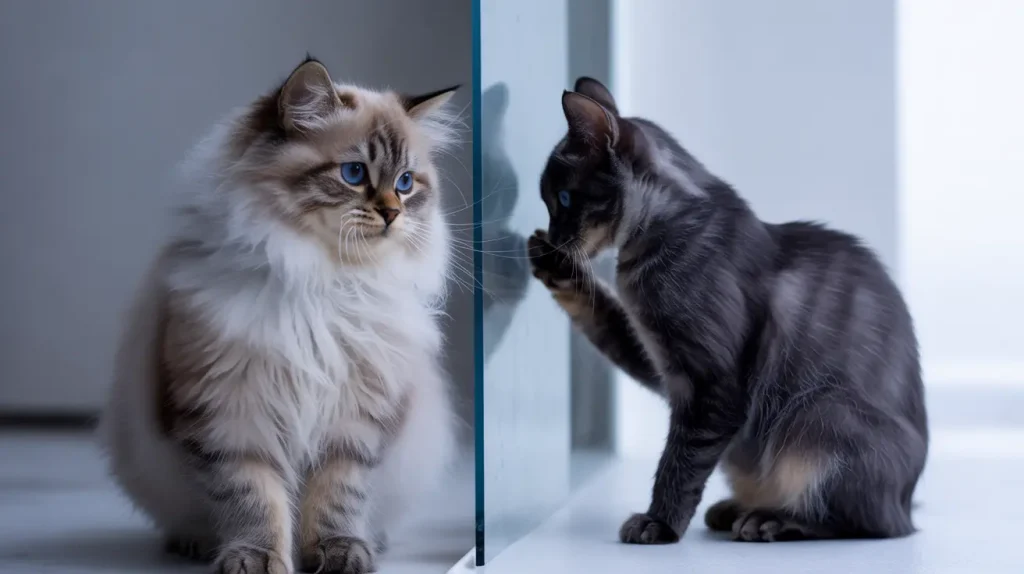
Have you ever wondered if neutered cats still try to mate? If you’re a cat owner or just curious, this question might have crossed your mind.
You want to understand your furry friend’s behavior and what changes after neutering. Knowing the answer can help you care for your cat better and avoid any surprises. You’ll discover what really happens to a cat’s mating instincts after neutering—and why some neutered cats might still act like they want to mate.
Keep reading to learn the facts and clear up the confusion once and for all.
Neutering Basics
Understanding the basics of neutering can help cat owners make informed decisions. Neutering is a common procedure for controlling the cat population and improving pet health. This process involves removing the reproductive organs of cats. It prevents them from producing offspring and reduces certain behaviors.
What Neutering Involves
Neutering involves a simple surgical procedure performed by a veterinarian. For male cats, it involves removing the testicles. For females, it involves removing the ovaries and often the uterus. This surgery is usually quick and safe, with minimal recovery time. Most cats can return home the same day. Post-surgery care includes monitoring the incision site and limiting physical activity. It’s important to follow the vet’s advice for a smooth recovery.
Common Reasons For Neutering
Neutering offers several benefits for both cats and their owners. It helps control the pet population, reducing the number of homeless animals. Neutered cats are less likely to roam, reducing the risk of accidents. It can also decrease aggressive behaviors and territorial marking. Additionally, neutering can prevent certain health issues like cancers. Owners often notice an improvement in their pet’s behavior post-neutering. Overall, it contributes to a longer, healthier life for cats.
Behavior Changes After Neutering
Neutering causes clear changes in a cat’s behavior. These changes affect how cats act around other cats and humans. It mainly impacts their natural urges and instincts. Owners often wonder if neutered cats still show mating behaviors. Understanding these shifts helps explain what to expect after the surgery.
Hormonal Impact On Mating Instincts
Neutering lowers the production of sex hormones like testosterone. These hormones drive mating instincts and territorial actions. Without them, a cat’s desire to seek mates decreases sharply. The urge to roam or fight over mates becomes less common. This hormonal change reduces behaviors linked to mating.
Typical Post-neutering Behavior
After neutering, most cats become calmer and less aggressive. They show less interest in chasing other cats or marking territory. Some cats may still display mild mounting behaviors. This usually happens out of habit or play, not mating intent. Overall, neutered cats tend to be more relaxed and focused on home life.
Can Neutered Cats Still Mate?
Many pet owners wonder about the mating behavior of neutered cats. Can neutered cats still mate? This question often arises after a cat has undergone surgery to remove reproductive organs. Understanding what neutering does and how it affects a cat’s ability to mate helps clear up common myths. Let’s explore the physical changes and behaviors related to neutered cats and mating.
Physical Capability After Neutering
Neutering removes the testicles in male cats and ovaries in females. This surgery stops hormone production that drives mating urges. Physically, neutered cats lose the ability to reproduce. Their bodies no longer produce sperm or eggs.
Even though reproductive organs are removed, some mating motions can still occur. The physical act of mounting is controlled by the nervous system and muscles. These parts remain intact after neutering, so cats may still perform mating behaviors.
Instances Of Mating Attempts
Some neutered cats try to mate due to habit or social signals. They may mount other cats or objects. This behavior is more common in cats neutered after puberty. Hormones can take time to fully leave their system.
Mounting does not lead to pregnancy in neutered cats. It is usually a sign of dominance or play. Sometimes neutered males mount other males or female cats. This is normal and not linked to reproduction.

Credit: www.catcuddles.org.uk
Why Some Neutered Cats Show Mating Behavior
Neutering your cat is often seen as a way to stop mating behavior completely. Yet, some neutered cats still display actions that look like mating. Understanding why this happens can help you better manage your pet’s behavior and expectations.
Residual Hormones
After neutering, hormone levels drop but don’t always disappear instantly. Some cats retain small amounts of hormones that trigger mating behavior for weeks or even months. This hormonal residue can explain why your cat might still act interested in mating despite being neutered.
Think about your cat’s age at neutering. Younger cats might have less hormone buildup, while older cats could show lingering behaviors longer. You might notice your cat mounting toys or even your other pets occasionally during this period.
Learned Or Habitual Actions
Mating behavior is partly instinct and partly learned. If your cat was neutered after developing these habits, it might continue acting on them out of routine. This means your cat could mount or show mating signs simply because it’s familiar and comforting behavior.
You may see your cat repeating these actions during play or stress. It’s similar to how some people keep habits even after the original reason fades. Can you spot when your cat’s behavior is a habit rather than driven by hormones?
Medical Conditions Influencing Behavior
Sometimes, unusual mating behavior can point to health issues. Conditions like urinary tract infections or hormonal imbalances can cause discomfort or confusion, leading to mating-like actions. If your cat’s behavior suddenly changes or seems excessive, a vet checkup is a good idea.
Medical causes are often overlooked because the cat is neutered. Don’t dismiss persistent mounting or rubbing behaviors—they could be your cat’s way of signaling distress or pain. Have you noticed any other signs like frequent licking or restlessness?
Effects Of Neutering On Cat Population Control
Neutering plays a vital role in controlling the cat population. It stops cats from reproducing, which helps manage the number of stray and unwanted cats. This procedure reduces the chances of overpopulation and the problems that come with it. Communities see fewer cats roaming the streets, leading to healthier and safer environments for both animals and people.
Reducing Unwanted Litters
Neutering prevents cats from having litters. Female cats no longer go into heat, and males lose their drive to mate. This means fewer kittens are born accidentally. Many of these kittens might not find homes and could end up living on the streets. By neutering, the cycle of unplanned births slows down, helping to lower the overall cat population over time.
Community Benefits
Fewer stray cats reduce noise and smell problems in neighborhoods. It also lowers the spread of diseases that cats can carry. People feel safer and more comfortable in their surroundings. Animal shelters experience less pressure from overcrowding. Resources can be better used to care for existing pets. Neutering improves the quality of life for cats and humans alike.
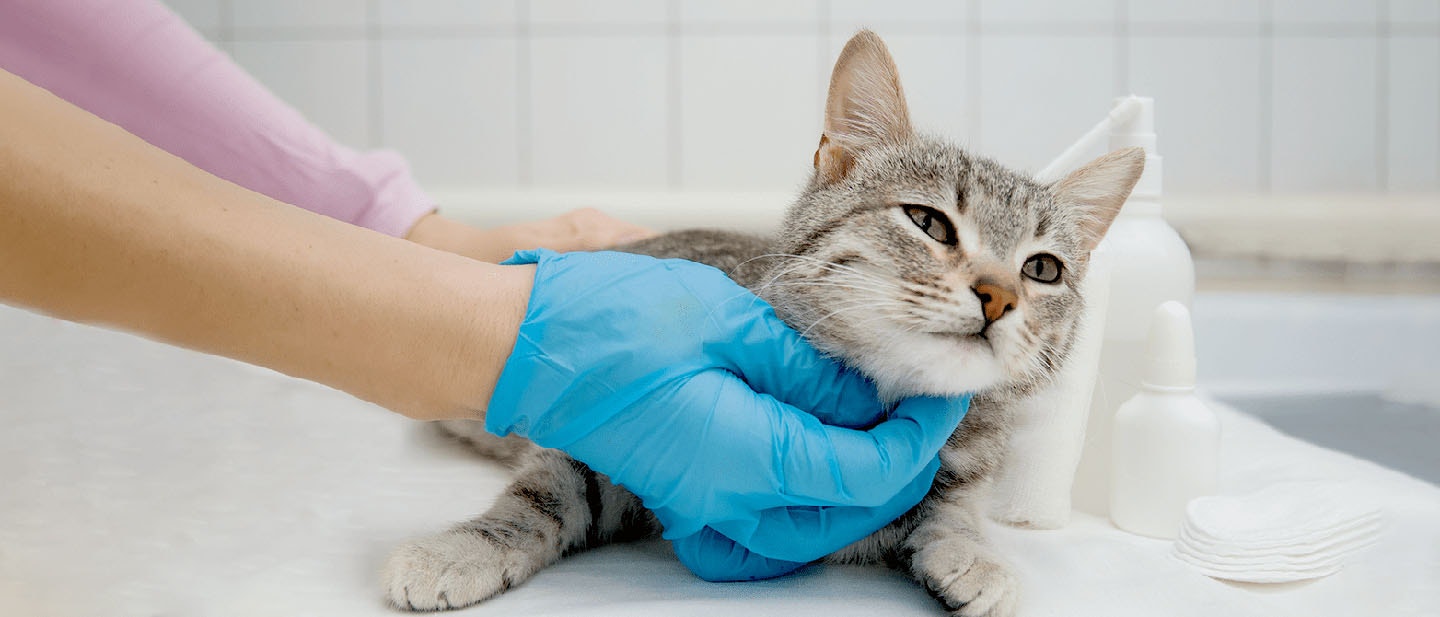
Credit: www.whiskas.com.ph
Addressing Common Myths
Many people have strong opinions about what happens to cats after they are neutered, especially regarding their behavior and mating instincts. These opinions are often based on myths rather than facts. Understanding what neutering truly affects can help you make better choices for your pet and avoid unnecessary worries.
Neutering And Aggression
One common myth is that neutering makes cats aggressive. The truth is quite the opposite. Neutering usually calms cats by reducing hormones that cause territorial fights and aggression.
Think about a cat that used to roam and fight with neighbors. After neutering, many owners notice their cats become more relaxed and affectionate. Of course, some cats may still act grumpy, but this is usually due to personality, not neutering.
Mating Behavior Misconceptions
Some people wonder if neutered cats still try to mate. The answer is no—they lose the drive to seek mates because neutering removes the hormones responsible for this behavior.
However, neutered cats might still show some mating-like behaviors. This can confuse owners but is often just a leftover habit or a form of play, not actual mating intent.
- Neutered male cats won’t spray to attract females like intact males.
- They don’t go into heat or call out for mates.
- Some behaviors like mounting can be signs of dominance or stress, not mating.
Have you noticed your neutered cat acting strangely sometimes? Understanding these nuances can help you respond better without jumping to conclusions about their behavior.
When To Consult A Veterinarian
Neutering usually calms a cat’s mating instincts, but sometimes you might notice behaviors that seem out of the ordinary. Knowing when to reach out to your veterinarian can make a big difference in your cat’s health and happiness. Let’s look at signs that suggest it’s time to get professional advice.
Unusual Post-neutering Behavior
If your neutered cat starts showing persistent mounting, vocalizing excessively, or spraying urine, it could indicate something unusual. These actions might mean your cat is stressed, in pain, or experiencing hormonal imbalances.
Pay attention if these behaviors continue for more than a few weeks after surgery. You might also notice aggression or restlessness that wasn’t there before. Have you seen your cat suddenly acting out or seeming uncomfortable? These could be red flags.
Health Concerns Related To Mating Actions
Sometimes, mating-like behavior after neutering can signal underlying health issues. For example, urinary tract infections or hormonal disorders can cause discomfort that your cat tries to relieve by mounting or other actions.
If your cat is licking the genital area excessively or showing signs of pain, don’t delay a vet visit. Early diagnosis can prevent complications and help your cat feel better faster.
- Watch for swelling or redness around the surgery site.
- Note if your cat has trouble urinating or shows signs of distress.
- Observe any sudden changes in appetite or energy levels.
Remember, your vet can run simple tests and offer treatments that keep your cat healthy and happy. Ignoring these behaviors might lead to bigger problems later. Would you want to wait if your cat was clearly uncomfortable?
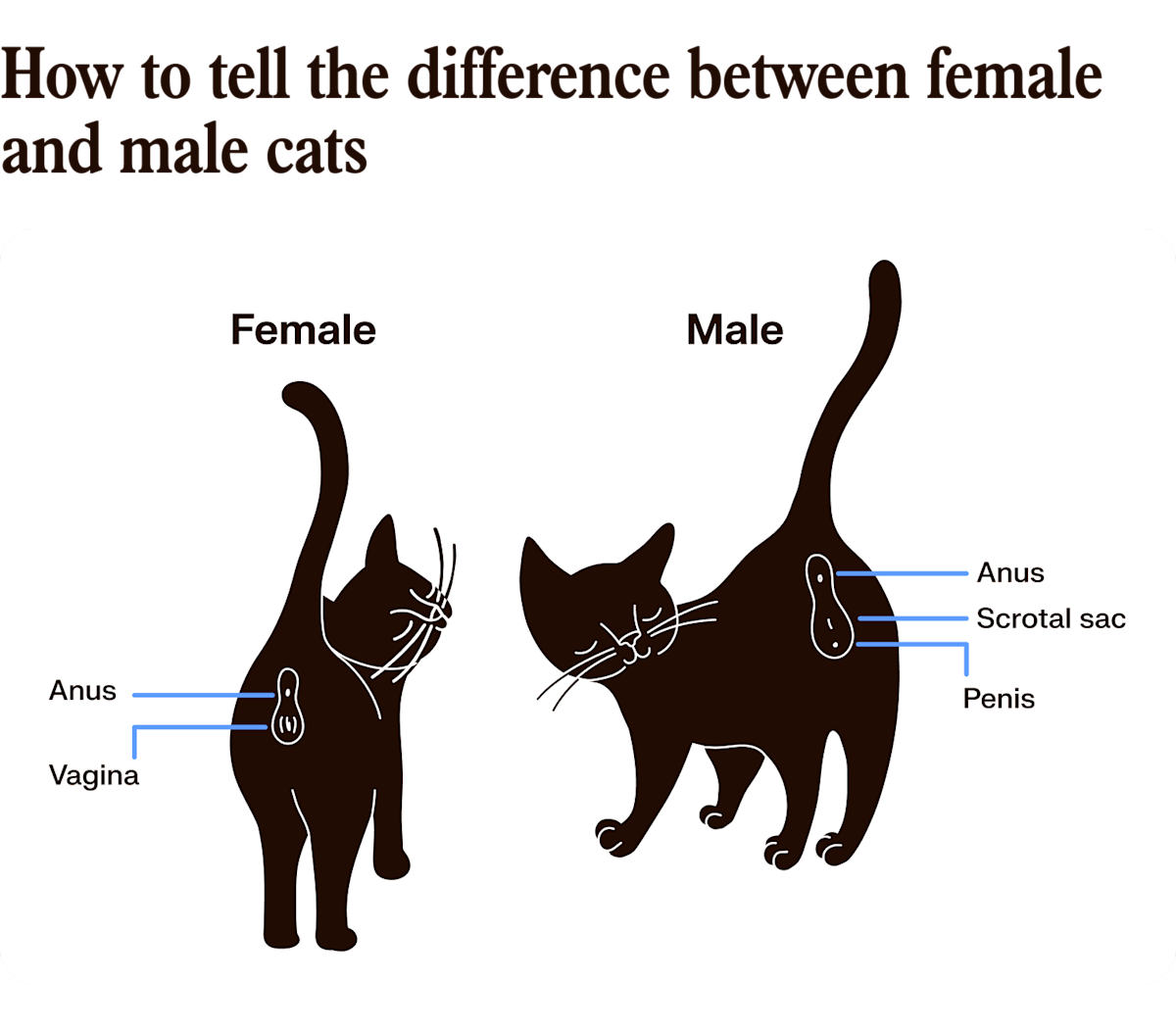
Credit: www.kinship.com
Frequently Asked Questions
Do Neutered Cats Still Try To Mate?
Neutered cats usually lose interest in mating due to reduced hormones. However, some may show mating behaviors due to habit or instinct. These behaviors are non-reproductive and typically decrease over time after neutering.
Can Neutered Cats Impregnate Female Cats?
No, neutered male cats cannot impregnate females. Neutering removes the testicles, stopping sperm production. This prevents any chance of pregnancy, making neutered cats sterile and unable to reproduce.
Why Do Neutered Cats Sometimes Mount Other Cats?
Neutered cats may mount due to dominance, play, or stress, not mating. This behavior is common and unrelated to reproduction. It usually decreases as the cat adjusts after neutering.
How Soon After Neutering Do Cats Stop Mating Behavior?
Mating behaviors often reduce within weeks after neutering. Hormone levels drop quickly, leading to less sexual drive. Complete behavior changes may take a few months depending on the cat.
Conclusion
Neutered cats usually do not mate or show mating behaviors. Neutering lowers their drive and stops most reproductive actions. Some cats may still act like they want to mate, but this is rare. These actions are often just habits or play.
Neutering helps control pet populations and reduces unwanted litters. It also makes cats calmer and healthier. Understanding this helps pet owners care for their cats better. Neutering remains the best choice to prevent mating and promote well-being.
