


Have you ever noticed your cat suddenly missing a whisker and wondered if it will grow back? Whiskers are more than just cute features—they’re vital tools that help your cat navigate the world.
If you’re curious about whether your furry friend’s whiskers can regrow after falling out or getting damaged, you’re in the right place. Understanding this can help you take better care of your cat and ease any worries you might have.
Keep reading to discover the surprising truth about your cat’s whiskers and how they affect your pet’s daily life.
Cat Whisker Basics
Have you ever watched a cat gracefully maneuver through a tight space and wondered how they manage it? It all comes down to those fascinating whiskers. Whiskers are more than just cute features on a feline face; they serve a vital role in a cat’s daily life. Let’s dive into the essential aspects of cat whiskers and uncover their secrets.
Types Of Whiskers
Cats have different types of whiskers, each with its unique purpose. The most noticeable are the ones on their face, known as the mystacial whiskers. These are the longest and most prominent.
Additionally, cats have whiskers above their eyes, on their chins, and even on the back of their front legs. Each type plays a specific role in a cat’s sensory world.
Whisker Functions
Whiskers act as highly sensitive touch receptors. They help cats detect changes in their environment, such as the slightest movement or alteration in airflow.
This sensory input is crucial for activities like hunting and navigating in the dark. Imagine being able to sense your surroundings without even seeing them – that’s the magic whiskers provide to cats.
Whiskers also help cats gauge whether they can fit through a space. If you’ve ever seen a cat hesitate before entering a tight spot, they are likely using their whiskers to measure the width.
Have you noticed how your cat’s whiskers twitch when they’re curious or excited? It’s their way of gathering more information about an intriguing object or situation.
Understanding these basics can give you a deeper appreciation of your feline friend’s remarkable abilities. Next time you see your cat’s whiskers twitching, remember they’re not just for show – they’re an essential tool for survival and curiosity.

Credit: us.feliway.com
Whisker Growth Cycle
Understanding the whisker growth cycle is essential if you’ve ever wondered whether cats regrow their whiskers after losing them. Whiskers aren’t just ordinary hairs; they serve critical sensory functions for your feline friend. Knowing how they grow and how long the process takes can help you care better for your cat and spot any potential problems early.
How Whiskers Grow
Whiskers develop from follicles embedded deep in your cat’s skin. These follicles are connected to nerves, which is why whiskers are so sensitive to touch and vibrations.
Just like regular hair, whiskers grow in cycles. When a whisker falls out naturally or gets damaged, a new one starts growing from the same follicle. This regrowth process is your cat’s way of maintaining its sensory toolkit.
Have you noticed your cat grooming around its face more when it loses whiskers? This instinctive behavior helps stimulate the follicles to encourage new whisker growth.
Growth Duration
The time it takes for a whisker to fully regrow varies but generally spans several weeks to a few months. The exact duration depends on factors like your cat’s age, health, and nutrition.
Young cats usually experience faster whisker regrowth compared to older cats. Also, a balanced diet rich in proteins and vitamins supports quicker recovery.
If you see a whisker missing for longer than three months, it might be worth consulting your vet. There could be underlying issues such as skin infections or nutritional deficiencies affecting the growth cycle.
Can Cats Regrow Whiskers?
Whiskers are an important part of a cat’s body. They help cats sense their environment and stay balanced. Many cat owners wonder if whiskers can grow back after they fall out or get damaged. The answer is yes, cats can regrow their whiskers, but several factors affect this process. Understanding these factors helps in caring for your cat properly.
Factors Affecting Regrowth
Whisker regrowth depends on the cat’s health and environment. If a cat is healthy, whiskers usually grow back within a few weeks. Poor nutrition or illness can slow down this process. Stress and injuries to the whisker roots may also affect regrowth.
The cat’s age plays a role too. Younger cats tend to regrow whiskers faster than older cats. Regular grooming and avoiding damage to whiskers can support quicker regrowth. Avoid pulling or trimming whiskers, as this can harm the follicle and delay new growth.
Common Myths
- Whiskers are just like regular hair – false. They are special sensory tools.
- Cats lose whiskers often – false. Whiskers fall out occasionally but not in large numbers.
- Cutting whiskers improves a cat’s appearance – false. It can confuse and stress the cat.
- Whiskers never grow back – false. They do regrow, but it takes time and care.
Understanding the truth helps keep cats safe and comfortable. Avoid harming whiskers to support their natural regrowth.
When Whiskers Don’t Regrow
Whiskers are important sensory tools for cats. They help cats sense their surroundings and stay balanced. Usually, whiskers grow back if they fall out or get cut. But sometimes, whiskers may not regrow. This happens due to certain health problems or injuries. Understanding these causes can help you care better for your cat.
Health Issues
Some health problems affect whisker regrowth. Skin infections can harm the hair follicles where whiskers grow. Allergies may cause inflammation that stops whiskers from growing back. Nutritional deficiencies can also weaken hair growth. Cats lacking essential vitamins and minerals might lose whiskers permanently.
Certain illnesses, like thyroid problems, impact hair growth too. Stress and poor overall health can delay or stop whisker regrowth. If your cat shows unusual whisker loss, a vet check is important. Early diagnosis helps treat underlying issues effectively.
Injuries And Damage
Whiskers grow from special follicles under the skin. Serious injuries to the face can damage these follicles. Deep cuts, burns, or scars may prevent whiskers from growing again. Constant rubbing or scratching can also harm whiskers and skin.
Some cats experience permanent whisker loss after surgery or trauma. Protecting your cat’s face from injuries is essential. Avoid trimming whiskers, as this can confuse and stress your cat. Handle your cat gently to prevent accidental harm to whiskers.
Caring For Cat Whiskers
Cat whiskers are more than just cute features—they are essential tools your feline uses to navigate the world. Caring for these sensitive hairs means paying attention to their health and comfort. You might not realize it, but simple daily habits can protect your cat’s whiskers and keep them functioning properly.
Avoiding Whisker Stress
Have you noticed your cat pulling back from food bowls or acting hesitant near tight spaces? This could be due to whisker stress, which happens when whiskers touch surfaces too often or get bent. To prevent this, choose wide, shallow food and water dishes that don’t crowd the whiskers.
Limit your cat’s exposure to narrow areas where whiskers might get squished. Watch how your cat reacts when you pet their face—if they pull away, you might be accidentally touching their whiskers. Respecting your cat’s whisker space helps avoid discomfort and anxiety.
Proper Grooming Tips
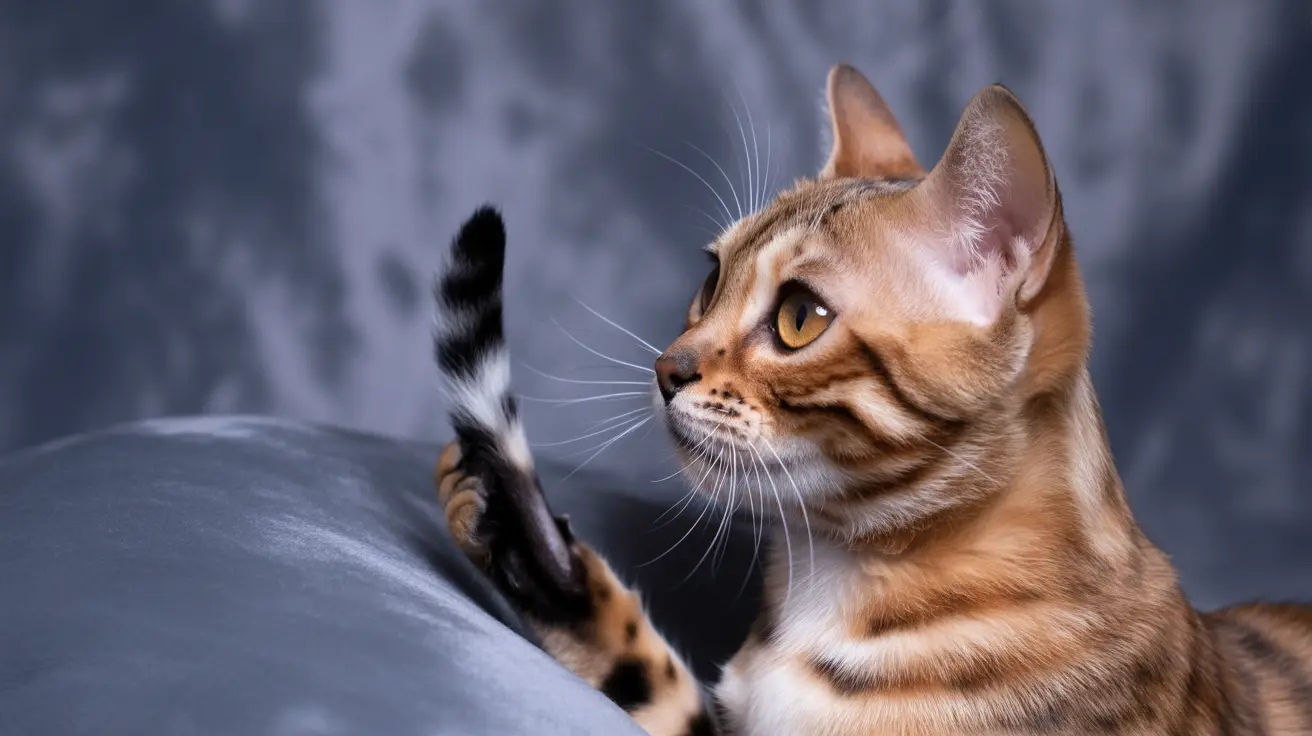
Grooming your cat should include gentle care for their whiskers. Avoid trimming or cutting whiskers, as they don’t just grow back instantly and can affect your cat’s balance and sensing abilities. Instead, focus on keeping their face clean and free from debris.
Use a soft brush around your cat’s face, brushing in the direction of whisker growth to avoid damage. If your cat has long whiskers, check regularly for any signs of breakage or unusual loss. Healthy whiskers mean a happier, more confident cat exploring their environment.
Credit: www.petscare.com
Whiskers And Cat Behavior
Cat whiskers are more than just facial hair. They play a crucial role in a cat’s daily life and behavior. Whiskers help cats sense their surroundings and communicate with other animals. Understanding whisker function helps explain why they are so important to cats.
Whisker Sensitivity
Whiskers are highly sensitive touch organs. They detect tiny changes in air currents and vibrations. This sensitivity lets cats sense nearby objects without seeing them. Whiskers send signals to the brain, helping cats react quickly.
Each whisker is connected to a nerve at its base. This connection makes whiskers very responsive. Cats use this to judge space and distance carefully. Losing whiskers can confuse a cat and affect its mood.
Impact On Navigation
Whiskers guide cats in moving through tight spaces. They measure gaps and detect obstacles in the dark. Cats rely on whiskers to avoid bumping into things.
Whiskers also help cats judge if they can fit through openings. They act like a natural measuring tool. This is why cats often hesitate before passing through narrow spots.
Without whiskers, cats may feel less confident navigating their environment. Whisker loss can cause disorientation and stress. This shows how whiskers impact a cat’s behavior deeply.

Credit: us.feliway.com
Frequently Asked Questions
Do Cats Regrow Whiskers After They Fall Out?
Yes, cats can regrow whiskers naturally. Whiskers are specialized hairs that grow back if lost or damaged. It may take several weeks for full regrowth. Healthy cats typically replace whiskers regularly as part of their natural cycle.
How Long Does It Take For Cat Whiskers To Regrow?
Cat whiskers usually take 4 to 8 weeks to regrow fully. Growth speed depends on the cat’s health and age. Proper nutrition and care can support faster regrowth of whiskers in cats.
Can Missing Whiskers Affect A Cat’s Behavior?
Yes, missing whiskers can affect a cat’s spatial awareness and balance. Whiskers help cats navigate and sense their environment. Temporary whisker loss may cause cautious or hesitant behavior until they regrow.
Should I Trim Or Cut My Cat’s Whiskers?
No, you should never trim or cut your cat’s whiskers. Whiskers are essential sensory tools for cats. Cutting them can cause disorientation, stress, and affect their ability to navigate safely.
Conclusion
Cats can regrow their whiskers after they fall out or get damaged. These special hairs grow back naturally over time. Whiskers help cats sense their surroundings and stay balanced. Keep an eye on your cat’s whiskers for any changes or injuries.
Healthy whiskers mean a happy, confident cat. Remember, gentle care supports their natural regrowth. Watch your cat enjoy exploring safely with their new whiskers. Simple steps keep your cat comfortable and curious every day.
