

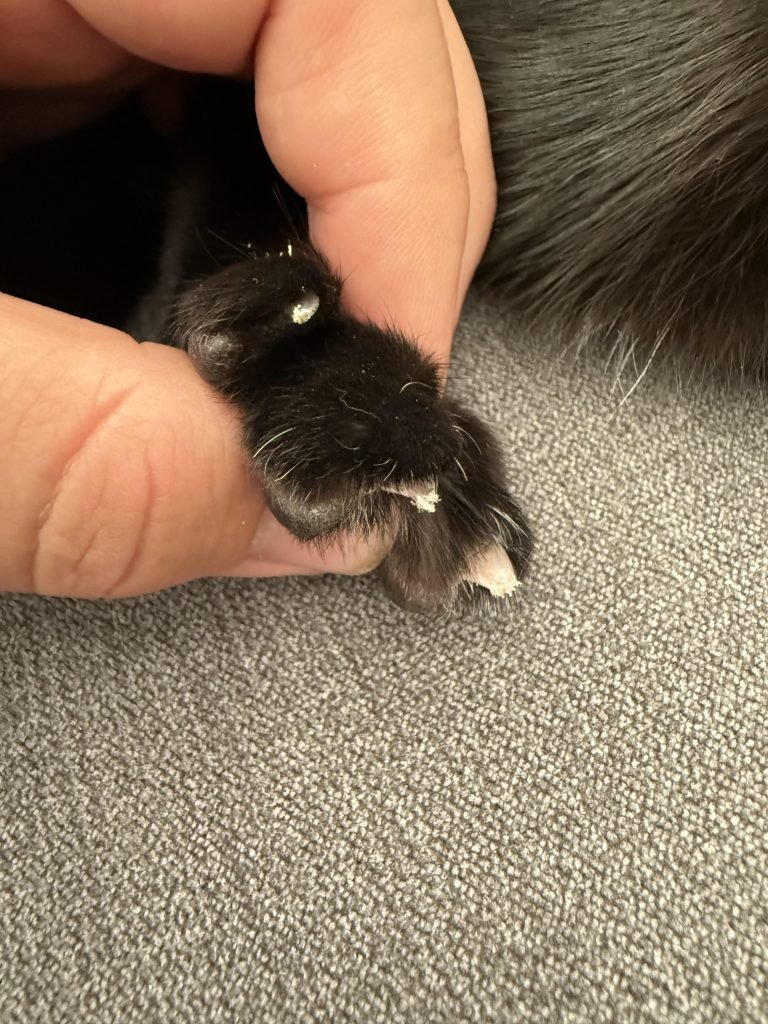
Have you ever noticed tiny claw tips around your home and wondered, “Do cats shed claws?” It’s a question that might surprise you. If you’re a cat owner, understanding how your furry friend’s claws work can help you keep both your pet and your space safe and clean.
You’ll discover the truth about cats and their claws—what really happens when they scratch, how their claws grow, and what you should watch out for. Keep reading to uncover the facts that every cat lover needs to know.

Credit: www.reddit.com
Cat Claw Basics
Cats are fascinating creatures with unique features. Their claws are among the most interesting parts. Understanding cat claws can help you care for your pet better. Let’s explore the basics of cat claws.
Structure Of Cat Claws
Cat claws are not like human nails. They are sharp and curved. Claws are made of keratin, a tough protein. This gives them strength and durability. Each claw has multiple layers. The outer layer can wear down or shed over time.
Inside the claw is a sensitive area called the quick. It contains nerves and blood vessels. This part is crucial for claw health. Cats can retract their claws, hiding them when not in use. This keeps the claws sharp and ready.
How Claws Grow
Claws grow continuously throughout a cat’s life. They grow from the base, pushing older layers out. This is why cats scratch surfaces. Scratching helps remove the old, worn layers. It also keeps claws sharp and healthy.
Cats need regular opportunities to scratch. Providing scratching posts can save your furniture. Regular trimming can also help manage claw length. This prevents them from becoming too long or causing injury.
Shedding Claws Myth
The idea that cats shed their claws like they shed fur is a common myth. Many cat owners wonder if those tiny, sharp claws fall off naturally over time. Understanding the truth behind this can help you better care for your feline friend’s paws and claws.
Do Cats Shed Their Claws?
Cats do not shed their claws like hair or skin flakes. Instead, their claws grow continuously and naturally shed the outer layers in thin, transparent sheaths. You might notice these clear claw covers around your home, but the actual claw itself remains firmly attached.
This process is similar to how snakes shed their skin in pieces rather than all at once. If you see bits of claw sheaths, it means your cat is healthy and their claws are renewing as they should.
Common Misconceptions
Many people think cats lose whole claws, especially if they find claw-shaped objects on the floor. However, what they find is usually the old claw sheath, not the claw itself. Cats rely heavily on their claws for balance, climbing, and hunting, so losing a claw is rare and usually due to injury.
Another misconception is that scratching furniture causes cats to shed claws. Scratching helps remove the outer claw sheath, keeping claws sharp and healthy. Instead of damaging claws, scratching is an essential grooming behavior for cats.
Have you ever found those thin, curved pieces on the floor and wondered if your cat is losing claws? Now you know they are just old sheaths. Paying attention to your cat’s claw health can prevent issues, so consider regular nail trims or visits to the vet if you notice anything unusual.
Claw Shedding Process
Understanding the claw shedding process can help you better care for your cat’s paws. Cats don’t shed their claws all at once, but rather through a natural renewal cycle. This process keeps their claws sharp and healthy, ensuring they stay effective for climbing, hunting, and scratching.
Natural Claw Renewal
Cats’ claws grow in layers, much like your fingernails. As the outer layer becomes old and dull, it naturally peels away, revealing a fresh, sharper claw underneath. This shedding happens gradually and can occur every few weeks.
You might notice tiny claw tips or flakes around your cat’s scratching posts or furniture. These are signs that the outer claw layer is coming off. The process is painless, so your cat won’t show discomfort unless there’s an injury or infection.
Signs Of Claw Shedding
Watch for small, white claw sheaths near your cat’s favorite scratching spots or bedding. Your cat may also scratch more frequently during this time to help remove the old claw layers. If you gently touch your cat’s claws, you might feel a slightly loose outer layer ready to peel off.
Be cautious if you see redness, swelling, or your cat seems bothered by claw issues. These symptoms could mean a problem beyond natural shedding, like an infection or injury. Have you checked your cat’s claws recently to spot these subtle signs?

Credit: www.reddit.com
Why Claw Shedding Happens
Understanding why cats shed their claws can clear up many misconceptions. Cats don’t just lose claws randomly; it’s a natural and necessary process linked to their health and environment. Knowing the reasons behind claw shedding helps you care better for your feline friend.
Health And Grooming
Your cat’s claws grow continuously, similar to their fur and nails. Shedding old claw layers is a way to keep them sharp and healthy. If you’ve noticed your cat scratching furniture or your carpet, it’s not just play—it’s grooming in action.
Shedding old claw sheaths removes dirt and dead cells, which prevents infections. A healthy cat will regularly shed claw layers without you even noticing. But if your cat seems to struggle or shows signs of pain, it could mean a health issue.
Claw Damage And Repair
Claws can get damaged from everyday activities like climbing or scratching hard surfaces. When claws chip or crack, shedding the outer sheath allows fresh, strong claws to emerge. This natural repair system keeps your cat’s claws functional and ready for hunting or climbing.
Have you ever seen a claw stuck or bleeding? That’s a sign the shedding process didn’t go smoothly. Regular checks and gentle nail trims can help prevent serious damage. Your cat relies on these sharp tools, so maintaining claw health is essential.
Caring For Cat Claws
Caring for your cat’s claws is an essential part of keeping them healthy and happy. Claws help cats with balance, hunting instincts, and self-defense, so regular care ensures they function properly without causing harm to your furniture or themselves. Understanding how to trim and maintain your cat’s claws can make a big difference in their comfort and your peace of mind.
Trimming Tips
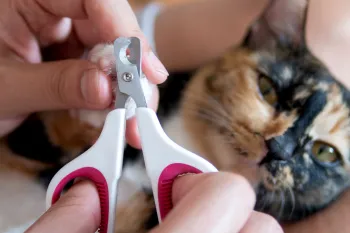
Trimming your cat’s claws might sound intimidating, but it doesn’t have to be stressful for either of you. Use a pair of sharp, cat-specific nail clippers and find a quiet, well-lit space where your cat feels relaxed.
Look for the pink area inside the claw, called the quick, and avoid cutting into it to prevent pain and bleeding. If your cat is squirmy, try trimming one or two claws at a time and offer treats to create a positive association.
Preventing Claw Problems
Regular scratching is natural and healthy for cats, but it can lead to problems if your cat’s claws become too long or damaged. Provide scratching posts made of different materials like sisal or cardboard to satisfy their need to scratch and keep claws in good shape.
Watch for signs of claw infections or ingrown nails, such as limping or excessive licking. If you notice any unusual behavior, a quick vet visit can prevent more serious issues down the road.
Credit: www.humaneworld.org
When To See A Vet
Knowing when to take your cat to the vet for claw issues can make a big difference in their comfort and health. Claws usually shed naturally and without problems, but certain signs mean it’s time to get professional help. Paying close attention to changes in your cat’s claws can prevent serious complications.
Abnormal Claw Changes
If you notice your cat’s claws looking unusually thick, brittle, or discolored, don’t ignore it. These changes might indicate underlying health problems like fungal infections or even cancer. Has your cat suddenly started losing claws or do they seem painful when touched? These are clear signals to see a vet promptly.
Also watch for claws that grow too fast or in strange directions. This can cause discomfort and affect your cat’s ability to walk or climb. A vet can assess whether trimming or medical treatment is needed to avoid long-term damage.
Infections And Injuries
Infections around the claw or paw often cause swelling, redness, or pus. Your cat might lick or bite the area excessively, which can worsen the problem. If you spot any wounds near the claws or notice your cat limping, it’s important to schedule a vet visit quickly.
Injuries like torn claws or broken nails can be very painful and sometimes require stitches or antibiotics. You might think a minor injury will heal on its own, but vets can provide pain relief and prevent infections. Have you ever seen your cat suddenly become withdrawn or stop using a favorite scratching post? Pain from claw injuries could be why.
Frequently Asked Questions
Do Cats Naturally Shed Their Claws?
Cats do not shed claws like hair. Instead, they shed the outer sheath of their claws regularly. This process helps keep their claws sharp and healthy.
How Often Do Cats Shed Claw Sheaths?
Cats typically shed claw sheaths every few weeks. This natural process occurs during claw growth and helps remove old, dead layers.
Can Shedding Claws Harm My Cat?
Shedding claw sheaths is a normal, harmless process for cats. It does not cause pain or discomfort and is part of their healthy claw maintenance.
Why Do I Find Claw Sheaths Around The House?
Claw sheaths often fall off during scratching or grooming. Finding them around your home is normal and shows your cat’s claws are healthy.
Conclusion
Cats do not shed their claws like they shed fur. Instead, their claws grow continuously and get sharper naturally. Cats often scratch surfaces to remove old, outer layers of their claws. This keeps their claws healthy and ready for climbing or hunting.
Understanding this helps you care better for your cat’s paws. Watching your cat scratch is normal and healthy behavior. Keep their claws trimmed to avoid damage to furniture or skin. Healthy claws mean a happy cat. Simple care makes a big difference.
