

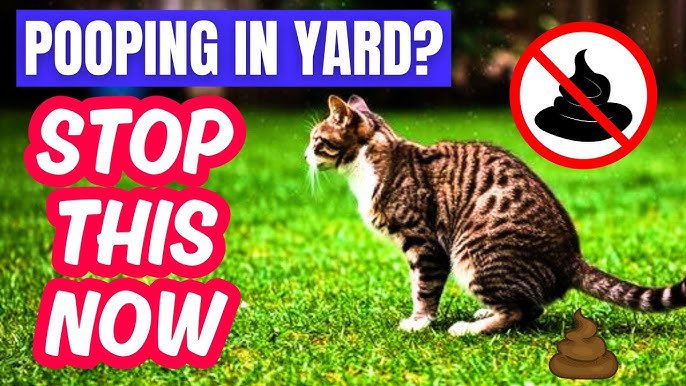
Are you tired of finding unwanted cat poop scattered all over your yard? It’s frustrating, unhygienic, and can even ruin your garden’s beauty.
You want to enjoy your outdoor space without worrying about cleaning up after stray cats. The good news is, there are simple and effective ways you can stop cats from turning your yard into their personal litter box. Keep reading to discover easy tips you can start using today to protect your yard and keep it clean and inviting.

Credit: www.yahoo.com
Reasons Cats Choose Your Yard
Cats often choose yards with soft soil and quiet spots for their bathroom needs. Keeping your yard clean and using natural deterrents can help stop cats from pooping there. Creating an uninviting environment discourages them from returning.
Cats often choose specific yards for their bathroom needs. Understanding why can help you keep them away. Below are several reasons your yard might be attracting these furry visitors.Attractive Yard Features
Cats are drawn to yards with soft soil or sand. These surfaces make it easy for them to dig and bury their waste. Gardens with mulch or flower beds are particularly inviting. Water features, like fountains or ponds, can also attract cats. They might come for a drink or to hunt insects and birds.Lack Of Natural Deterrents
Yards without deterrents make cats feel safe. Tall grass or untrimmed bushes give them places to hide. They feel protected from predators and humans. Yards without strong scents like citrus or vinegar are more inviting. Cats dislike these smells and avoid areas where they are present.Nearby Cat Populations
If there are many cats in your neighborhood, your yard might be a popular spot. Stray or feral cats need places to roam and rest. Your yard might offer them a safe haven. Nearby shelters or feeding stations can increase cat traffic. These attract cats and make your yard part of their territory.
Credit: uk.news.yahoo.com
Natural Deterrents To Try
Natural deterrents offer a safe and eco-friendly way to keep cats from pooping in your yard. These options use scents and textures cats dislike, making your garden less inviting. They are gentle for the environment and easy to apply around plants and pathways.
Planting Cat-repellent Herbs
Certain herbs have smells that cats avoid. Planting these around your yard can help keep cats away naturally. Some popular choices include:
- Rue
- Lavender
- Pennyroyal
- Rosemary
These herbs also add beauty and fragrance to your garden while protecting it.
Using Citrus Peels
Cats dislike the strong scent of citrus fruits. Scatter orange, lemon, or lime peels across the areas cats visit. Replace the peels every few days to keep the smell fresh. This method is simple and uses kitchen waste, making it cost-effective.
Applying Coffee Grounds
Used coffee grounds can deter cats due to their bitter smell. Spread dry coffee grounds thinly over soil or garden beds. Avoid piling them up, as too much can harm plants. Coffee grounds also improve soil quality, making this method useful and natural.
Physical Barriers To Protect Your Yard
Physical barriers provide a strong line of defense against cats pooping in your yard. These barriers stop cats from entering areas where you do not want them. They create a clear boundary that cats find hard to cross. Using physical barriers is a safe and humane way to protect your garden and lawn.
Installing Fencing
Fencing keeps cats out by blocking their access completely. Choose a fence tall enough to prevent cats from jumping over. Solid panels work better than chain links because cats can slip through gaps. Adding a small overhang or angled top makes climbing difficult for cats. Make sure the fence reaches the ground to stop cats from digging underneath.
Using Chicken Wire Or Mesh
Chicken wire or mesh is useful for protecting specific garden spots. Lay it flat on the soil or place it around plants. Cats dislike walking on the wire because it feels uncomfortable under their paws. Use stakes to secure the wire tightly to the ground. This method works well for vegetable patches or flower beds.
Creating Gravel Or Mulch Zones
Cats avoid walking on rough or loose surfaces like gravel or mulch. Create zones in your yard covered with these materials. Spread sharp or coarse gravel near areas cats frequent. Mulch made of pine cones or wood chips also deters cats. These materials make the ground unpleasant for cats to dig or use as a toilet.

Credit: uk.style.yahoo.com
Repellent Sprays And Solutions
Repellent sprays and solutions offer a direct approach to keep cats from pooping in your yard. These products create scents or sensations that cats find unpleasant, encouraging them to stay away without causing harm. Whether you choose commercial options or homemade sprays, understanding how to use them safely and effectively is key.
Commercial Repellents
Commercial repellents come in various forms like sprays, granules, and ultrasonic devices. Many contain natural ingredients such as citrus, lavender, or eucalyptus oils, which cats dislike. You can find these products online or at pet stores, often labeled specifically for deterring cats.
One user shared that spraying a commercial repellent around garden beds stopped neighborhood cats from visiting overnight. However, these sprays need to be reapplied after rain or watering to keep their effectiveness. Have you noticed how some scents seem to work better than others in your experience?
Homemade Spray Options
If you prefer a DIY solution, several homemade sprays can repel cats. A popular recipe mixes water with vinegar or citrus juice, both known for their strong smell. Adding a few drops of essential oils like peppermint or citronella can boost the spray’s power.
Spraying these solutions around your plants or yard edges can send cats a clear message: this space is off-limits. Remember, homemade sprays are inexpensive and let you customize the scent strength. Have you tried any homemade repellents that surprised you with their effectiveness?
Safe Use Guidelines
Using repellent sprays safely protects both your yard and the cats you want to deter. Always test sprays on a small patch of plants to ensure they don’t cause damage. Avoid using harsh chemicals that can harm pets, wildlife, or your garden’s ecosystem.
Apply sprays during dry weather to maximize their longevity and effectiveness. Reapply regularly, especially after rain, but never overuse to prevent buildup or irritation. How do you balance keeping your yard cat-free while respecting neighborhood animals?
Behavioral Approaches
Stopping cats from pooping in your yard can be tricky, but behavioral approaches offer practical ways to discourage them without harm. These methods focus on changing the environment or triggering natural reactions in cats, making your yard less appealing to them.
Motion-activated Devices
Motion-activated devices work by surprising cats when they enter your yard. These devices might spray water or emit a sudden noise that startles cats, encouraging them to avoid your space in the future.
Many homeowners have found success with motion-activated sprinklers. One neighbor shared how a simple sprinkler system kept neighborhood cats away within a week. Have you considered how a sudden splash might reset a cat’s behavior?
Ultrasonic Repellents
Ultrasonic repellents emit high-frequency sounds that cats find uncomfortable but humans can’t hear. These devices activate when movement is detected, creating an invisible barrier.
Using ultrasonic repellents is easy and non-intrusive. Some users report reduced cat visits within days. Could this silent signal be the key to protecting your garden?
Regular Yard Maintenance
Keeping your yard clean and well-maintained plays a huge role in deterring cats. Removing piles of leaves, covering bare soil, and cleaning up any cat feces promptly reduces the attraction.
Adding mulch or planting dense ground cover can also discourage cats from digging. One gardener noticed fewer cat visits after replacing loose soil with stone mulch. What small changes can you make today to send a clear message to wandering cats?
Alternatives For Cats
Finding alternatives for cats to do their business can save your yard from unwanted mess. Cats are creatures of habit and often prefer soft, sandy areas to dig and poop. Offering them a dedicated spot can redirect their behavior and keep your garden clean.
Setting Up A Designated Litter Area
Create a small, quiet space in your yard just for cats. Use a shallow box or an open patch filled with loose soil or sand. This spot should be away from your main garden beds but still accessible for the cats you want to encourage.
Make sure the area is easy to clean and maintain. Cats like privacy, so adding some plants or small barriers around the litter spot can make it more inviting. Have you noticed how a calm, hidden place attracts cats more than open spaces?
Providing Sand Or Soil Patches
Instead of a box, you can simply leave patches of soft sand or soil exposed in your yard. Cats are drawn to these textures because they mimic natural digging spots. Refresh the sand or loosen the soil regularly to keep it appealing.
Try placing these patches near the designated litter area to guide cats there naturally. You might be surprised how quickly cats adapt to new spots if the surface feels right. Could a simple patch of sand be the solution you’ve been missing?
Encouraging Use With Treats Or Toys
To help cats adopt the new area, place some treats or toys nearby. This creates a positive association with the spot and encourages repeated visits. You can scatter a few treats or leave a favorite toy to make the place feel safe and fun.
Observe how cats respond and adjust the setup based on their behavior. Sometimes, a little encouragement is all they need to choose the right spot. What small changes could you make today to turn your yard into a cat-friendly zone?
When To Seek Professional Help
Sometimes, no matter how many deterrents you try, cats keep coming back to your yard. That’s when it’s time to think about professional help. Knowing when to reach out can save you time, stress, and protect your outdoor space effectively.
Persistent Cat Issues
If you’ve tried sprays, barriers, and natural repellents without success, persistent cat issues may require expert intervention. Repeated visits by the same cats could mean they see your yard as a safe or convenient spot. Ignoring this can lead to ongoing damage and hygiene problems.
When the problem feels overwhelming, or if you notice aggressive behavior from the cats, it’s smart to get professional advice. Experts can identify patterns you might miss and suggest stronger, yet humane, solutions tailored to your situation.
Animal Control Options
Animal control services can be a valuable resource if you’re dealing with stray or feral cats. These organizations often offer humane trapping and relocation programs, which can reduce the local cat population over time. They might also provide guidance on local laws regarding animal control.
Before contacting animal control, gather clear information about the issue: how often cats appear, what times of day, and any visible markings or collars. This helps them assess the situation accurately and respond appropriately. Remember, animal control aims to balance public safety with animal welfare.
Community Cooperation
Sometimes, the solution involves working with your neighbors. Cats don’t respect property lines, so your yard might be part of a larger pattern affecting the whole neighborhood. Talking with others can lead to shared strategies and a more effective approach.
Consider forming a neighborhood group to address the cat problem collectively. Pooling resources can help fund professional services or community cat management programs. Have you reached out to your neighbors about this issue yet? Their input might surprise you.
Frequently Asked Questions
How Can I Stop Cats From Pooping In My Yard?
Use natural repellents like citrus peels or coffee grounds. Install motion-activated sprinklers to scare cats away. Keep your yard clean and cover soil with mulch or stones to deter digging.
What Plants Repel Cats From Gardens Effectively?
Plants like lavender, rosemary, and rue repel cats due to their strong scents. Planting these around your yard can help keep cats away naturally without harming them.
Are Commercial Cat Repellents Safe For My Garden?
Yes, most commercial repellents are safe when used as directed. Choose non-toxic, pet-friendly options to protect your plants and keep cats away without causing harm.
Can Fences Prevent Cats From Entering My Yard?
Yes, installing a tall fence with a smooth surface can discourage cats. Adding a cat-proof barrier or mesh on top improves effectiveness in keeping cats out.
Conclusion
Keeping cats from pooping in your yard takes patience and care. Use simple barriers or natural repellents to protect your garden. Clean up any waste quickly to avoid attracting more cats. Try planting herbs like lavender to discourage them. Consistency matters most; repeat methods often for best results.
Your yard can stay clean and fresh with these steps. Small changes make a big difference over time. Enjoy your outdoor space without worry or mess.
