

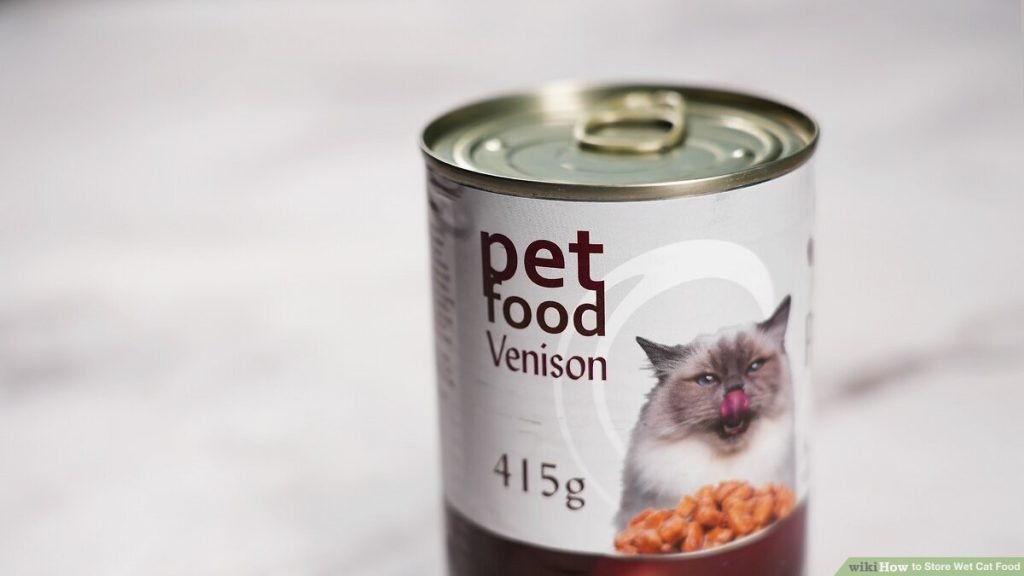
If you’re a cat owner, you’ve probably wondered what to do with leftover wet cat food once you open the can. Should you refrigerate it right away?
Or is it safe to leave it out for a while? Getting this wrong could mean wasting food or, worse, risking your cat’s health. You’ll discover the simple steps to keep your cat’s wet food fresh and safe. Keep reading to make sure you’re giving your furry friend the best care possible.
Why Refrigeration Matters
Understanding why refrigeration matters for wet cat food is essential for every pet owner. Proper storage ensures your cat’s food remains safe and nutritious. Let’s explore the reasons refrigeration is crucial after opening wet cat food.
Bacterial Growth Risks
Once opened, wet cat food is exposed to air. This exposure allows bacteria to grow rapidly. Refrigeration slows down bacterial growth, keeping the food safe for your cat. Unrefrigerated food may cause health issues for your pet.
Nutrient Preservation
Wet cat food contains essential nutrients for your cat’s health. These nutrients can degrade if the food is left out. Refrigeration helps maintain the nutritional value, ensuring your cat gets the best diet possible.
Odor Control
Wet cat food can produce strong odors. These odors intensify if the food is not refrigerated. Keeping the food cold helps control and reduce unpleasant smells in your home. Refrigeration also keeps the food fresh for longer periods.

Credit: www.wikihow.com
Shelf Life Of Opened Wet Cat Food
Understanding the shelf life of opened wet cat food is essential to keep your feline friend safe and satisfied. Once opened, wet cat food is exposed to air and bacteria, which can shorten its freshness. Knowing how long it stays good after opening helps you avoid feeding spoiled food that might upset your cat’s stomach.
Typical Refrigeration Duration
Opened wet cat food should generally be refrigerated and used within 3 to 5 days. This time frame keeps the food fresh and reduces the risk of bacterial growth. If you notice the food has been left out at room temperature for more than two hours, it’s safer to discard it rather than refrigerate it.
Signs Of Spoilage
Watch out for changes in smell, texture, and appearance. A sour or rancid odor is a clear sign the food has gone bad. If the texture becomes slimy or the color looks unusual, it’s best not to feed it to your cat.
You might also see mold or notice your cat refusing to eat the food, which can be a subtle hint that something’s wrong. Trust your senses and don’t take chances with questionable leftovers.
Factors Affecting Freshness
- Storage temperature:Keeping the food consistently refrigerated below 40°F (4°C) slows spoilage.
- Type of packaging:Cans sealed tightly or resealable pouches help preserve freshness better than open containers.
- Handling habits:Using clean utensils and avoiding direct contact with your hands can prevent contamination.
Have you ever noticed your cat turning away from wet food that’s been in the fridge for a few days? Their behavior can be a good indicator of freshness. Paying attention to these factors helps you serve your cat safe and tasty meals every time.
Proper Storage Techniques
Proper storage of wet cat food after opening is essential to keep it fresh and safe for your pet. Without the right techniques, the food can spoil quickly, leading to waste and potential health risks for your cat. Understanding how to store it correctly will save you money and keep your furry friend happy.
Using Airtight Containers
Once you open a can or pouch of wet cat food, transferring the leftovers into an airtight container is a smart move. This prevents air from getting in, which slows down spoilage and keeps the food moist and tasty for longer.
Glass or BPA-free plastic containers with tight-fitting lids work best. Avoid using the original can for storage, as it can expose the food to metal tastes and contamination.
Temperature Recommendations
Storing wet cat food at the right temperature is crucial. Ideally, keep it in the refrigerator at or below 40°F (4°C). This temperature slows bacterial growth and preserves freshness.
Have you ever noticed a sour smell when feeding your cat? That’s a sign the food wasn’t stored properly or kept too long. Try to use the leftovers within 24 to 48 hours for the best quality and safety.
Avoiding Cross-contamination
Cross-contamination can happen easily if you’re not careful. Use clean utensils each time you serve your cat to prevent germs from spreading into the container.
Also, avoid placing the container near raw meats or strong-smelling foods in your fridge. Keeping your cat’s food separate helps maintain its taste and reduces the risk of contamination.
Alternatives To Refrigeration
Sometimes refrigeration isn’t an option, especially when you’re traveling or during power outages. But that doesn’t mean your cat’s wet food has to go to waste. There are practical ways to keep it fresh without a fridge, so your furry friend still gets a tasty and safe meal.
Short-term Room Temperature Storage
If you plan to feed your cat within a few hours, leaving wet food at room temperature can work. However, the key is not to leave it out for too long—generally no more than 4 hours.
Keep the food covered with a clean lid or wrap to protect it from dust and insects. This simple step helps maintain the food’s freshness while avoiding contamination.
Using Ice Packs Or Coolers
Ice packs or small coolers are lifesavers when refrigeration isn’t available. Placing the opened wet food container next to ice packs keeps the temperature low enough to slow bacterial growth.
This method is especially useful during outdoor activities or trips. Have you tried using a cooler for your cat’s food? It’s a great way to ensure the meal stays appetizing and safe.
Feeding Smaller Portions
One of the easiest ways to avoid waste and spoilage is by offering smaller portions more frequently. Instead of opening a large can or pouch, try dividing the food into single servings.
This approach reduces the time food sits out and lowers the risk of bacteria developing. Plus, it can help you monitor your cat’s eating habits better and avoid overfeeding.
Health Risks From Improper Storage
Improper storage of wet cat food can lead to serious health risks. Leaving opened food out without refrigeration allows bacteria to grow fast. This growth can cause foodborne illness in cats. Proper storage protects your cat’s health and prevents sickness.
Foodborne Illness In Cats
Bacteria like Salmonella and Listeria thrive in wet cat food left unrefrigerated. These bacteria cause infections in cats. Symptoms range from mild upset stomach to severe illness. Food left at room temperature is a breeding ground for harmful germs.
Symptoms To Watch For
- Vomiting
- Diarrhea
- Loss of appetite
- Lethargy or weakness
- Fever
Notice these signs after feeding your cat improperly stored food. Early detection helps prevent serious health issues.
When To Consult A Vet
Contact a vet if your cat shows any symptoms after eating wet food. Severe vomiting or diarrhea needs immediate attention. Dehydration and weakness can become life-threatening quickly. A vet can provide the right treatment to help your cat recover.

Credit: www.wikihow.com
Tips For Feeding Wet Cat Food Safely
Feeding wet cat food safely helps keep your cat healthy and happy. Proper care reduces the risk of bacteria growth and spoilage. Follow these simple tips to ensure your cat’s meals stay fresh and tasty.
Cleaning Bowls Regularly
Clean your cat’s bowls after every meal. Use warm water and mild soap. Rinse thoroughly to remove all soap residue. Dirty bowls can harbor bacteria that cause illness. Regular cleaning keeps your cat’s food safe and appealing.
Monitoring Food Temperature
Serve wet food at room temperature. Cold food can be unappetizing for cats. Avoid leaving food out for more than two hours. Refrigerate any uneaten portions promptly. Warm food slightly before serving if needed, but never microwave directly.
Maintaining Feeding Schedule
Stick to a consistent feeding routine. Offer wet food at the same times daily. This helps your cat develop good eating habits. Remove leftover food before the next meal. A regular schedule prevents food spoilage and overeating.

Credit: www.wikihow.com
Frequently Asked Questions
Does Wet Cat Food Require Refrigeration After Opening?
Yes, wet cat food must be refrigerated after opening. Refrigeration slows bacterial growth and keeps the food fresh. Always store leftovers in an airtight container to maintain quality and prevent spoilage.
How Long Can Opened Wet Cat Food Stay Unrefrigerated?
Opened wet cat food should not stay unrefrigerated for more than two hours. Beyond this, bacteria can multiply quickly, risking your cat’s health. Always refrigerate leftovers promptly to ensure safety.
Can I Leave Wet Cat Food Out Overnight?
No, leaving wet cat food out overnight is unsafe. Bacteria grow rapidly at room temperature and can cause illness. Always refrigerate opened cans immediately after feeding your cat.
What Is The Best Way To Store Opened Wet Cat Food?
Store opened wet cat food in an airtight container in the refrigerator. This helps preserve freshness and prevents contamination. Avoid leaving it in the original can to reduce oxidation and spoilage.
Conclusion
Wet cat food should be stored in the fridge after opening. This keeps the food fresh and safe for your cat. Leaving it out can cause bacteria to grow quickly. Always seal the container tightly before refrigerating. Use the food within a couple of days to ensure quality.
Proper storage helps protect your cat’s health. Remember, a little care goes a long way for your pet’s well-being. Keep your cat happy and healthy with simple steps like these.
