

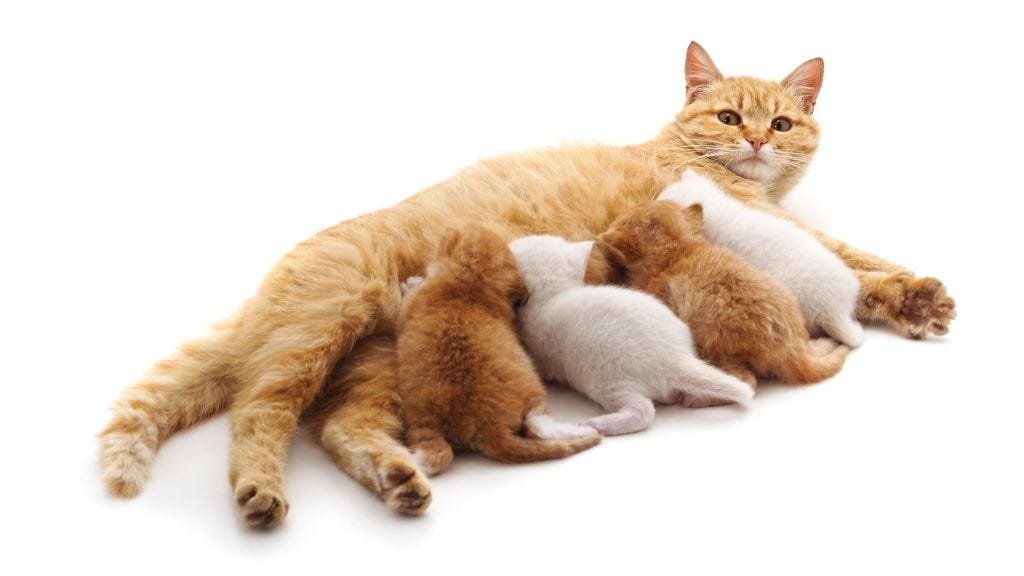
Have you ever wondered if cats really eat their babies? It’s a question that might make you feel uneasy, especially if you love cats or have seen a mother cat caring for her kittens.
You might be surprised to learn the truth behind this behavior and what it means for your furry friend. Understanding why this happens can help you feel more confident about your cat’s health and safety. Keep reading to discover the real reasons behind this surprising behavior and what you can do to protect your cats.
Credit: www.pethealthclub.com
Cat Maternal Instincts
Some cats may eat their babies, usually due to stress or illness. This behavior is rare and often linked to survival instincts. Understanding a cat’s environment helps reduce such occurrences.
Cats are often admired for their mysterious and independent nature. Yet, beneath their aloof demeanor lies a profound sense of maternal instinct. Understanding these instincts can help us better appreciate the complexities of feline motherhood and the protective behaviors cats exhibit towards their kittens.Nature Of Cat Motherhood
The maternal instincts of cats are remarkable. A mother cat, or queen, is highly protective of her young. She ensures their safety by selecting a secluded, quiet place to give birth, often away from human interference. This behavior is rooted in the wild where a hidden den reduces the risk of predators. After birth, a queen’s focus is on her kittens. She relies on her keen senses to detect any threats. Even the slightest movement or unfamiliar scent can trigger her protective instincts. Have you ever noticed a mother cat moving her kittens to a new location? This often happens if she senses danger or discomfort in the current spot.Behavior After Birth
In the days following birth, a mother cat dedicates her time to her newborns. She keeps them warm and nourished, ensuring they receive the essential nutrients from her milk. A queen’s grooming habit is not just about cleanliness. It also stimulates circulation and digestion in her kittens. But what if a kitten doesn’t thrive? In some cases, a mother cat may reject or even harm a weak or sickly kitten. This behavior, though unsettling to us, is a natural instinct to focus resources on the survival of the strongest offspring. Have you ever wondered why a mother cat growls or becomes aggressive when approached after giving birth? This is her way of safeguarding her vulnerable young. Observing these behaviors can deepen your understanding of feline instincts and the intricate balance of nature.Reasons Behind Eating Kittens
Cats eating their kittens is a rare and disturbing behavior. Understanding why this happens helps reduce the chances. Several key reasons can trigger a mother cat to eat her babies. These reasons often relate to survival and instinct.
Health Issues In Kittens
Sometimes kittens are born weak or sick. The mother cat may sense their poor health. Eating unhealthy kittens helps her save energy for stronger babies. It also prevents the spread of disease to the rest of the litter.
Stress And Environmental Factors
Stress plays a big role in this behavior. Loud noises, too many people, or unsafe surroundings can upset a mother cat. She may react by eating her kittens to protect them or herself. A calm and safe environment lowers this risk.
Lack Of Maternal Experience
First-time mother cats often struggle to care for their kittens. They may not know how to nurture or clean them properly. Confusion or fear can lead to eating the babies. Experienced mother cats usually do not show this behavior.
Frequency Of This Behavior
Cats eating their babies is a rare and disturbing behavior. Understanding how often this happens helps owners know what to expect. The frequency varies between domestic and wild cats. Stress, health, and environment all play roles. Most cat mothers do not harm their kittens.
Commonality In Domestic Cats
Domestic cats rarely eat their babies. It usually happens only under extreme stress. Lack of food or illness can trigger this behavior. Sometimes, a mother cat may eat a weak or stillborn kitten. This is nature’s way to save resources for healthier kittens. Most pet cats raise their litters without issues.
Wild Vs. Domestic Cat Behavior
Wild cats show this behavior more often than house cats. Survival is harder in the wild. Mothers may eat kittens to protect the rest or hide them from predators. In the wild, eating a weak kitten can help the mother regain strength. Domestic cats have fewer threats and more food. This lowers the chance of such behavior.

Credit: www.reddit.com
Signs To Watch For
Observing signs in a mother cat and her kittens helps understand their wellbeing. Certain behaviors may hint at distress or unusual situations. These signs can guide you in offering timely care.
Mother Cat’s Behavior Changes
- Sudden aggression toward kittens
- Ignoring or avoiding her babies
- Excessive restlessness or pacing
- Frequent vocalizing or growling
- Refusing to eat or drink
- Over-grooming or neglecting kittens
Such changes often show stress, illness, or discomfort. Watch closely to act quickly if needed.
Kitten Health Indicators
- Weak or constant crying
- Poor weight gain or shrinking
- Cold or limp bodies
- Visible injuries or wounds
- Unusual quietness or stillness
- Difficulty breathing or feeding
Healthy kittens are active and warm. Early signs of trouble require prompt attention.
Preventive Measures
Preventing a mother cat from eating her babies often starts with understanding her needs and environment. Stress, poor nutrition, or unsafe surroundings can trigger this behavior. You can take clear steps to minimize these risks and support your cat through her maternal phase.
Creating A Safe Environment
Your cat needs a quiet, warm, and secure place to care for her kittens. Avoid loud noises and frequent disturbances near her nesting area. Make sure the space is free from other pets that may cause stress.
Think about how you feel when you’re constantly interrupted during a critical task. Would you stay calm? Probably not. Your cat feels the same way. Providing privacy helps her focus on nurturing her babies.
Ensuring Proper Nutrition
Good nutrition plays a big role in preventing this behavior. A mother cat requires extra calories and nutrients while nursing. Offer high-quality kitten food rich in protein and essential vitamins.
Have you noticed how your energy dips when you skip meals? Cats experience this too. Insufficient food can make a mother cat anxious or weak, increasing the chance of her harming her kittens.
Reducing Stress For The Mother Cat
Stress is a major trigger for a mother cat eating her babies. Keep visitors to a minimum and avoid sudden changes in her routine. Familiar scents and gentle handling can comfort her.
Consider your own stress levels—do you react better when you feel in control? Your cat needs the same sense of calm and stability. Small efforts to reduce her anxiety can make a big difference.

Credit: www.shutterstock.com
When To Seek Veterinary Help
Knowing when to seek veterinary help is crucial for the health of both mother cats and their kittens. Some behaviors, including eating their babies, might signal stress, illness, or other problems. Early intervention can prevent serious issues and improve outcomes for the entire family.
Identifying Health Problems
Watch for signs of illness in the mother cat and her kittens. These signs include:
- Loss of appetite or refusal to nurse
- Unusual aggression or lethargy
- Visible injuries or infections
- Kittens that are weak, crying constantly, or not gaining weight
- Discharge or swelling around the mother’s nipples
These symptoms may indicate infections, pain, or other health issues. Acting fast can save lives.
Professional Support For New Mothers
Veterinarians offer vital care and guidance to new mother cats. They can:
- Check for physical problems causing stress or aggression
- Provide treatment for infections or injuries
- Offer advice on kitten care and nutrition
- Help manage behavioral issues to reduce harm to kittens
Timely veterinary support ensures a safer environment for mother and babies. Trust experts to help when unusual behavior appears.
Frequently Asked Questions
Do Cats Really Eat Their Babies Sometimes?
Yes, cats sometimes eat their kittens, mainly if they sense illness or weakness. It’s an instinct to protect the rest of the litter.
Why Do Mother Cats Eat Some Of Their Kittens?
Mother cats may eat kittens if they are stillborn or sick. This behavior keeps the den clean and reduces predator attraction.
Can Stress Cause Cats To Eat Their Babies?
Yes, stress or anxiety can make a mother cat eat her kittens. A calm, safe environment reduces this risk significantly.
How To Prevent A Cat From Eating Her Kittens?
Ensure a quiet, comfortable space for the mother cat. Minimize disturbances and provide proper nutrition to prevent this behavior.
Conclusion
Cats eating their babies is rare but can happen. Stress, illness, or lack of food may cause this behavior. Most mother cats care well for their kittens. Understanding why it happens helps you keep cats safe. Always provide a calm and healthy space for mother cats.
Watch for signs of trouble and seek help if needed. Caring owners make a big difference in kitten survival. This knowledge helps you support your pets better every day.
