

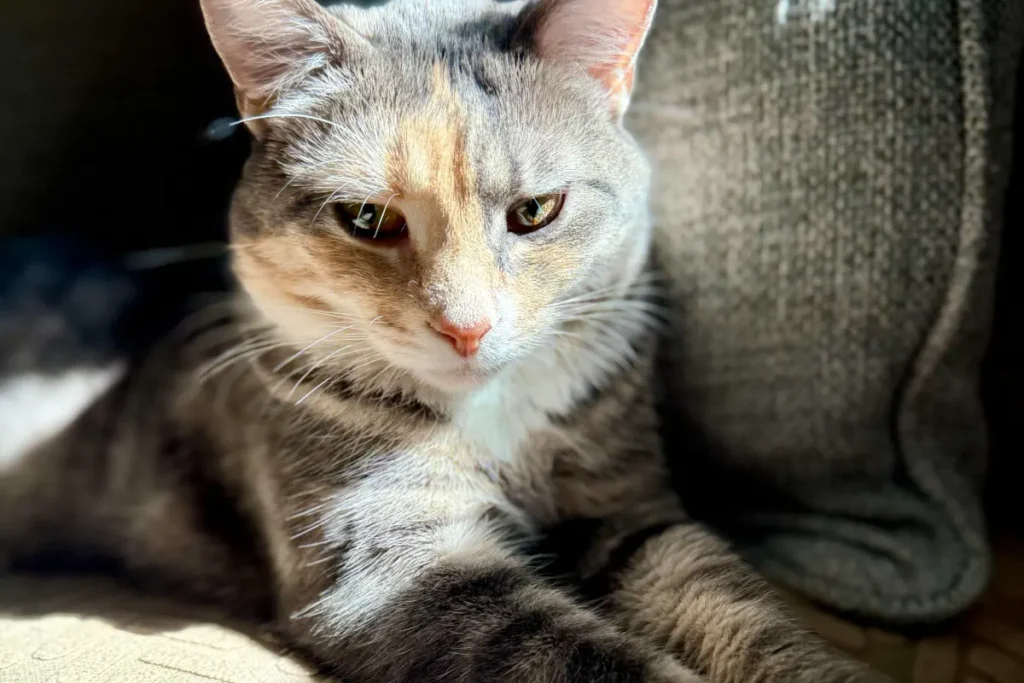
Have you ever felt down and noticed your cat suddenly sitting close, purring softly, or staring right into your eyes? It’s almost like they understand your feelings.
But do cats really know when you are sad? If you’ve ever wondered whether your furry friend can sense your emotions, you’re not alone. You’ll discover surprising insights about how cats connect with you on an emotional level—and why their behavior might mean more than you think.
Keep reading to find out what your cat is really trying to tell you when you’re feeling low.

Credit: petcube.com
Cats And Human Emotions
Cats often sense changes in your mood through body language and tone. They may come close or stay near when you feel sad, showing comfort. Many cat owners believe their pets respond to emotions with quiet companionship.
Cats and Human Emotions Cats have a unique ability to connect with human emotions. While they might not understand the complexities of your feelings, they often react in ways that suggest they sense your mood. Many cat owners have stories of their feline friends offering comfort during tough times, but how exactly do they tune into your emotional state?How Cats Sense Feelings
Cats are keen observers. They spend a lot of time watching and learning about their environment, including you. They pick up subtle changes in your behavior and energy, which can signal shifts in your mood. Their acute senses allow them to detect changes in your scent and even your tone of voice. These changes can alert them to your emotional state, prompting them to respond in their own way.Body Language And Vocal Cues
Your cat closely watches your body language and listens to your vocal cues. If you slump on the couch with a sigh, they might come over to nuzzle against you. The tone and pitch of your voice provide additional clues. A soft and gentle voice might invite them for a cuddle, while a sharp tone could make them keep their distance. Have you ever noticed your cat purring next to you when you’re feeling down? This behavior isn’t just comforting for you; it’s a sign that your cat senses your need for support. Why do you think they choose these moments to be close? Perhaps they know more about your emotions than you might expect.Scientific Insights On Cat Empathy
Cats have long been thought to sense human emotions. Science now explores if cats truly respond to sadness. Researchers study how cats behave around people showing different feelings. This research helps us understand cat empathy better.
Scientists observe cats’ actions and body language carefully. They look for signs that cats notice and react to human moods. The findings are surprising and show cats may be more aware than we think.
Studies On Cat Behavior
Several studies track how cats act near sad or stressed humans. Cats often approach quietly and stay close. They may purr or nuzzle more during these times. These behaviors suggest cats recognize changes in mood.
One study measured cats’ heart rates and stress levels. Cats showed lower stress when near calm humans. This hints cats can feel emotional shifts and adjust their behavior.
Scientists also note cats mirror human emotions subtly. For example, cats may become calmer if their owner is calm. This shows some level of emotional connection.
Comparing Cats And Dogs
Dogs are famous for sensing human feelings quickly. They often show clear signs of empathy, like licking or cuddling. Cats act differently but still show caring signs.
Cats tend to be quieter and more subtle in their responses. They may choose to stay close without much noise. This makes their empathy less obvious but still present.
Research finds dogs respond more to vocal cues. Cats respond more to body language and scent changes. Each animal uses different ways to understand human emotions.
Understanding these differences helps cat owners appreciate their pets more. Cats have their own unique ways to comfort and connect.
Signs Cats Show When You Are Sad
Cats may not speak our language, but they are surprisingly good at picking up on our emotions. When you feel sad, your feline friend might react in subtle yet meaningful ways. Recognizing these signs can deepen your bond and even bring comfort during tough moments.
Increased Attention And Affection
You might notice your cat suddenly becoming more attentive when you’re down. They may follow you from room to room or sit closer than usual. This extra attention isn’t random; your cat senses a change in your mood and wants to be near you.
One day, after feeling upset, I found my cat gently nudging my hand and purring loudly. It was as if she was saying, “I’m here for you.” Have you ever experienced your cat sticking around more when you’re feeling low?
Comforting Actions
Cats often use physical touch as a way to comfort you. They might rest their head on your lap, knead your blanket, or softly paw at your arm. These actions are their way of offering support and trying to soothe your sadness.
Sometimes, a cat’s quiet presence can be more healing than words. When you feel overwhelmed, your cat curling up beside you can bring a surprising sense of calm. Have you noticed your cat comforting you without any prompting?
Why Cats Respond To Sadness
Have you ever noticed your cat curling up beside you when you’re feeling down? Cats often respond to human sadness in ways that suggest they sense more than just your mood. Understanding why cats react to your emotional state can deepen your connection with them and reveal surprising insights about their behavior.
Bonding And Social Connection
Cats form strong bonds with their owners through daily interactions and shared routines. When you’re sad, your cat may pick up on subtle changes in your behavior, like slower movements or softer voice tones. These cues signal to your cat that you need comfort, prompting them to stay close and offer companionship.
Think about the last time you felt upset—did your cat sit quietly next to you or gently nudge your hand? This behavior isn’t random. Cats often seek to maintain social harmony and reassurance within their “family,” which includes you. They respond to sadness by providing warmth and presence, reinforcing your emotional bond.
Survival And Instincts
At first glance, comforting a sad human might seem unrelated to a cat’s survival. However, cats are keen observers of their environment and rely on instinct to interpret signals. Your emotional state can affect your actions, which in turn impacts their safety and well-being.
For example, a stressed or sad owner may move less or emit different scents. Cats instinctively react to these changes to protect themselves and their social group. By staying near you during tough times, they ensure their own security through the stability of their environment.
Have you noticed how your cat’s behavior shifts along with your mood? This instinctual response shows that cats are not just passive companions but active participants in your emotional life.
How To Help Your Cat Support You
Helping your cat support you during sad times strengthens your bond. Cats sense emotions and respond best in a calm setting. Creating a peaceful space and encouraging gentle play can comfort both of you. Here are ways to help your cat be your friend in low moments.
Creating A Calming Environment
Make your home quiet and cozy for your cat. Soft lighting and a warm bed offer comfort. Avoid loud noises and sudden movements that may scare your cat. Use calming scents like lavender or chamomile safely around your cat. Keep their favorite toys and blankets nearby. A relaxed space helps your cat feel safe and more likely to offer comfort.
Encouraging Positive Interaction
Spend quiet time with your cat to build trust. Gently pet or brush them to show love. Play simple games that your cat enjoys. Use soft voices and slow movements to avoid stress. Reward your cat with treats for calm behavior. These actions invite your cat to be close and supportive when you feel sad.

Credit: weareallaboutcats.com
Common Myths About Cats And Emotions
Cats have a mysterious way of behaving that often leads to many myths. People believe cats understand human emotions deeply. Some say cats know when you are sad and try to comfort you. Others think cats only care about themselves. These ideas come from how cats act, but not all are true. Understanding the myths helps us see cats more clearly.
Misinterpretations Of Cat Behavior
Cats show feelings differently than humans. Sometimes, a cat sitting near you means it wants warmth, not sympathy. Purring is often seen as a sign of happiness. Yet, cats also purr when scared or sick. When a cat stares at you, it might be curious, not sensing sadness. Tail movements and ear positions can confuse people. Many times, we give human emotions to actions that are just normal cat behavior.
Separating Fact From Fiction
Cats have good senses and notice changes around them. They may respond to your tone of voice or body language. But this is different from understanding sadness like a person. Studies show cats react more to routine changes than feelings. They can offer comfort by being close, but not because they truly know you are sad. Knowing these facts helps us respect cats as unique creatures, not tiny humans.

Credit: www.petscare.com
Frequently Asked Questions
Do Cats Sense When Their Owners Are Sad?
Yes, cats can sense sadness through changes in your voice, body language, and scent. They often respond with comforting behaviors.
How Do Cats Show They Notice Your Emotions?
Cats may purr, nuzzle, or stay close when they detect emotional changes. These actions help them bond and provide comfort.
Can Cats Help Improve Your Mood When Sad?
Interacting with cats can reduce stress and increase happiness. Their presence often provides emotional support and companionship during tough times.
Why Do Cats React Differently To Sadness?
Cats’ reactions vary based on personality and past experiences. Some may become more affectionate, while others might keep a distance.
Conclusion
Cats often sense when you feel sad. They may come close or purr softly. This shows they care in their own way. Pets provide comfort without words. Their presence can help ease sadness. Paying attention to your cat’s behavior builds a stronger bond.
Trust their quiet support during tough times. Cats truly understand feelings more than we think. They offer silent, gentle comfort that warms the heart. Keep loving and caring for your furry friend. They notice your moods and respond with love.
