

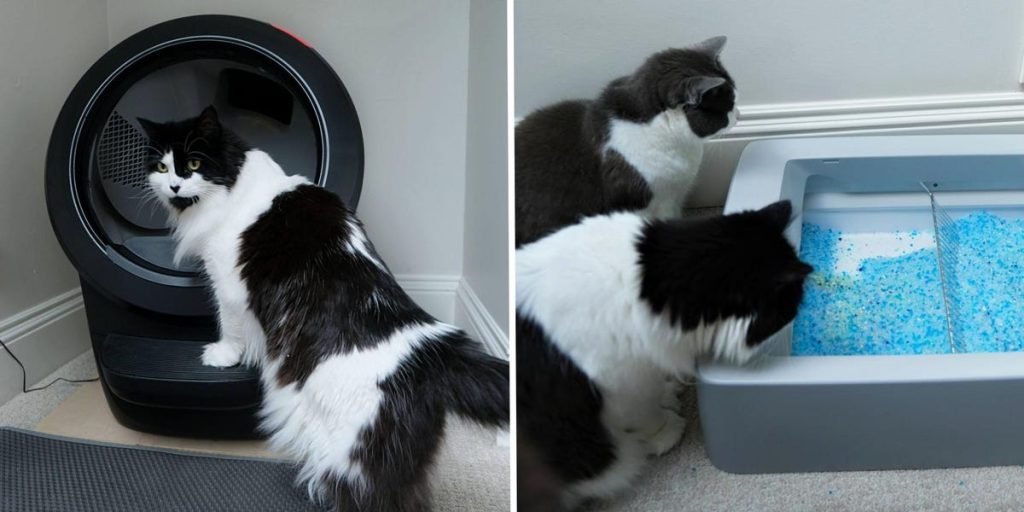
If you have more than one cat at home, you might be wondering: do cats need their own litter box? It’s a question that can save you from unexpected messes and keep your furry friends happy.
You want to make sure your cats feel comfortable and avoid fights over space. Understanding how many litter boxes you really need can make a big difference in your daily routine. Keep reading to discover the simple yet powerful reasons why each cat should have its own litter box—and how this small change can improve life for you and your pets.
Credit: www.businessinsider.com
Why Cats Prefer Personal Litter Boxes
Cats feel safer and less stressed with their own litter box. Sharing can cause confusion and lead to accidents. Personal boxes keep cats happy and clean.
Cats often appreciate having their own litter box. This preference is rooted in their natural instincts and need for territory. Having a personal litter box helps them feel secure. Let’s explore why cats prefer personal litter boxes.Natural Instincts And Territory
Cats are territorial animals. They mark their space to feel safe and in control. A personal litter box allows them to claim a part of your home. It becomes their private territory. Sharing a litter box can disrupt this sense of ownership. Cats may feel threatened or stressed by sharing.Reducing Stress And Anxiety
Sharing a litter box can cause stress for cats. They might fear another cat using their box. This anxiety can lead to behavioral issues. Personal litter boxes create a calm environment. Cats feel less anxious when they know their box is theirs alone. It helps maintain their peace of mind.Avoiding Litter Box Conflicts
Multiple cats sharing one box can cause conflicts. Cats might fight over access or territory. These conflicts can lead to accidents outside the box. Personal litter boxes reduce these issues. Each cat has a designated space. This setup avoids clashes and keeps the home cleaner. Providing each cat with its own litter box respects their instincts. It reduces stress and avoids conflicts. This simple step can improve their well-being and happiness.
Credit: meowant.com
Number Of Litter Boxes Per Cat
Determining the right number of litter boxes for your cats is crucial for their comfort and hygiene. It can affect their behavior and your home’s cleanliness. Understanding how many boxes to provide helps prevent accidents and keeps your cats happy.
One Box Per Cat Rule
Each cat should ideally have their own litter box. This reduces competition and stress, especially in multi-cat households.
Think about how you’d feel sharing a bathroom with others—it’s not always pleasant. Cats feel the same way and may avoid a box if another cat uses it first.
Providing one box per cat gives your pets a private space to do their business without feeling rushed or threatened.
Additional Boxes For Multi-cat Homes
Simply having one box per cat might not be enough in busy households. Experts recommend adding an extra box beyond the number of cats.
For example, if you have two cats, offer three litter boxes. This gives them options and reduces the chance of accidents.
- Place boxes in different quiet areas to prevent territorial disputes.
- Ensure each box is clean and accessible to encourage use.
- Observe your cats’ behavior and adjust the number of boxes if needed.
Have you noticed your cats avoiding a litter box or having accidents? Adding extra boxes might be the simple fix you need.
Choosing The Right Litter Box
Choosing the right litter box for your cat is more important than many pet owners realize. It directly affects your cat’s comfort and willingness to use it consistently. Picking the right one can prevent accidents and keep your home cleaner.
Size And Accessibility
Make sure the litter box is large enough for your cat to turn around comfortably. A cramped box can make your cat avoid using it altogether. If you have a kitten or an older cat, consider a box with low sides for easy access.
Think about your cat’s size and mobility. For example, a senior cat with arthritis will appreciate a box that’s easy to enter and exit without jumping.
Covered Vs. Open Boxes
Some cats prefer covered boxes for privacy, while others feel trapped and avoid them. Covered boxes help contain odors and reduce litter scatter, which is great if you want a tidier space.
Watch how your cat reacts. If you notice hesitation or accidents near the box, try switching to an open one. Your cat’s comfort should guide your choice more than aesthetics.
Material And Durability
Plastic litter boxes are the most common, but not all plastics are created equal. Look for sturdy, high-quality plastic that won’t crack or absorb odors over time.
Durability matters because a flimsy box can break or become unpleasant quickly. If you have multiple cats, investing in a durable box saves money and hassle in the long run.
Litter Type And Maintenance
Choosing the right litter and keeping the box clean are key for cats’ comfort. Cats notice litter type and cleanliness quickly. A good litter and regular maintenance encourage proper bathroom habits. This section explains preferred litter types, cleaning frequency, and odor control to help cats feel happy and healthy.
Preferred Litter Types
Cats like litter that feels soft on their paws. Clumping litter is popular because it makes cleaning easier. Some cats prefer unscented litter to avoid irritation. Natural options like corn, wheat, or paper are gentle and eco-friendly. Avoid dusty or heavily scented litters that may bother your cat’s nose.
Cleaning Frequency
Cleaning the litter box daily keeps it fresh and inviting. Scoop out waste at least once a day to prevent odors. Replace the entire litter every one to two weeks. Wash the box with mild soap and warm water during litter changes. A clean box reduces the risk of health problems and accidents.
Preventing Odors
Good ventilation helps reduce litter box smells. Use baking soda mixed with litter to absorb odors safely. Keep the box away from food and sleeping areas. Change litter regularly to stop bad smells from building up. Cleanliness keeps your home smelling fresh and your cat comfortable.
Placement Tips For Litter Boxes
Choosing the right spot for your cat’s litter box is more important than you might think. Placement affects how comfortable your cat feels using it and can even influence their bathroom habits. Let’s look at some practical tips to help you find the perfect location.
Quiet And Private Spots
Cats prefer privacy when they do their business. A quiet corner away from loud noises or household chaos can make them feel safe and relaxed. If your cat seems hesitant to use the litter box, try moving it to a less busy room or behind a piece of furniture.
Think about your own habits—would you want to use a bathroom right next to a noisy TV or a busy hallway? Your cat feels the same way.
Avoiding High Traffic Areas
Placing the litter box in a high traffic area can stress your cat and discourage use. Avoid spots near doors, hallways, or places where kids and pets frequently pass by. Cats value their space, especially during vulnerable moments.
Instead, aim for a location that offers easy access but isn’t constantly disturbed. This helps prevent accidents and keeps your cat’s litter box experience positive.
Multiple Floors Consideration
If your home has more than one level, consider placing a litter box on each floor. Cats don’t like to travel far when nature calls, especially older or less agile cats. Having a box nearby reduces accidents and keeps your cat comfortable.
Even if you only have one cat, multiple boxes can save you cleaning time and avoid territorial issues. Would you prefer running up and down stairs every time you need the bathroom?
Signs Of Litter Box Issues
Recognizing signs of litter box issues helps keep cats happy and healthy. Problems with the litter box often cause stress or discomfort. Early detection avoids bigger troubles and keeps your home clean. Watch for subtle changes in your cat’s habits and behavior. These signals point to possible litter box problems.
Changes In Cat Behavior
Cats may start avoiding the litter box. They might spend less time near it or seem restless. Some cats become more vocal or scratch doors and floors. Hiding or acting nervous can also signal litter box trouble. Sudden changes in mood or activity level may relate to litter box issues.
Accidents Outside The Box
Finding urine or feces outside the box is a clear sign. Cats usually do not like to soil their living area. These accidents can happen on carpets, beds, or furniture. Frequent accidents mean the cat may have a problem with the litter box. The box could be dirty, too small, or shared with other cats.
Health Concerns
Litter box problems sometimes link to health issues. Urinary tract infections cause pain, making cats avoid the box. Constipation or diarrhea also affects litter box use. Watch for blood in urine or stool, straining, or frequent trips. Prompt vet visits help diagnose and treat these conditions early.
Tips For Introducing New Litter Boxes
Introducing a new litter box to your cat’s routine can feel tricky, but it doesn’t have to be. The key is to make the transition smooth and stress-free for your feline friend. Small, thoughtful steps can make your cat curious and comfortable with the new setup.
Gradual Introduction
Start by placing the new litter box near the old one. This helps your cat get used to the new scent and location without feeling confused. Keep both boxes accessible for a few days so your cat can explore freely.
A sudden switch can confuse cats, leading to accidents outside the box. Let your cat sniff and investigate the new box at their own pace. Have you noticed how your cat reacts to new items in your home? Use that insight to guide your timing.
Encouraging Use
Make the new litter box inviting. Use the same type of litter your cat prefers to avoid surprises. You can even sprinkle a bit of used litter from the old box into the new one to encourage recognition.
Place the box in a quiet, low-traffic area to help your cat feel safe. Positive reinforcement works well here—try giving treats or gentle praise when your cat uses the new box. How do you reward your cat for good behavior?
Monitoring Adjustments
Watch your cat’s behavior closely during the transition period. Signs of hesitation or avoidance suggest you may need to slow down the introduction. Keep an eye out for accidents and gently redirect your cat to the new box without scolding.
If your cat consistently avoids the new box, consider whether the location, litter type, or box size might be the issue. Be patient—some cats take longer to adjust than others. What changes have you noticed when your cat faced a new environment?
Credit: www.businessinsider.com
Frequently Asked Questions
Do Cats Prefer Having Their Own Litter Box?
Yes, most cats prefer having their own litter box to avoid territorial stress and maintain cleanliness. Separate boxes reduce conflicts and encourage proper litter habits.
How Many Litter Boxes Does A Cat Need?
The general rule is one litter box per cat plus one extra. This prevents overcrowding and promotes healthy bathroom habits.
Can Sharing Litter Boxes Cause Health Issues?
Sharing litter boxes can increase the risk of infections and stress. Individual boxes help maintain hygiene and reduce the spread of diseases.
Is It Necessary To Place Litter Boxes In Different Locations?
Yes, placing litter boxes in separate quiet areas encourages use and reduces competition among cats. It supports privacy and comfort for each cat.
Conclusion
Cats feel more comfortable with their own litter box. It helps prevent fights and stress. Each cat stays cleaner and happier this way. Sharing a box can cause accidents and messes. Providing separate boxes keeps your home fresh and tidy.
Remember, cats appreciate their own space. This simple step improves their health and mood. Give your furry friends the care they deserve. They will thank you with love and purrs.
