

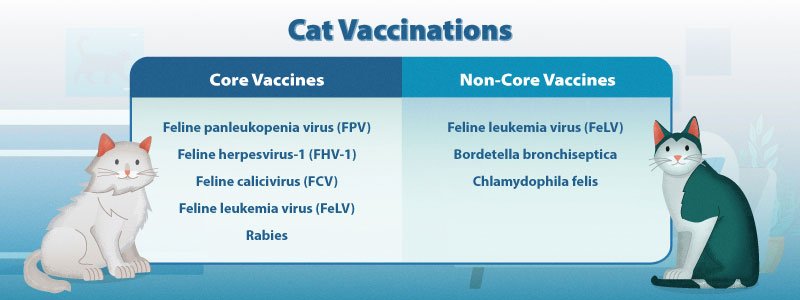
Are you worried about your cat’s health and wondering if the feline leukemia vaccine is really necessary? You want to protect your furry friend, but you might be unsure if this vaccine is right for your cat.
Understanding whether your cat needs the feline leukemia vaccine can make a big difference in keeping them safe from a serious disease. You’ll discover what feline leukemia is, how the vaccine works, and whether it’s the best choice for your cat’s well-being.
Keep reading to make the best decision for your beloved pet.

Credit: millsanimalhospital.com
What Is Feline Leukemia
Feline Leukemia Virus (FeLV) is a dangerous virus affecting cats. It weakens a cat’s immune system and can lead to serious illnesses. This virus spreads through close contact between cats. It can be passed through grooming, sharing food bowls, or bites. Understanding FeLV is crucial for every cat owner.
Understanding Feline Leukemia Virus
FeLV is a retrovirus causing persistent infections in cats. It suppresses the immune system, making cats vulnerable to other diseases. Affected cats may not show symptoms immediately. As the virus progresses, it can cause severe health issues.
How Feline Leukemia Spreads
FeLV spreads primarily through saliva. Cats sharing bowls or grooming each other are at risk. Bites from infected cats can also transmit the virus. Kittens can contract FeLV from their mothers during birth or nursing.
Symptoms Of Feline Leukemia
Symptoms can vary and may take time to appear. Common signs include weight loss, fever, and pale gums. Cats may also suffer from frequent infections. Some may develop swollen lymph nodes or anemia.
Diagnosing Feline Leukemia
Veterinarians diagnose FeLV through blood tests. The tests detect the presence of the virus in the bloodstream. Early detection is vital for managing the disease.
Living With Feline Leukemia
Cats with FeLV need special care and attention. They should be kept indoors to prevent spreading the virus. Regular veterinary visits are essential for monitoring their health. Providing a stress-free environment can also help in managing the disease.
How The Virus Spreads
Feline leukemia virus (FeLV) spreads through close contact between cats. The virus passes from one cat to another mainly through saliva and other body fluids. Understanding how FeLV spreads helps protect your cat from this serious illness.
Direct Contact Through Grooming And Biting
Cats often groom each other, sharing saliva. This activity can transfer the virus if one cat is infected. Fighting and biting also spread FeLV because saliva enters wounds or broken skin.
Shared Food And Water Bowls
The virus can spread when cats share bowls. Saliva left on the bowls carries FeLV. Multiple cats using the same dish increases infection risk.
Mother To Kitten Transmission
Infected mother cats can pass FeLV to their kittens. This happens through milk or close contact in the nest. Early exposure makes kittens vulnerable to the disease.
Contaminated Objects And Environment
FeLV does not survive long outside the body. But it can live on objects briefly. Grooming tools, bedding, or toys used by infected cats might spread the virus.
Outdoor Exposure To Other Cats
Cats that roam outdoors meet many other cats. These encounters increase the chance of catching FeLV. Stray or unknown cats may carry the virus without symptoms.
Symptoms To Watch For
Feline Leukemia Virus (FeLV) can cause serious health problems in cats. Early signs may be subtle but spotting symptoms helps protect your pet. Watch your cat closely for any changes in behavior or health.
Symptoms can appear slowly or suddenly. Some cats may show no signs for a long time. Knowing what to watch for can lead to early treatment and care.
Changes In Appetite And Weight
A cat with FeLV often eats less and loses weight. Appetite loss may be mild or severe. Monitor your cat’s eating habits daily.
Persistent Fever And Lethargy
FeLV can cause a long-lasting fever. Your cat may seem unusually tired or weak. These signs often indicate the immune system is struggling.
Swollen Lymph Nodes
Check for lumps around your cat’s neck, underarms, or groin. Swollen lymph nodes are a common symptom of infection. They may feel soft or firm to the touch.
Respiratory Problems
Watch for coughing, sneezing, or difficulty breathing. FeLV can weaken the lungs and upper airways. These signs need prompt veterinary attention.
Gum And Mouth Issues
Look for redness, swelling, or ulcers in your cat’s mouth. FeLV often causes dental problems and sores. Bad breath can also be a sign.
Behavioral Changes
Your cat may become more withdrawn or irritable. Sudden changes in behavior can signal illness. Pay attention to unusual hiding or aggression.
Frequent Infections
FeLV weakens the immune system. Cats may catch colds or skin infections often. Recurrent infections suggest the body is fighting hard.
Risk Factors For Cats
Understanding the risk factors for feline leukemia is essential for deciding if your cat needs the vaccine. Not all cats face the same level of risk, and identifying these factors helps you protect your furry friend effectively. Let’s look closely at what puts some cats at higher risk than others.
Outdoor Access And Interaction With Other Cats
Cats that roam outside or interact with multiple cats have a greater chance of catching feline leukemia. The virus spreads through saliva, blood, and close contact, so outdoor cats face more exposure.
If your cat loves to explore the neighborhood or visits friends’ homes, the risk increases significantly. Do you know where your cat goes when it’s outside?
Living In Multi-cat Households Or Shelters
Homes with several cats or shelters often see a higher risk of transmission. Close quarters and shared resources like food bowls can facilitate the spread.
If you have multiple cats, it’s smart to test and vaccinate to keep the virus from spreading silently. Have you checked if all your cats are healthy lately?
Age And Immune System Health
Kittens and older cats are more vulnerable to infections because their immune systems are weaker. Young cats especially benefit from early vaccination to build protection.
If your cat is elderly or has other health issues, the vaccine might be a crucial safeguard. Are you paying attention to your cat’s immune health?
Geographic Location And Prevalence
Some areas have higher rates of feline leukemia, affecting the risk levels for cats living there. Urban environments with many stray cats can increase exposure risks.
Knowing the prevalence of the virus in your region helps you make an informed vaccine decision. Have you researched your local cat community’s health status?
Vaccine Benefits
Vaccinating your cat against feline leukemia offers important health advantages. It helps protect cats from a serious and often fatal disease. The vaccine supports your cat’s immune system to fight the virus if exposed. Many cats live longer and healthier lives thanks to this protection.
Understanding the benefits helps cat owners make informed choices about vaccination. It also reduces the spread of the virus in the cat community.
Protection Against A Deadly Virus
The feline leukemia vaccine shields cats from a virus that can cause cancer and immune problems. Without vaccination, cats face a higher risk of severe illness and death. The vaccine lowers these risks significantly.
Improved Quality Of Life
Vaccinated cats tend to stay healthier and more active. They avoid many symptoms caused by the virus, such as weakness and infections. This leads to a better life for your pet.
Reduced Spread Among Cats
Vaccinating your cat helps stop the virus from spreading. It protects other cats in your home and neighborhood. This is especially important in multi-cat households and outdoor cats.
Cost Savings On Veterinary Care
Treating feline leukemia can be expensive and complex. Vaccination lowers the chance of costly treatments and long-term care. This saves money and stress for cat owners.
Vaccine Risks And Side Effects
Vaccines protect cats from serious diseases like Feline Leukemia Virus (FeLV). Yet, vaccines can cause some risks and side effects. Understanding these helps pet owners make smart choices about their cat’s health.
Most cats tolerate the FeLV vaccine well. Side effects are usually mild and short-lived. Still, some cats may experience stronger reactions that need attention.
Common Side Effects Of The Feline Leukemia Vaccine
- Mild fever lasting a day or two
- Soreness or swelling at the injection site
- Loss of appetite or slight tiredness
- Sneezing or mild nasal discharge if nasal vaccine is used
These effects are normal signs that the immune system is responding.
Rare But Serious Vaccine Risks
- Allergic reactions causing swelling or difficulty breathing
- Injection site tumors, although very rare
- Severe lethargy or vomiting
Seek veterinary care immediately if any serious symptoms appear after vaccination.
Factors That Influence Vaccine Side Effects
- Cat’s age and overall health
- Previous vaccine reactions
- Stress during vaccination
- Proper vaccine storage and handling
Discuss these factors with your vet to reduce risks.
Who Should Get Vaccinated
Deciding who should get the feline leukemia vaccine depends on a cat’s lifestyle and risk factors. Not every cat needs this vaccine, but certain groups benefit greatly from it. Understanding which cats are at higher risk helps protect their health effectively.
Outdoor Cats And Strays
Cats that spend time outside face more risks of exposure. They meet other cats and may encounter infected animals. Vaccinating outdoor cats lowers their chance of catching feline leukemia.
Cats Living With Infected Cats
Living with a cat that has feline leukemia increases the risk for others. Vaccination helps protect healthy cats in the same home. This is important to stop the spread of the virus.
Kittens And Young Cats
Kittens and young cats have weaker immune systems. Vaccinating them early gives better protection. Many vets recommend starting the vaccine series at a young age.
Multi-cat Households
Homes with many cats increase chances of close contact and virus spread. Vaccination reduces the risk of infection among cats living together. This keeps the whole household safer.
Cats With Unknown Exposure
Cats with uncertain pasts or unknown health history should get vaccinated. Stray or rescued cats might have been exposed without owners knowing. Vaccination offers peace of mind and protection.
Credit: triangleanimalclinic.com
Vaccination Schedule
Getting your cat vaccinated against Feline Leukemia Virus (FeLV) involves following a specific schedule to ensure the best protection. The timing of these shots is crucial because it helps build your cat’s immunity at the right moments. Knowing when to vaccinate can make a big difference in keeping your feline friend safe from this serious disease.
Initial Vaccination Series
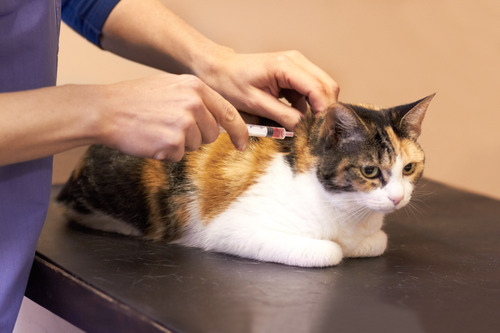
Kittens usually start the FeLV vaccine series between 8 to 12 weeks of age. They need two doses, given 3 to 4 weeks apart, to develop strong immunity. If your cat missed this early schedule, ask your vet about the best time to begin the series for adult cats.
Booster Shots
After the initial series, your cat will need a booster shot one year later. This booster helps maintain immunity over time. Some cats, especially those at higher risk, may require annual boosters, while others might get away with less frequent shots—discuss this with your vet based on your cat’s lifestyle.
Risk-based Vaccination Timing
Think about your cat’s lifestyle when deciding the vaccination schedule. Outdoor cats or those living with other cats have a higher risk and benefit from regular FeLV vaccines. Indoor-only cats with no exposure to other cats might not need this vaccine, but your vet can help you decide.
Post-vaccination Monitoring
Watch your cat for any side effects after vaccination, like mild fever or soreness. These usually go away quickly but should be reported if they last more than a day. Keeping a record of vaccination dates and any reactions helps your vet adjust the schedule if needed.
Have you ever wondered if skipping or delaying a vaccine could put your cat at risk? Staying on top of the vaccination schedule is a straightforward way to protect your furry companion from FeLV’s dangers.
Cost Considerations
Cost is an important factor for many cat owners when deciding on vaccines. The feline leukemia vaccine involves a financial commitment that varies by location and clinic. Understanding these costs helps pet owners plan better for their cat’s health needs.
Vaccination prices depend on several factors. These include the vet’s fees, the type of vaccine used, and whether the cat needs a series of shots. Some clinics offer package deals that reduce the overall cost.
Average Price Range Of The Feline Leukemia Vaccine
The cost usually falls between $20 and $50 per shot. Cats need more than one dose at first. This can increase the initial expense. Booster shots are required yearly to maintain protection.
Additional Veterinary Fees To Consider
- Consultation fees for initial check-up
- Health exams before vaccination
- Possible blood tests to check cat’s status
- Additional treatments if side effects occur
These add to the total expense of vaccination.
Ways To Manage Vaccination Costs
- Look for low-cost vaccine clinics
- Ask if your vet offers payment plans
- Check for local animal welfare programs
- Consider pet insurance that covers vaccines
Planning ahead can make vaccination more affordable.
Alternatives To Vaccination
Vaccination is a common way to protect cats from feline leukemia, but it’s not the only approach. Some cat owners look for other options to keep their pets safe without the vaccine. Understanding these alternatives helps you make the best choice for your cat’s health and lifestyle.
Maintaining A Strict Indoor Lifestyle
Keeping your cat indoors drastically reduces the risk of exposure to feline leukemia. Indoor cats rarely come into contact with infected cats or contaminated environments.
Think about your cat’s daily routine. Are they curious about the outdoors? If so, you might need extra measures to keep them safe inside.
Regular Veterinary Screenings
Frequent health checks can catch infections early before they become serious. Your vet can perform blood tests to detect feline leukemia virus promptly.
Early detection means you can manage the disease better and prevent spreading it to other cats.
Controlling Cat Interactions
Limiting your cat’s contact with unknown or unvaccinated cats lowers their risk. Avoiding communal feeding areas or stray cats helps protect your feline friend.
Have you noticed your cat interacting with other neighborhood cats? Observing and managing these encounters can be crucial.
Boosting Immune Health Naturally
A strong immune system helps cats fight off infections more effectively. Feeding high-quality food and reducing stress are practical ways to support your cat’s immunity.
Adding supplements like omega-3 fatty acids, after consulting your vet, might also help keep your cat resilient.
Isolation And Quarantine Practices
If you bring a new cat home, isolating them from your current pet until you confirm they’re healthy can prevent disease spread. This practice is especially important if the new cat’s health history is unknown.
Do you have a new feline guest? A simple quarantine period can save you from future health headaches.
Veterinarian Recommendations
Veterinarians play a key role in guiding pet owners on whether their cats need the feline leukemia vaccine. Their recommendations are based on the cat’s lifestyle, health, and exposure risk. Understanding these professional insights can help you make the best choice for your feline friend.
Assessing Your Cat’s Risk Factors
Vets carefully evaluate how likely your cat is to come into contact with the virus. Outdoor cats or those living with infected cats face higher risks. If your cat stays indoors and has no contact with other cats, vets often suggest the vaccine may not be necessary.
Health Status And Age Considerations
Your cat’s age and overall health influence the vaccine decision. Kittens usually get vaccinated because they are more vulnerable. Older cats or those with certain health issues might require a tailored vaccination plan to avoid complications.
Personalized Vaccination Plans
Veterinarians don’t recommend a one-size-fits-all approach. They create a vaccination schedule based on your cat’s specific needs and lifestyle. Have you discussed your cat’s daily routine and environment with your vet? This conversation is crucial for a suitable plan.
Balancing Benefits And Risks
Your vet weighs the protection benefits against potential side effects. Some cats may experience mild reactions, but serious issues are rare. Knowing these details helps you decide confidently whether the vaccine is right for your cat.
Regular Vet Checkups For Ongoing Advice
Vaccination needs can change as your cat ages or their environment changes. Regular vet visits ensure the vaccine plan stays up to date. Don’t hesitate to ask your vet about adjustments if your cat’s lifestyle shifts.

Credit: www.abcdcatsvets.org
Common Myths About The Vaccine
Many believe all cats need the feline leukemia vaccine, but not every cat is at risk. Indoor cats with no exposure often don’t require it. Understanding your cat’s lifestyle helps decide if the vaccine is necessary.
Cats are beloved pets in many homes. Their health is a priority for owners. One important aspect is the feline leukemia vaccine. It has sparked debates and misconceptions. Many myths surround this vaccine. Let’s uncover the truth behind these myths.Myth 1: The Vaccine Causes The Disease
Some believe the vaccine gives cats leukemia. This is false. The vaccine uses safe methods. It helps to protect, not harm.Myth 2: Indoor Cats Don’t Need The Vaccine
Many think indoor cats are safe from leukemia. But risks still exist. Cats can escape or meet infected cats. Vaccination adds a layer of protection.Myth 3: The Vaccine Is Not Effective
Some doubt the vaccine’s effectiveness. Yet, studies show it reduces risk. Vaccinated cats have better defense against the virus.Myth 4: All Cats Have Side Effects
Fear of side effects is common. Most cats tolerate the vaccine well. Serious reactions are rare. Discuss concerns with your vet for peace of mind.Myth 5: Vaccination Is Too Expensive
Cost worries many pet owners. Yet, the benefits outweigh the expense. Protecting your cat is a wise investment in their health.Frequently Asked Questions
What Is The Feline Leukemia Vaccine?
The feline leukemia vaccine protects cats from the feline leukemia virus (FeLV). It helps prevent infection and serious illness caused by FeLV. Vaccination is crucial for cats at risk of exposure, especially outdoor cats or those living with infected cats.
Do Indoor Cats Need The Felv Vaccine?
Indoor cats generally have a low risk of FeLV infection. However, vaccination is recommended if they occasionally go outside or live with FeLV-positive cats. Consult your vet to assess your cat’s lifestyle and decide if the vaccine is necessary.
How Often Should Cats Get The Felv Vaccine?
Cats typically receive an initial FeLV vaccine series, followed by annual boosters. The exact schedule depends on age, health, and risk factors. Your veterinarian will provide a tailored vaccination plan to ensure optimal protection against FeLV.
Is The Felv Vaccine Safe For Cats?
Yes, the FeLV vaccine is safe and well-tolerated by most cats. Mild side effects like soreness or lethargy may occur but are temporary. Serious reactions are rare. Always discuss any concerns with your veterinarian before vaccination.
Conclusion
Cats face risks from feline leukemia, a serious disease. Vaccines help protect them, especially outdoor cats. Talk with your vet about your cat’s lifestyle. They can suggest if vaccination fits your cat’s needs. Staying informed keeps your cat safe and healthy.
Prevention is better than dealing with illness later. Keep your furry friend happy and protected. Simple steps make a big difference in their life.
