


Have you ever wondered if your cat really eats mice? You might think it’s just a myth or something from cartoons, but the truth is more interesting.
Understanding what your cat’s natural instincts are can help you take better care of them. You’ll discover why cats chase mice, whether they actually eat them, and what this means for your furry friend’s health and behavior. Keep reading—you’ll be surprised by what you learn!

Credit: www.discovermagazine.com
Cats And Their Hunting Instincts
Cats often catch mice because hunting is natural for them. Eating mice helps satisfy their instinct and provides nutrition. Many cats enjoy chasing and eating small animals like mice.
Cats are known for their strong hunting instincts. Even domestic cats display behaviors rooted in their wild ancestry. These instincts drive them to chase, catch, and play with prey. It’s a fascinating aspect of their nature.Natural Predators
Cats are natural predators. In the wild, they hunt small animals for food. This includes mice, birds, and insects. Their sharp claws and teeth help them catch prey. Cats have excellent night vision. This allows them to hunt effectively in low light. Their keen sense of hearing detects even the slightest rustle. It’s a survival trait passed down through generations.Hunting Behaviors In Domestic Cats
Domestic cats still exhibit hunting behaviors. They often stalk and pounce on toys and shadows. This mimics the way wild cats hunt. Playful chasing and pouncing fulfill their instinctual needs. Some cats bring “gifts” like toys or even real prey to their owners. This is a sign of affection, showing they trust you. Even well-fed cats may hunt for sport. It’s part of their natural behavior.
Credit: www.shutterstock.com
Why Cats Eat Mice
Understanding why cats eat mice reveals a lot about their nature and needs. This behavior isn’t just about hunger; it ties into their biology and instincts. If you’ve ever wondered what drives your feline friend to chase and catch these tiny creatures, this section will shed light on the reasons behind it.
Nutritional Benefits
Eating mice provides cats with essential nutrients that might be missing from their regular diet. Mice are rich in protein, which supports muscle health and energy levels. They also contain taurine, an amino acid crucial for a cat’s vision and heart function.
Wild cats rely on small prey like mice to meet their dietary needs naturally. Even domesticated cats benefit from this instinctual diet, as it keeps them sharp and active. Have you noticed how your cat seems more alert after a hunting session?
Instinct Vs. Hunger
Chasing and eating mice isn’t always about hunger; it’s often driven by instinct. Cats are natural hunters, and the act of stalking and capturing prey satisfies their innate behaviors. This explains why some well-fed cats still bring home mice as “gifts.”
Hunting also provides mental stimulation and physical exercise. If your cat catches mice without being hungry, it’s fulfilling a deeper need to engage its senses and skills. Could this instinct be why your cat prefers to hunt rather than just eat from the bowl?
Do All Cats Eat Mice?
Not all cats eat mice. Some cats hunt and eat them naturally. Others may ignore mice completely. This difference depends on many factors. Understanding these helps explain why some cats chase mice and others don’t.
Breed Differences
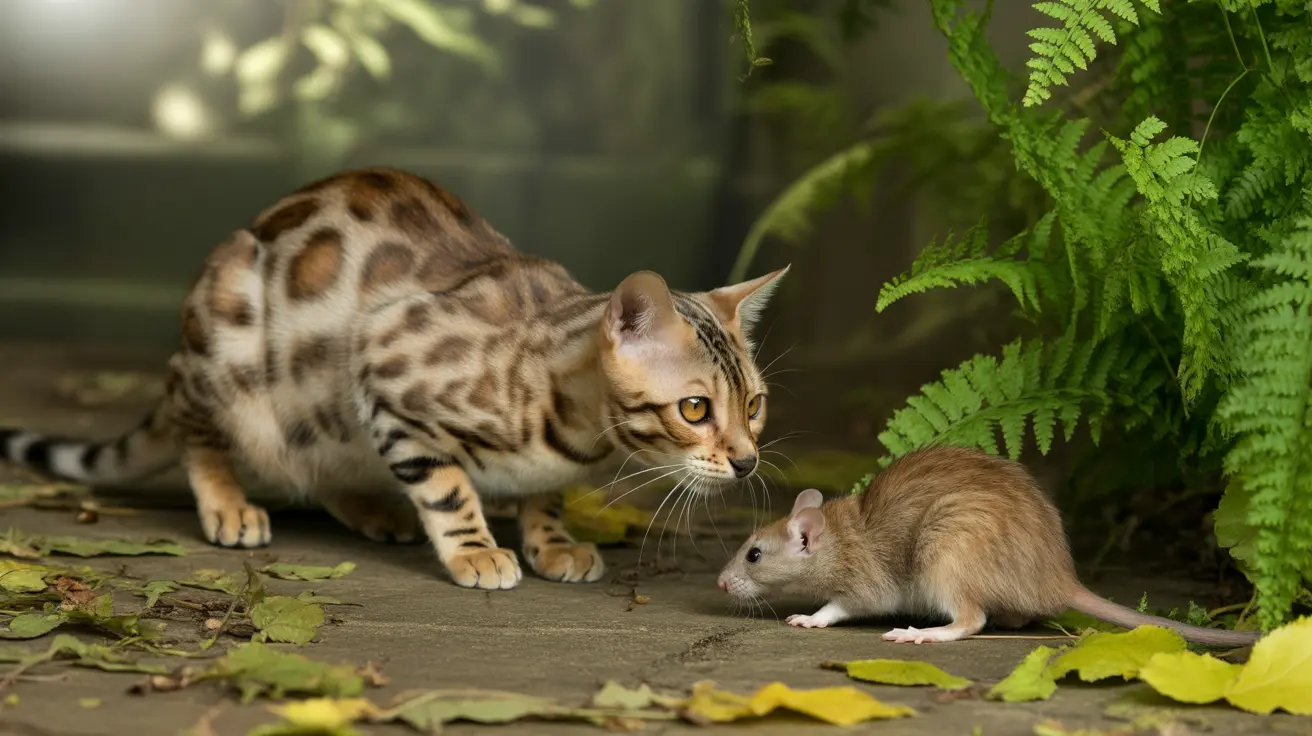
Some cat breeds have stronger hunting instincts. For example, Siamese and Maine Coon cats often enjoy hunting mice. They have a natural drive to chase small animals. On the other hand, some breeds like Persians may show less interest in hunting. Their calm nature makes them less likely to catch mice.
Working cats, such as barn cats, are known for catching mice. Their role often involves pest control. House cats, especially those well-fed, may not hunt mice. This is because they do not need to find food themselves.
Individual Preferences
Every cat has a unique personality. Some cats love to hunt and play with mice. Others prefer toys or resting. Hunger level can also affect this. A hungry cat is more likely to catch mice.
Experience matters too. Cats raised indoors might not know how to hunt. Outdoor cats often learn by watching their mother or other cats. Some cats may also fear mice and avoid them.
Credit: www.petscare.com
Health Risks Of Eating Mice
Cats often hunt and eat mice instinctively. While it may seem natural, eating mice can pose serious health risks. These risks come from parasites, diseases, and harmful substances mice might carry. Understanding these dangers helps cat owners protect their pets better.
Parasites And Diseases
Mice can carry many parasites that infect cats. Fleas, ticks, and worms often live on mice. Cats may get these parasites after eating a mouse.
- Tapeworms are common parasites transmitted by mice.
- Cat fleas can spread diseases and cause itching.
- Toxoplasmosis is a disease cats catch from infected mice.
- Salmonella and other bacteria may also infect cats.
Parasites and diseases can cause serious health problems. Symptoms include vomiting, diarrhea, and lethargy. Immediate vet care is important if signs appear.
Toxic Substances
Mice can carry poisons in their bodies. Rodent poison is a major threat to cats. Eating poisoned mice can make cats very sick or even cause death.
- Anticoagulant rodenticides cause internal bleeding in cats.
- Neurotoxic poisons affect the cat’s nervous system.
- Some poisons can damage the liver and kidneys.
Signs of poisoning include weakness, bleeding, and seizures. Quick treatment is crucial to save the cat’s life. Avoid letting cats eat wild mice to reduce risks.
Alternatives To Mouse Hunting
Cats have a natural instinct to hunt mice. But hunting can be risky for them. Small animals may carry diseases or parasites. Many cat owners prefer safer ways to feed their pets. There are good alternatives to mouse hunting. These options provide nutrition and keep cats happy.
Commercial Cat Food
Commercial cat food is a balanced choice for pets. It contains all nutrients cats need for health. Wet and dry foods are available in many flavors. These foods are made under strict safety rules. They reduce the need for cats to hunt for food. Feeding commercial food helps maintain a cat’s weight and energy. It also supports healthy skin and shiny fur.
Safe Treat Options
Safe treats can be a fun addition to a cat’s diet. Choose treats made specifically for cats. Avoid giving raw meat or wild animals. Some safe treat ideas include:
- Cooked chicken or turkey pieces
- Commercial cat treats with vitamins
- Freeze-dried meat snacks
- Small portions of cheese or yogurt (if tolerated)
Treats should be given in moderation. Overfeeding can cause health problems. Safe treats help satisfy a cat’s hunting urge. They offer variety without danger.
Encouraging Or Discouraging Mouse Hunting
Deciding whether to encourage or discourage your cat from hunting mice depends on several factors. Mouse hunting is a natural behavior for cats, but it can have both positive and negative effects. Understanding when to support or prevent this activity helps keep your cat safe and your home healthy.
When To Encourage
Encouraging mouse hunting can benefit your cat and home in some cases. Cats that hunt can control small pest populations effectively. This behavior offers mental stimulation and exercise, which keep cats active and engaged. Outdoor or barn cats often need this activity for natural instincts and survival skills. If your cat is healthy and safe outside, hunting helps satisfy natural urges.
- Natural pest control
- Physical exercise
- Mental stimulation
- Instinct satisfaction
Ensure your cat is vaccinated and checked regularly by a vet. This reduces risks from diseases carried by mice. Supervise young or inexperienced cats to avoid injury.
When To Discourage
Discouraging mouse hunting is important in certain situations. Indoor cats face health risks from catching mice, such as parasites or poison exposure. Mice may carry diseases harmful to cats and humans. Hunting might lead to aggressive or destructive behavior indoors. Also, some cats may bring caught mice inside, causing mess and stress.
- Risk of disease
- Exposure to poisons
- Indoor mess and stress
- Potential injury
Use toys and playtime to redirect your cat’s energy. Provide a safe environment to limit hunting urges. Consult a vet for advice on managing hunting behavior safely.
Signs Your Cat Has Been Hunting
Noticing signs that your cat has been hunting can reveal a lot about their natural instincts and daily activities. Cats are skilled hunters, even if they mostly stay indoors. Watching out for certain clues helps you understand what your feline friend has been up to when you’re not around.
Behavioral Clues
Has your cat suddenly become more alert or restless? Hunting cats often show increased focus and quick bursts of energy. You might see your cat crouching low, stalking imaginary prey, or pouncing on toys with unusual intensity.
Another sign is your cat bringing “gifts” like small animals or insects into the house. This behavior is not just gross—it’s a clear sign they’ve been on the hunt. Think about how your cat interacts with the outdoors and whether they spend time near garden edges or under bushes.
Physical Evidence
Check your cat’s fur and paws for dirt, tiny scratches, or bits of grass. These can indicate time spent chasing or catching prey. Sometimes you might even find small blood spots around their mouth or on their whiskers, evidence of a recent catch.
Also, inspect your home carefully. Finding mouse tails, feathers, or fur in corners is a dead giveaway. If you discover these, ask yourself: is your cat just playing, or are they actively hunting to satisfy natural instincts?
Tips For Cat Owners
Caring for a cat that hunts mice requires attention and understanding. Cats have natural hunting instincts, but safety and well-being come first. Follow simple tips to keep your cat safe and manage their behavior effectively.
Keeping Cats Safe
Outdoor hunting exposes cats to risks like injuries and diseases. Protect your cat by:
- Providing regular vet check-ups and vaccinations
- Using flea and tick prevention treatments
- Keeping your cat indoors during the night
- Checking your cat for wounds or ticks after outdoor time
Safe environments reduce health problems linked to hunting mice.
Managing Hunting Instincts
Hunting is a natural behavior for cats. Control it by:
- Offering plenty of playtime with toys that mimic prey
- Feeding your cat well to reduce hunger-driven hunting
- Creating stimulating indoor activities to keep them busy
- Using puzzle feeders to engage their minds
These steps help satisfy instincts without real hunting risks.
Frequently Asked Questions
Do Domestic Cats Naturally Eat Mice?
Yes, domestic cats have an instinct to hunt and eat mice. This behavior comes from their wild ancestors and is a natural part of their diet.
Are Mice Safe For Cats To Eat?
Mice can be safe for cats if they are healthy and free from toxins. However, wild mice may carry parasites or diseases, so caution is advised.
Why Do Some Cats Not Eat Mice?
Some cats may not eat mice due to lack of hunting experience or preference for commercial cat food. Individual behavior varies widely.
How Does Eating Mice Benefit Cats?
Eating mice provides cats with protein, vitamins, and minerals. It also satisfies their natural hunting instincts and supports mental stimulation.
Conclusion
Cats do eat mice as part of their natural hunting behavior. It helps them stay active and healthy. Not all cats catch mice, but many enjoy the chase. Eating mice provides important nutrients for cats. Understanding this habit helps pet owners care better for their cats.
Wild and indoor cats may behave differently around mice. Watching your cat’s behavior can be fun and insightful. Cats and mice have a long history together. It’s nature at work.
