

Have you ever wondered if your cat gets bored when you’re not around? You might notice your furry friend staring out the window or knocking things off the table and ask yourself, “Is this just a quirk, or a sign of boredom?” Understanding whether cats experience boredom can help you keep your pet happier and healthier.
You’ll discover the surprising ways cats show boredom and simple tricks to keep your companion entertained. Keep reading to learn how to make your cat’s day more exciting and fulfilling!
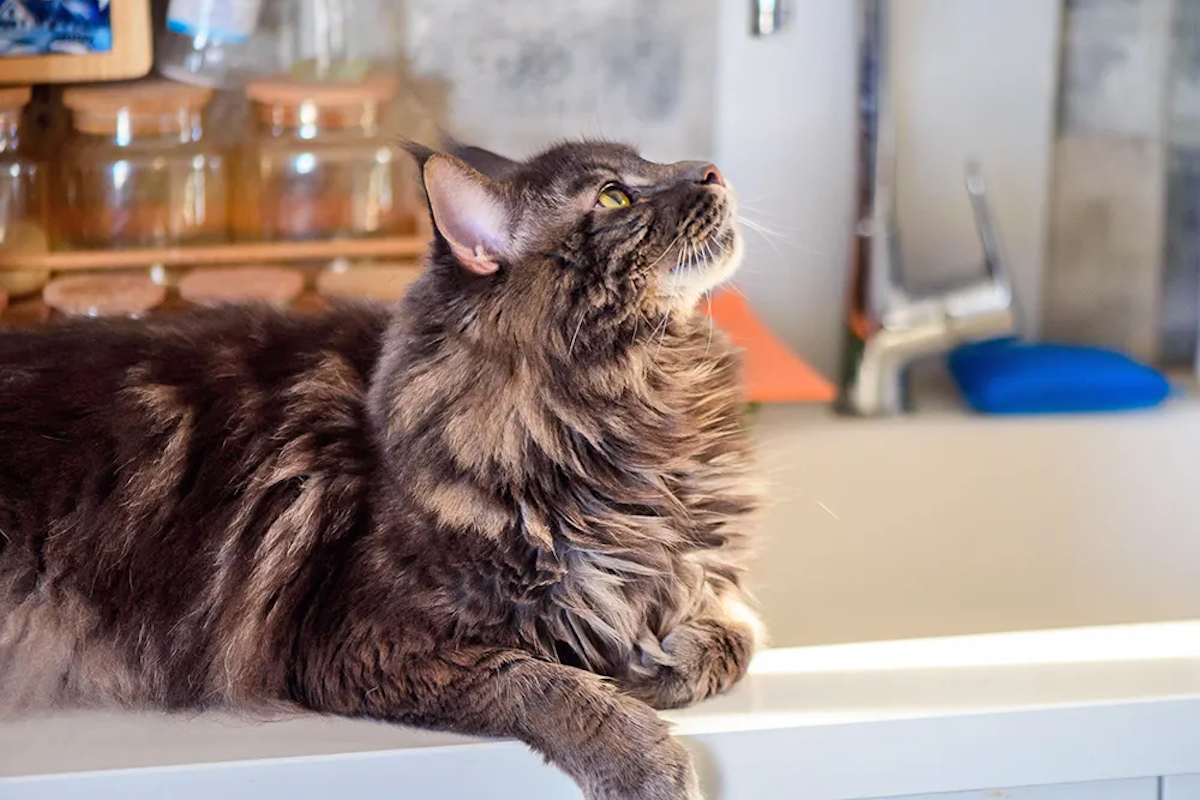
Credit: www.kinship.com
Signs Your Cat Is Bored
Ever wondered if your feline friend is feeling a bit under-stimulated? Just like humans, cats can experience boredom, and it’s essential to recognize the signs. Understanding these signals can help you enhance your cat’s environment, ensuring they stay happy and healthy.
Changes In Activity Levels
A noticeable shift in your cat’s activity level could indicate boredom. If your once lively cat is now lounging around more than usual, they might need more stimulation. Conversely, if they’re suddenly hyperactive, it’s a sign they are seeking out excitement.
Increased Vocalization
Has your cat become chattier than usual? A bored cat might meow excessively to get your attention. This could be their way of saying, “Hey, I need some fun over here!”
Destructive Behavior
Cats that are bored might start scratching furniture or knocking over items. This destructive behavior is often a call for something to do. Providing scratching posts or interactive toys can help channel this energy positively.
Excessive Grooming
While grooming is a natural behavior, overdoing it can be a sign of boredom. If your cat is spending too much time licking themselves, it might be because they have nothing else to engage with. This can sometimes lead to bald spots or skin issues.
Loss Of Interest In Play
If your cat turns away from their favorite toys, it might be due to boredom. A lack of interest in play can indicate they need new challenges. Introducing new toys or interactive playtime can reignite their enthusiasm.
Paying attention to these signs can make a world of difference for your cat’s well-being. Are you observing any of these behaviors in your cat? If so, it might be time to shake up their routine.

Credit: www.youtube.com
Why Cats Experience Boredom
Cats can feel bored just like humans. Boredom happens when cats do not have enough to do or think about. It can lead to bad habits and sadness in cats. Understanding why cats get bored helps owners keep them happy and healthy.
Lack Of Mental Stimulation
Cats need to use their brains daily. Without puzzles, toys, or new things to explore, their minds become dull. A cat left alone with nothing to do may start feeling restless. Mental games and challenges keep cats sharp and interested.
Insufficient Physical Exercise
Active cats stay healthy and happy. Without enough running, jumping, and playing, cats get bored. Exercise also helps them release energy and reduce stress. A lazy lifestyle can make cats feel trapped and unhappy.
Environmental Factors
The cat’s surroundings affect its mood. A small, empty space can feel boring and lonely. Lack of windows or places to hide limits a cat’s comfort. Changing the environment with new sights and smells helps keep cats engaged.
Social Needs
Cats are not always solitary animals. Some cats enjoy company and interaction. Lack of social time with humans or other pets can cause boredom. Playtime and gentle petting satisfy their need for attention and affection.
Interactive Toys To Engage Cats
Keeping your cat mentally and physically active is key to preventing boredom. Interactive toys offer a fun way to challenge their natural instincts and keep them engaged. Let’s look at some options that can make playtime more exciting for your feline friend.
Puzzle Feeders
Puzzle feeders combine play with mealtime. They require your cat to solve simple puzzles to get treats or kibble. This slows down eating and keeps their brain working.
My cat used to gobble food quickly, but after using a puzzle feeder, she became more focused and less anxious. Have you noticed how food can become more rewarding when it’s earned?
Laser Pointers
Laser pointers are a classic way to engage your cat’s hunting instincts. The fast-moving light encourages chasing and jumping, providing great exercise indoors.
Be sure to end the session by letting your cat catch a tangible toy, so they don’t get frustrated. How often do you give your cat a chance to “win” during play?
Automated Toys
Automated toys move on their own, surprising your cat and keeping them curious. Many models mimic prey movements like fluttering or scurrying.
These toys work well when you’re busy or out of the house, giving your cat a playmate around the clock. Have you tried any that your cat can’t resist?
Catnip And Wand Toys
Catnip toys stimulate your cat’s senses and invite playful behavior. Wand toys let you interact directly, strengthening your bond through play.
Switching between catnip and wand toys can keep things fresh and exciting. What’s your cat’s favorite way to play with you?
Creating A Stimulating Environment
Cats need mental and physical activities to stay happy. A stimulating environment keeps their minds sharp and bodies active. Without enough excitement, cats may feel bored or restless. Setting up a space that invites exploration helps prevent this.
Vertical Spaces And Climbing
Cats love to climb and explore high places. Adding shelves, cat trees, or tall furniture gives them vertical space. These spots satisfy their natural climbing instincts. Climbing also helps cats exercise and stay healthy.
Window Perches And Views
Windows offer endless entertainment for cats. They watch birds, cars, and people outside. Installing a window perch gives them a cozy viewing spot. This keeps cats engaged and mentally stimulated for long periods.
Rotating Toys And Accessories
Changing toys often keeps cats interested. Rotate their toys every few days to avoid boredom. Use different textures and types like balls, feathers, or puzzle feeders. New toys encourage play and prevent routine boredom.
Incorporating Play Into Daily Routine
Incorporating play into a cat’s daily routine keeps them active and happy. Playtime breaks up their day and gives mental and physical exercise. Cats enjoy interaction and movement, which helps reduce boredom and stress. Making play a regular part of the day creates a healthy habit for both owner and pet.
Scheduled Play Sessions
Set specific times each day for play. Cats benefit from routine and will look forward to these moments. Short sessions, about 10 to 15 minutes, work best. Try morning and evening playtimes to match their natural energy peaks.
Consistency helps your cat feel secure and engaged. Use a timer or alarm as a reminder. This makes play a regular and expected part of their day.
Varied Play Techniques
Change toys and activities to keep play interesting. Use different types of toys like feathers, balls, or laser pointers. Rotate toys weekly so your cat does not get bored with the same items.
Mix active play with quiet play. Examples include chasing toys and puzzle feeders. This variety stimulates your cat’s mind and body.
Encouraging Exploration
Create spaces where your cat can explore safely. Boxes, tunnels, and climbing shelves invite curiosity. Hide toys or treats to encourage searching and problem-solving.
Exploration challenges your cat and keeps their environment exciting. Change the setup often to keep their interest alive. This helps prevent boredom and encourages natural behaviors.
When To Consult A Veterinarian
Recognizing when your cat’s boredom might be a sign of something more serious is crucial. Not all changes in behavior are just about needing more playtime. Sometimes, these shifts signal health issues that require a vet’s attention.
Behavioral Changes Linked To Health
Have you noticed your cat suddenly hiding more or losing interest in favorite toys? Such changes can be subtle signs of illness. Cats often mask pain, so a drop in activity or appetite could mean they aren’t feeling well.
Watch for unusual aggression or withdrawal. These behaviors might indicate discomfort or neurological problems. Don’t ignore sudden shifts; they can be your first clue that a vet visit is needed.
Persistent Signs Of Distress
If your cat’s restlessness or vocalizing continues for days, it’s a red flag. Persistent pacing, excessive meowing, or over-grooming might point to anxiety or underlying medical conditions.
Ask yourself: is this behavior new and unusual, or just a phase? If it lasts more than a few days, it’s time to seek professional help. Early intervention can prevent more serious issues.
Professional Behavioral Advice
Sometimes, the cause of your cat’s boredom or distress isn’t clear. Consulting a veterinarian can provide insight beyond what you see at home. Vets can rule out medical problems and offer behavioral strategies tailored to your cat’s needs.
They might suggest environmental enrichments or specific toys that engage your cat mentally and physically. Don’t hesitate to ask your vet about behavior specialists if the problem persists. Your cat’s wellbeing depends on understanding both body and mind.
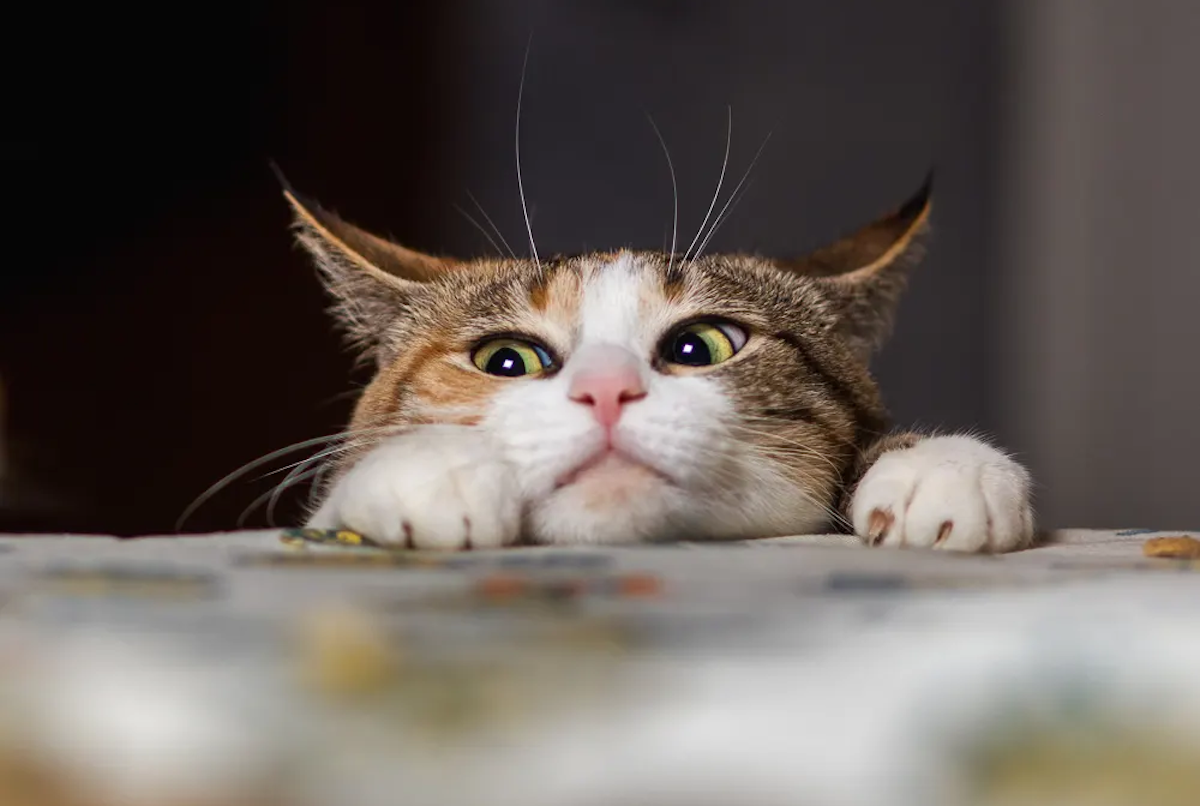
Credit: www.kinship.com
Frequently Asked Questions
Do Cats Show Signs Of Boredom?
Yes, cats show signs like excessive sleeping, scratching, and meowing when bored. They may also lose interest in toys or food.
How Can I Keep My Cat Entertained?
Provide interactive toys, playtime, and climbing spaces. Rotating toys regularly keeps your cat mentally stimulated and active.
Can Boredom Affect My Cat’s Health?
Yes, boredom can lead to stress, anxiety, and destructive behavior. It may also cause obesity due to inactivity.
How Often Should I Play With My Cat?
Daily play sessions of 10-15 minutes keep your cat engaged and happy. Regular interaction strengthens your bond and reduces boredom.
Conclusion
Cats need mental and physical activities to stay happy. Boredom can lead to bad behavior or health problems. Playtime, new toys, and attention keep cats engaged. Watching your cat’s mood helps spot signs of boredom. Simple changes make a big difference in their life.
A happy cat is a lively and loving pet. Keep your cat active and curious every day. This care improves your bond and their well-being. Small efforts bring a joyful and energetic feline friend.
