

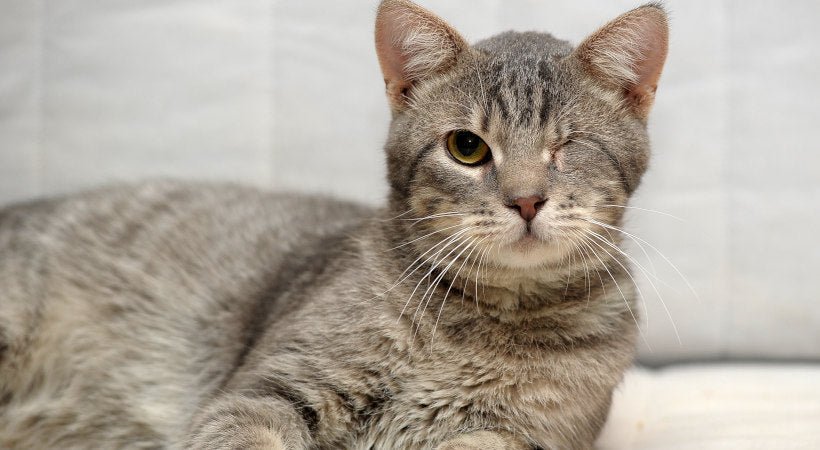
Do you have a cat that needs a little extra care? Understanding special needs in cats can make a huge difference in your furry friend’s happiness and health.
Whether your cat has a medical condition, mobility challenges, or unique behavioral traits, knowing how to support them is key. This guide will help you recognize those needs and give you simple tips to improve your cat’s quality of life.
Keep reading to discover how you can make every day better for your special companion.
Common Special Needs In Cats
Cats with special needs may require extra care for issues like mobility, vision, or chronic illness. Understanding these needs helps improve their comfort and health. Many cats benefit from gentle support and tailored environments to thrive.
Understanding the common special needs in cats can help you provide the best care for your feline friends. Cats, like humans, can have unique challenges that require extra attention. By recognizing and addressing these needs, you can enhance their quality of life and ensure they thrive in your home.Chronic Illnesses
Chronic illnesses such as diabetes, kidney disease, and hyperthyroidism are common in cats. Managing these conditions often requires regular veterinary visits and medication. Have you noticed your cat drinking more water than usual or losing weight unexpectedly? These could be signs of a chronic illness that needs attention.Mobility Challenges
Cats with mobility issues may struggle with arthritis or injuries. This can make jumping or even walking painful. Consider installing ramps or steps to help your cat access their favorite spots without strain. A friend of mine noticed her elderly cat hesitating before jumping onto the couch, so she added a small step stool to ease the climb.Sensory Impairments
Vision and hearing impairments are not uncommon in older cats. These sensory changes can affect how your cat interacts with their environment. You can support them by keeping their surroundings consistent and avoiding sudden changes. Have you ever watched a blind cat navigate confidently around a familiar room? It’s a testament to their adaptability, but they still need your support.Behavioral Differences
Some cats may exhibit behavioral differences due to anxiety, stress, or neurological issues. These can manifest as aggression, excessive grooming, or withdrawal. Providing a stable environment and seeking advice from a veterinarian or feline behaviorist can make a difference. Do you think your cat’s sudden change in behavior might be more than just a mood swing? Recognizing and understanding these special needs can transform how you care for your cat, ensuring they lead a happy and fulfilling life. By taking proactive steps, you offer them the chance to overcome their challenges and enjoy every day to the fullest.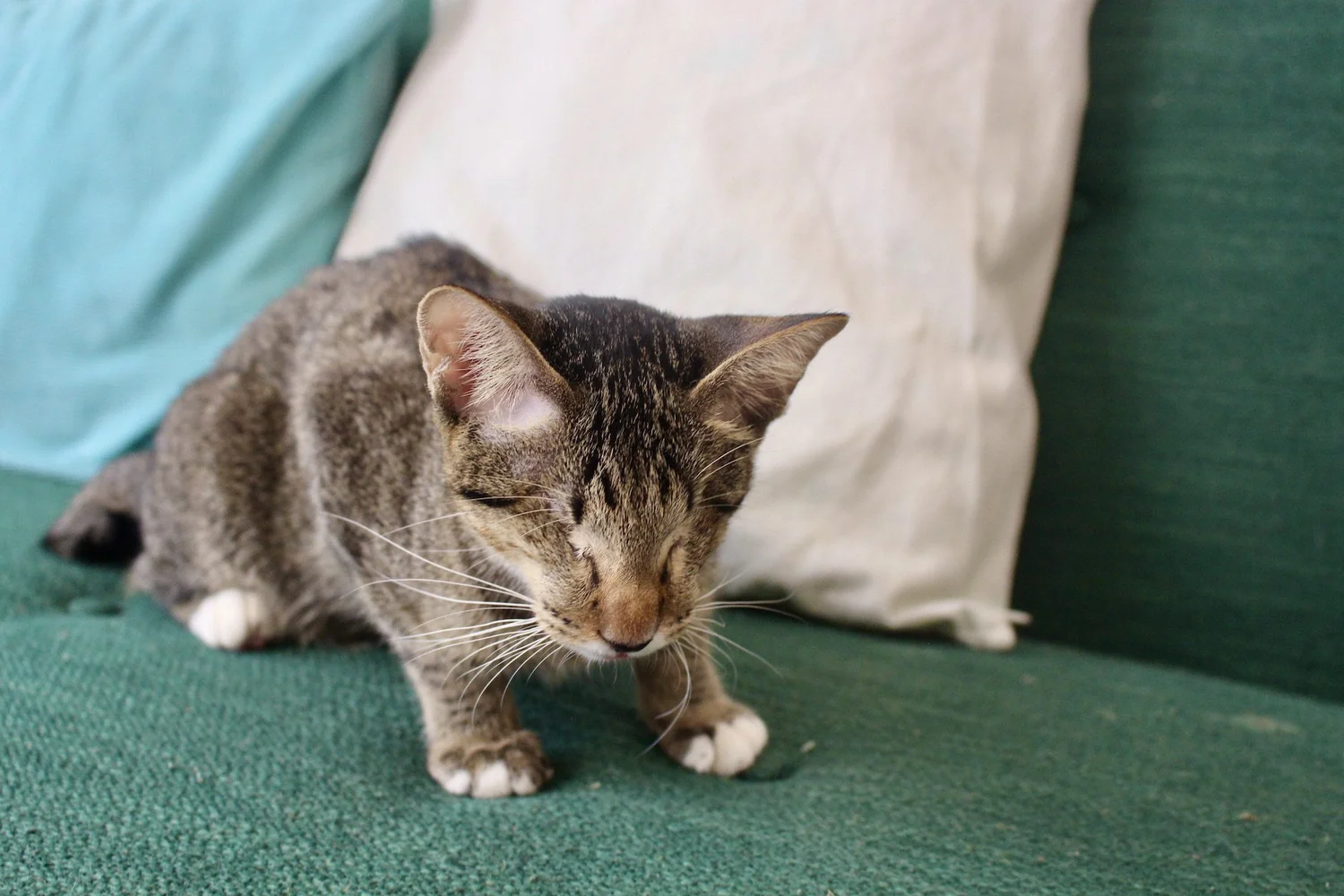
Credit: www.ministryofcat.com
Diet And Nutrition Adjustments
Diet and nutrition play a key role in caring for cats with special needs. Their bodies may process food differently. Adjusting their diet helps support health and comfort. Feeding plans need to fit their unique conditions. Proper nutrition can improve energy and well-being.
Tailored Feeding Plans
Each special needs cat requires a unique feeding plan. Factors like age, illness, and activity affect food choices. Smaller, frequent meals can aid digestion and energy. Prescription diets may help with kidney, heart, or digestive issues. Consult a vet to design the best plan. Monitor your cat’s weight and adjust portions as needed.
Supplements And Vitamins
Supplements may fill nutritional gaps for special needs cats. Omega-3 fatty acids support joint and skin health. Probiotics improve digestion and immune function. Vitamins like B-complex boost energy and nerve health. Avoid giving human supplements without vet advice. Proper supplements can enhance recovery and overall vitality.
Hydration Importance
Hydration is vital for cats with special needs. Some conditions increase water requirements or cause dehydration. Wet food adds moisture and encourages drinking. Fresh water should always be available and clean. Use water fountains to attract reluctant drinkers. Proper hydration supports kidney function and toxin removal.
Creating A Safe Environment
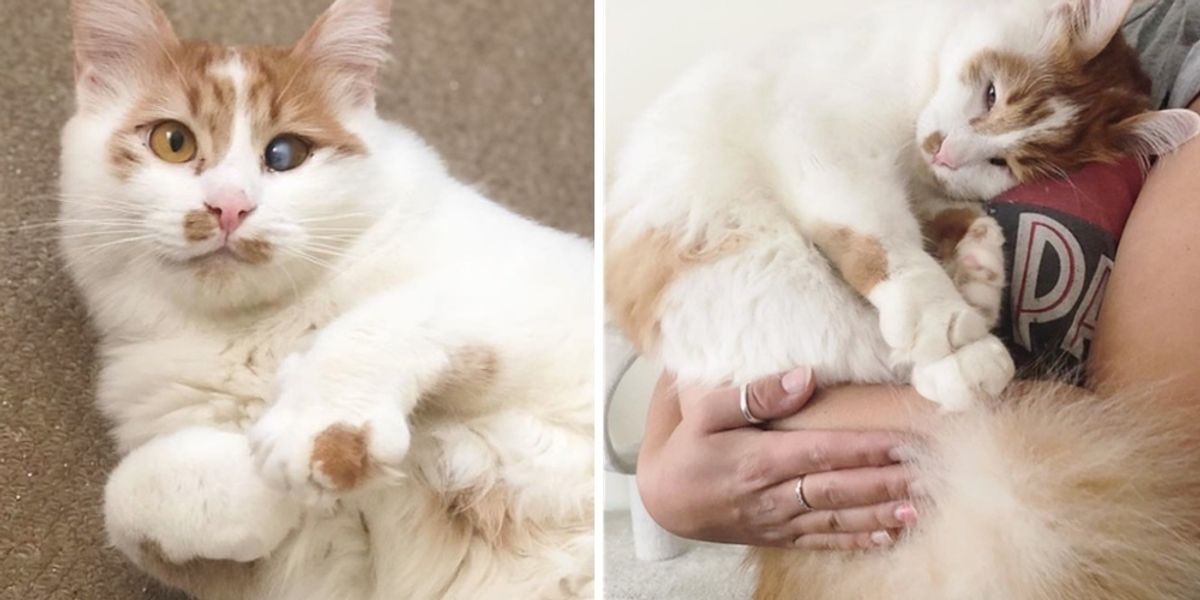
Creating a safe environment is vital for cats with special needs. It helps them feel secure and comfortable every day. Small changes in your home can make a big difference in their quality of life. Focus on making spaces easy to access, restful, and calm. This support reduces risks and promotes well-being for your cat.
Accessible Living Spaces
Arrange furniture to allow easy movement for your cat. Remove obstacles that may block their path. Use ramps or low steps for climbing areas. Place food, water, and litter boxes in reachable spots. Ensure all essential items are within your cat’s easy reach. This setup helps cats with mobility issues feel independent.
Comfortable Rest Areas
Create cozy spots where your cat can relax without disturbance. Use soft bedding that supports their body well. Keep rest areas in quiet corners away from noise. Add warm blankets for extra comfort, especially for older cats. Change bedding regularly to maintain cleanliness. A peaceful resting place helps your cat recover energy.
Minimizing Stress Triggers
Identify and reduce factors that cause anxiety in your cat. Loud noises, bright lights, or strong smells can be stressful. Keep a calm atmosphere with gentle sounds and dim lighting. Provide hiding spots where your cat can retreat if scared. Use calming sprays or diffusers designed for cats. Lower stress helps improve their overall health and happiness.
Credit: www.lovemeow.com
Medical Care And Monitoring
Providing medical care and monitoring for cats with special needs requires dedication and attention. These cats often face ongoing health challenges that demand careful management to ensure they live comfortable lives. Understanding how to navigate vet visits, medication, and symptom tracking can make a real difference in your cat’s well-being.
Regular Vet Visits
Scheduling consistent vet check-ups is essential for cats with special needs. These visits help catch problems early before they escalate. Your vet can adjust treatment plans based on how your cat responds, which is crucial for chronic conditions.
Don’t hesitate to ask questions during appointments. What changes should you watch for at home? How often should follow-up visits be? Staying informed keeps you one step ahead.
Medication Management
Giving medicine on time and in the right dose can be challenging but is vital for your cat’s health. Use pill organizers or set reminders on your phone to avoid missed doses. Some cats resist pills, so try hiding medication in treats or soft food.
Keep a list of all medications, including dosages and schedules. Share this list with anyone else who cares for your cat to ensure consistency. Have you noticed any side effects? Reporting these quickly to your vet can prevent complications.
Monitoring Symptoms
Watching your cat closely for changes in behavior, appetite, or mobility helps you catch issues early. Keep a daily journal of symptoms and activities to spot patterns. Small shifts can signal bigger health concerns.
Use simple tools like charts or apps to track progress. When was the last time your cat seemed more playful or less interested in food? Asking these questions helps you provide detailed updates to your vet.
Exercise And Mental Stimulation
Exercise and mental stimulation are vital for cats with special needs. Keeping their bodies active supports muscle strength and joint health. Mental activities help prevent boredom and reduce stress. Both aspects improve their overall quality of life and happiness.
Low-impact Activities
Low-impact exercises suit cats with limited mobility or pain. Gentle stretching and slow walking encourage movement without strain. Using soft surfaces helps protect sensitive joints. Short, frequent sessions are better than long workouts. Simple activities like reaching for toys keep muscles active.
Interactive Toys
Interactive toys engage both body and mind. Toys that move or make noise catch a cat’s attention. Puzzle feeders provide a challenge and reward. These toys promote problem-solving and curiosity. They keep cats busy and reduce destructive behavior.
Social Interaction
Social time with humans or other pets stimulates the cat’s mind. Gentle petting and talking calm anxiety and build trust. Play sessions with owners encourage movement and bonding. Observing other animals also entertains and mentally stimulates. Social interaction supports emotional health and well-being.
Grooming And Hygiene Needs
Caring for special needs cats requires extra attention to grooming and hygiene. These cats might struggle with normal grooming tasks. Their unique needs call for gentle techniques and patience. Keeping them clean helps prevent infections and skin problems. It also supports their overall health and comfort.
Assisted Grooming Techniques
Many special needs cats cannot groom themselves well. Help from their owners becomes essential. Use soft brushes to remove loose fur and dirt. Gentle wiping with damp cloths can clean hard-to-reach areas. Take breaks to avoid stressing the cat. Regular grooming sessions build trust and comfort.
Skin And Coat Care
Special needs cats often have sensitive skin. Choose hypoallergenic shampoos and grooming products. Avoid harsh chemicals that can irritate. Check the skin for redness, sores, or dryness. Moisturize dry patches with vet-approved creams. Healthy skin supports a shiny, strong coat.
Managing Incontinence
Incontinence is common in some special needs cats. Frequent cleaning prevents skin sores and infections. Use gentle wipes designed for pets. Change bedding and litter regularly to keep the area dry. Consult a vet for products to protect the skin. Proper care improves your cat’s comfort and hygiene.
Support For Caregivers
Caring for a cat with special needs can be deeply rewarding but also challenging. Support for caregivers is crucial to maintain both your well-being and the quality of care you provide. You don’t have to face these challenges alone—building a strong support system and accessing the right resources can make a significant difference.
Building A Support Network
Connecting with others who understand your situation can offer emotional relief and practical advice. Look for local pet support groups or online communities where caregivers share tips and experiences.
Friends and family might want to help but may not know how. Be open about your needs—whether it’s watching your cat for a few hours or just listening when you need to talk.
Have you considered reaching out to veterinary professionals or pet therapists? They can provide specialized guidance and connect you with additional resources tailored to your cat’s needs.
Stress Management
Stress can sneak up on you when caring for a special needs cat. Taking care of yourself is not a luxury; it’s a necessity for your cat’s well-being too.
Simple actions, like setting aside a few minutes daily for deep breathing or short walks, can lower stress levels. You might find keeping a journal helpful to track your feelings and identify what triggers your stress.
What strategies have you tried to stay calm during tough moments? Sharing these with your support network can open up new ideas and help you feel less isolated.
Educational Resources
Understanding your cat’s condition empowers you to provide better care. Look for reputable websites, books, and videos created by veterinarians and animal behaviorists.
Many shelters and clinics offer workshops or informational sessions on caring for special needs pets. Attending these can boost your confidence and skills.
Don’t hesitate to ask your vet for recommended reading or online courses. The more you know, the better you can advocate for your cat’s health and happiness.

Credit: walkinpets.com
Frequently Asked Questions
What Are Common Special Needs In Cats?
Common special needs in cats include mobility issues, sensory impairments, chronic illnesses, and behavioral disorders. These conditions require tailored care to ensure their well-being and comfort.
How Can I Care For A Cat With Special Needs?
Provide a safe environment, regular vet visits, and specialized diets. Patience and understanding are crucial for managing their unique health requirements.
Are Special Needs Cats More Expensive To Care For?
Yes, special needs cats often require extra medical care, medications, and specialized food, which can increase overall expenses.
Can Special Needs Cats Live Long, Happy Lives?
With proper care, love, and medical attention, special needs cats can live fulfilling and happy lives for many years.
Conclusion
Caring for cats with special needs takes patience and love. Each cat has unique health and emotional needs. Understanding these needs helps improve their quality of life. Small changes in care can make a big difference. Always watch for signs of discomfort or illness.
Regular vet visits keep your cat healthy and happy. Giving extra attention shows you truly care. Special needs cats can live full, joyful lives. Your support means everything to them. Keep learning and adapting to help your cat thrive.
