

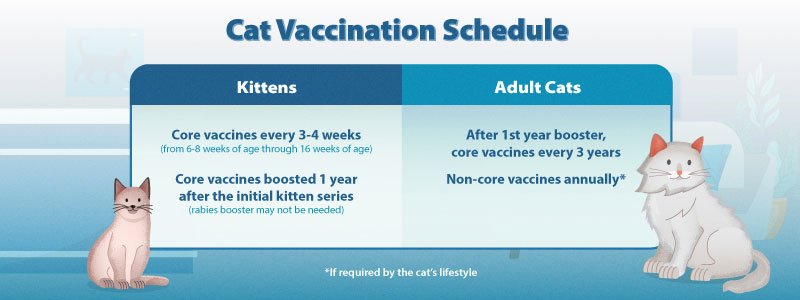
Are you wondering if your indoor cat really needs vaccines every year? It’s a question many cat owners face.
You want to keep your furry friend safe without unnecessary visits or costs. But how do you know what’s best for your cat’s health? Understanding the facts about vaccines and how often your indoor cat needs them can help you make the right choice.
Keep reading to discover what experts say and what you should consider for your cat’s well-being.
Vaccination Basics For Indoor Cats
Vaccinations are crucial for your indoor cat’s health. They help protect against various diseases. Even if your cat stays indoors, vaccines are important. Diseases can still be brought into your home. Let’s explore the basics of vaccination for indoor cats.
Core Vaccines Explained
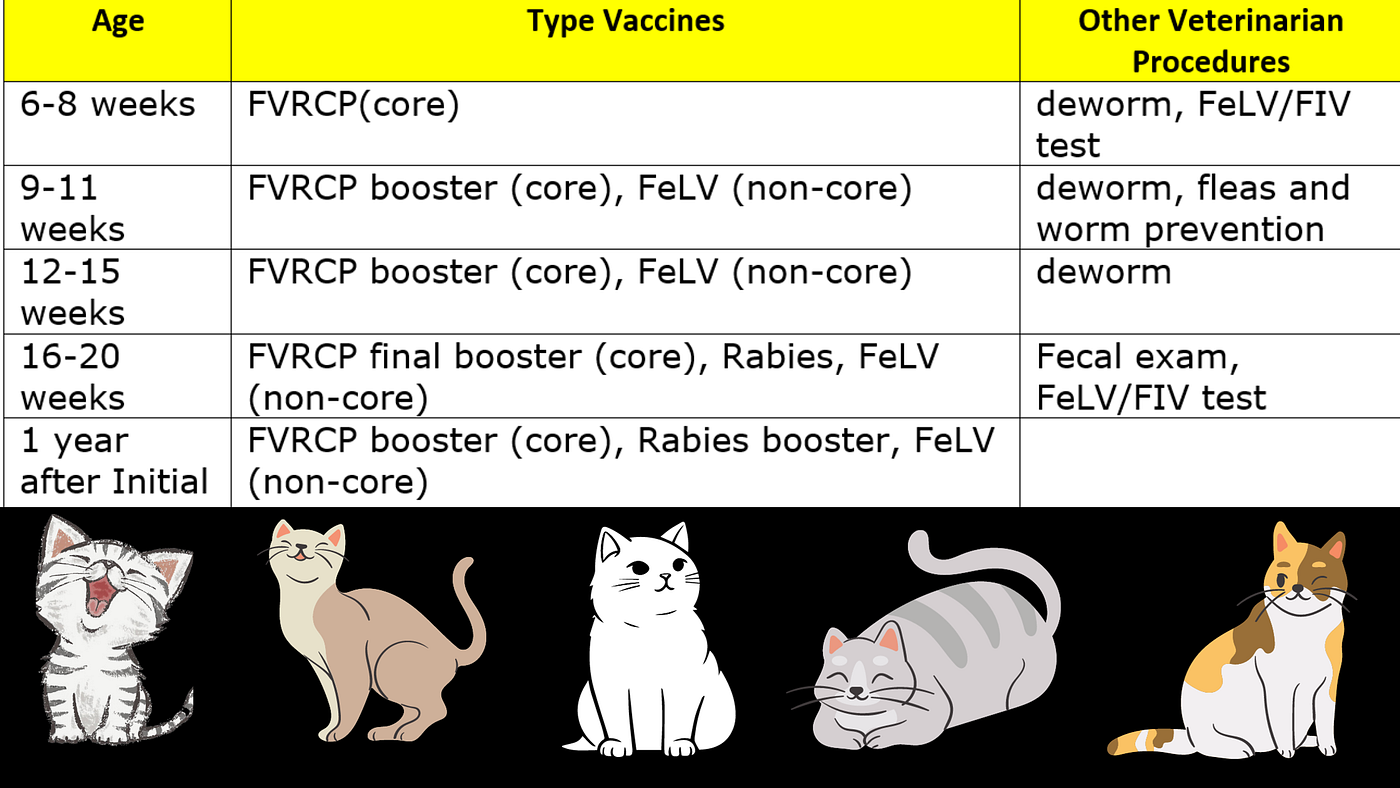
Core vaccines are essential for all cats. These vaccines protect against common and severe diseases. Feline panleukopenia, calicivirus, and herpesvirus are included. Rabies vaccine is also considered core in many areas. These vaccines ensure your cat stays healthy and safe.
Non-core Vaccines For Specific Risks
Non-core vaccines depend on individual risk factors. They are not needed for every cat. Some examples are the feline leukemia vaccine or Bordetella. Discuss with your vet about your cat’s lifestyle and potential risks. This will help decide if these vaccines are necessary.
Factors Influencing Vaccine Frequency
Understanding why some indoor cats need vaccines more frequently than others can help you make smarter choices for your furry friend. Vaccine schedules aren’t one-size-fits-all. Several factors come into play that influence how often your cat should get vaccinated.
Age And Health Status
Young kittens usually need a series of vaccines to build strong immunity, but as cats grow older, their immune response changes. Senior cats or those with certain health issues might require a different vaccine schedule. If your cat has a weakened immune system, your vet may recommend more frequent or additional vaccines to keep infections at bay.
Think about your cat’s current health—are they generally healthy or dealing with ongoing medical conditions? Your vet will consider this before suggesting how often shots are necessary. Have you noticed your cat catching colds or infections more easily? This could be a sign that their vaccine routine needs adjustment.
Lifestyle And Exposure Risks
Even indoor cats aren’t completely isolated from risks. If your cat occasionally goes outside, interacts with other pets, or has frequent vet visits, they face higher exposure to diseases. This increases the need for regular vaccinations.
- Does your cat have contact with other animals? Boarding or grooming visits can expose them to germs.
- Are there outdoor cats nearby? Viruses can spread through indirect contact.
- Do you live in an area with prevalent feline diseases?
Answering these questions helps you evaluate your cat’s risk level. If the answer is yes to any, annual vaccines might be necessary to keep your cat safe. What’s your cat’s lifestyle like? Could their routine be putting them at higher risk than you realize?
Common Indoor Cat Diseases Prevented By Vaccines
Vaccines protect indoor cats from serious diseases. Even if cats stay indoors, they can catch infections. These illnesses spread through contact with other pets, humans, or contaminated objects. Vaccines help build immunity and keep cats healthy. Understanding the common diseases helps pet owners see the importance of regular vaccinations.
Feline Panleukopenia
Feline Panleukopenia is a severe viral infection. It affects a cat’s immune system and digestive tract. Symptoms include vomiting, diarrhea, and fever. The disease spreads easily through contact with infected cats or contaminated surfaces. Vaccination prevents this deadly illness and protects your cat’s health.
Feline Herpesvirus
Feline Herpesvirus causes respiratory infections. Cats get sneezing, eye discharge, and nasal congestion. This virus can stay in a cat’s body for life, causing flare-ups. Vaccines reduce symptoms and lower the chance of infection. They keep your cat comfortable and safe.
Feline Calicivirus
Feline Calicivirus also affects the respiratory system. It causes mouth sores, coughing, and sneezing. This virus spreads through saliva and nasal fluids. Vaccination helps prevent outbreaks and severe illness. It is essential for maintaining your cat’s well-being.
Credit: medium.com
Risks Of Over-vaccination
Vaccines protect cats from many serious diseases. But giving vaccines too often can cause problems. Over-vaccination happens when a cat gets vaccines more often than needed. This can increase health risks. Knowing these risks helps owners and vets make better choices.
Potential Side Effects
Some cats may feel sick after extra vaccines. Side effects include:
- Swelling or pain at the injection site
- Fever and tiredness
- Loss of appetite
- Behavior changes like hiding
These symptoms usually go away in a few days. But repeated vaccines raise the chance of side effects.
Allergic Reactions
Allergic reactions can happen after vaccines. Signs include:
- Itching or rash
- Swelling of the face or paws
- Difficulty breathing
- Vomiting or diarrhea
Severe allergies need quick vet care. Over-vaccination may increase these risks. Careful vaccine schedules reduce chances of allergic problems.
Veterinarian Recommendations
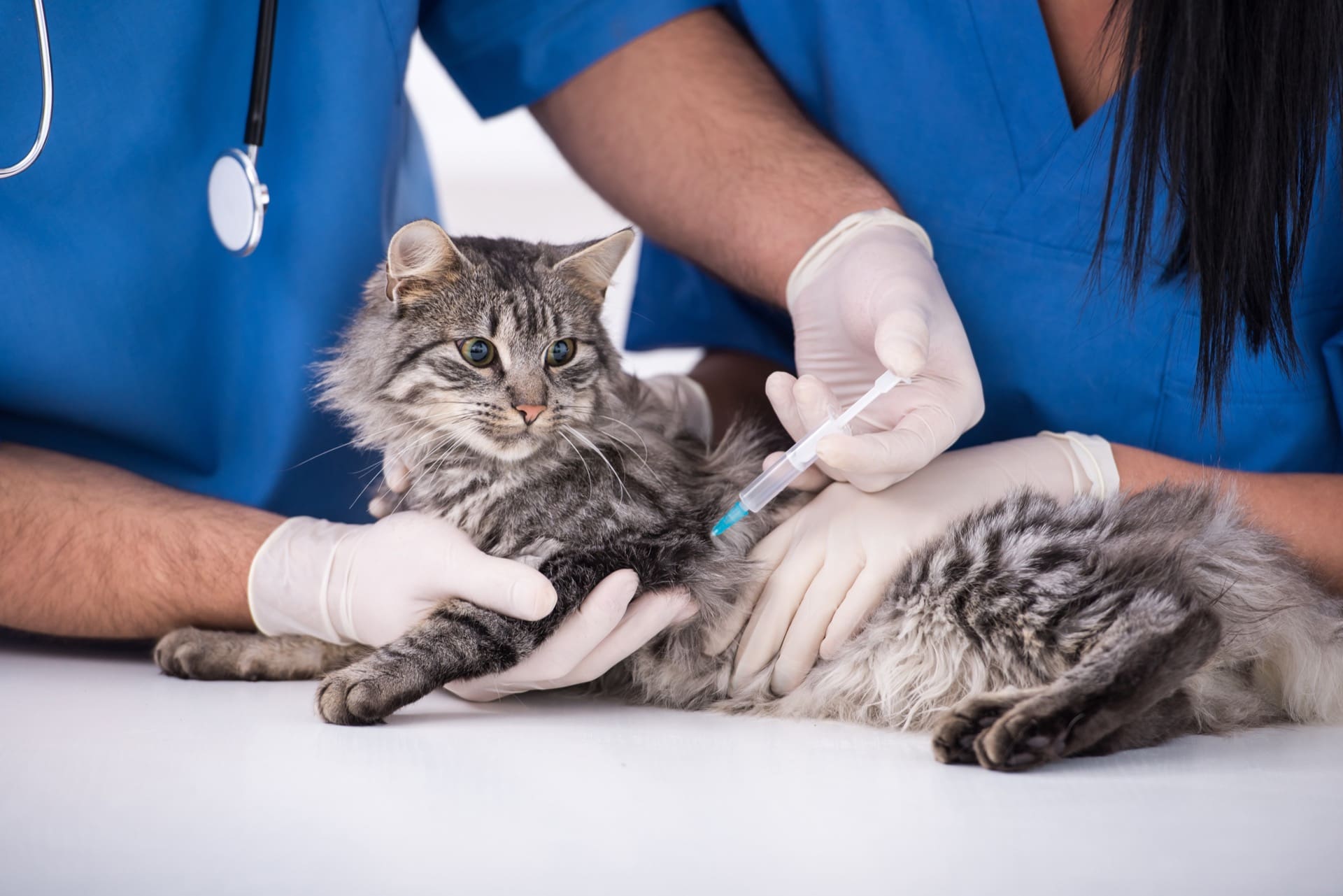
Veterinarian recommendations guide the vaccine schedule for indoor cats. They assess each cat’s health and lifestyle before suggesting vaccines. These professionals help keep cats safe from diseases.
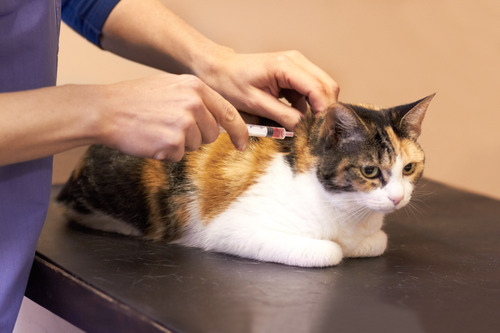
Indoor cats still face risks from viruses that can enter homes. Vaccines protect cats and reduce the chance of severe illness. Regular vet visits ensure vaccines are updated as needed.
Tailoring Vaccine Schedules
Vaccine schedules vary depending on the cat’s age, health, and risk factors. Vets customize plans to fit each cat’s needs. Some indoor cats may not need yearly shots for all vaccines.
Core vaccines like rabies often require regular boosters. Non-core vaccines depend on exposure risk. Your vet decides which vaccines and how often they are given.
Importance Of Regular Health Checks
Health checks help vets monitor the cat’s condition and immune response. They detect early signs of illness and adjust vaccine plans. Regular exams also ensure vaccines are safe and effective.
During visits, vets check for other health issues too. A healthy cat can get the right vaccines at the right time. These checks keep indoor cats protected year after year.
Credit: spallandharveyanimalhospital.ca
Alternatives To Annual Vaccination
Many cat owners wonder if yearly vaccines are necessary for indoor cats. There are alternatives that offer protection without yearly shots. These options can suit cats with lower exposure risks.
Choosing the right vaccination plan depends on your cat’s health and lifestyle. Some alternatives provide longer immunity, reducing the need for annual visits. Others test if your cat still has protection, avoiding unnecessary vaccines.
Three-year Vaccines
Some vaccines are designed to last three years instead of one. They protect against common cat diseases like rabies and feline distemper. Using these vaccines means fewer shots and vet visits. Your veterinarian can advise which vaccines are available and safe for your cat.
Titer Testing For Immunity
Titer testing measures your cat’s immunity level through a blood test. It shows if your cat still has protection against certain diseases. This test helps decide if a vaccine booster is needed. Titer testing can avoid unnecessary vaccinations, especially for indoor cats with low risk.
Tips For Keeping Indoor Cats Healthy
Keeping indoor cats healthy requires more than just vaccinations. Their well-being depends on a rich environment and proper care. Creating a safe, stimulating space keeps cats happy and active. Feeding the right food and encouraging movement supports their overall health.
Environmental Enrichment
Indoor cats need mental and physical stimulation daily. Provide scratching posts, climbing trees, and hiding spots. Rotate toys regularly to keep their interest alive. Window perches offer natural sunlight and outside views. Playtime with interactive toys strengthens your bond and keeps them agile. A calm, quiet space helps reduce stress and anxiety.
Nutrition And Exercise
Feed high-quality cat food that meets their age and health needs. Measure portions to avoid overfeeding and obesity. Fresh water should always be available. Encourage exercise with daily play sessions. Use toys like feather wands or laser pointers for chasing games. Small treats can motivate activity but keep them minimal. Regular exercise keeps muscles strong and joints healthy.
Credit: triangleanimalclinic.com
Frequently Asked Questions
Do Indoor Cats Need Yearly Vaccinations?
Yes, indoor cats generally need annual vaccines. Vaccines protect them from common feline diseases. Your vet can recommend the best schedule based on your cat’s lifestyle and health.
Which Vaccines Are Essential For Indoor Cats?
Core vaccines like rabies, feline distemper, and calicivirus are essential. Non-core vaccines depend on risk factors. Always consult your vet to tailor vaccinations for your indoor cat.
Can Indoor Cats Skip Some Vaccines?
Some vaccines may be spaced out or skipped if your cat has low risk. However, skipping core vaccines is not advised. Always follow your veterinarian’s guidance for safe vaccine protocols.
What Risks Do Unvaccinated Indoor Cats Face?
Unvaccinated cats risk serious illnesses like rabies and feline leukemia. Indoor cats can still catch diseases from other pets or accidental outdoor exposure. Vaccination helps prevent these health threats.
Conclusion
Vaccinating indoor cats helps keep them healthy and safe. Some vaccines need yearly updates to work best. Talk with your vet about the right schedule for your cat. Even indoor cats can face risks from visitors or bugs. Staying up to date with shots prevents serious diseases.
Protect your furry friend with simple, regular care. Peace of mind comes with knowing your cat is safe. Small steps now save big troubles later. Keep your cat happy and healthy, year after year.
