


If your cat is about to have kittens, you’re probably feeling excited—and a little nervous. But how do you know when she’s actually in labor?
Recognizing the signs early can help you provide the right care and stay calm throughout the process. You’ll learn exactly what to watch for, so you can be ready to support your furry friend every step of the way. Keep reading to discover the clear signs your cat is in labor and what you should do next.
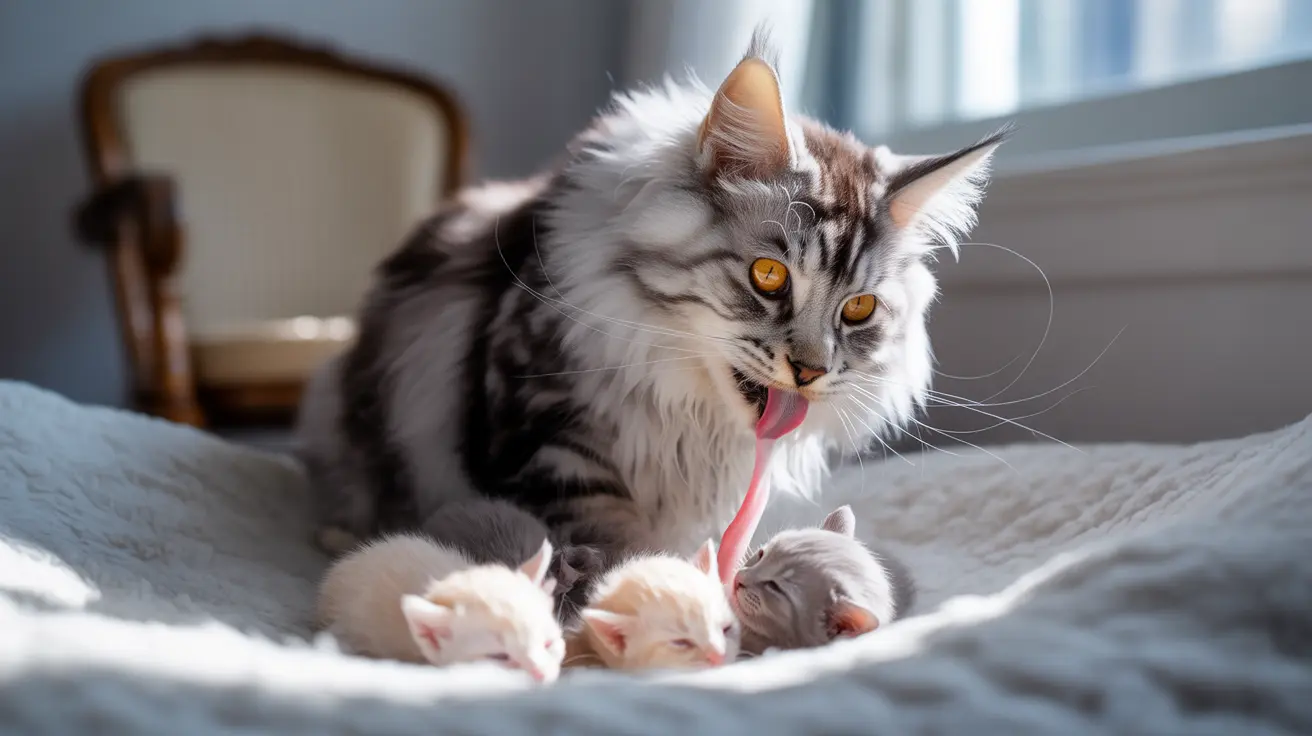
Credit: www.petscare.com
Early Labor Signs
Signs like restlessness, nesting, and vocalizing can mean your cat is about to give birth. Watch for a drop in body temperature and loss of appetite as labor nears. These early signals help prepare for the kitten’s arrival.
Early signs of labor in cats are subtle but important. Observing these can prepare you for the big day. You might notice changes in behavior, nesting habits, and eating patterns.Behavioral Changes
A cat in early labor may seem restless. She might pace more than usual. Her demeanor could shift to being more affectionate or distant. Listen for vocalizations. She might meow more often or differently. These behavioral changes are her ways of seeking comfort.Nesting Instincts
Watch for nesting behavior. Your cat may start looking for quiet spots. She could choose a closet or under a bed. Observe her arranging blankets or towels. This is her preparing a safe space for her kittens.Appetite And Rest Patterns
Notice any appetite changes. She might eat less as labor approaches. Rest patterns could change too. She may sleep more during the day. Or, she could be up at night, preparing for labor. These shifts are natural as her body readies for birth.
Credit: www.discovermagazine.com
Physical Symptoms
Recognizing the physical symptoms of labor in your cat is crucial for timely care. These signs are often subtle but clear once you know what to look for. Paying close attention to changes in her body will help you support her through this important time.
Body Temperature Drop
Your cat’s body temperature usually stays between 100.5°F and 102.5°F. About 12 to 24 hours before labor begins, expect a noticeable drop to around 99°F or lower. This temperature change signals that delivery is near.
Take your cat’s temperature regularly if you suspect labor is close. A simple digital thermometer works well, but be gentle to keep her calm. Have you ever noticed a sudden chill or coolness in your cat before she gave birth?
Vaginal Discharge
Keep an eye on any vaginal discharge, as it can reveal a lot about the labor stage. Clear or slightly cloudy discharge is normal as labor approaches. However, green or bloody discharge means labor is imminent or already started.
Discharge might increase slowly or appear suddenly, so check frequently without disturbing her too much. If the discharge smells foul or looks unusual, it’s a sign to contact your vet immediately. How closely do you monitor your cat’s hygiene during pregnancy?
Contractions And Pacing
Contractions are the most obvious physical sign your cat is in labor. You’ll see her abdomen tighten rhythmically, and she may grunt or vocalize softly. These contractions come in waves and grow stronger over time.
Your cat might also start pacing or nesting, searching for a safe, quiet place. This restlessness shows she’s preparing to deliver. Have you noticed your cat acting unusually restless or trying to hide before giving birth?
Stages Of Labor
Understanding the stages of labor helps you recognize when your cat is ready to give birth. Labor happens in three main stages. Each stage has clear signs. Knowing these signs lets you support your cat better during this time.
First Stage: Dilation
The first stage starts with the cervix opening. Your cat may seem restless or hide more than usual. She might lick her genitals often. You may notice her breathing faster. This stage can last from several hours to a full day.
Second Stage: Delivery
The second stage is when kittens are born. Your cat will push with contractions. You may see clear or slightly bloody fluid before kittens arrive. Each kitten usually takes 10 to 60 minutes to be born. Your cat cleans each kitten and bites the umbilical cord.
Third Stage: Afterbirth
After each kitten, the placenta or afterbirth is delivered. This stage may last a few minutes or up to an hour. Your cat may rest between deliveries. Make sure she does not eat the placentas or shows signs of distress.

Credit: www.reddit.com
When To Contact A Vet
Knowing when to contact a vet during your cat’s labor can make a big difference in the outcome. Labor can be unpredictable, and some situations need professional help immediately. Being alert to warning signs helps you act fast and keep your cat and kittens safe.
Signs Of Distress
Your cat might be in distress if she shows unusual behavior like constant vocalizing or restlessness. Heavy panting, pale gums, or a weak pulse are serious signs. If your cat stops pushing for over 30 minutes but seems like she’s trying hard, you should call your vet right away.
Prolonged Labor
Labor usually lasts between 6 and 24 hours, but if it extends beyond this, it’s time to get help. If your cat has been in stage two labor (actively pushing) for more than two hours without delivering a kitten, don’t wait. Prolonged labor can cause exhaustion or complications that need medical attention.
Complications To Watch For
- Green or black discharge before the first kitten arrives
- Visible straining for over 20 minutes with no kitten appearing
- Obvious pain or signs of shock such as vomiting or collapsing
- One kitten stuck in the birth canal
Have you ever noticed something off during your cat’s labor but weren’t sure if it was an emergency? Trust your instincts—if you’re worried, calling your vet can save lives. Never hesitate to ask for advice, even if you’re unsure about the severity of the signs.
Preparing For The Birth
Preparing for your cat’s birth is more than just waiting for the moment. It’s about creating a calm and secure environment that helps both you and your cat feel ready. Taking practical steps now can make the whole experience smoother and less stressful.
Creating A Safe Space
Your cat needs a quiet, warm, and private area to give birth. Choose a spot away from loud noises and high traffic, like a quiet corner or a spare room. Use soft blankets or towels to line a box or a pet bed—something cozy but easy to clean.
Have you noticed how cats often hide or nest before labor? Giving her that safe spot respects her natural instincts and reduces anxiety.
Essential Supplies
Gathering supplies ahead of time saves you from last-minute panic. Keep these handy near the birthing area:
- Clean towels or cloths for wiping kittens
- Disposable gloves to keep things hygienic
- A heating pad wrapped in a towel to keep newborns warm
- Scissors and dental floss for emergency umbilical cord care
- Contact info for your vet in case you need urgent advice
Having these ready shows you’re prepared to support your cat’s needs right away.
Monitoring Without Stress
Watching your cat closely is important, but don’t crowd her or cause stress. Check in quietly and from a distance, especially as labor begins. You want to be alert for signs like restlessness or contractions without interrupting her natural process.
Have you thought about how your calm presence can actually comfort your cat? Your steady support is more powerful than constant interference.
Keep a journal or notes on what you observe—times of contractions or kitten arrivals can be helpful for your vet if any issues arise.
Frequently Asked Questions
How Do I Know If My Cat Is In Early Labor?
Early labor signs include restlessness, nesting behavior, and mild contractions. Your cat may also refuse food and groom excessively.
What Are The Physical Signs Of A Cat In Labor?
Look for heavy breathing, visible contractions, and a swollen vulva. Milk may leak from her nipples as labor progresses.
How Long Does A Cat’s Labor Usually Last?
Labor typically lasts between 6 to 12 hours but can vary. If it exceeds 24 hours, consult a vet immediately.
When Should I Call A Vet During My Cat’s Labor?
Call a vet if contractions last over an hour without kittens or if your cat appears distressed or weak.
Conclusion
Watching your cat closely helps you know when labor starts. Signs like restlessness, nesting, and contractions show she’s ready. Stay calm and give her a quiet, safe place. Keep water and food nearby for her comfort. Call the vet if problems arise or labor takes too long.
Being prepared means your cat and kittens stay safe and healthy. Trust your instincts and watch for these clear signals. Labor can be intense, but your care makes all the difference.
