

If you want your cat to stay healthy and happy, knowing which vaccines they need every year is crucial. You might wonder why some shots are necessary annually and how they protect your furry friend.
By understanding the vaccines your cat needs yearly, you can prevent serious illnesses and avoid unexpected vet bills. Keep reading to discover the essential vaccines that keep your cat safe all year long.
Core Vaccines For Cats
Core vaccines are essential for every cat’s health. They protect against serious diseases. These vaccines are recommended for all cats, regardless of their lifestyle. Regular vaccination keeps your feline friend healthy and safe.
Rabies Vaccine
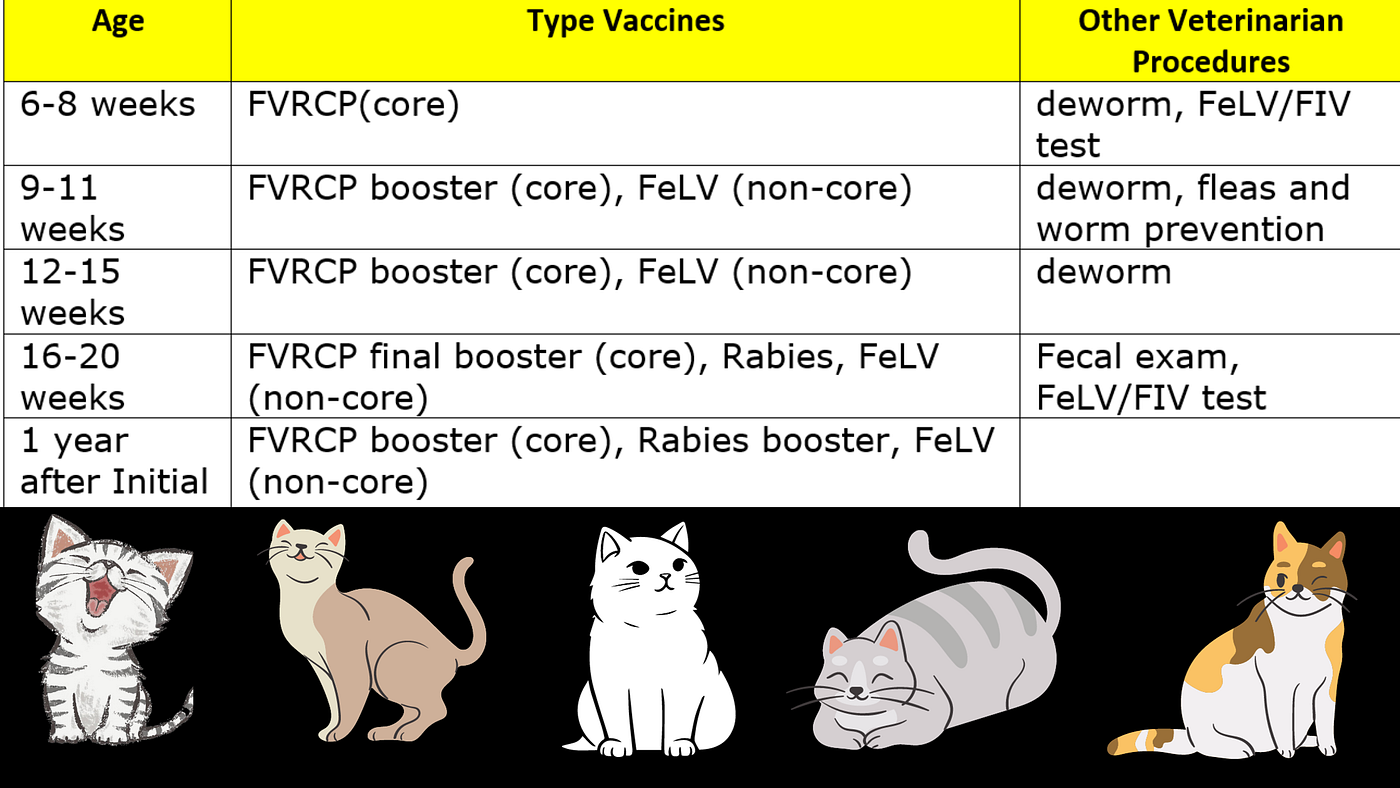
The rabies vaccine is crucial for cats. Rabies is a deadly virus that can spread to humans. Vaccinating your cat helps control this risk. Most areas require the rabies vaccine by law. Ensure your cat receives it yearly or as directed by your vet.
Feline Viral Rhinotracheitis, Calicivirus, And Panleukopenia (fvrcp)
The FVRCP vaccine protects against three diseases. Feline Viral Rhinotracheitis causes respiratory issues. Calicivirus affects the mouth and respiratory system. Panleukopenia is often fatal, especially in kittens. This combination vaccine is vital for your cat’s health. It should be administered annually to provide continuous protection.
Credit: petpettypaw.com
Non-core Vaccines
Non-core vaccines protect cats from diseases they might face based on their lifestyle or environment. These vaccines are not necessary for all cats. They help cats who have a higher risk of certain infections. Discussing these vaccines with a vet helps decide what your cat needs.
Feline Leukemia Virus (felv)
FeLV is a serious virus that affects cats’ immune systems. Cats that go outside or live with other cats may need this vaccine. It helps prevent infection and slows disease spread. The vaccine is usually given yearly to maintain protection.
Chlamydia And Bordetella
These bacteria cause respiratory problems in cats. Cats in shelters or crowded places are more at risk. The vaccines reduce symptoms and keep the infection from spreading. Yearly shots help keep your cat healthy in such environments.
Feline Immunodeficiency Virus (fiv)
FIV weakens a cat’s immune system over time. Outdoor cats or those that fight with other cats may need this vaccine. It lowers the chance of infection but does not fully prevent it. Annual vaccination helps manage the risk for vulnerable cats.
Vaccination Schedule
Keeping cats healthy requires sticking to a clear vaccination schedule. This schedule helps protect cats from common and dangerous diseases. Vaccines are given at specific times to build strong immunity. The timing can differ between kittens and adult cats. Understanding these differences makes vaccine planning easier and more effective.
Kittens Vs. Adult Cats
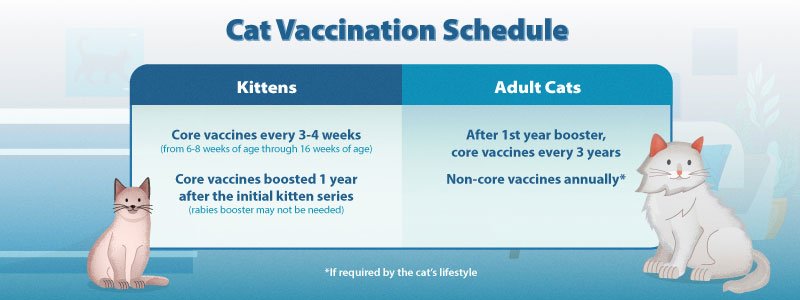
Kittens need a series of vaccines starting at six to eight weeks old. These vaccines repeat every three to four weeks until they reach 16 weeks. Kittens get their first protection against diseases like feline distemper and respiratory infections during this time.
Adult cats usually get fewer vaccines. If they have a vaccination history, they may only need booster shots. Adult cats without previous vaccines require the initial series like kittens. Vaccination helps maintain immunity and prevents disease outbreaks in adult cats.
Annual Booster Shots
After the initial vaccine series, annual boosters keep immunity strong. These shots refresh protection against core diseases. Some vaccines may last longer, but yearly boosters remain the safest choice.
Veterinarians recommend yearly check-ups to assess vaccine needs. Boosters can vary based on cat lifestyle and health. Outdoor cats may require more frequent vaccinations than indoor cats.
Following the correct vaccination schedule reduces the risk of illness. It also helps prevent spreading diseases to other cats. Regular boosters keep cats healthy and safe throughout their lives.
Factors Affecting Vaccine Needs
Understanding the factors that influence your cat’s vaccine needs helps you make smarter health decisions. Every cat is unique, and what works for one might not fit another. Paying attention to these factors ensures your feline friend stays protected without unnecessary shots.
Indoor Vs. Outdoor Cats
Where your cat spends most of its time plays a big role in vaccine needs. Indoor cats face fewer risks from infectious diseases but can still catch illnesses from visitors or other pets. Outdoor cats, on the other hand, encounter more dangers like wildlife, other animals, and contaminated environments.
Outdoor cats often require vaccines against diseases spread through bites or close contact, such as rabies and feline leukemia. Do you know if your cat’s lifestyle puts it at higher risk? That knowledge helps tailor the vaccination schedule to their real exposure.
Health Conditions
Your cat’s current health status affects which vaccines are safe and necessary. Cats with weakened immune systems or chronic diseases might need a different approach. Some vaccines may be delayed or avoided if they could cause stress or adverse reactions.
Always share your cat’s medical history with your vet before scheduling vaccinations. Have you noticed any ongoing health issues that might influence vaccine choices? Being upfront can prevent complications and ensure your cat’s well-being.
Regional Risks
The area you live in determines which diseases are common and which vaccines are essential. Some regions have higher rates of certain feline illnesses, like rabies or feline infectious peritonitis. Your vet’s knowledge of local outbreaks helps decide what shots your cat needs.
Traveling with your cat? Different locations mean different risks. Checking local animal health advisories can guide you in adjusting your cat’s vaccine plan accordingly.
Side Effects And Safety
Vaccines keep cats safe from many serious diseases. Like all medicines, vaccines can cause side effects. Most side effects are mild and short-lived. Knowing about these reactions helps you care for your cat better. Safety is a top priority for every pet owner.
Common Reactions
Many cats show no problems after vaccination. Some may have mild reactions such as:
- Soreness or swelling at the injection site
- Feeling tired or less active for a day
- Slight fever
- Loss of appetite for a short time
These reactions usually go away within 24 to 48 hours. They are signs the immune system is responding.
When To Contact A Vet
Watch your cat closely after vaccination. Contact a vet if you notice:
- Difficulty breathing or wheezing
- Swelling of the face, eyes, or neck
- Persistent vomiting or diarrhea
- Severe lethargy lasting more than 48 hours
- Any unusual behavior or signs of pain
Early treatment can prevent serious problems. Always keep your vet’s number handy after vaccinations.
Credit: image.petmd.com
Benefits Of Yearly Vaccination
Keeping your cat’s vaccinations up to date every year does more than just follow a routine—it actively safeguards their health and well-being. Annual vaccines help maintain strong immunity, ensuring your feline friend stays protected against serious illnesses. Understanding the full benefits of yearly vaccination can motivate you to stay consistent and proactive in your cat’s healthcare.
Preventing Diseases
Yearly vaccinations protect your cat from contagious and potentially deadly diseases like feline leukemia, rabies, and distemper. These vaccines boost your cat’s immune system, helping it fight off infections before they cause harm. Without regular vaccinations, your cat’s risk of catching and spreading diseases increases significantly.
Have you noticed how quickly some illnesses can spread among pets? Vaccinating your cat yearly stops that chain, keeping them healthy and safe.
Protecting Other Pets
Your cat’s vaccines don’t just protect them—they also shield other animals around them. If you have multiple pets or your cat interacts with neighborhood cats, vaccination lowers the chance of disease transmission. This creates a safer environment for all animals in your care.
Think about it: one unvaccinated pet can put an entire household’s pets at risk. Regular vaccines act as a barrier against outbreaks in your furry family.
Public Health Importance
Some cat diseases, like rabies, can affect humans as well. Keeping your cat vaccinated yearly plays a crucial role in protecting your family’s health. It helps prevent the spread of zoonotic diseases—those that jump from animals to people.
Are you aware that maintaining your cat’s vaccine schedule contributes to community health? By vaccinating, you support efforts to reduce dangerous illnesses in your area.
Consulting Your Veterinarian
Consulting your veterinarian is the most important step in determining the right vaccines your cat needs each year. Every cat is unique, and their health requirements can vary widely. Your vet knows your cat’s medical history, lifestyle, and potential exposure risks better than anyone else.
Personalized Vaccination Plans
Not all cats require the same vaccines every year. Your veterinarian will evaluate your cat’s age, health status, and living environment to create a vaccination plan tailored just for them. For example, indoor cats might need fewer vaccines compared to outdoor cats who face more exposure to diseases.
Have you ever thought about how your cat’s daily habits affect their vaccination needs? Your vet can adjust the schedule to prevent unnecessary shots while keeping your cat fully protected.
Keeping Records Updated
Keeping accurate vaccination records is essential for your cat’s ongoing health. Your veterinarian will update these records at every visit, ensuring you know exactly which vaccines your cat has received and when the next shots are due.
These records also help if you travel with your cat or need emergency care. Imagine the peace of mind you get knowing your vet has all the information to act quickly and appropriately.
Credit: medium.com
Frequently Asked Questions
What Vaccines Do Cats Need Yearly For Protection?
Cats typically need yearly boosters for rabies, FVRCP, and sometimes FeLV vaccines. These protect against deadly diseases and keep cats healthy.
Are Yearly Cat Vaccines Necessary For Indoor Cats?
Yes, even indoor cats should get yearly vaccines. Diseases can spread through contact with other animals or humans.
How Often Should Kittens Get Vaccinated Yearly?
Kittens get initial vaccines in a series, then annual boosters starting at one year old to maintain immunity.
Can Yearly Vaccines Prevent Common Cat Diseases?
Yes, yearly vaccines protect cats from common diseases like rabies, feline viral rhinotracheitis, calicivirus, and panleukopenia.
Conclusion
Keeping your cat healthy means staying up to date with vaccines. Yearly shots protect against serious diseases. These vaccines help your cat live a long, happy life. Talk to your vet about which vaccines your cat needs. Regular vaccinations reduce the risk of illness and spread.
Healthy cats mean fewer vet visits and less worry. Small steps, big benefits. Stay informed and keep your cat safe every year.
