

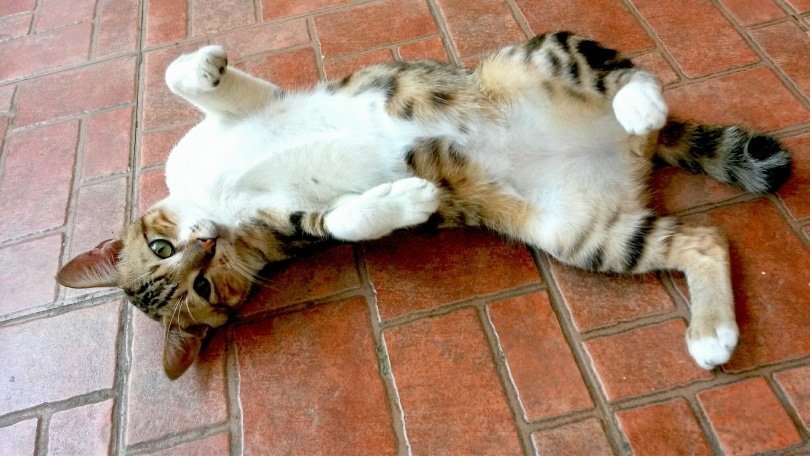
Have you ever looked closely at your male cat and wondered, “Do male cats have teats?” It’s a curious question that many cat owners don’t think about until they spot those tiny bumps on their pet’s belly. You might be surprised to learn why these teats exist and what they mean for your furry friend.
Keep reading, because understanding this little detail can help you better care for your cat and satisfy that natural curiosity you have about your pet’s body.

Credit: www.youtube.com
Male Cat Anatomy
Understanding the anatomy of male cats can be fascinating. These feline creatures have unique physical features. Their anatomy serves various functions crucial for survival.
Basic Physical Traits
Male cats have a muscular build. They possess a sleek body. This helps in agility and speed. Their sharp claws are retractable. This aids in climbing and hunting. Their whiskers are sensitive. They help navigate in the dark.
Their eyes have a reflective layer. This enhances night vision. Male cats have a strong sense of smell. This is essential for finding food and sensing danger. Their ears can rotate, detecting sounds from all directions.
Presence Of Teats In Males
Interestingly, male cats do have teats. These are small and not as prominent. They serve no functional purpose. All cats, regardless of gender, develop teats in the womb. This is a common trait among mammals.
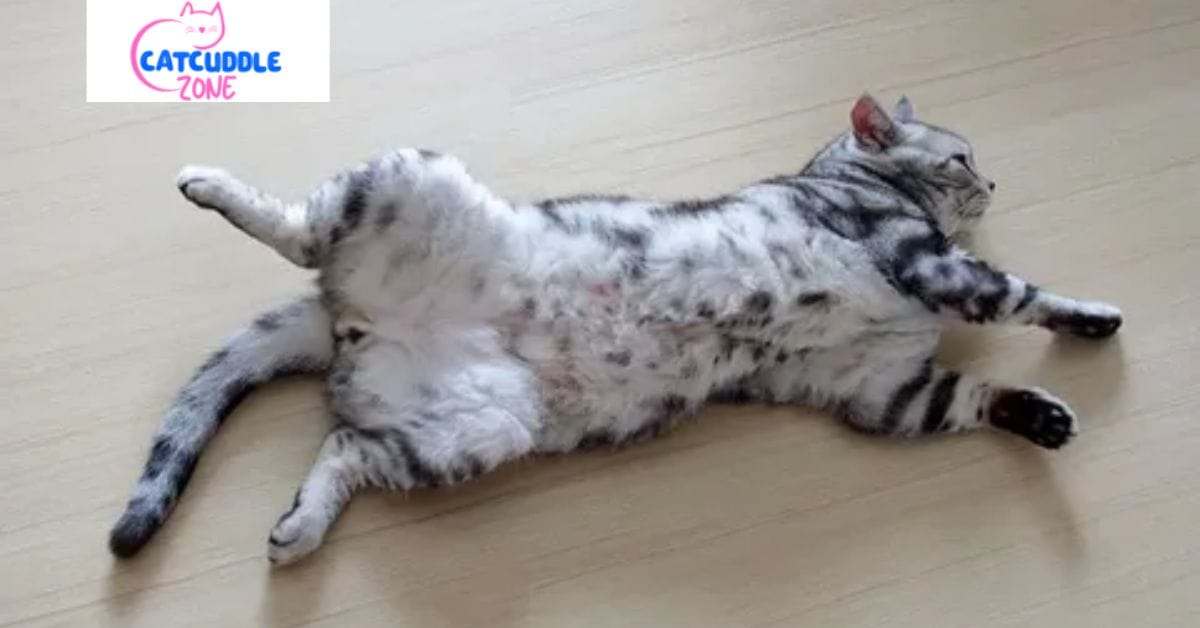
The number of teats varies. Typically, a male cat has six to eight. They are arranged in two parallel rows. These are located on the cat’s belly. Though present, these teats do not produce milk.
Purpose Of Teats In Cats
Teats in cats often raise questions, especially when people notice them on male cats. Understanding their purpose helps clear up common misconceptions and reveals some interesting facts about feline biology. Both male and female cats have teats, but their roles vary significantly.
Role In Female Cats
In female cats, teats play a crucial role in nursing their kittens. After giving birth, a mother cat uses her teats to feed her newborns with milk rich in nutrients. This milk supports the kittens’ growth and immune system during their early weeks.
Teats also help female cats bond with their kittens through the nursing process. This physical connection fosters comfort and security for the young cats. Have you noticed how a nursing mother cat becomes very protective of her kittens?
Function In Male Cats
Male cats have teats too, but they don’t serve the same purpose as in females. They are essentially vestigial, meaning they remain from early development stages but don’t function for milk production. This is because all mammals start their development with similar basic structures before sex-specific traits develop.
Even though male cats can’t nurse, their teats don’t cause any harm or discomfort. You might wonder why nature keeps them around—it’s simply because they don’t interfere with survival or reproduction. Have you ever seen a male cat grooming his teats? It’s a reminder that these features are just part of their body’s design, without a direct function for males.
Common Myths About Male Cats And Teats
Many people are surprised to learn that male cats actually do have teats. This fact often leads to confusion and sparks a number of myths about what teats mean for a male cat’s body and abilities. Let’s clear up some of the most common misunderstandings so you can better understand your feline friend.
Teats And Reproductive Ability
Some believe that the presence of teats on male cats means they can nurse kittens or have some hidden reproductive function. This isn’t true. Male cats have teats simply because all mammals develop them during early stages in the womb, regardless of gender.
Teats on male cats do not produce milk. They don’t play any role in reproduction or parenting. So, if you see a male cat nursing, it’s likely a rare behavioral quirk, not a biological norm.
Teats And Gender Identification
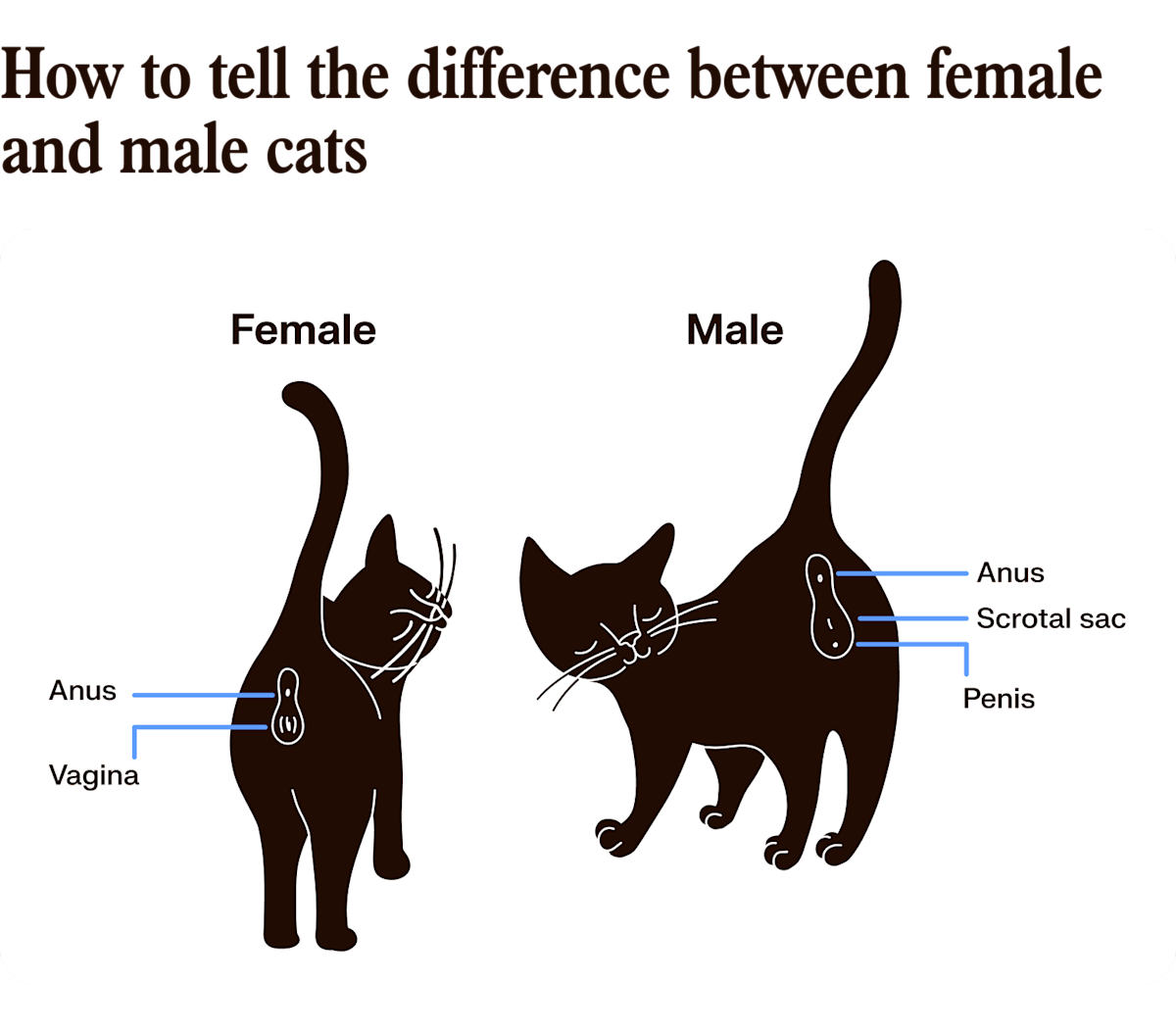
Many pet owners think teats can help identify a cat’s gender. However, both male and female cats have teats in a similar pattern along their bellies. This means teats are not a reliable way to tell if a cat is male or female.
Instead, look for other physical features like the shape of the genital area, or consult a vet for accurate gender identification. Relying on teats alone can lead to mistaken assumptions about your cat’s sex.
Credit: www.kinship.com
Health Issues Related To Male Cat Teats
Male cats have small teats, a normal part of their anatomy. These teats usually do not cause problems. Still, they can sometimes develop health issues. Understanding these problems helps protect your cat’s well-being.
Teats can become infected or show signs of other health conditions. Watch for unusual changes in size, color, or texture. These signs may indicate an underlying problem. Quick action can prevent discomfort or serious illness.
Possible Infections Or Conditions
- Mastitis:An infection causing swelling and pain around the teat.
- Abscesses:Pockets of pus that form due to infection or injury.
- Skin infections:Caused by bacteria or fungi, leading to redness or sores.
- Swelling or lumps:Could signal benign growths or, rarely, tumors.
- Teat discharge:Unusual fluid may suggest infection or other health issues.
When To See A Vet
- Teats look swollen or red for more than a day.
- Your cat frequently licks or scratches the area.
- Discharge or bleeding appears from the teats.
- Any lumps or bumps grow or change rapidly.
- Your cat shows signs of pain or discomfort.
- General signs of illness: fever, lethargy, or loss of appetite.
Early vet visits help diagnose problems correctly. Treatment can stop infections from spreading. Protect your cat’s health by watching their teats closely.
Caring For Male Cats’ Skin And Teat Area
Caring for your male cat’s skin and teat area is more important than many realize. Although male cats have teats, they typically don’t require special attention unless there’s an underlying issue. Keeping this area clean and healthy helps prevent infections and skin problems that can affect your cat’s comfort and overall health.
Regular Grooming Tips
Grooming your male cat regularly keeps his skin and teats clean. Use a soft brush to gently remove dirt and loose fur around the tummy and chest area. This also gives you a chance to check for any unusual lumps or changes.
Bathing isn’t usually necessary unless your cat gets into something dirty or sticky. If you do bathe him, use a mild, cat-safe shampoo and make sure to rinse thoroughly to avoid irritation. Dry the area completely after washing to prevent moisture buildup, which can lead to infections.
Pay special attention to trimming excess hair around the teats if your cat has a thick coat. This helps improve airflow and keeps the skin dry. If your cat resists grooming, try short, calm sessions and offer treats to make it a positive experience.
Signs Of Problems To Watch For
Knowing what to look for can save your cat from discomfort or serious health issues. Watch for redness, swelling, or discharge around the teats—they could indicate infection or injury. If your cat is licking the area excessively or seems sensitive when touched there, it’s a sign to investigate further.
Small bumps or lumps can sometimes be harmless, but they might also be signs of cysts or tumors. If you notice any growths, track their size and shape, and consult your vet if they change or don’t go away. Changes in your cat’s skin color or texture near the teats can also signal allergies or skin conditions.
Have you ever noticed your male cat grooming this area more than usual? Sometimes, these subtle signs are easy to miss but can tell you a lot about his health. Regular checks and gentle grooming make it easier to spot problems early and keep your cat comfortable.
Interesting Cat Facts Related To Teats
Many pet owners wonder about the presence of teats on male cats. Interestingly, male cats do have teats, but they do not serve the same purpose as in females. These small, nipple-like structures are a natural part of a cat’s body. Understanding this feature offers insight into feline biology and evolution.
Comparison With Other Animals
Like male cats, many male mammals have teats. For example, male dogs and male humans also have nipples. These structures develop before the sex of the fetus is determined. In most species, male teats do not produce milk. Female mammals use teats to feed their young after birth.
Some animals, like male goats and some primates, can produce milk. This is rare and usually happens due to hormonal changes. Male cats do not have this ability. Their teats are simply a leftover trait from early development.
Evolutionary Insights
Teats appear in mammals due to their evolutionary history. All mammals share a common ancestor that had teats. Both male and female embryos develop teats before hormones guide sexual differences. This is why males keep teats despite not nursing offspring.
Teats serve as a reminder of mammalian evolution. They show how certain body parts persist even if they lose their original function. This helps scientists understand how animals change over time. Male cat teats are a small but fascinating example of this process.
Credit: catcuddlezone.com
Frequently Asked Questions
Do Male Cats Have Visible Teats?
Yes, male cats do have visible teats. They are usually small and located on the belly. Male cats cannot nurse, but the teats remain as a natural feature from development.
Why Do Male Cats Have Teats If They Don’t Nurse?
Male cats have teats due to shared embryonic development with females. Both sexes start with similar structures. Teats remain as a harmless, natural trait even though males don’t nurse.
Can Male Cats Produce Milk From Their Teats?
Typically, male cats cannot produce milk. Only female cats lactate after giving birth. Rare hormonal imbalances might cause milk production, but it’s very uncommon in male cats.
How Many Teats Do Male Cats Usually Have?
Male cats usually have about 8 teats. These are arranged in two rows along the belly. The number can slightly vary but is generally consistent with female cats.
Conclusion
Male cats do have teats, just like female cats. These small nipples do not produce milk. They are a normal part of a cat’s body. Male cats do not use teats for feeding kittens. Knowing this helps clear up common confusion.
It shows how nature shapes all cats similarly. Remember, teats in male cats are harmless. They don’t affect a cat’s health or behavior. Understanding this fact makes you a better cat owner. Keep learning about your pet’s body and habits.
It helps you care for them with more confidence.
