

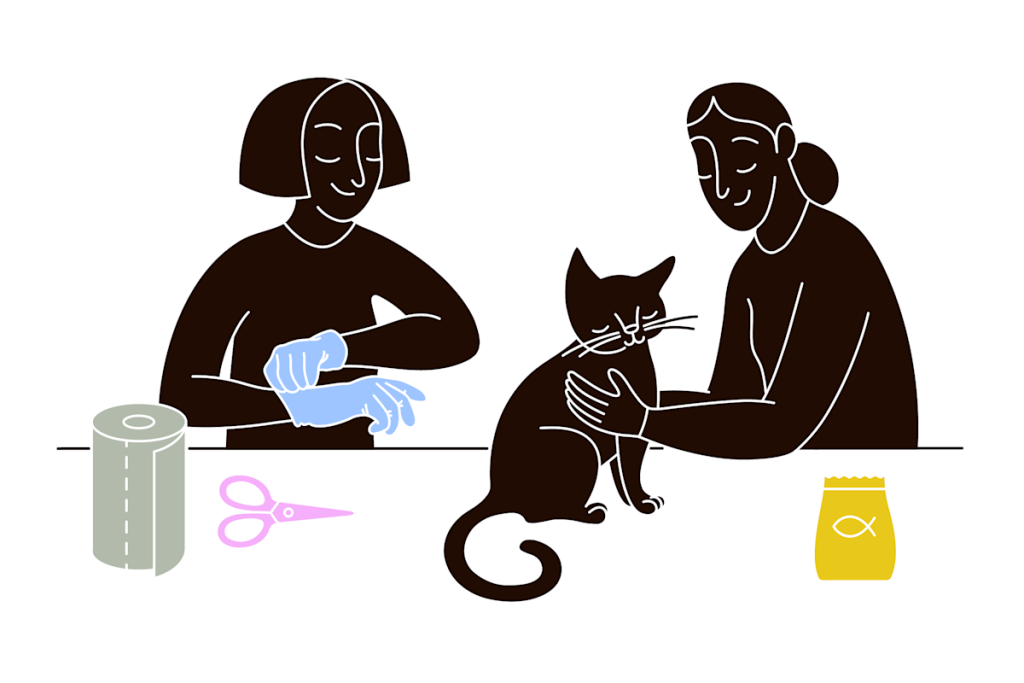
If you’ve ever noticed your cat scooting on the floor or licking their rear more than usual, you might wonder if their anal glands need some attention. But how often do cats actually need their anals expressed?
This is a question many cat owners don’t know the answer to, yet it’s important for your pet’s comfort and health. You’ll discover the signs to watch for, why anal gland care matters, and how often you should consider this grooming step.
Keep reading to learn how to keep your cat happy and healthy in a way that’s simple and stress-free.
Why Cats Need Anal Expression
Cats, like many animals, have anal glands. These small sacs play an essential role in their health. Sometimes, these glands need help to empty. This process is known as anal expression. Understanding why cats need this can help keep them healthy and comfortable.
Role Of Anal Glands
The anal glands are located near a cat’s anus. They produce a unique scent. This scent helps cats mark their territory. It also aids in communication with other animals. When a cat defecates, these glands should empty naturally. This releases their scent.
Signs Of Full Anal Glands
Sometimes, anal glands do not empty as they should. This can lead to discomfort and health issues. There are signs to watch for. A cat may scoot its bottom on the floor. It might lick the area excessively. You may notice a foul odor. Swelling near the anus is another indicator. If you see these signs, your cat may need anal expression. Always consult a vet for proper guidance.
Credit: www.kinship.com
Frequency Of Anal Expression
Knowing how often cats need their anal glands expressed helps maintain their comfort and health. Most cats do not need regular manual expression. The frequency depends on several factors like diet, health, and individual differences. Some cats naturally empty their glands while passing stool. Others may need occasional help from a vet or groomer to avoid discomfort or infection.
Typical Schedule For Cats
For most healthy cats, anal gland expression is rare. Many cats never require manual expression. Those that do often need it only a few times a year. Some cats with chronic issues might need expression every few weeks. Regular check-ups help track if expression is necessary. Never express your cat’s glands without proper guidance. Incorrect handling can cause pain or injury.
Factors Influencing Frequency
- Diet:Low-fiber diets can cause softer stools, leading to less natural gland emptying.
- Health problems:Infections, allergies, or anal gland diseases increase expression needs.
- Age:Older cats may have weaker muscles, affecting natural gland release.
- Breed and size:Some breeds or smaller cats may have more frequent issues.
- Activity level:Active cats tend to have better muscle tone and gland function.
Identifying When Expression Is Needed
Knowing when your cat needs its anal glands expressed is important for their comfort and health. These glands can sometimes get full or blocked, causing discomfort or infection. Watching for signs early helps prevent problems before they get serious. Cats cannot always tell us when they feel pain. Observing their behavior and checking for physical signs can guide you.
Behavioral Indicators
- Your cat may drag its rear on the floor or carpet.
- Increased licking or biting around the tail area is common.
- Restlessness or frequent sitting down and standing up can occur.
- Some cats may scoot or rub their bottom on furniture.
- Noticeable discomfort when sitting or walking is a red flag.
- Sudden aggression or irritability might signal pain near the anus.
Physical Symptoms
- Swelling or redness near the anal area often appears.
- A foul smell coming from the rear is a clear sign.
- Discharge or blood around the anus may be visible.
- Hard lumps under the skin near the tail base can develop.
- Your cat might have difficulty defecating or show signs of straining.
- Wetness or staining on the fur around the bottom is common.

Credit: vetnique.com
How To Express Cat Anal Glands Safely
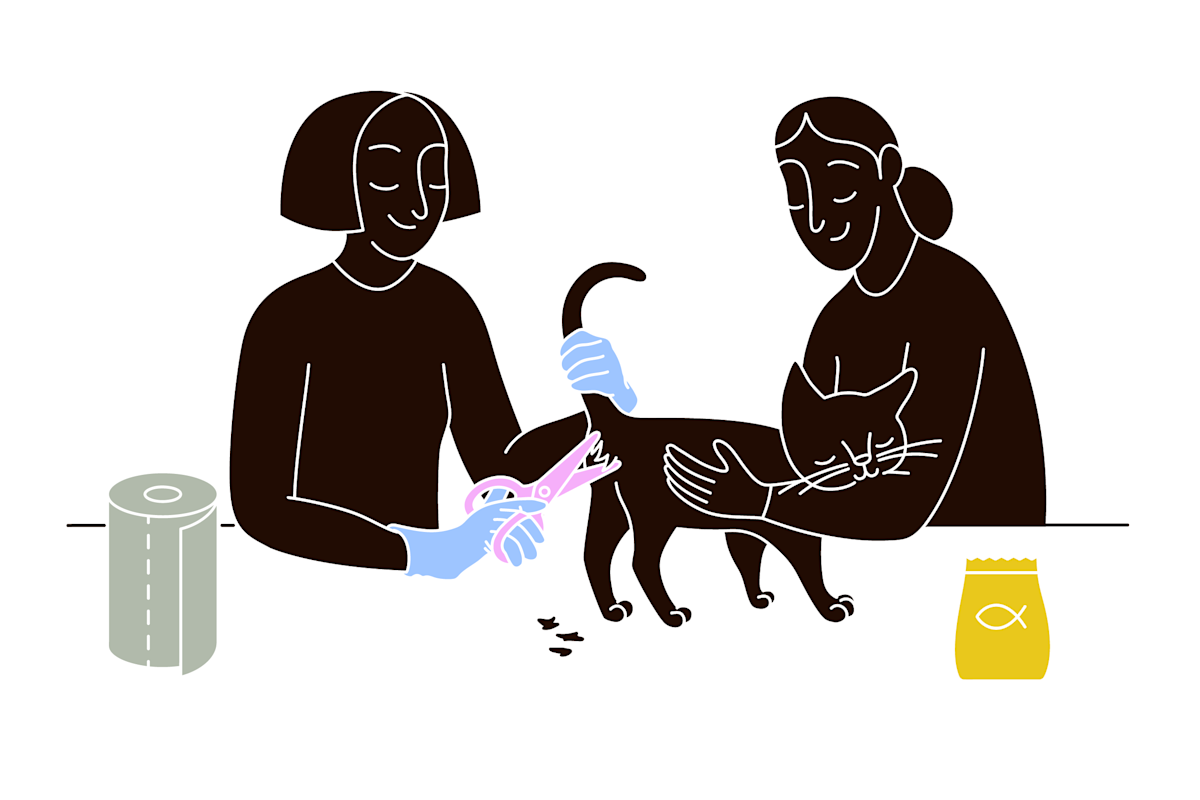
Expressing a cat’s anal glands safely is important to avoid pain or injury. This task helps relieve discomfort and prevents infections. Knowing the right tools and method keeps the process smooth for both you and your cat.
Tools Required
- Disposable gloves to keep hands clean
- Paper towels or soft cloths for mess
- Lubricant like petroleum jelly for gentle pressure
- Pet-safe antiseptic wipes to clean the area
- A helper to hold the cat calm, if needed
Step-by-step Process
- Wear gloves to keep hygiene.
- Wrap your cat gently in a towel to prevent scratches.
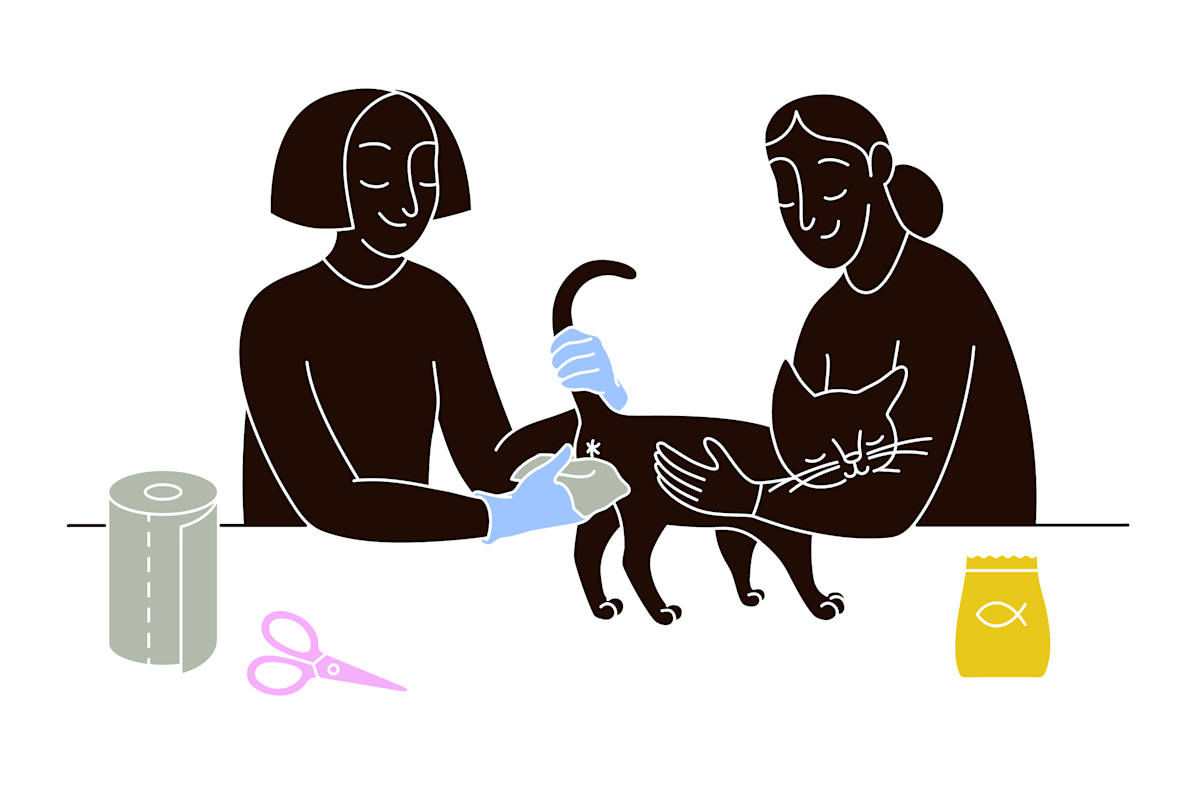
- Lift the tail and locate the anal glands at 4 and 8 o’clock positions.
- Place a paper towel under the glands to catch fluid.
- Apply light pressure using your thumb and forefinger.
- Press gently inward and upward until fluid is released.
- Wipe the area clean with antiseptic wipes.
- Praise your cat to keep it calm and relaxed.
Precautions To Take
- Do not use excessive force to avoid hurting your cat.
- Stop immediately if your cat shows pain or distress.
- Keep the area clean to prevent infections.
- Consult a vet if the fluid is dark, bloody, or smells bad.
- Avoid expressing glands too often; follow vet advice.
- Wash your hands thoroughly after the procedure.
When To Seek Veterinary Help
Knowing when to seek veterinary help is crucial for your cat’s health. Expressing a cat’s anal glands is not always necessary, but problems can arise. Some signs mean a vet’s care is needed right away. Early intervention can prevent pain and serious infections.
Complications To Watch For
- Frequent scooting or licking of the rear
- Swelling or redness near the anus
- Foul odor coming from the anal area
- Difficulty or pain when defecating
- Blood or pus discharge
- Signs of discomfort or aggression when touched
These symptoms may indicate an infection or impacted glands. Ignoring these signs can lead to abscesses or other serious issues. Prompt veterinary evaluation is important to avoid complications.
Professional Treatment Options
Veterinarians can safely express anal glands using sterile tools. They may also prescribe antibiotics if infection is present. In severe cases, surgery might be needed to remove problematic glands.
Regular check-ups allow vets to monitor gland health. Some cats need frequent professional care due to anatomy or health conditions. A vet can recommend a proper schedule and home care tips.
Preventing Anal Gland Issues
Preventing anal gland issues in cats is key to avoiding discomfort and costly vet visits. These small glands can become blocked or infected if not properly cared for. Fortunately, you have the power to reduce these risks through simple daily habits and smart feeding choices.
Dietary Tips
Your cat’s diet directly affects stool consistency, which influences how well their anal glands empty naturally. Hard, dry stools can cause blockages, while overly soft stools might not provide enough pressure for expression.
Adding fiber to your cat’s meals can help maintain balanced stool firmness. You might try small amounts of canned pumpkin or a fiber-rich cat food formula. Have you noticed changes in your cat’s litter box habits that might signal digestive issues?
Also, keep your cat hydrated. Wet food or fresh water encourages better digestion, which supports gland health. If your cat resists water, try a pet fountain or flavored broth to tempt them.
Regular Hygiene Practices
Keeping the area around your cat’s anus clean helps prevent infections. Gently wipe the area with a damp cloth during grooming sessions to remove dirt and debris.
Regular grooming also gives you the chance to check for signs of gland swelling or discomfort. Does your cat seem to lick or scoot more than usual? These behaviors can hint at gland problems before they worsen.
If you feel comfortable, you can ask your vet to show you how to check the glands yourself. Monitoring your cat’s health daily can save you from emergencies later.
Credit: www.kinship.com
Frequently Asked Questions
How Often Should Cats Have Their Anals Expressed?
Most cats rarely need anal expression. It’s usually every 1 to 3 months for those prone to issues. Regular checks help determine frequency.
What Signs Show A Cat Needs Anal Gland Expression?
Scooting, licking the rear, or discomfort signal the need. Swelling or bad odor near the anus also indicate problems.
Can I Express My Cat’s Anal Glands At Home?
Yes, but only if trained. Improper technique can hurt your cat. Consult a vet for guidance before trying.
Why Do Some Cats Need Frequent Anal Gland Expression?
Cats with allergies, obesity, or digestive problems often need more frequent care. These conditions cause gland blockages or infections.
Conclusion
Cats usually do not need frequent anal gland expression. Most cats manage this naturally during bathroom time. Watch for signs like scooting or licking their rear often. If you notice discomfort, a vet visit is best. Regular check-ups help keep your cat healthy and happy.
Understanding your cat’s needs ensures their comfort. Simple care can prevent problems before they start. Stay attentive and your cat will thank you with good health.
