

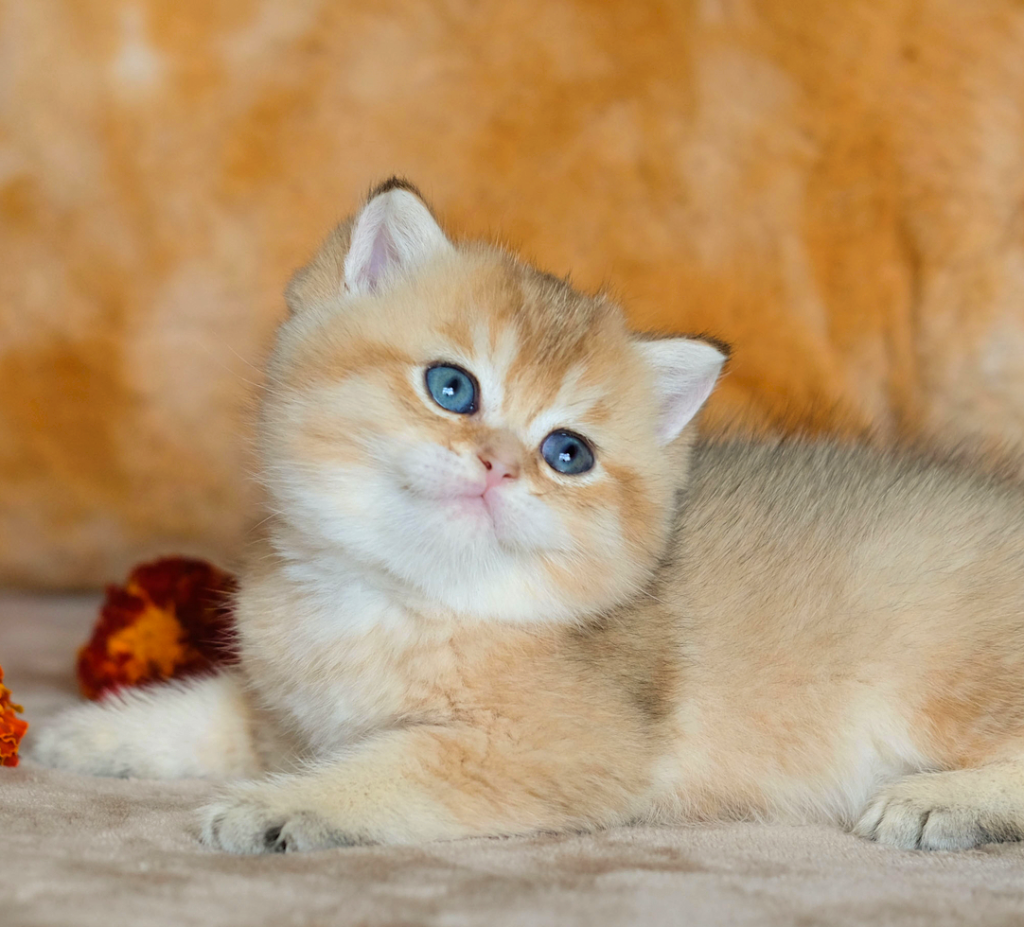
Are you thinking about adding a new furry friend to your home? A British Shorthair cat might be the perfect choice for you.
Known for their calm nature and plush coats, these cats make wonderful companions. But before you bring one home, there are important things you need to know about adopting a British Shorthair. Keep reading to discover what makes this breed so special and how you can make the adoption process smooth and rewarding for both you and your future pet.

Credit: www.adoptapet.com
Why Choose A British Shorthair
Choosing a British Shorthair cat brings many joys to your home. This breed is known for its calm nature and charming looks. They adapt well to different living spaces and family types. Their unique traits make them a popular choice for pet lovers worldwide.
Personality Traits
British Shorthairs are gentle and friendly. They enjoy quiet moments and soft play. These cats are independent but love attention. They are patient with children and other pets. Their calm demeanor makes them great companions.
Physical Characteristics
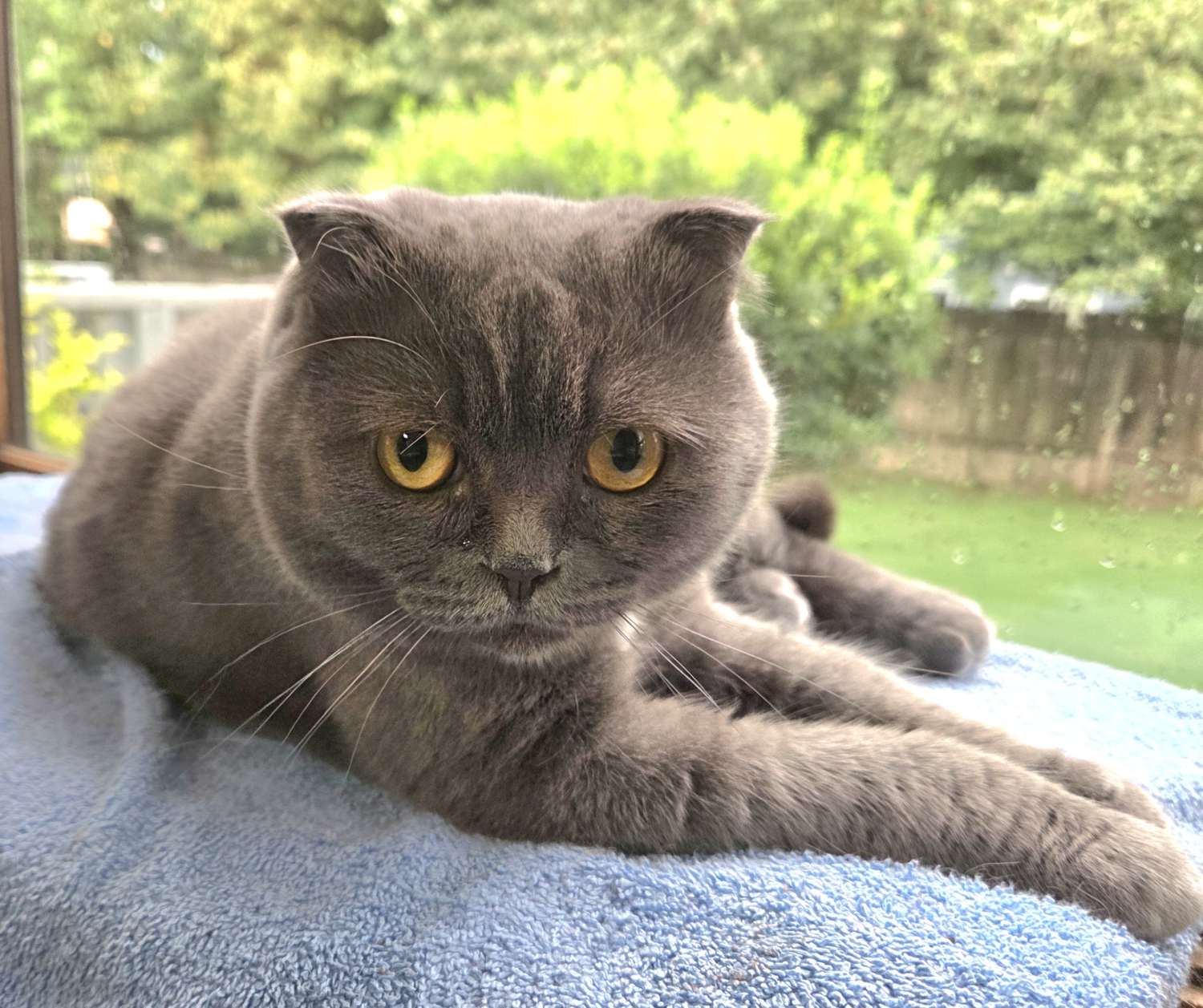
British Shorthairs have a sturdy and muscular build. Their round faces and large eyes give a sweet expression. Their dense, plush coat feels soft to touch. They come in many colors, including blue, cream, and black. Their thick tail and strong legs add to their charm.
Health And Longevity
This breed tends to have good health overall. British Shorthairs live on average 12 to 20 years. Regular vet visits keep them in top shape. They are less prone to genetic diseases than some breeds. Proper diet and exercise help maintain their wellbeing.
Where To Find British Shorthairs
Finding a British Shorthair cat requires some research and patience. These cats are popular for their calm nature and plush coats. Knowing where to search helps you find a healthy and happy pet. Here are some common places to find British Shorthairs.
Reputable Breeders
Breeders focus on raising purebred British Shorthairs. They follow health and breed standards strictly. Visiting a breeder lets you see the kitten’s living conditions. You can ask about the cat’s health history and temperament. Reputable breeders provide proper vaccinations and vet checks. They often offer guidance on care and training.
Animal Shelters
Animal shelters sometimes have British Shorthair cats available for adoption. These cats may be strays or surrendered pets. Adopting from shelters saves lives and gives cats a second chance. Shelter staff can help match you with a cat that fits your home. They usually spay or neuter the cats before adoption. Shelter fees are often lower than breeder prices.
Rescue Groups
Rescue groups specialize in specific breeds like British Shorthairs. They rescue cats from difficult situations and find new homes. Rescue cats are often health-checked and socialized. Group volunteers provide detailed information about each cat’s personality. Adopting from rescue groups supports their mission to save more cats. Rescue groups may require home visits or adoption applications.
Adoption Process Steps
Adopting a British Shorthair cat is an exciting journey that involves several important steps to ensure you find the perfect feline companion. Understanding the adoption process helps you prepare mentally and practically, making the experience smoother and more rewarding. Each stage plays a key role in matching you with a cat that suits your lifestyle and home environment.
Research And Preparation
Start by learning about the British Shorthair breed—its temperament, care needs, and health concerns. This knowledge helps you decide if this breed fits your daily routine and expectations. Think about the space you have and the time you can dedicate to your new pet.
Gather essential supplies like a litter box, scratching post, and quality food before bringing your cat home. Preparing in advance shows you’re committed and ready to provide a safe, loving environment.
Meeting Potential Pets
Spend time interacting with British Shorthair cats available for adoption. Observe their behavior and how they respond to you—do they seem curious, calm, or shy? This firsthand experience helps you connect with a cat that matches your personality and energy level.
Ask questions about each cat’s history and temperament. Knowing their background can reveal important details that influence your decision, such as previous socialization or any special needs.
Home Visits And Interviews
Expect a home visit or interview from the adoption agency to ensure your environment is suitable for a British Shorthair. They’ll check if your home is safe and free from hazards, and ask about your lifestyle to confirm you can meet the cat’s needs.
This step might feel intrusive, but it’s designed to protect the cats and improve adoption success. How would you prepare your space to show it’s ready for a new feline friend?
Credit: purebredcatrescue.org
Costs And Budgeting
Adopting a British Shorthair cat involves various costs. Proper budgeting ensures your new pet gets the best care. Understanding these expenses helps avoid surprises later. Planning ahead makes cat ownership joyful and stress-free.
Initial Adoption Fees
The initial fee covers the cost of adopting your British Shorthair. It usually includes vaccinations and microchipping. Adoption fees vary by shelter or breeder. Expect to pay between $100 and $500. Purebred cats tend to cost more than mixed breeds.
Ongoing Care Expenses
Daily care requires spending on food, litter, and toys. High-quality cat food keeps your pet healthy. Plan for regular grooming supplies, especially for thick fur. Routine vet visits for check-ups and vaccines are essential. Budget for flea control and dental care too.
Unexpected Medical Costs
Illness or injury can lead to sudden vet bills. Emergency visits may cost hundreds of dollars. Pet insurance helps reduce these unexpected expenses. Keep a savings fund for health emergencies. Quick action during illness improves recovery chances.
Preparing Your Home
Preparing your home for a British Shorthair cat is essential for a smooth transition. These cats enjoy calm and comfort. Setting up the right environment helps them feel safe and happy. Start by organizing spaces and gathering necessary items.
Safe Spaces And Essentials
British Shorthairs need quiet, cozy areas to relax. Choose a corner or a small room where they can retreat. Use soft bedding or a cat bed to make the space inviting. Keep this area free from loud noises and heavy foot traffic.
Place scratching posts nearby to protect your furniture. Provide a few hiding spots like boxes or covered beds. These safe zones reduce stress and help your cat adjust quickly.
Feeding And Litter Areas
Set feeding and litter areas apart from each other. Cats prefer cleanliness and separation between eating and bathroom spots. Use shallow bowls for food and water. Fresh water should always be available.
Choose a quiet, low-traffic place for the litter box. Scoop it daily and clean it regularly to avoid odors. Consider using unscented, clumping litter to keep your cat comfortable.
Toys And Enrichment
British Shorthairs enjoy play but are not overly energetic. Offer a variety of toys to keep them entertained. Soft balls, feather wands, and interactive toys work well.
- Rotate toys to maintain interest
- Include scratching posts and climbing shelves
- Provide puzzle feeders to stimulate their minds
Regular playtime strengthens your bond and helps your cat stay healthy. Keep toys safe and clean to avoid hazards.
Credit: www.petfinder.com
First Days With Your Cat
Bringing a British Shorthair cat home marks the start of a special journey. The first days are crucial for setting a strong foundation. These moments help your cat feel safe and loved.
Patience and gentle care make the transition smooth. Understanding your cat’s needs helps build a lasting bond. Small steps create big trust.
Introducing To Family Members
Let your cat meet family members slowly. Keep the first meetings calm and quiet. Allow your cat to approach on its own terms. Avoid loud noises or sudden movements. Teach children to be gentle and respectful. Use soft voices and slow gestures. This helps your cat feel secure and less scared.
Adjusting To New Environment
Prepare a quiet space for your cat to explore first. Provide food, water, and a cozy bed nearby. Let your cat discover the house at its own pace. Close doors to rooms not ready for exploration. Keep the area calm and free from stress. Offer familiar toys or blankets for comfort. Watch your cat’s behavior and respond kindly.
Building Trust And Bonding
Spend quiet time near your cat each day. Use soft words and gentle strokes to connect. Play with interactive toys to encourage fun and trust. Avoid forcing contact or holding your cat tightly. Reward calm behavior with treats and praise. Respect your cat’s signals and give space if needed. Trust grows slowly with kindness and patience.
Common Health Issues
British Shorthair cats are generally healthy but can face some common health issues. Knowing these problems helps you care for your new pet better. Early attention can improve their quality of life and lifespan.
Some health issues include heart disease, obesity, and dental problems. They may also develop kidney disease and joint problems as they age. Regular checkups and good care reduce these risks.
Preventative Care Tips
- Feed a balanced diet to maintain healthy weight.
- Provide regular exercise to prevent obesity.
- Brush teeth or use dental treats to avoid dental disease.
- Schedule yearly vet visits for health checks and vaccinations.
- Keep your cat indoors to reduce infection risks and injuries.
Recognizing Symptoms
- Watch for coughing, difficulty breathing, or rapid heartbeat.
- Notice changes in appetite or sudden weight gain or loss.
- Look for bad breath, drooling, or difficulty eating.
- Check for limping, stiffness, or reluctance to jump.
- Observe increased thirst, urination, or lethargy.
When To Visit A Vet
- If your cat shows breathing problems or heart issues.
- When appetite drops for more than two days.
- If you see signs of dental pain or mouth sores.
- When your cat limps or has trouble moving.
- If your cat drinks or pees much more than usual.
Training And Socializing
Training and socializing a British Shorthair cat is essential for a happy home. These cats are gentle but need guidance to adapt well. Early training helps them learn good habits. Socializing makes them friendly and confident. Start with simple steps and be patient. Consistency is key to success. Here are important aspects to focus on during their early days.
Litter Training Basics
British Shorthairs usually learn litter training quickly. Place the litter box in a quiet spot. Use unscented, clumping litter for best results. Show the cat where the box is right after meals and naps. Clean the box daily to keep it inviting. Praise your cat softly when they use it correctly. Avoid punishment for accidents; it can cause fear. Regular routine helps your cat feel secure.
Encouraging Positive Behavior
Reward your cat with treats or gentle petting for good actions. Use toys to redirect unwanted behaviors like scratching furniture. Set up scratching posts near their favorite spots. Avoid yelling or harsh corrections; it can harm trust. Be calm and patient during training. Short, frequent sessions work better than long ones. Positive reinforcement builds a strong bond with your cat.
Socializing With Other Pets
Introducing your British Shorthair to other pets needs care. Begin with short, supervised meetings. Use separate spaces at first to let them get used to each other’s scent. Watch body language closely for signs of stress or aggression. Gradually increase time spent together. Provide escape spots for each pet to feel safe. Reward calm and friendly behavior. Proper socialization helps prevent conflicts and creates harmony.
Frequently Asked Questions
What Is The Average Cost Of British Shorthair Adoption?
The average cost to adopt a British Shorthair cat ranges from $800 to $1,500. Prices vary by breeder, location, and cat’s lineage. Adoption fees often include vaccinations and health checks, ensuring a healthy pet for your home.
How To Find A Reputable British Shorthair Breeder?
Look for breeders with positive reviews and proper certifications. Ensure they provide health guarantees and allow visiting their cattery. A reputable breeder prioritizes the cat’s welfare and socialization before adoption.
What Are The Key Traits Of British Shorthair Cats?
British Shorthairs are calm, affectionate, and low-maintenance. They have dense coats, round faces, and sturdy bodies. These cats adapt well to indoor living and are great companions for families.
Are British Shorthair Cats Good For Families With Kids?
Yes, British Shorthairs are gentle and patient, making them ideal for families. They tolerate handling well and enjoy moderate playtime. Their easygoing nature suits homes with children and other pets.
Conclusion
Adopting a British Shorthair cat can be a rewarding experience. Their calm nature and affectionate personality make them great companions. These cats adapt well to various living spaces. Families, singles, and seniors all find joy with them. They need love and care like any pet.
Regular vet visits and a balanced diet keep them healthy. Spend quality time with your cat to build a strong bond. A British Shorthair can bring warmth and happiness to your home. Make sure you are ready for this commitment.
Your new furry friend awaits!
