

Have you ever wondered why your cat seems to follow you around or curl up in your lap? It’s more than just a simple pet-owner relationship.
Your cat needs you in ways you might not expect. Understanding why your furry friend depends on you can deepen your bond and help you care for them better. Keep reading to discover the surprising reasons behind your cat’s need for you—and how you can make their life happier and healthier.
The Nature Of Feline Independence
Cats are known for their independent nature. They often enjoy spending time alone and exploring their surroundings. This independence is part of what makes cats unique as pets.
Even though cats value their alone time, they still need their human companions. Their independence does not mean they do not seek comfort or care from people. Understanding this balance helps improve your bond with your cat.
The Instincts Behind Feline Independence
Cats evolved as hunters. They rely on their skills to find food and stay safe. This history makes them self-reliant and cautious.
Because of these instincts, cats like to control their environment. They prefer familiar places and routines. This behavior shows their need for security.
How Cats Show Affection Despite Independence
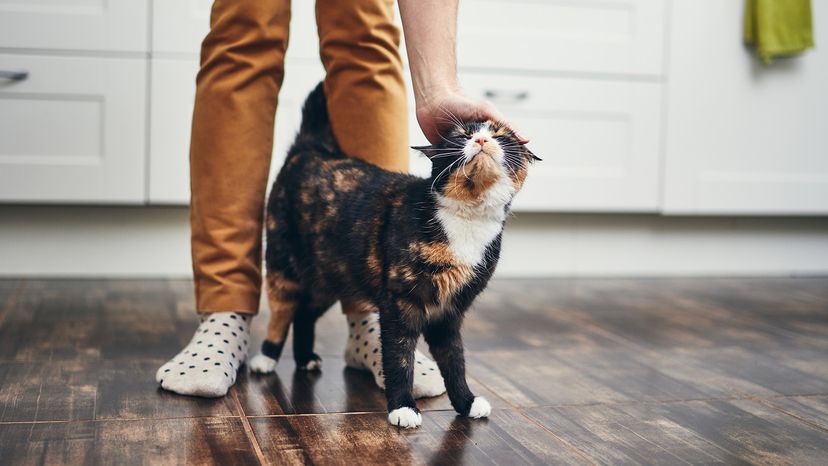
Cats express love in quiet ways. They may purr, knead, or follow you around. These actions show they trust and enjoy your company.
They also seek attention on their terms. A cat might jump on your lap or nuzzle your hand. This gentle behavior proves they need you.
Why Your Cat Needs Routine And Care
Even independent cats thrive on routine. Regular feeding, playtime, and rest help them feel safe. This structure reduces stress and promotes health.
Cats depend on you for food, shelter, and health care. Their survival and comfort rely on your attention. Independence does not replace these needs.
Credit: animals.howstuffworks.com
Understanding Feline Social Structures
Understanding how cats interact within their own kind can shed light on why your feline friend seeks your company. Cats have unique social behaviors shaped by their ancestry and environment. Recognizing these patterns helps you meet their emotional needs better.
Solitary Vs. Social Species
Many people think cats are solitary hunters, but that’s only part of the story. Some species of wild cats prefer to live alone, while others thrive in groups.
Domestic cats, descended from African wildcats, tend to be more social than their solitary cousins. They form bonds with other cats and humans, especially when food and shelter are shared.
Have you noticed your cat greeting you warmly after a long day? This behavior reflects their social side, showing they value your presence as part of their “group.”
Hierarchy And Territory
Cats establish clear territories and social rankings within their groups. This hierarchy isn’t about dominance alone; it’s about safety and resource sharing.
In multi-cat households, you might see subtle signs of ranking—who eats first, who gets the prime nap spot, or who initiates play. These interactions reduce conflict and create a stable environment.
Your cat views you as a key figure in their territory. By providing consistent care and affection, you become part of their social structure, offering security they cannot find elsewhere.
Attachment Behaviors In Cats
Cats form attachments to their humans just like dogs or even young children do. These attachment behaviors show how much your cat values your presence and care. Understanding these behaviors can help you build a stronger, more trusting bond with your feline friend.
Signs Of Attachment
Have you noticed your cat following you from room to room? This is a clear sign they want to stay close to you. Other signs include:
- Waiting by the door when you come home
- Sleeping near or on you
- Vocalizing when they want your attention
- Bringing you “gifts” like toys or even small prey
Each of these behaviors shows your cat’s emotional connection to you. They feel safe and secure with your presence, and that security is crucial for their well-being.
How Cats Show Affection
Cats have their own unique ways of showing love, which might surprise you. Instead of loud displays, they often use subtle signals such as:
- Slow blinking at you, which means they trust you
- Head bunting, where they gently press their head against you
- Purring, especially when they are relaxed in your lap
- Kneading with their paws, a behavior that dates back to kittenhood
Have you ever felt your cat’s soft purring and wondered what it means? It’s their way of communicating comfort and affection. Paying attention to these signs will deepen your understanding of your cat’s needs and emotions.
The Role Of Human-cat Interaction
Human-cat interaction plays a crucial role in the bond you share with your feline friend. It goes beyond feeding and basic care; it shapes your cat’s emotional and mental well-being. Understanding this connection can help you create a more fulfilling relationship for both of you.
Importance Of Routine
Cats thrive on predictability. Having a consistent daily routine helps your cat feel safe and reduces stress. Simple habits like feeding at the same time, regular play sessions, and scheduled grooming can make a big difference.
I noticed that when I started feeding my cat at fixed times every day, she became more relaxed and affectionate. She even began to wait by the door when it was near mealtime, showing trust and anticipation. Could your cat be sending you signals through its daily habits?
Communicating With Your Cat
Communication with your cat isn’t just about words; it’s about understanding their body language and sounds. Cats use purring, tail movements, and eye contact to express feelings. Learning to read these cues allows you to respond appropriately and build trust.
Try observing your cat’s reactions during play or quiet moments. Does your cat nudge you or bring toys? These are invitations to engage and connect. How often do you pause to listen to what your cat is really telling you?
The Science Behind Cat-human Bonds
Cats are often seen as independent creatures. Yet, they form strong bonds with their human companions. Science helps explain this unique connection. Understanding the biology and behavior behind these bonds reveals why cats need humans.
Hormones And Emotions
Cats release oxytocin, the “love hormone,” when they interact with people. This hormone strengthens feelings of trust and attachment. Both cats and humans experience a rise in oxytocin during positive moments.
Oxytocin helps reduce stress and makes cats feel safe. It also encourages cats to seek comfort from their owners. This hormone plays a key role in building emotional bonds.
Research On Cat Behavior
Scientists study cat behavior to understand their social needs. Experiments show cats recognize their owner’s voice and smell. They respond to affection with purring and rubbing.
Cats also show separation anxiety if left alone too long. This proves cats depend on their humans for emotional support. Their behavior shows a deep social connection, not just survival instincts.

Credit: www.mewcats.com
Benefits Of A Strong Feline Bond
A strong bond between you and your cat brings many rewards. It deepens trust and creates a safe space for both. This connection improves your daily life in small, meaningful ways. It also helps your cat feel loved and secure. Understanding these benefits shows why your cat needs you more than you might think.
Emotional Support
Cats offer quiet comfort during hard times. Their presence reduces feelings of loneliness and stress. Petting a cat can calm your mind and body. Cats sense your mood and respond with affection. This interaction lifts your spirits and gives peace. A strong bond means your cat knows when you need extra care. It creates a mutual support system filled with love.
Health Benefits For Humans
Spending time with cats can improve your health. Their purring may lower blood pressure and reduce anxiety. Caring for a cat encourages regular routines and activity. This can lead to better heart health and less depression. Having a feline friend also boosts your immune system. The joy and calm from a cat help maintain overall wellness. A close bond makes these health perks even stronger.
Building A Stronger Bond With Your Cat
Building a stronger bond with your cat is about more than just spending time together. It’s about understanding their needs, emotions, and unique personality. When you connect deeply, your cat feels safe and loved, which can improve their behavior and overall happiness.
Think about the last time your cat curled up on your lap or followed you around the house. Those moments show trust and affection, but how can you make them happen more often? The answer lies in how you interact daily and the small choices you make.
Tips For Enhancing Your Relationship
- Spend focused time:Put away distractions and engage in gentle play or quiet petting sessions. Your full attention means the world to your cat.
- Learn their language:Watch for tail flicks, ear positions, and purring patterns to understand what your cat is feeling.
- Respect their space:Allow your cat to approach you on their own terms. This builds trust and reduces stress.
- Offer variety:Use different toys and rotate them regularly to keep your cat curious and stimulated.
- Establish routines:Cats thrive on predictability, so feeding and playtime should happen around the same time each day.
- Use positive reinforcement:Reward good behavior with treats or affection to encourage closeness.
Common Mistakes To Avoid
- Forcing interactions:Don’t pick up or pet your cat if they clearly want to be alone. It can damage trust.
- Ignoring body language:Missing signs of discomfort can lead to stress and fear in your cat.
- Overstimulating:Too much rough play or sudden movements can scare your cat away.
- Inconsistent routines:Changing feeding or play schedules frequently can confuse and upset your cat.
- Using punishment:Negative reactions don’t teach your cat and may harm your relationship.
Have you noticed how your cat reacts when you give them space versus when you insist on attention? Paying close attention to these responses can teach you a lot about building a stronger, more respectful bond. Your cat needs you not just as a caretaker, but as a companion who understands and values their unique personality.
Credit: animals.howstuffworks.com
When Cats Seem Aloof
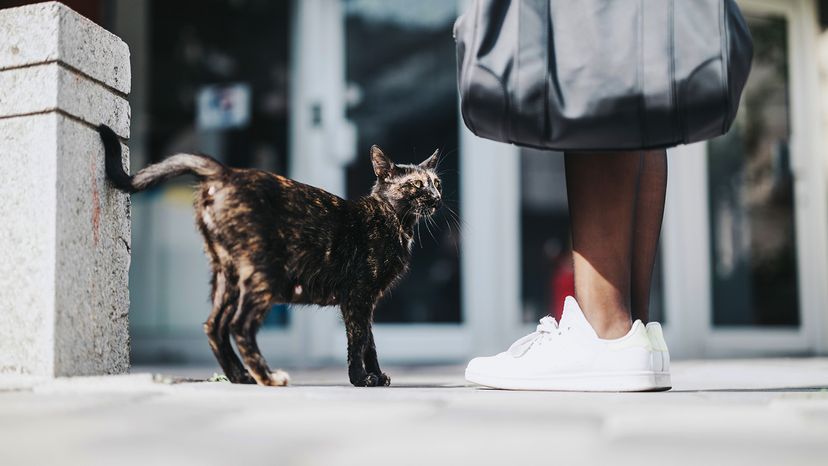
Cats often seem distant or uninterested. This aloofness puzzles many cat owners. It can feel like your cat does not need you. Understanding why cats act this way helps build a better bond. Cats show love differently than dogs or people. Recognizing these signs makes your relationship stronger.
Understanding Cat Behavior
Cats are naturally independent animals. They enjoy quiet and space. Aloof behavior does not mean they dislike you. Cats express affection in subtle ways. They may sit near you without touching. Slow blinking is a sign of trust. Purring often shows contentment and comfort. Cats need time to feel safe and relaxed.
Each cat has a unique personality. Some are more social than others. Stress or changes in the home can cause aloofness. Illness or pain might also make cats withdrawn. Pay attention to your cat’s habits and moods. This helps you understand their needs better.
Encouraging Engagement
Building trust takes patience and gentle care. Use soft voices and slow movements. Avoid forcing your cat to interact. Offer toys and treats to create positive moments. Playtime helps reduce stress and builds connection.
- Try interactive toys like feather wands or laser pointers
- Set regular play sessions to create routine
- Give treats during calm, quiet times
- Respect your cat’s space and let them come to you
Creating a calm environment encourages your cat to engage more. Consistent kindness and attention help your cat feel valued. Your cat needs you for comfort and companionship, even if they seem aloof.
Frequently Asked Questions
Why Does My Cat Seek My Attention Constantly?
Cats seek attention for companionship, affection, and security. They bond deeply with owners and need interaction to feel loved and safe. Regular engagement helps reduce stress and prevents loneliness, promoting a happy, healthy cat.
How Does My Cat Benefit From My Presence?
Your presence provides comfort, reduces anxiety, and strengthens your cat’s trust. Cats are social animals that rely on owners for emotional support and stability. Being near you enhances their well-being and overall happiness.
Can My Cat Feel Lonely Without Me?
Yes, cats can feel lonely and stressed if left alone too long. They need social interaction and mental stimulation. Regular companionship prevents behavioral problems and ensures they stay emotionally balanced and content.
What Signs Show My Cat Needs Me?
Signs include vocalizing, following you, rubbing against you, and seeking physical contact. These behaviors indicate your cat values your company and relies on you for comfort and reassurance. Responding strengthens your bond.
Conclusion
Cats need love and care from their owners every day. They depend on you for food, safety, and comfort. Your presence makes them feel happy and secure. Cats show affection in small ways that build strong bonds. Spending time together helps them trust and enjoy life.
Being there for your cat means you understand their needs. This connection creates joy for both you and your pet. Taking care of your cat is more than a task—it’s a special friendship.
