

Have you ever wondered why your cat digs around after using the litter box? It’s not just a quirky habit.
When cats bury their poop, they are actually following instincts that go way back. Understanding this behavior can help you connect better with your furry friend and keep their environment clean and comfortable. Keep reading to discover the surprising reasons behind this common cat behavior and what it means for you and your pet.
Instinctual Behavior
Cats bury their poop because it’s deeply rooted in their instincts. This behavior isn’t just about cleanliness; it’s a survival tactic passed down from their wild ancestors. Understanding this instinct can help you appreciate why your cat behaves the way it does and how you can create a comfortable environment for them.
How Instinct Shapes Cat Behavior
Cats are natural hunters and survivors. In the wild, burying their waste helps keep their scent hidden from predators and rival animals. This instinctive action reduces the chance of attracting unwanted attention, protecting both the cat and its territory.
The Role Of Territory And Safety
Your cat’s litter box is their territory. By covering their poop, they signal that the area is safe and secure. This behavior also prevents other cats from detecting their presence, which can reduce territorial conflicts.
Instincts Influence Litter Box Habits
Have you noticed your cat scratching the litter after going? This is them trying to cover their scent just like they would outdoors. When litter boxes are clean and well-maintained, cats feel more comfortable performing this natural behavior.
What Happens When Instinct Is Ignored?
If your cat stops burying its waste, it could be a sign of stress or discomfort. Maybe the litter box is dirty, placed in a noisy spot, or the wrong type of litter is being used. Paying attention to these details respects your cat’s instincts and promotes healthy habits.
Credit: www.livescience.com
Territorial Marking
Cats use many ways to mark their territory. One key method involves their poop and how they cover it. This behavior is not just about cleanliness. It plays a role in how cats communicate with others around them.
Territorial marking helps cats protect their space. By burying their waste, cats send signals to other animals. This silent message tells others that this area is already claimed.
How Burying Poop Marks Territory
Cats cover their poop to hide their scent from rivals. This act keeps other cats from finding their presence easily. It helps avoid fights and conflicts over territory.
The Role Of Scent In Territory
Poop contains strong smells unique to each cat. When buried, the scent stays close to the cat’s home. This subtle marking works like a boundary fence made of smell.
Differences Between Wild And Domestic Cats
Wild cats often leave poop uncovered to warn others. Domestic cats bury their waste to stay hidden and safe. This shows how living conditions change their marking habits.
Signs Of Territory In Multi-cat Homes
Cats in the same house may bury or not bury poop. Some may mark spots instead of burying waste. Watching these behaviors helps understand their social structure.
Hiding From Predators
Cats bury their poop primarily to hide their presence from potential predators. This instinctive behavior helps them avoid drawing attention to themselves in the wild. By covering their waste, they reduce the chances of being tracked or attacked.
How Scent Can Attract Predators
Animal waste carries a strong scent that can easily give away a cat’s location. Predators use their keen sense of smell to hunt, so exposed poop acts like a beacon. By burying it, cats effectively mask their trail.
Survival Strategy In The Wild
In nature, staying hidden is crucial for survival. Cats instinctively cover their waste to avoid alerting larger animals. This behavior has been passed down through generations as a key defense mechanism.
What You Can Learn From Your Cat’s Behavior
Have you noticed your cat scratching around after using the litter box? This isn’t just cleanliness; it’s an inherited survival tactic. Recognizing this can help you provide a better environment by keeping their litter box clean and easy to bury waste.
Social Hierarchies
Cats live in social groups that have clear ranks. These ranks decide which cat leads and which cats follow. Poop burying is part of this social order. It helps cats show their place in the group and avoid fights. Understanding how cats use this behavior reveals much about their social life.
Dominant Vs Submissive Cats
Dominant cats often leave their poop uncovered. This act marks their territory loudly. It tells other cats, “I am here.” Submissive cats bury their waste to stay hidden. This shows respect to stronger cats and avoids trouble.
Burying poop signals a cat does not want conflict. It keeps peace in the group. Dominant cats use uncovered poop as a sign of power. Submissive cats use burying to stay safe and quiet.
Communication Among Cats
Poop carries a lot of information for cats. It tells about the cat’s health, age, and sex. Leaving poop uncovered sends a strong message. It warns others to stay away or respect the area.
Burying poop sends a softer message. It means the cat wants to hide its scent. This helps cats avoid unnecessary fights. It also helps maintain balance in their social group.
In this way, poop burying is a form of silent talking. Cats use it to share messages without direct contact. It keeps their social life calm and organized.
Odor Control
Odor control is a key reason why cats instinctively bury their poop. This behavior helps them keep their living space clean and less smelly. Understanding how this works can give you insights into your cat’s natural habits and how to maintain a fresh home environment.
Concealing Scent
Cats use their paws to cover their waste, which helps hide the scent from predators and other animals. This natural instinct is about survival, even if your indoor cat faces no real threats.
By concealing the odor, cats reduce the chances of attracting unwanted attention. This habit also helps keep their territory feeling safe and comfortable.
Have you noticed your cat meticulously covering their litter after using it? That’s their way of keeping the scent under control, making your home less pungent.
Health Implications
Keeping waste covered isn’t just about smell; it also protects your cat’s health. Open feces can attract flies and bacteria, which might cause infections or illnesses.
When cats bury their poop, they reduce the risk of spreading germs within their environment. This behavior acts as a simple but effective hygiene practice.
Pay attention to changes in your cat’s litter habits. If they stop burying their waste, it could be a sign of stress or health issues that need your attention.
Evolutionary Background
Cats burying their poop is a behavior rooted deep in their evolutionary past. This instinct helped wild cats survive by keeping them hidden from predators and rivals. Understanding this background gives you a clearer picture of why your pet acts this way, even if they live in the safety of your home.
The Role Of Survival Instincts
In the wild, cats needed to stay invisible to both predators and prey. Burying their waste helped mask their scent, making it harder for enemies to track them. Have you ever noticed how your cat quickly covers its litter? This behavior is a direct link to those survival instincts.
Territory Marking And Social Signals
Wild cats use scent to communicate with others, marking territory or signaling reproductive status. Burying poop controls these signals, so only certain individuals can detect them. This selective communication helped reduce conflicts and maintain balance in their social groups.
Adaptation To Different Environments
Cats evolved in various habitats, from deserts to forests, where covering waste prevented attracting unwanted attention. This adaptability shows why even domestic cats, far from the wild, keep this behavior. It’s a powerful example of how evolution shapes animal habits over thousands of years.
Domestication Effects
Cats burying their poop is a behavior deeply rooted in their wild ancestors. However, domestication has altered how this instinct shows up in your pet’s daily life. Understanding these changes helps you better care for your feline friend and interpret their actions.
How Domestication Changed Litter Habits
In the wild, cats bury their waste to avoid attracting predators. At home, your cat still follows this instinct but in a safer environment. The presence of a clean litter box encourages them to keep this natural habit.
Some indoor cats may not bury their poop if the litter box is dirty or placed in a noisy area. Have you noticed your cat avoiding the box? This often signals they want a cleaner or quieter spot.
Impact Of Human Interaction On Behavior
Your daily routine affects your cat’s bathroom habits more than you might think. Cats are creatures of habit and respond to the environment you create.
For example, cats that receive regular positive attention often feel more secure and maintain consistent litter box use. If you observe sudden changes, consider if stress or changes in your home might be the cause.
Domestication And Variation Among Cat Breeds
Not all cats bury their poop the same way. Some breeds have stronger instincts due to their closer ties to wild ancestors.
Siberian cats, for instance, might be more meticulous with their litter box habits compared to more relaxed breeds like the Ragdoll. Recognizing these differences can help you tailor your care approach.
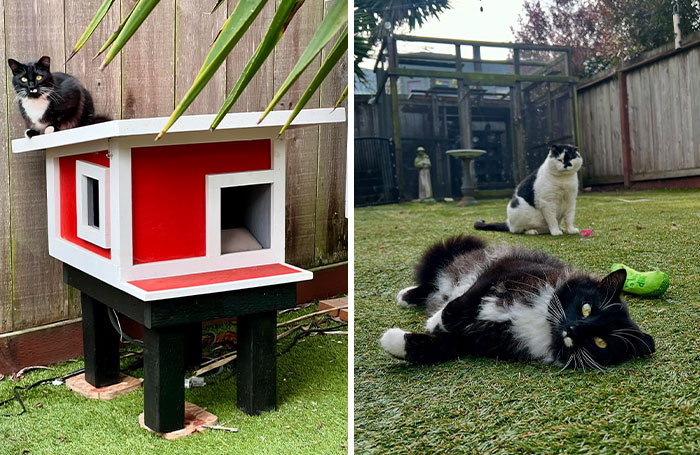
Practical Tips For Supporting Your Cat’s Natural Instincts
- Keep the litter box clean and in a quiet, accessible location.
- Provide multiple litter boxes if you have several cats to reduce stress.
- Use litter that mimics natural soil texture to encourage burying behavior.
Have you tried changing your cat’s litter or the box’s location? Small adjustments can make a big difference in keeping your cat comfortable and happy.
Credit: www.boredpanda.com
Comparison With Other Animals
Understanding why cats bury their poop becomes clearer when you compare them with other animals. Different creatures have unique habits when it comes to dealing with their waste. These behaviors often reveal a lot about their instincts, survival tactics, and social structures.
Dogs Vs Cats
Dogs rarely bury their poop. Instead, they often leave it exposed, sometimes even stepping on it or sniffing it intensely. This behavior helps them mark their territory through scent.
Cats, on the other hand, instinctively bury their waste. This act hides their presence from predators and other cats. Have you ever noticed how your cat carefully digs and covers its litter? This natural habit is deeply ingrained.
While dogs use poop to announce, cats prefer to stay undercover. Your cat’s behavior is a survival strategy that reflects their cautious and solitary nature.
Wild Cats Vs Domestic Cats
Wild cats, like bobcats or lynxes, do not always bury their feces. In some cases, they leave it visible to mark territory or warn rivals. This behavior depends heavily on their environment and the presence of threats.
Domestic cats usually bury their poop. Living in a home environment without many natural threats, they continue this instinctive behavior more out of habit than necessity. This shows how deeply rooted these actions are, regardless of the setting.
Do you think your house cat’s litter habits are just about cleanliness, or are they a glimpse into their wild ancestry? Observing these differences helps you understand your pet better and respect their natural instincts.

Credit: www.catit.com
Frequently Asked Questions
Why Do Cats Bury Their Poop Instinctively?
Cats bury their poop to hide their scent from predators. This instinct helps them stay safe in the wild. It also keeps their territory clean and reduces the risk of attracting enemies or rivals.
Does Burying Poop Help Cats Stay Healthy?
Yes, burying poop helps prevent the spread of parasites and diseases. It keeps their environment clean, reducing the risk of infections. This behavior promotes better hygiene and overall cat health.
Do All Cats Bury Their Poop?
Most domestic cats bury their poop, but some may not. Factors like personality, environment, and litter box type influence this behavior. Wild cats almost always bury their waste to stay safe.
How Does Burying Poop Benefit Cats Socially?
Burying poop minimizes scent marking, reducing territorial conflicts. It helps cats live peacefully with others nearby. This behavior supports social harmony among multiple cats in the same area.
Conclusion
Cats bury their poop to stay clean and avoid predators. This behavior helps keep their homes fresh and safe. It is a natural instinct passed down from wild ancestors. Understanding this habit can improve how you care for your cat.
Respecting their needs creates a happy and healthy pet. Small actions make a big difference in your cat’s life. Simple, natural, and smart—this behavior shows how cats protect themselves daily.
