

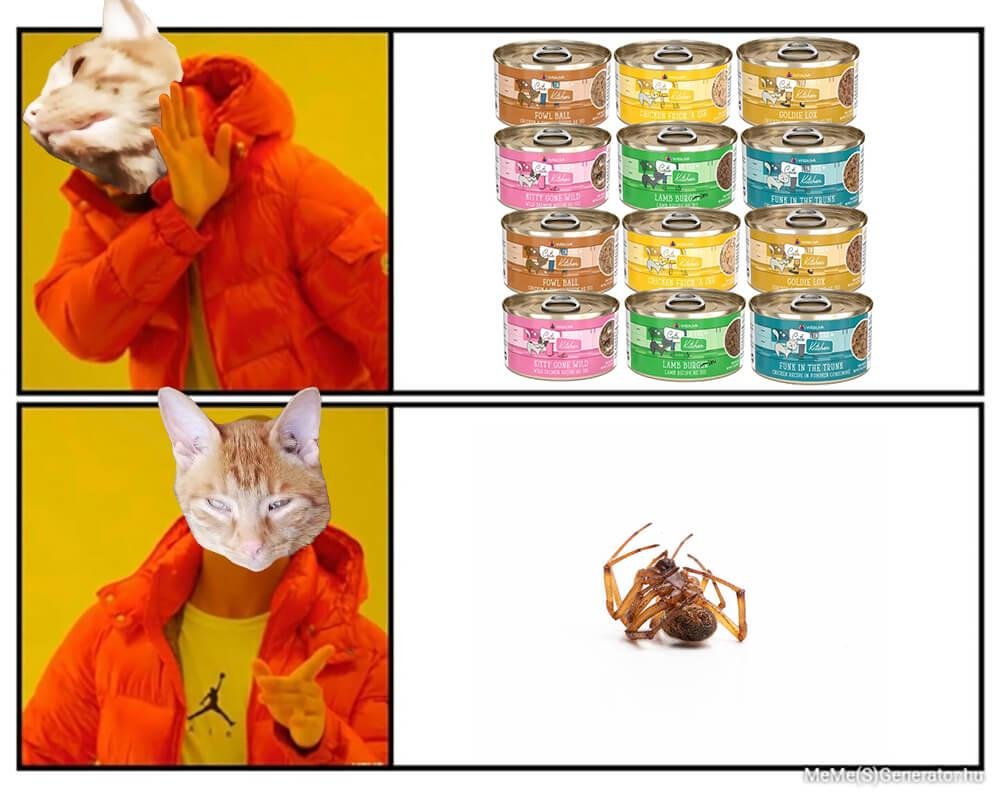
Have you ever caught your cat pawing at a buzzing bug or crunching on a tiny insect? You might wonder, do cats really eat insects?
It’s a question that sparks curiosity because your furry friend’s behavior can be surprising. Understanding why your cat chases and sometimes munches on creepy crawlies can reveal a lot about their natural instincts and health. Keep reading to discover the surprising reasons behind this behavior and what it means for your cat’s wellbeing.
You’ll learn how to watch out for potential risks and even how insects might play a role in your pet’s diet.
Why Cats Eat Insects
Have you ever noticed your cat chasing and sometimes eating insects around the house? This behavior might seem odd or even a little gross at first. But there are clear reasons why cats are drawn to insects as a snack or part of their diet.
Instinctive Hunting Behavior
Cats are natural hunters. Even well-fed indoor cats keep their hunting skills sharp by stalking and catching small creatures like insects.
Eating insects satisfies their instinctual need to hunt and provides mental stimulation. It’s a way for your cat to practice skills passed down from their wild ancestors.
Source Of Protein And Nutrients
Insects are packed with protein, vitamins, and minerals. When your cat eats insects, they gain nutrients that support their health and energy.
Think about it: some insects have high levels of protein and fats, which are essential in a cat’s carnivorous diet. This can be a natural supplement, especially for outdoor cats.
Curiosity And Playfulness
Your cat might not always eat insects for food. Often, it’s curiosity and play that lead them to catch these tiny creatures.
Playing with insects can keep your cat entertained and physically active. Do you notice your cat’s eyes light up and body tense when they pounce? That’s their playful nature at work.
Can Insect-eating Be Harmful?
While insects can be nutritious, some types might be harmful if they carry pesticides or toxins. It’s important to watch what your cat is catching.
If you see your cat frequently eating bugs, check the environment for safe insect types. This can help you keep your furry friend safe while they satisfy their cravings.
Types Of Insects Cats Commonly Hunt
Cats have a natural instinct to hunt, and insects often become their unexpected prey. Understanding the types of insects cats commonly hunt can help you observe your pet’s behavior more closely. It also sheds light on their diet and playful nature, which might surprise you.
Beetles And Bugs
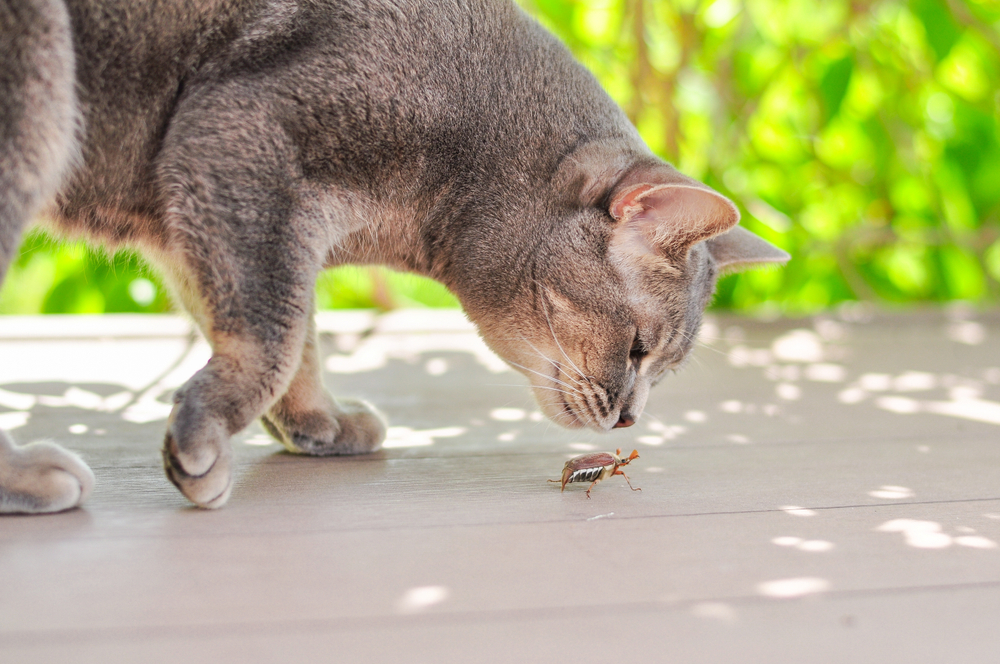
Beetles are a favorite target for many cats. Their slow, deliberate movements make them easy to catch, and their crunchy texture seems appealing to cats. I’ve seen my cat patiently stalk a shiny black beetle for several minutes before pouncing.
Other bugs like aphids or small shield bugs also catch a cat’s eye. These insects often gather on plants, making your garden a natural hunting ground for your feline friend. Watching your cat’s patience and focus during these hunts can be quite fascinating.
Flies And Moths
Flies are fast movers, which makes the chase exciting for cats. Their unpredictable flight patterns challenge your cat’s reflexes and hunting skills. This interaction isn’t just fun to watch; it also keeps your cat active and mentally sharp.
Moths, especially those attracted to lights at night, become easy prey. Their fluttery movement and soft wings attract your cat’s attention. Have you noticed how your cat sometimes appears mesmerized by a moth’s erratic flight?
Spiders And Other Crawlers
Spiders might seem like an unusual snack, but many cats love to hunt them. Their quick, jerky movements can trigger a cat’s hunting instinct. Some cats even seem to enjoy the challenge of catching these eight-legged creatures.
Other crawlers like ants or small grasshoppers also draw your cat’s curiosity. These insects offer a variety of movements and sizes, keeping your cat engaged. Next time your cat is focused on the floor, take a closer look—you might find a tiny crawler in the spotlight.
Nutritional Benefits Of Insects For Cats
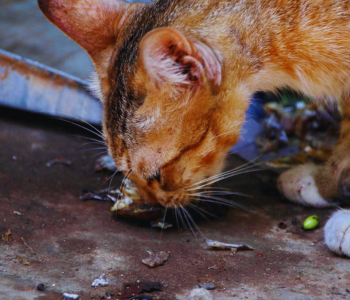
Cats eating insects is a natural behavior. Insects provide many nutrients that benefit cats’ health. These tiny creatures are rich in essential elements cats need for energy and growth. Insects supply a good mix of protein, vitamins, and minerals. These nutrients support cats’ muscles, bones, and overall body functions.
Protein Content
Insects contain a high amount of protein, vital for cats. Protein helps build strong muscles and repair tissues. It also supports cats’ immune system and energy levels. Many insects have more protein than traditional meat sources. This makes insects a valuable protein option for cats. Protein from insects is easy to digest and absorb.
Essential Vitamins And Minerals
Insects are rich in vitamins like B-complex and vitamin A. These vitamins improve cats’ skin, coat, and vision. Minerals such as iron, zinc, and calcium are also present. Iron helps transport oxygen in the blood, boosting energy. Zinc supports a healthy immune system. Calcium strengthens bones and teeth. These nutrients work together to keep cats healthy and active.
Credit: medium.com
Potential Risks Of Insects To Cats
Cats often chase and eat insects out of curiosity or hunger. While insects can seem like a natural snack, they may pose health risks. Some insects carry toxins or harmful parasites. These dangers can affect a cat’s well-being and cause illness. Understanding these risks helps keep cats safe and healthy.
Toxic Insects
Some insects produce poisons that harm cats. For example:
- Bees and wasps can sting, causing pain and swelling.
- Spiders may bite and inject venom.
- Certain beetles and caterpillars have toxic chemicals on their bodies.
Eating or biting these insects can lead to symptoms like vomiting, drooling, or difficulty breathing. In severe cases, poisoning may need immediate veterinary care.
Parasites And Diseases
Insects can carry parasites and germs harmful to cats.
- Fleas and ticks attach to cats and spread diseases.
- Mosquitoes may transmit heartworm larvae.
- Flies and cockroaches can carry bacteria on their bodies.
Eating infected insects might expose cats to parasites or bacteria. This can cause digestive problems or infections. Regular vet check-ups and parasite control protect cats from these threats.
Behavioral Aspects Of Insect Hunting
Cats hunting insects is a natural behavior rooted in their instincts and daily activities. This behavior is not just about eating but involves many aspects of their personality and habits. Understanding these helps explain why cats often chase bugs around the house or garden.
Instinctual Drives
Cats have strong hunting instincts passed down from their wild ancestors. These instincts push them to chase moving objects, especially small, quick creatures like insects. Their sharp eyes and quick reflexes make them great at spotting and catching bugs.
The act of hunting insects helps cats practice skills needed for survival. Even well-fed cats hunt because it feels natural and satisfying. This behavior keeps their minds sharp and bodies active.
Play And Entertainment
For many cats, chasing insects is also play. Bugs move unpredictably, which makes the chase fun and challenging. This play stimulates their brain and body, preventing boredom and stress.
Insect hunting can serve as exercise and mental stimulation. Cats often pounce, swipe, and bat at insects, mimicking hunting moves. This kind of play helps keep cats healthy and happy indoors.
When To Be Concerned
Not all insect encounters are harmless for your cat. While many felines enjoy the occasional bug snack, sometimes eating insects can lead to health problems. Knowing when to be concerned helps you protect your furry friend before a minor issue becomes serious.
Signs Of Ingestion Issues
Watch for unusual symptoms after your cat has eaten an insect. Vomiting, diarrhea, and excessive drooling can signal trouble. You might also notice your cat pawing at its mouth or shaking its head repeatedly.
In some cases, insects can cause allergic reactions. Look for swelling, redness, or itching around the face and paws. Lethargy and loss of appetite are other warning signs that something isn’t right.
Veterinary Advice
If your cat shows any of these signs, don’t wait to get professional help. A vet can check for insect bites, stings, or poisoning. They might recommend treatments such as fluids, antihistamines, or even antibiotics.
Ask your vet about preventive measures too. Could certain insects in your area be more dangerous? What steps can you take to keep your cat safe while letting them explore their natural hunting instincts?
Preventing Unwanted Insect Consumption
Preventing your cat from eating insects helps avoid health risks. Insects may carry germs or cause stomach problems. Keeping your cat safe requires some simple steps at home. Offering fun activities can also reduce their interest in bugs.
Safe Home Environment
Keep your home clean and tidy. Remove insect hiding spots like piles of paper or crumbs. Use screens on windows to block bugs from entering. Check for cracks and seal them to stop insects. Use pet-safe insect repellents to protect your cat. Avoid chemicals that might harm your pet.
Alternative Play Options
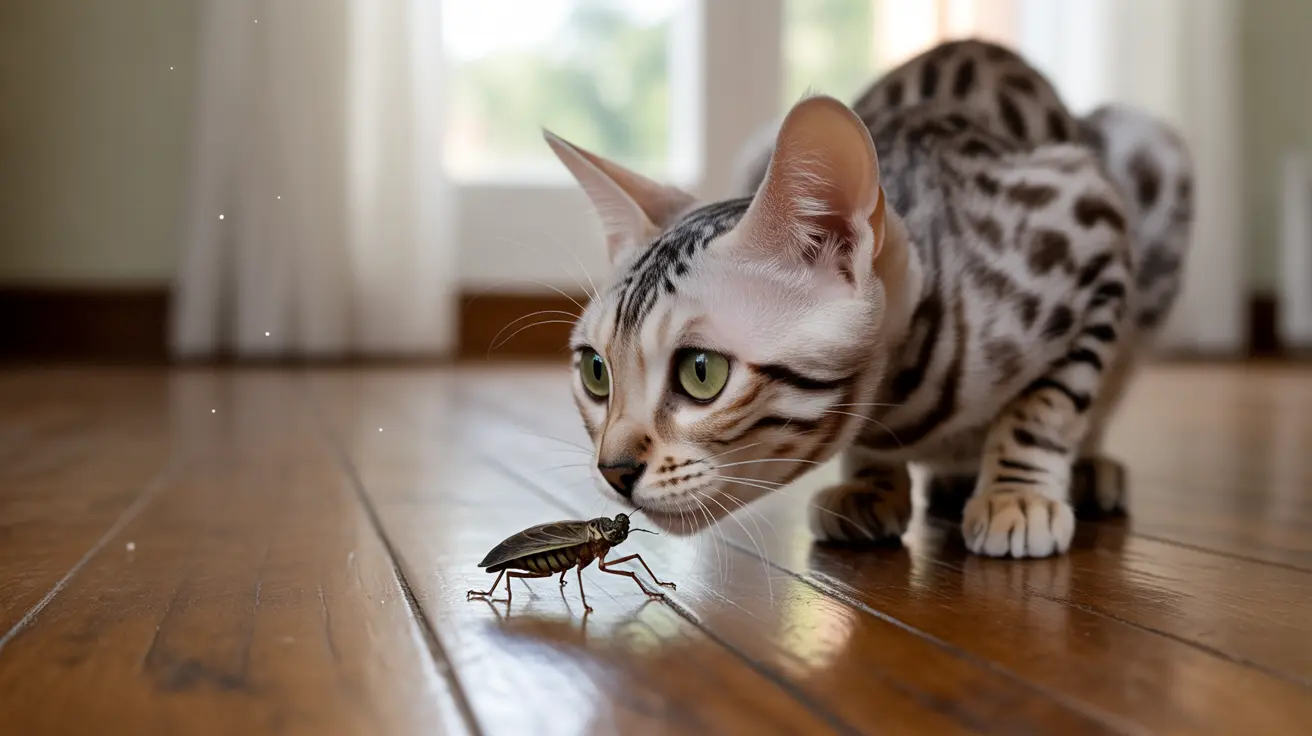
Give your cat toys to catch and chase. Use feather wands, laser pointers, or balls. Rotate toys often to keep your cat interested. Play with your cat daily to burn energy. Create puzzle feeders that challenge their mind. These options satisfy hunting instincts safely.
Credit: www.petscare.com
Credit: justcatsclinic.com
Frequently Asked Questions
Do Cats Naturally Eat Insects?
Yes, cats naturally eat insects as part of their instinctive hunting behavior. Insects provide protein and mental stimulation for cats.
Are Insects Safe For Cats To Eat?
Most insects are safe for cats if they are not toxic or contaminated. Avoid insects sprayed with pesticides to keep cats healthy.
Why Do Cats Catch And Eat Insects?
Cats catch insects to satisfy their natural hunting instincts and curiosity. Eating insects also provides a fun, low-calorie snack.
Can Eating Insects Harm My Cat?
Ingesting a few insects usually causes no harm. However, toxic or stinging insects can cause allergic reactions or digestive upset.
Conclusion
Cats often catch and eat insects naturally. This behavior comes from their hunting instincts. Insects can provide extra protein and fun for cats. Some insects are safe, but others may harm your pet. Always watch what your cat eats outside.
Keeping your cat healthy means knowing what is safe. Enjoy your cat’s playful side, but stay alert. Feeding insects is not needed if your cat has good food. Watching your cat’s habits helps you care better. Curious cats will explore, but you guide them well.
