


Are you unsure about how many times a day you should feed your cat? You want to keep your furry friend happy and healthy, but the feeding schedule can be confusing.
Feeding your cat the right amount at the right times affects their energy, mood, and overall well-being. You’ll discover the best feeding routine tailored just for your cat’s needs. Keep reading to find simple tips that will make caring for your cat easier and more rewarding.
Cat Feeding Frequency
Understanding how often to feed your cat can make a big difference in their health and happiness. Cat feeding frequency depends on several factors, including your cat’s age, lifestyle, and health needs. Let’s break down what works best for different situations to help you make the right choice.
Feeding Adult Cats
Most adult cats do well with two meals a day—once in the morning and once in the evening. This schedule matches their natural hunting patterns, where they catch multiple small meals throughout the day and night. Have you noticed your cat waiting eagerly at the same times every day? That’s their body clock telling you when they expect food.
Offering two meals helps control portion sizes and prevents overeating. It also reduces the risk of obesity, which is common in indoor cats with less activity. Try feeding consistent amounts and watch how your cat responds over a week.
Feeding Kittens
Kittens need more frequent meals because they’re growing rapidly and have smaller stomachs. Feeding them three to four times daily ensures they get enough nutrients and energy to thrive. You might find yourself topping up their food often, but it’s worth the effort to keep them healthy.
As they approach six months, you can gradually reduce feeding to two or three times a day. Pay attention to their energy levels and weight. Are they playful and steadily gaining weight? These are good signs your feeding schedule is working.
Free feeding means leaving dry food out all day for your cat to eat whenever they want. It sounds convenient, but it can lead to overeating and boredom. Cats often snack rather than eat balanced meals, which might cause weight gain.
Scheduled feeding, on the other hand, controls portion sizes and helps you monitor your cat’s appetite and health. If your cat suddenly refuses food at meal times, it could be a sign of illness you don’t want to miss. Which feeding method fits your lifestyle and your cat’s habits better?
Adjusting Feeding Frequency For Special Needs
Cats with medical conditions like diabetes or kidney disease often need more specific feeding schedules. Your vet may recommend smaller, more frequent meals to manage their condition effectively. Never guess when it comes to these cases—always follow professional advice.
Even older cats might benefit from more frequent, smaller meals if their appetite changes or if they lose weight. You know your cat best. Have you noticed any changes that might require adjusting their feeding routine?

Credit: www.youtube.com
Factors Affecting Feeding Schedule
Feeding your cat the right amount at the right times depends on several important factors. Not every cat needs the same feeding schedule, and understanding these differences can help you keep your feline friend healthy and happy. Let’s look at what influences how often you should feed your cat each day.
Age And Life Stage
Kittens need more frequent meals than adult cats because they are growing rapidly and have higher energy demands. You might find yourself feeding a kitten three to four times a day. Adult cats typically do well with two meals daily, while senior cats may need adjustments based on their health and appetite.
Have you noticed how your kitten seems hungrier throughout the day? This is completely normal and shows why age plays a big role in feeding schedules.
Health And Medical Needs
Your cat’s health can change how often and what type of food they need. Cats with conditions like diabetes or kidney disease may require special diets and more controlled feeding times. Always follow your vet’s advice on feeding if your cat has health issues.
Sometimes, you might need to feed smaller, more frequent meals to help with digestion or medication timing. Have you checked if your cat’s condition demands a unique feeding routine?
Activity Level
Active cats burn more calories and might need more frequent or larger meals to maintain their energy. Indoor cats that lounge all day often require less food and fewer meals. If your cat is playful and runs around a lot, consider adjusting their feeding schedule to match their energy use.
Does your cat seem restless or extra hungry after playtime? This could be a sign to tweak meal frequency or portion sizes.
Types Of Cat Food
Cats need different types of food to stay healthy and happy. Choosing the right food depends on their age, health, and preferences. Understanding the types of cat food helps you feed your pet properly. Here are the main types of cat food and their benefits.
Dry Food
Dry food is easy to store and lasts long. It helps keep cats’ teeth clean by reducing plaque. Dry food is usually less expensive than other types. It has a crunchy texture that many cats enjoy. It contains less moisture, so make sure your cat drinks enough water.
Wet Food
Wet food has high moisture content, which helps keep cats hydrated. It often smells stronger and tastes better to picky eaters. Wet food is softer and easier to chew, good for older cats. It usually has fewer carbohydrates than dry food. Feeding wet food can help prevent urinary problems.
Raw Diet
A raw diet includes uncooked meat, organs, and bones. It mimics what cats eat in the wild. Some owners choose raw food for its natural nutrients. Raw diets need careful preparation to avoid bacteria. Consult a vet before starting a raw diet to ensure safety.
Benefits Of Scheduled Feeding
Feeding your cat on a schedule offers many benefits. It helps keep your cat healthy and happy. Scheduled feeding controls how much and when your cat eats. This method supports better care and easier management of your cat’s diet.
Weight Management
Scheduled feeding helps prevent overeating. Cats get the right amount of food at set times. This control avoids weight gain and obesity. Maintaining a healthy weight reduces health problems. It also helps your cat stay active and energetic.
Routine Establishment
Cats thrive on routine and predictability. Feeding at the same times each day creates a strong habit. Your cat learns when to expect food. This reduces anxiety and stress around mealtime. It also makes your cat more relaxed and comfortable at home.
Free Feeding Vs. Scheduled Feeding
Deciding how often to feed your cat can feel tricky. One major choice is between free feeding and scheduled feeding. Each method has its own set of benefits and drawbacks that can affect your cat’s health and behavior.
Pros And Cons Of Free Feeding
Free feeding means leaving food out all day for your cat to eat whenever it wants. This suits cats that graze naturally and prefer to nibble throughout the day.
- Pros:
- Cat eats at its own pace, which can reduce stress for shy or nervous cats.
- Convenient for busy owners who can’t stick to strict meal times.
- Good for cats that don’t eat large meals at once.
- Cons:
- Hard to control portion sizes, leading to overeating and weight gain.
- Food can become stale or contaminated if left out too long.
- May encourage boredom eating, which isn’t healthy.
I once had a cat that free fed and became overweight quickly. Switching to scheduled meals helped her slim down and feel more active.
Pros And Cons Of Scheduled Feeding
Scheduled feeding means offering meals at specific times each day. This lets you control how much your cat eats and monitor its appetite closely.
- Pros:
- Helps maintain a healthy weight by managing portions.
- Allows you to spot changes in eating habits early, which can signal health issues.
- Can strengthen your bond as mealtime becomes a routine interaction.
- Cons:
- Requires commitment and consistency from you.
- Some cats may become anxious or vocal if they expect food but don’t get it immediately.
- Not ideal for cats that prefer grazing or have multiple pets competing for food.
Have you noticed your cat’s mood change when you try to set meal times? Understanding your cat’s personality helps decide which feeding style fits best.
Credit: www.petco.com
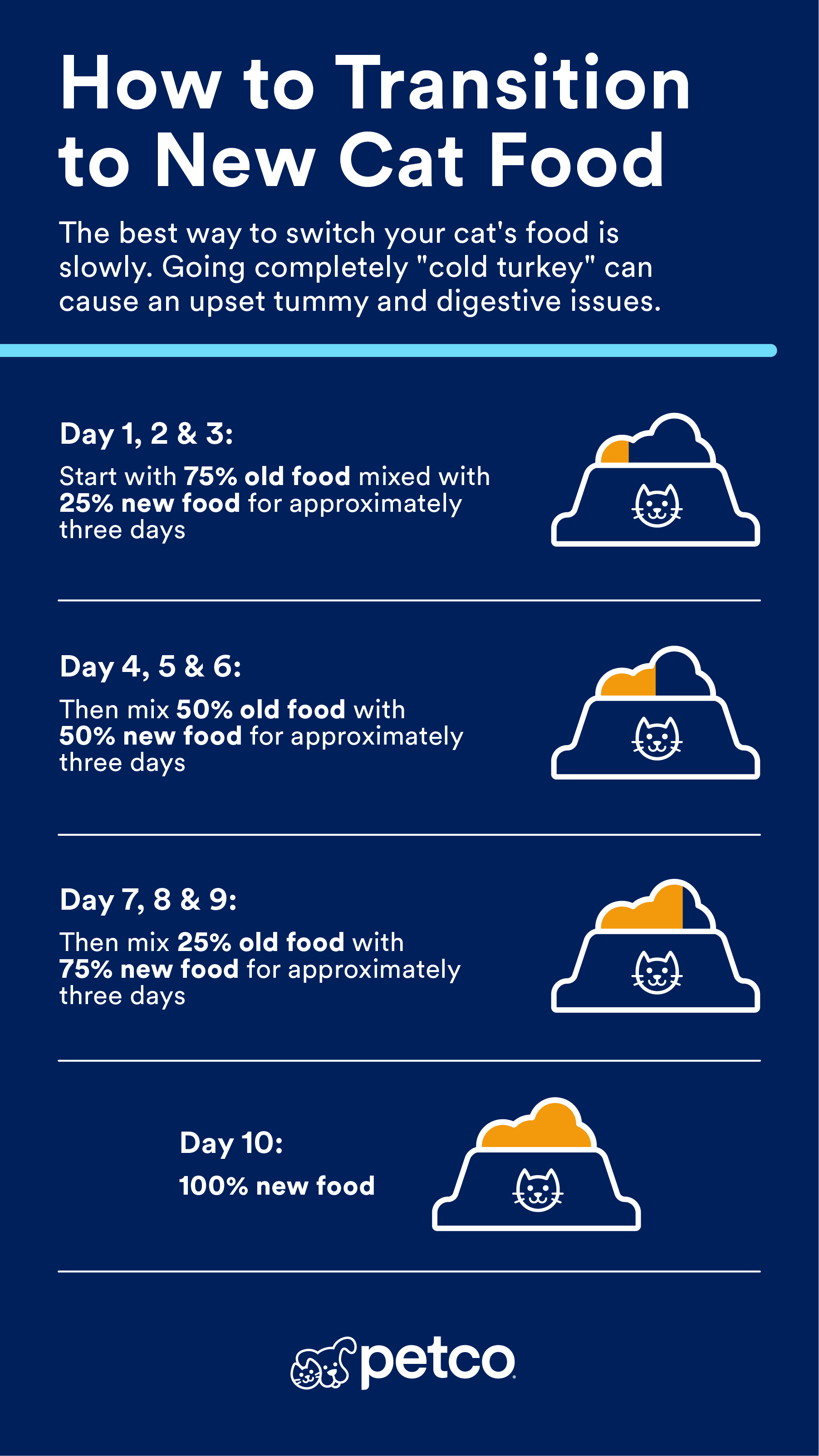
Adjusting Feeding Schedules
Adjusting your cat’s feeding schedule helps meet its changing needs. Cats may require more or less food depending on various factors. Paying attention to these changes keeps your cat healthy and happy.
Seasonal Changes
Seasons affect a cat’s appetite and energy levels. In colder months, cats may eat more to stay warm. Warmer months often bring lower activity and less hunger. Adjust meal sizes or frequency based on these shifts. Keep an eye on your cat’s weight during each season.
Behavioral Indicators
Watch your cat’s behavior to guide feeding times. Signs of hunger include meowing near feeding areas or restlessness. If your cat leaves food often, it may be full or not hungry. Sudden changes in eating habits can signal health issues. Respond to these clues by changing feeding times or amounts carefully.
Common Feeding Mistakes
Feeding a cat sounds simple but often leads to mistakes. These errors can harm your cat’s health over time. Understanding common feeding mistakes helps keep your cat happy and healthy. Avoiding these pitfalls ensures proper nutrition and weight management.
Overfeeding
Many cat owners give too much food daily. Overfeeding leads to obesity and health issues. Cats need controlled portions based on age and activity. Free-feeding dry food all day causes overeating. Measure meals and stick to scheduled feeding times. Obesity can cause diabetes and joint problems.
Inadequate Nutrition
Feeding cats only one type of food can be risky. Cats need a balanced diet rich in protein and nutrients. Low-quality food lacks essential vitamins and minerals. Avoid feeding only table scraps or treats. Nutrient deficiencies weaken the immune system. Choose cat food that meets AAFCO standards for complete nutrition.
Consulting A Veterinarian
Consulting a veterinarian is essential for feeding your cat correctly. Every cat has unique needs that depend on age, health, and lifestyle. A vet helps create a feeding schedule that fits your cat perfectly.
Regular check-ups allow vets to monitor your cat’s health and adjust feeding plans. They also identify any special dietary needs or allergies your cat may have. This expert guidance keeps your cat healthy and happy.
Personalized Feeding Plans
Vets design feeding plans based on your cat’s weight and activity level. They suggest how many meals your cat should have daily. These plans help avoid overfeeding or underfeeding, which can cause health problems.
Plans can change as your cat grows or its health changes. Vets advise on portion sizes and types of food. This personalized approach supports your cat’s overall well-being.
Nutritional Advice
A veterinarian provides clear advice on balanced nutrition. They recommend foods rich in essential nutrients like protein and vitamins. This advice helps you choose the best food for your cat.
Vets also warn about harmful ingredients or foods to avoid. They explain how to read pet food labels for better choices. Following their advice ensures your cat gets the nutrition it needs daily.
Credit: www.walmart.ca
Frequently Asked Questions
How Often Should I Feed My Adult Cat Daily?
Adult cats typically need two meals a day. Feeding twice helps maintain energy and prevents overeating. Consistent meal times improve digestion and behavior. Consult your vet for specific dietary needs.
Can Kittens Eat The Same Amount As Adult Cats?
No, kittens require more frequent meals. Feeding 3-4 times a day supports their rapid growth. Smaller, frequent meals provide steady energy. Adjust portions as they grow.
Is Free-feeding Better Than Scheduled Feeding For Cats?
Scheduled feeding controls portions and prevents obesity. Free-feeding can lead to overeating and weight gain. Timed meals help monitor appetite and health.
How Much Food Should I Give Per Feeding?
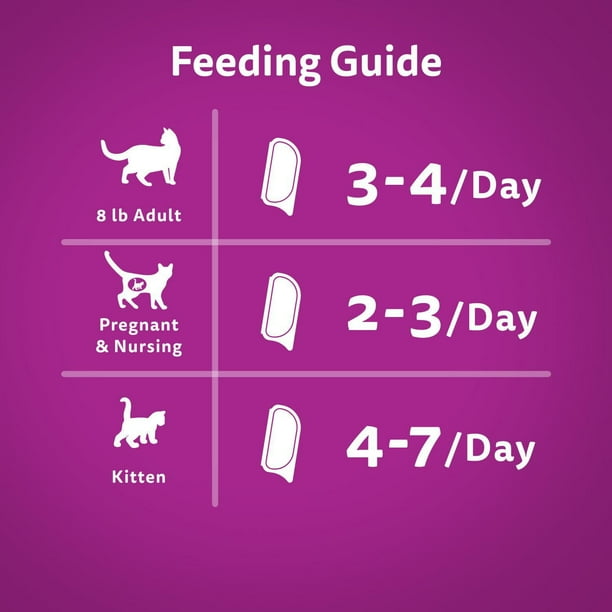
Portion size depends on your cat’s weight and activity level. Follow feeding guidelines on cat food packaging. Adjust based on your cat’s condition and vet advice.
Conclusion
Feeding your cat the right number of times daily helps keep it healthy. Most cats do well with two meals a day. Kittens may need more frequent feeding to grow strong. Watch your cat’s weight and energy to adjust feeding times.
Consistency in feeding helps your cat feel secure and happy. Always provide fresh water alongside meals. Remember, each cat is unique, so observe and adapt. Caring for your cat’s diet is part of loving it. Simple steps make a big difference in your cat’s life.
