


Are you wondering if your cat needs constant attention to be happy? You might think cats are independent and don’t crave much interaction, but the truth can surprise you.
Understanding how much attention your cat really needs can make a big difference in their mood and behavior. Keep reading to discover what your furry friend truly wants from you—and how to give it just the right amount of love without feeling overwhelmed.

Credit: www.oliverpetcare.com
Cat Independence Myth
Many people believe cats are very independent and do not need much attention. This idea is a common myth. Cats do enjoy alone time, but they also crave connection and care. Understanding the truth about cat independence helps build a stronger bond with your pet.
Why Cats Are Seen As Independent
Cats often appear to handle things alone. They groom themselves and find cozy spots to rest. This behavior makes people think cats don’t want or need much interaction. But this is only part of the story.
The Reality Of Cat Social Needs
Cats form strong attachments to their owners. They seek attention through purring, rubbing, and following you around. Many cats enjoy playtime and petting. Ignoring these needs can lead to stress or boredom.
Signs Your Cat Wants More Attention
- Meowing or vocalizing more than usual
- Following you from room to room
- Resting on your lap or near you often
- Playing actively and inviting interaction
Balancing Cat Independence And Interaction
Give your cat space to explore and rest. At the same time, spend quality time playing and cuddling. This balance keeps your cat happy and healthy. Remember, every cat is different in how much attention they want.
Social Needs Of Cats
Cats often get a reputation for being independent, but they do have social needs that vary widely from one feline to another. Understanding these needs can help you build a stronger bond and create a happier environment for your pet. Paying attention to how your cat interacts with you and others will reveal just how much attention they really require.
Understanding Cat Behavior
Cats communicate a lot through body language and subtle actions. A cat that rubs against you or follows you from room to room is showing a desire for companionship. On the other hand, some cats prefer brief interactions and then retreat to quiet spaces.
It’s important to watch for changes in behavior. If a usually social cat suddenly hides or ignores you, it might be feeling unwell or stressed. Your awareness of these shifts can help you respond appropriately to your cat’s social needs.
Signs Of Attention-seeking
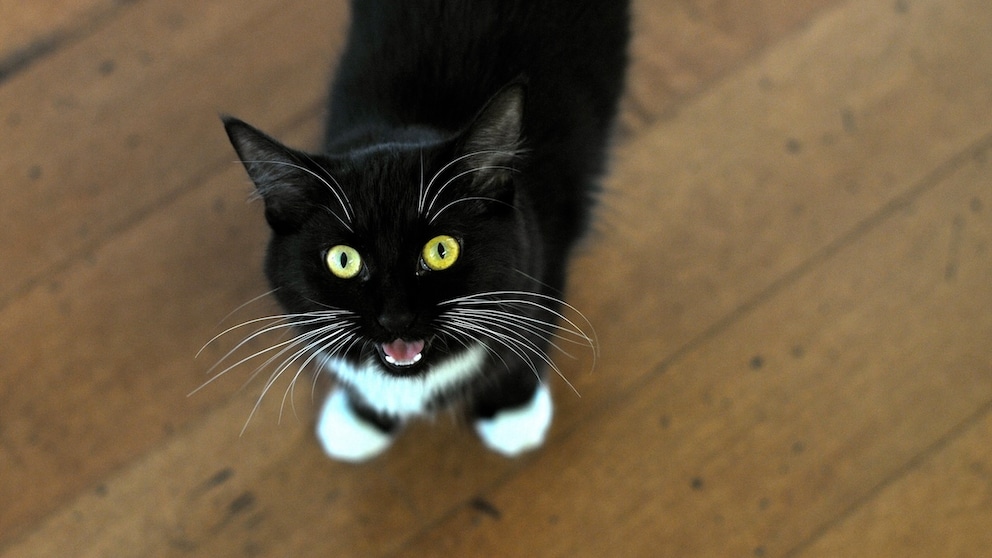
Cats show they want your attention in different ways, and recognizing these signs can improve your relationship. Your cat might meow loudly, paw at you gently, or even bring you “gifts” like toys or caught prey.
Sometimes, persistent behaviors like jumping on your keyboard or nudging your hand are their way of saying, “I want to play” or “Spend time with me.” Have you noticed how your cat acts right before they get your full focus? That’s often a clear signal of their social needs.
- Repeated meowing or vocalizing
- Following you closely around the house
- Head butting or rubbing against you
- Pawing or tapping to get attention
- Resting on your lap or next to you
Understanding these signs allows you to give your cat the right amount of attention without feeling overwhelmed. Remember, meeting your cat’s social needs can reduce unwanted behaviors and deepen your connection.
Comparison With Dogs
Comparing cats and dogs reveals interesting differences in how much attention they need. While dogs often demand constant interaction, cats usually have a more balanced approach to socializing. Understanding these differences can help you provide the right environment for your furry friend.
Differences In Attention Needs
Dogs typically thrive on regular playtime, walks, and companionship. They often seek your company throughout the day and can get anxious if left alone for too long.
Cats, on the other hand, enjoy bursts of interaction but value their alone time. Many cats are content to lounge quietly for hours and only ask for attention on their terms.
Think about your daily routine: do you have time for a pet that needs constant engagement, or do you prefer one that fits more independently into your life?
Common Misconceptions
Many people believe cats are completely independent and don’t need any attention. This isn’t true; cats can get lonely and bored without interaction.
At the same time, cats don’t usually show their need for attention as openly as dogs do. They might come sit nearby or gently nudge you instead of barking or pawing.
Have you noticed your cat’s subtle ways of asking for attention? Recognizing these signs helps build a stronger bond and keeps your cat happy.

Credit: www.reddit.com
Factors Affecting Attention Levels
Cats differ a lot in how much attention they need from their owners. Some cats enjoy constant company, while others prefer quiet and alone time. The amount of attention a cat wants depends on several key factors. Understanding these can help you care for your cat better.
Age And Attention Requirements
Kittens need more play and interaction to grow healthy and happy. They are curious and full of energy. Adult cats often want less attention but still enjoy playtime and petting. Older cats may seek comfort and gentle care but also need quiet moments. Age shapes how much time your cat will want with you.
Breed-specific Traits
Certain breeds are more social and demand more attention. For example, Siamese cats love to be around people and chat often. Maine Coons are friendly and playful but can also be independent. Some breeds prefer solitude and only brief interactions. Knowing your cat’s breed traits helps predict their social needs.
Environmental Influences
The home environment affects how much attention cats need. Cats in busy homes may seek more quiet time. A single cat in a quiet house might want more play and interaction. New changes, like moving or new pets, can make cats seek extra attention for comfort. A calm environment helps cats feel secure and balanced.
Recognizing Unmet Needs
Recognizing when your cat’s needs are not being met is crucial for their happiness and health. Cats may not always vocalize their discomfort or loneliness in obvious ways. Paying close attention to subtle signals can help you respond before problems escalate.
Behavioral Changes
Have you noticed your cat suddenly hiding more or showing less interest in play? These shifts can indicate unmet emotional or physical needs. Cats often become withdrawn or restless if they feel ignored or bored.
Other signs include increased vocalization, aggression, or even excessive grooming. These behaviors are your cat’s way of asking for more interaction or mental stimulation. Reflect on your daily routine: are you spending enough quality time with your pet?
Health Implications
Unmet needs don’t just affect your cat’s mood—they can impact their health. Stress from loneliness or neglect can weaken their immune system, making them more vulnerable to illness. Poor mental health might also lead to eating problems or weight changes.
Watch for changes like reduced appetite, vomiting, or unusual bathroom habits. These symptoms could be linked to emotional distress rather than just physical causes. Consulting your vet when you notice these signs can help catch problems early.
Balancing Attention And Independence
Cats need a balance between attention and independence to stay happy. Too much attention can make them clingy, while too little can cause boredom. Giving your cat space helps them feel safe and confident. At the same time, spending quality time with your cat builds trust and strengthens your bond. Finding the right mix is key to a content cat.
Creating A Stimulating Environment
A lively environment keeps your cat’s mind active. Provide toys that encourage natural hunting skills like chasing or pouncing. Scratching posts help them stretch and mark their space. Place perches near windows for watching birds or outside activity. Change toys regularly to keep interest high. Cats enjoy hiding spots for quiet moments. A mix of activity and calm zones is ideal.
Interactive Play Techniques
Play sessions boost your cat’s energy and happiness. Use wand toys or laser pointers to mimic prey movements. Keep play short but frequent, about 10 to 15 minutes each time. Let your cat catch the toy sometimes to avoid frustration. Talk softly or use gentle touch to enhance connection. End play with treats or praise to reward your cat’s effort. Interactive play strengthens your bond and meets your cat’s need for attention.
Tips For Busy Cat Owners
Balancing a busy schedule with the needs of your cat can feel overwhelming. However, giving your feline friend quality attention doesn’t always mean spending hours at a time. With the right approach, you can keep your cat happy and engaged even on the busiest days.
Efficient Attention Strategies
Focus on short, meaningful interactions rather than long sessions. Cats often prefer brief playtimes or quick moments of petting that fit naturally into your day.
Try to observe your cat’s favorite activities and join in. If your cat loves chasing laser pointers, a five-minute play session before you leave or when you come home can satisfy their need for interaction.
Set consistent routines. Cats feel secure when they know when to expect your attention, which helps reduce stress and behavioral issues.
Utilizing Technology
Technology can be a great helper when your time is limited. Automated laser toys or interactive feeders can keep your cat entertained while you handle your tasks.
Consider pet cameras that allow you to talk to your cat and even dispense treats remotely. This way, your cat feels connected to you even when you’re away.
Apps and smart devices designed for pets can provide stimulation and encourage movement, preventing boredom without demanding extra effort from you.
Credit: www.petbook-magazine.com
Frequently Asked Questions
Do Cats Need Constant Attention From Owners?
Cats do not need constant attention but enjoy regular interaction. They value affection but also appreciate alone time. Balanced attention keeps them happy and reduces stress.
How Much Daily Attention Do Cats Require?
Most cats need about 20-30 minutes of focused play or petting daily. This helps with their mental and physical health.
Can Lack Of Attention Affect A Cat’s Behavior?
Yes, insufficient attention can cause boredom and anxiety. Cats may become destructive or withdrawn without enough engagement.
Are Some Cat Breeds More Attention-demanding?
Yes, breeds like Siamese and Sphynx often crave more interaction. Understanding breed traits helps meet your cat’s social needs.
Conclusion
Cats enjoy attention, but not all need it constantly. Some like quiet time alone. Others want play and petting often. Knowing your cat’s personality helps a lot. Watch how they act and respond. Give love in ways they like best.
A happy cat feels safe and cared for. Balance attention with space for best results. Every cat is unique, so adjust as needed. This keeps your bond strong and joyful.
