


Are you thinking about having both a cat and a rabbit as pets? You might be wondering if these two animals can live together peacefully.
The idea of your furry friends getting along sounds wonderful, but is it really possible? Understanding how cats and rabbits interact can save you from stress and help create a happy home for both. Keep reading to discover what you need to know to make sure your pets thrive side by side.
Cats And Rabbits: Natural Behaviors
Cats and rabbits have very different natural behaviors. Understanding these helps in knowing how they might interact. Both animals have instincts that guide their actions and reactions. These instincts shape how they behave around each other and other pets.
Instinctual Traits Of Cats
Cats are natural hunters. They often stalk and pounce on moving objects. Their sharp claws and teeth help them catch prey. Cats are curious and like to explore new environments. They mark their territory by rubbing their face or scratching. Cats communicate with body language, such as tail position and ear movements. They also use vocal sounds like purring or hissing to show feelings.
Common Rabbit Behaviors
Rabbits are prey animals. They are alert and quick to run from danger. Rabbits use thumping their hind legs to warn others of threats. They enjoy chewing and digging, which are natural activities. Rabbits communicate with gentle nudges and soft sounds. They also show affection by grooming each other. Rabbits prefer safe, quiet spaces to rest and hide.
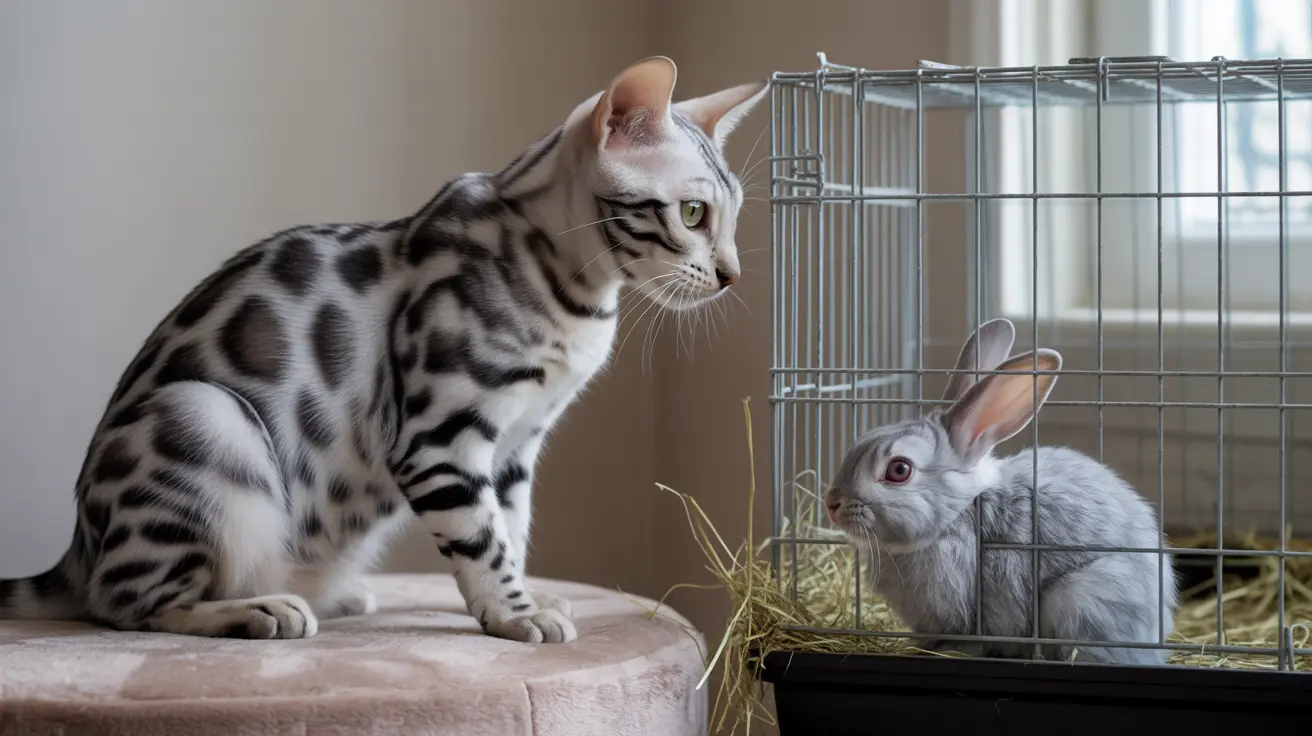
Credit: www.petscare.com
Factors Influencing Cat-rabbit Relationships
Many factors influence how cats and rabbits interact. Their relationship depends on their nature and past. Understanding these factors helps in creating a peaceful environment for both pets.
Age And Temperament
Young cats and rabbits tend to be more playful and curious. Older animals might be less tolerant or active. A calm cat may accept a rabbit more easily. On the other hand, a high-energy cat might chase or stress a rabbit.
Rabbits that are shy or nervous may hide or avoid cats. Bold rabbits might approach cats with confidence. Matching their energy levels can reduce conflicts.
Previous Experiences
Pets used to other animals often adjust better. A cat that grew up around rabbits may behave gently. Rabbits familiar with cats usually stay calm and less scared.
Negative past encounters can cause fear or aggression. A scared rabbit might thump or run away. A cat that sees rabbits as prey may stalk or attack. Positive experiences build trust and safety over time.
Introducing Cats To Rabbits
Introducing cats to rabbits requires patience and careful planning. Both animals have different behaviors and instincts, so the process needs to be slow and controlled to avoid stress or harm. You want to set a positive tone for their relationship from the very start.
Preparation Steps
Start by making sure both your cat and rabbit have separate, safe spaces. This allows each to feel secure and reduces anxiety before meeting.
Gather items that carry each other’s scent, like a blanket or toy, and let them explore these scents separately. This helps them get used to the idea of the other’s presence without direct contact.
Observe your cat’s hunting instincts closely. If your cat tends to chase small animals, be extra cautious and consider consulting a vet or behaviorist for advice.
Controlled First Meetings
Begin introductions through a barrier, such as a baby gate or a cage. This lets your cat and rabbit see and smell each other safely.
Keep these sessions short—just a few minutes—and watch their body language carefully. Signs of stress or aggression mean it’s time to slow down.
Reward calm behavior from both pets with treats or gentle praise. Positive reinforcement helps them associate each other with good experiences.
Ask yourself: Is your cat showing curiosity or predatory behavior? Is your rabbit relaxed or frightened? These answers guide your next steps.
Creating A Harmonious Environment
Creating a harmonious environment is key to helping cats and rabbits live together peacefully. Both animals have different needs and behaviors. Careful planning makes their shared home safe and calm. Small changes can lead to big improvements in how they get along.
Shared Space Considerations
Choose an area where both pets can feel safe. Give each animal its own space to retreat. Use barriers like baby gates or pens to separate zones. Make sure the rabbit has hiding spots to reduce stress. Cats need vertical spaces to climb and observe. Keep food and water bowls in separate areas. Avoid overcrowding the space with too many toys or furniture. Clean the area regularly to keep it fresh and inviting.
Monitoring Interactions
Watch their behavior closely during first meetings. Look for signs of stress or aggression. Separate them immediately if either shows fear or hostility. Use short, calm sessions to help them get used to each other. Praise and reward calm and gentle behavior. Always supervise playtime until trust builds. Keep a calm voice and slow movements. Never force interaction; let them set the pace.
Signs Of Compatibility
Understanding the signs of compatibility between cats and rabbits helps you create a peaceful home for both. Watching their behavior closely reveals how well they might get along. Recognizing these signs early can save you stress and keep both pets safe and happy.
Positive Interactions
Look for moments when your cat and rabbit show curiosity without fear. They might sniff each other gently or sit close without tension. This calm behavior suggests they’re comfortable sharing space.
Playful chasing that doesn’t cause distress can be a good sign, too. For example, if your cat bats softly at the rabbit’s ears and the rabbit doesn’t run away frantically, they might be engaging in friendly play. You could even see them grooming each other, which shows trust.
Have you noticed your cat and rabbit resting near one another or sharing a favorite spot? This peaceful coexistence often means they accept each other’s presence. It’s important to praise and reward these moments to encourage more positive interactions.
Warning Signals
Pay attention if your cat’s body stiffens or if it starts stalking your rabbit with intense focus. These are signs of predatory behavior, and your rabbit will likely feel threatened. Hissing, growling, or sudden lunges are clear red flags.
If your rabbit thumps its hind legs repeatedly or tries to hide when the cat approaches, it’s a sign of stress. Avoid forcing interactions if you see these behaviors, as they indicate discomfort or fear.
Watch for any signs of aggression like biting or scratching from either pet. Early intervention is critical to prevent injuries. Ask yourself: Are both animals showing signs of stress, or is one dominating the other? This question can guide your next steps for safe introductions or separation.

Credit: cinemacats.com
Addressing Common Challenges
Introducing cats and rabbits can present some common challenges. Both animals have different behaviors and needs. Understanding these can help create a safer and calmer environment. Patience and careful observation play key roles in their peaceful coexistence.
Aggression Issues
Aggression is a frequent problem when cats meet rabbits. Cats may see rabbits as prey or rivals. Rabbits might react defensively, causing stress for both pets.
- Watch for signs like hissing, chasing, or biting.
- Separate them if aggressive behavior appears.
- Use gradual introductions in a controlled space.
- Reward calm behavior with treats and praise.
Understanding each pet’s body language helps prevent conflicts. Safe spaces for rabbits help them feel secure.
Stress Management
Stress affects both cats and rabbits during interactions. New smells, sounds, or movements can cause anxiety. Stress leads to health problems and behavior issues.
- Keep their living areas calm and quiet.
- Provide hiding spots for the rabbit.
- Allow pets time to adjust without forcing contact.
- Maintain regular feeding and play routines.
Observe for signs of stress like hiding, loss of appetite, or aggression. Helping both animals feel safe reduces stress and builds trust.
Expert Advice And Recommendations
Understanding how cats and rabbits interact requires more than just observation. Expert advice sheds light on their behaviors and offers practical steps to ensure peaceful coexistence. Let’s look at what veterinarians and animal behaviorists recommend to help you manage these unique relationships.
Veterinarian Insights
Vets emphasize the importance of health checks before introducing your cat to a rabbit. Both animals should be free from diseases to prevent any health risks.
They also recommend supervised meetings in a neutral space to minimize territorial behavior. This helps your cat and rabbit get used to each other’s scent and presence without stress.
Vaccinations and parasite control are crucial. A healthy environment protects both pets and reduces the chance of conflicts stemming from discomfort or illness.
Animal Behaviorist Tips
Behaviorists suggest watching body language carefully. A relaxed cat with slow blinks and a calm rabbit with upright ears signal readiness to interact.
Start with short, controlled sessions to build trust gradually. Interrupt interactions at the first sign of stress to keep both animals comfortable.
Use positive reinforcement to reward calm behavior. Treats and gentle praise can encourage your cat and rabbit to associate each other with good experiences.
Have you noticed your cat’s hunting instincts during these encounters? Managing that natural drive is key to creating a safe environment for your rabbit.
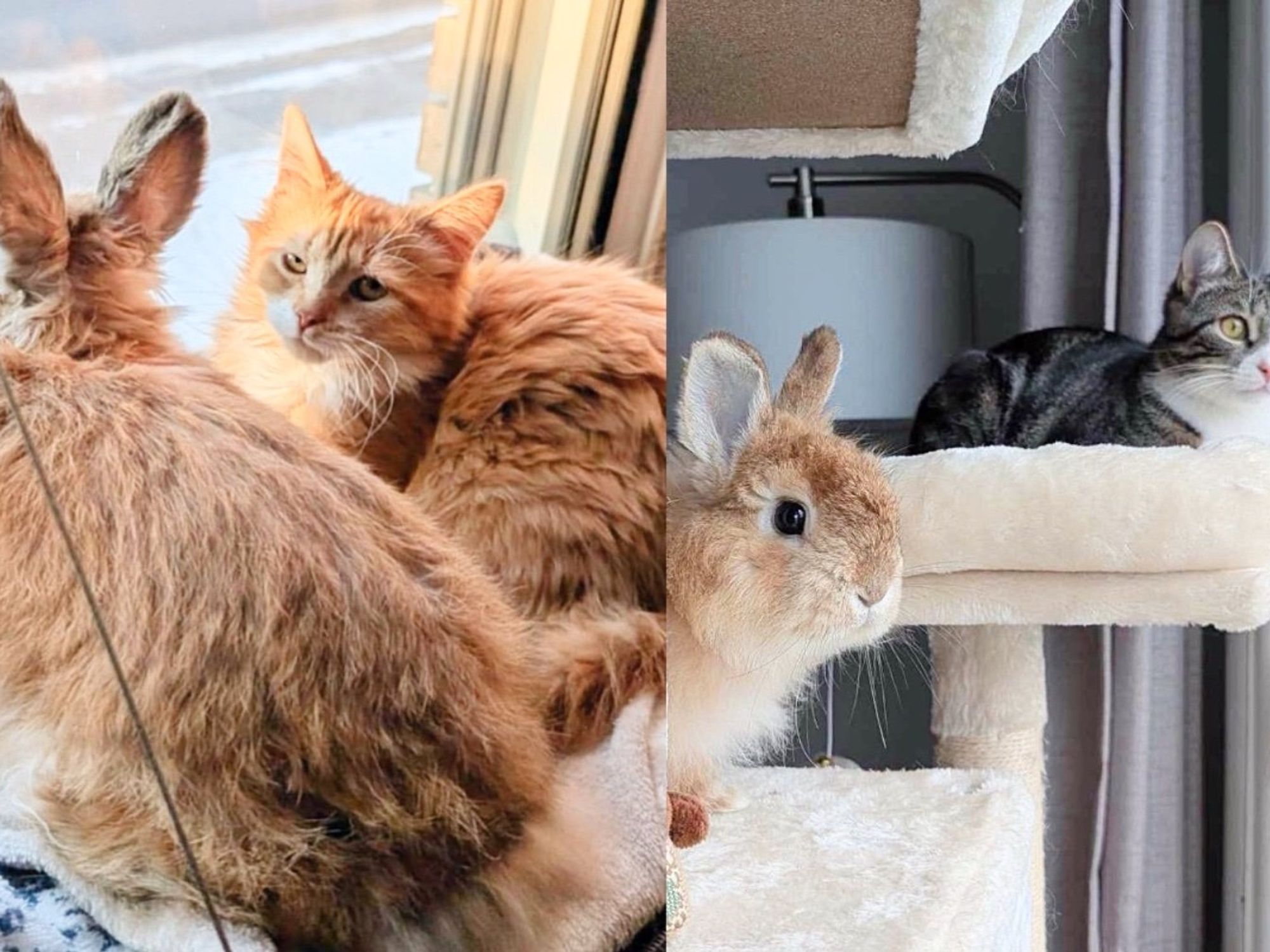
Credit: www.lovemeow.com
Frequently Asked Questions
Do Cats And Rabbits Naturally Get Along?
Cats and rabbits can get along if properly introduced. Their personalities and early socialization influence their relationship. Supervised interactions help build trust and prevent conflicts. Patience and gradual exposure are key for harmony between these pets.
How To Safely Introduce A Cat To A Rabbit?
Introduce cats and rabbits slowly in a controlled environment. Use barriers like cages or baby gates at first. Monitor their behavior closely and reward calm interactions. Avoid forcing contact to prevent stress and ensure positive experiences.
Can A Cat Harm A Rabbit?
Cats have natural hunting instincts that may pose risks to rabbits. Rabbits are fragile and can get injured by playful or aggressive cats. Always supervise their interactions and separate them if any signs of aggression appear.
What Signs Show Cats And Rabbits Are Getting Along?
Calm behavior, relaxed body language, and mutual grooming indicate good relations. Both pets should show curiosity without fear or aggression. Shared resting spaces and peaceful coexistence are positive signs of bonding.
Conclusion
Cats and rabbits can live together with care and patience. Always watch their first meetings closely. Give each pet its own space to feel safe. Rabbits and cats have different needs and habits. Respect their differences to avoid stress or harm.
With time, many cats and rabbits learn to accept one another. Remember, every animal has its own personality. Some may become friends, while others prefer distance. Careful introduction and ongoing supervision create a peaceful home for both. Peace and safety come first for happy pets.
