

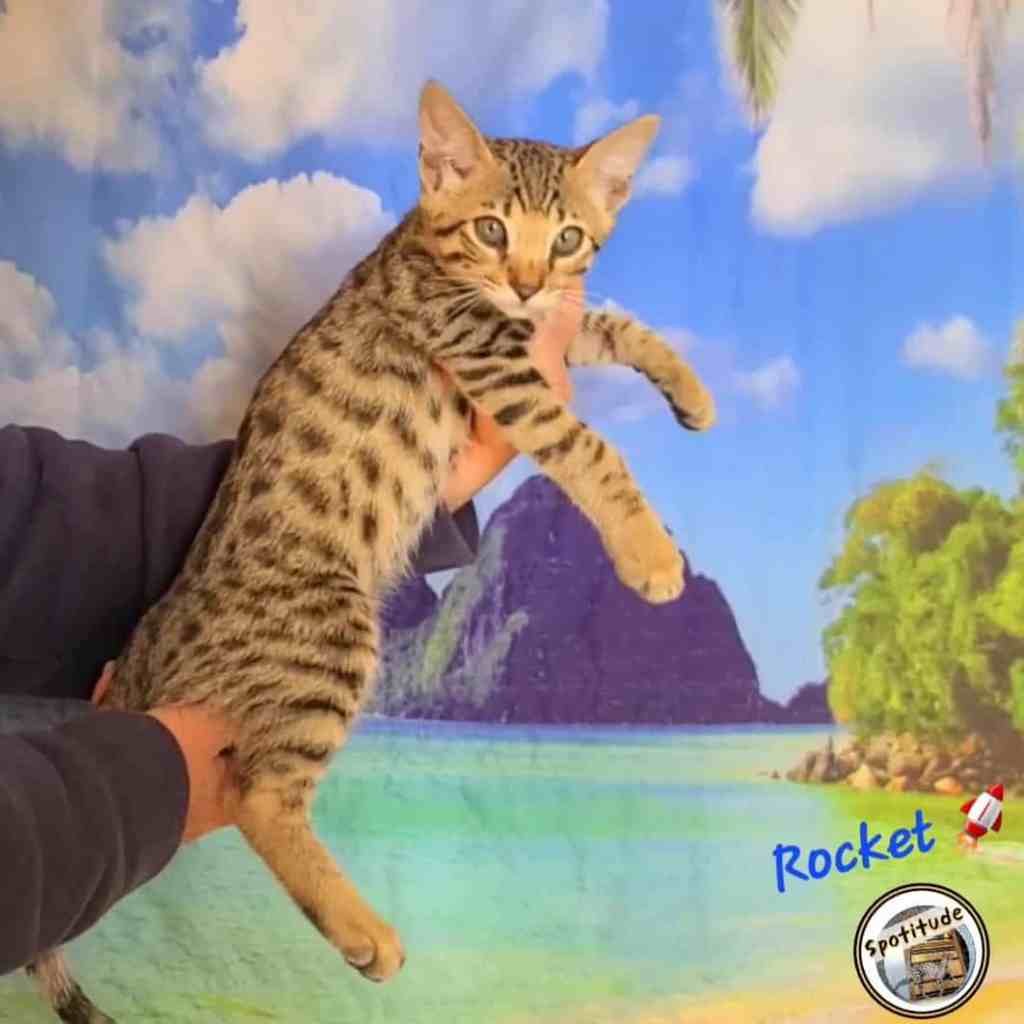
Are you ready to bring home a pet that’s truly one of a kind? Adopting a Savannah cat could be the perfect choice for you.
These cats are not just beautiful—they’re smart, playful, and full of energy. If you want a pet that will surprise you every day and become your loyal companion, keep reading. You’ll discover everything you need to know about adopting a Savannah cat and how to make sure your new friend feels right at home.
Why Choose A Savannah Cat
Savannah cats stand out with their striking looks and lively nature. They blend wild charm with domestic ease. Many pet owners choose them for their rare traits and friendly behavior. These cats offer a unique experience not found in regular breeds.
Unique Appearance And Traits
Savannah cats have a tall, slim body with long legs. Their coat features bold spots and stripes. Large ears sit high on their head, adding to their exotic look. They often have a spotted pattern similar to wild cats. Their eyes are large and almond-shaped, shining with curiosity.
These cats are also known for their agility and speed. They can jump and climb better than many other cats. Their wild ancestry gives them a sleek, athletic build. This mix of features makes them truly unique pets.
Personality And Temperament
Savannah cats are smart and playful. They enjoy interactive games and puzzles. These cats form strong bonds with their owners. They often follow people around and want to be involved. Their curiosity drives them to explore every corner.
They are also known for being friendly and social. Savannah cats can get along well with children and other pets. They are less likely to be shy or aggressive. Their gentle nature makes them great companions for families.
Comparing To Other Exotic Cats
| Feature | Savannah Cat | Bengal Cat | Chausie Cat |
|---|---|---|---|
| Wild Ancestry | Serval | Leopard Cat | Jungle Cat |
| Size | Large | Medium | Medium |
| Temperament | Friendly, Social | Active, Curious | Energetic, Loyal |
| Appearance | Spotted, Tall | Spotted, Muscular | Tabby, Sleek |
Savannah cats offer a balance of wild looks and gentle nature. They are larger and more social than many exotic breeds. This makes them easier to care for in a home setting. Their unique mix of traits attracts many pet lovers.

Credit: spotitudesavannahs.com
Preparing Your Home
Bringing a Savannah cat into your home means more than just opening a door. You need to create a space where your new companion feels secure and comfortable. Preparing your home carefully sets the stage for a smooth transition and a happy life together.
Safe Spaces And Environment
Your Savannah cat will thrive when it has quiet corners to retreat to. Designate a few safe spaces away from loud noises and heavy foot traffic. Cats often hide when they feel overwhelmed, so providing cozy beds or enclosed cat tents can help your new pet settle in.
Think about vertical space too. Savannah cats love to climb and observe from above. Adding cat trees or shelves gives them a sense of control and reduces stress. Have you noticed how your cat’s mood lifts when it can perch high up?
Essential Supplies
Before your Savannah cat arrives, gather all necessary supplies. You’ll need a sturdy litter box, high-quality cat food, fresh water bowls, and grooming tools. Pick toys that stimulate hunting instincts, such as feather wands or interactive puzzles.
Don’t forget a scratching post—Savannah cats have strong claws and need appropriate outlets for scratching. A comfortable bed and a carrier for trips to the vet are also must-haves. Have you prepared these basics to welcome your new friend?
Cat-proofing Tips
Keep your home safe by removing or securing anything that could harm your Savannah cat. Hide electrical cords or cover them with protective tubing to prevent chewing. Store toxic plants, cleaning supplies, and small objects out of reach.
Windows and balconies require attention too. Install secure screens or barriers to prevent accidental falls. Think about potential escape routes and block them—Savannah cats are curious and agile explorers. What hazards might you overlook in your own space?
Adoption Process
Adopting a Savannah cat involves more than just picking a pet. It’s a thoughtful process that ensures you bring home a healthy, well-adjusted companion. Understanding the steps can save you time and avoid surprises along the way.
Finding Reputable Breeders
Reputable breeders focus on the health and temperament of their Savannah cats. They provide transparent information about the cat’s lineage, health records, and living conditions.
Ask breeders specific questions like how they socialize their kittens or if they perform genetic testing. Visiting their facilities helps you see firsthand how the cats are cared for. Are you prepared to invest time in verifying these details? It makes a big difference in your cat’s future happiness.
Rescue Organizations And Shelters
Many Savannah cats end up in rescue groups or shelters needing new homes. These organizations often have cats that are already socialized and may come with medical care completed.
Adopting from a shelter can be rewarding and may save you money on initial vet visits. Reach out to specialty rescues that focus on Savannah cats or exotic breeds. Could your next furry friend be waiting in a shelter near you?
Legal Considerations And Permits
Savannah cats are not legal to own everywhere. Some areas require permits or have restrictions on hybrid animals. It’s crucial to check your local laws before starting the adoption process.
Contact your local animal control or wildlife department to understand the rules. This step prevents legal troubles and ensures you’re fully prepared to care for your new pet. Have you checked the legal requirements in your area yet?
Feeding And Nutrition
Feeding a Savannah cat requires attention to their unique dietary needs to keep them healthy and energetic. These cats have a wild ancestry, which means their nutrition should mimic what they would naturally eat. Understanding what to feed your Savannah can help prevent health problems and enhance their vitality.
Diet Requirements
Savannah cats need a high-protein diet, similar to what wild cats consume. Protein supports their muscle growth and keeps their energy levels up. Additionally, they require moderate fat and minimal carbohydrates since their digestive systems are not designed to process large amounts of grains or fillers.
Do you know how much protein your cat’s food contains? Look for foods with at least 30% protein and 15-20% fat. Including moisture in their diet is also important, as Savannah cats often don’t drink enough water on their own.
Recommended Foods
Choose premium wet or raw foods rich in meat. Chicken, turkey, rabbit, and fish are excellent protein sources. Many Savannah owners have found success feeding their cats raw diets, which can include raw chicken wings, hearts, and organs, but be sure to handle raw meat safely.
- High-quality canned cat food with real meat as the first ingredient
- Raw or freeze-dried raw diets specifically formulated for cats
- Occasional cooked meat treats without seasoning
Mixing wet food with dry kibble designed for carnivorous cats can work, but always monitor your cat’s preference and digestion. You might notice your Savannah prefers certain proteins or textures—letting them guide you can improve their mealtime enjoyment.
Avoiding Harmful Ingredients
Many commercial cat foods contain fillers and additives that can harm your Savannah cat’s health. Ingredients like corn, wheat, soy, and artificial preservatives can cause allergies or digestive issues. Stay clear of foods with by-products, artificial colors, or excessive carbohydrates.
Did you know some cats react poorly to chicken by-products or certain grains? Reading ingredient labels carefully can save your pet from uncomfortable health problems. Avoid foods with unspecified “meat meal” or vague ingredient lists that hide low-quality components.
Additionally, never feed your Savannah cat onions, garlic, chocolate, caffeine, or alcohol, as these are toxic to cats. Keeping their diet clean and natural is the best way to ensure a long, healthy life for your unique feline friend.
Training And Socialization
Training and socialization are key to enjoying a happy life with your Savannah cat. These cats are intelligent and energetic, making them eager learners. Yet, they also need guidance to channel their energy and curiosity in positive ways.
Basic Commands And Tricks
Savannah cats respond well to simple commands like “sit,” “come,” and “stay.” Use small treats as rewards to keep their attention and encourage good behavior.
Start with short training sessions, about 5 to 10 minutes, to avoid overwhelming them. Consistency is crucial—repeat commands daily for the best results.
- Use a clear, calm voice
- Keep training fun and positive
- Be patient—each cat learns at its own pace
Socializing With People And Pets
Early socialization helps your Savannah cat feel comfortable around new people and animals. Introduce them gradually to visitors and other pets in your home.
Watch their body language closely; if they seem stressed, give them space and try again later. Positive experiences build their confidence and reduce fear or aggression.
- Invite friends over regularly
- Arrange safe, supervised playtime with other pets
- Use treats and gentle praise to reward calm behavior
Managing Behavioral Challenges
Savannah cats can show strong hunting instincts and high energy, leading to scratching or jumping on furniture. Redirect these behaviors by offering toys and climbing structures.
If your cat scratches furniture, try a scratching post covered in sisal. Reward them when they use it to reinforce this habit.
- Provide plenty of interactive playtime
- Use deterrents like double-sided tape on furniture
- Never punish harshly—this can increase anxiety or aggression
Have you noticed your Savannah cat acting out? Observing what triggers their behavior can help you address the root cause effectively.

Credit: www.lannassavannahs.com
Health Care Essentials
Keeping your Savannah cat healthy is key to enjoying their lively and affectionate nature for years. Understanding health care essentials helps you spot problems early and provide the best life possible for your unique pet. Let’s look at how routine care and prevention protect your Savannah cat’s well-being.
Routine Vet Visits
Regular vet check-ups are a must. Even if your Savannah cat seems fine, a vet can catch hidden issues before they become serious. Most vets recommend visits every six months for young cats and at least yearly for adults.
During these visits, your vet will:
- Check weight and overall condition
- Examine teeth, ears, and eyes
- Test for parasites and infections
- Discuss diet and behavior changes
Have you ever noticed subtle changes in your cat’s behavior that worried you? Routine visits give you a chance to ask questions and get professional advice tailored to your Savannah’s needs.
Common Health Issues
Savannah cats are generally healthy but can face some breed-specific problems. Hypertrophic cardiomyopathy (a heart condition) and liver disease are concerns to watch for. Symptoms like lethargy, rapid breathing, or loss of appetite should prompt a vet visit.
Another issue is dental health. Savannah cats can develop tartar quickly, which leads to gum disease. Regular brushing and dental check-ups can save your cat discomfort and costly treatments later.
Does your Savannah show any unusual signs like excessive scratching or sudden weight loss? These could signal allergies or parasites, which your vet can diagnose and treat effectively.
Vaccinations And Preventive Care
Vaccinations protect your Savannah from serious diseases like feline leukemia, rabies, and distemper. Your vet will recommend a vaccination schedule based on your cat’s age and lifestyle.
Preventive care also includes:
- Flea and tick control
- Regular deworming
- Spaying or neutering to prevent health and behavioral issues
Staying on top of these helps your Savannah avoid painful illnesses and keeps them active. Have you considered how skipping preventive care could affect your cat’s quality of life?
Daily Care And Grooming
Taking care of a Savannah cat daily is essential to keep your feline friend healthy and happy. Their unique nature means you need to pay attention to specific grooming and care routines. These simple steps will help your Savannah thrive in your home environment.
Coat And Nail Maintenance
Savannah cats have short coats that require minimal grooming, but regular brushing helps reduce shedding and keeps their fur shiny. Use a soft-bristle brush once or twice a week to remove loose hair and dirt.
Nail care is equally important. Trim your cat’s nails every couple of weeks to prevent them from becoming too sharp or causing damage. If your Savannah is active outdoors, check their nails more often to avoid breaks or splinters.
Litter Box Tips
Keeping your Savannah’s litter box clean encourages good bathroom habits and prevents odors in your home. Scoop the litter daily and replace it completely once a week.
Choose a litter that your cat likes, such as clumping or natural options. Some Savannahs prefer unscented litter, so observe what works best for yours.
Exercise And Playtime
Savannah cats are highly energetic and intelligent, so they need plenty of physical and mental stimulation. Offer toys that challenge their hunting instincts, like feather wands or puzzle feeders.
Set aside time daily to play with your Savannah. This not only keeps them fit but also strengthens your bond. Have you noticed how their eyes light up when they’re chasing a toy? That excitement is a sign they’re happy and healthy.
Building A Strong Bond
Building a strong bond with your Savannah cat takes patience and attention. These cats are intelligent and energetic, so understanding their unique personality is key. The deeper your connection, the happier and more confident your cat will be.
Understanding Your Cat’s Needs
Savannah cats crave stimulation and affection, but they also need their own space. Pay attention to how your cat reacts to different environments and activities.
Does your cat prefer quiet corners or lively play? Does it enjoy being held, or does it prefer to observe from a distance? Respecting these preferences builds trust.
Interactive Activities
Engage your Savannah with interactive play to strengthen your relationship. Toys like feather wands, laser pointers, and puzzle feeders can keep your cat mentally and physically active.
Try setting aside time daily for play sessions. Watch how your cat responds and change your approach if it seems bored or overstimulated. Have you noticed your cat’s favorite game yet?
Recognizing Signs Of Stress
Stress can damage your bond if unnoticed. Look for behaviors like hiding, excessive grooming, or sudden aggression—they often signal discomfort.
When your cat shows these signs, pause and ask what might be causing distress. Maybe a new environment, loud noises, or changes in routine are upsetting your cat. How quickly do you notice these shifts?

Credit: www.lavishsavannahs.com
Frequently Asked Questions
What Is A Savannah Cat And Its Origin?
A Savannah cat is a hybrid breed from crossing a domestic cat with a serval, a wild African cat. Known for its striking looks and playful nature, it combines exotic appearance with domestic traits, making it a unique and captivating pet.
How Much Does It Cost To Adopt A Savannah Cat?
Adopting a Savannah cat typically costs between $1,500 and $20,000. Prices vary based on the generation, breeder reputation, and coat pattern. Higher-generation hybrids with more serval traits tend to be more expensive and require experienced care.
What Are The Care Needs Of A Savannah Cat?
Savannah cats need plenty of space, mental stimulation, and regular playtime. They require a balanced diet, veterinary care, and secure indoor or outdoor environments. Social interaction is essential to prevent boredom and behavioral issues.
Are Savannah Cats Good Family Pets?
Yes, Savannah cats can be good family pets. They are social, affectionate, and bond well with owners. However, their high energy and curiosity mean supervision with small children and other pets is recommended.
Conclusion
Adopting a Savannah cat brings joy and adventure to your home. These cats, with their unique looks and friendly nature, make great companions. They are active and need space to play and explore. Consider their needs before adopting. Proper care and love will ensure they thrive.
A Savannah cat can be a wonderful addition to your family. They offer endless fun and affection. Ready for a new furry friend? A Savannah cat might just be the perfect choice for you. Enjoy the journey of pet ownership with this fascinating breed.
