

Is your cat carrying a few extra pounds? You might not realize it, but excess weight can seriously affect your furry friend’s health and happiness.
Just like people, overweight cats face risks like diabetes, joint pain, and a shorter lifespan. If you want your cat to feel energetic, playful, and comfortable, helping them shed those extra pounds is crucial. Keep reading to discover simple, effective ways to support your cat’s weight loss journey and give them the vibrant life they deserve.
Credit: www.chewy.com
Identifying Obesity In Cats
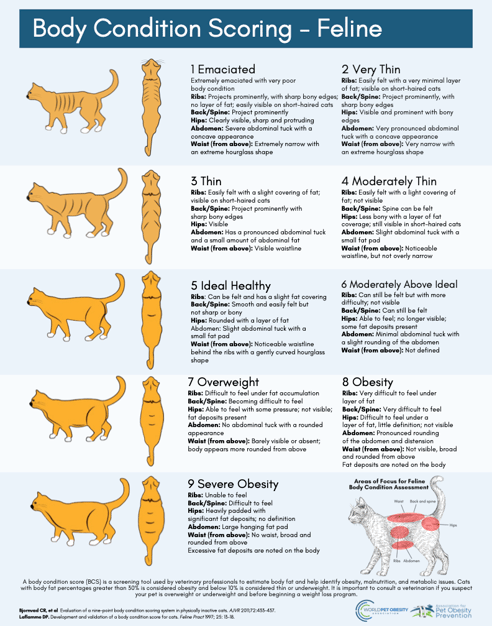
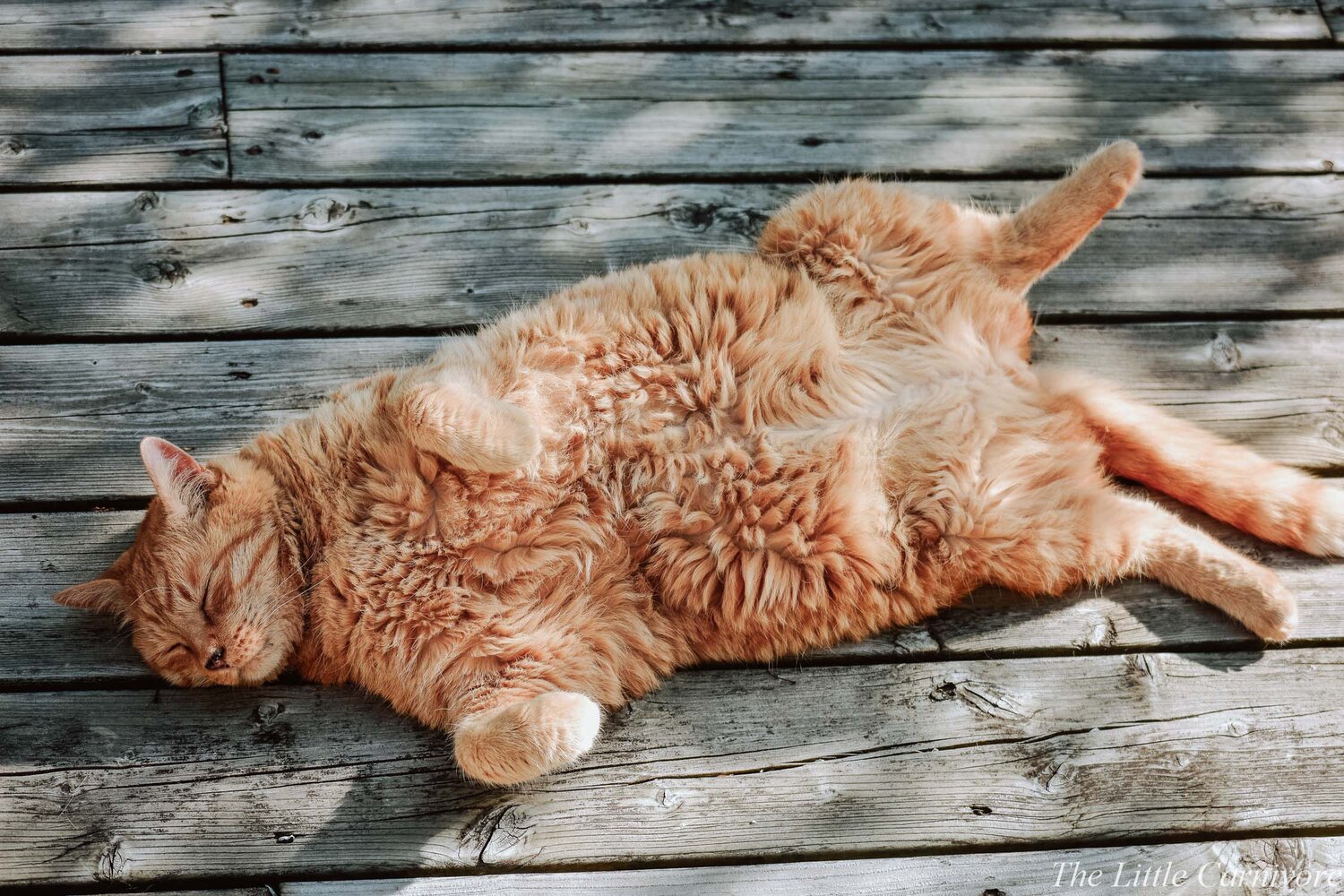
Identifying obesity in cats is important for their health and happiness. Excess weight can hide under their fur, making it hard to notice. Regular checks help spot weight gain early. Knowing the signs and risks guides better care decisions.
Signs Of Overweight Cats
- Ribs hard to feel under thick fat
- Visible waistline disappears
- Fat deposits around belly and base of tail
- Slower movements or reluctance to jump
- Increased sleeping and less playfulness
Health Risks Of Cat Obesity
- Higher chance of diabetes
- Stress on joints causing arthritis
- Breathing problems and reduced stamina
- Greater risk of heart disease
- Lowered immune system function
Credit: thelittlecarnivore.com
Assessing Your Cat’s Current Diet
Assessing your cat’s current diet is crucial for managing their weight. Understanding what and how much your cat eats helps identify areas to improve. A healthy diet supports weight loss and overall well-being. Start by examining the food your cat consumes daily. Pay attention to the ingredients and portion sizes. This step creates a solid foundation for a successful weight loss plan.
Evaluating Cat Food Labels
Cat food labels reveal important information about nutrition. Look for protein content as cats need high protein levels. Check for low carbohydrates since excess carbs can cause weight gain. Ingredients should list meat or fish as the first items. Avoid foods with fillers like corn or soy. Also, note calorie counts on the packaging. This helps control your cat’s energy intake.
Portion Control For Cats
Portion control plays a key role in weight management. Feeding too much food leads to extra calories and weight gain. Measure your cat’s food using a standard measuring cup. Follow feeding guidelines on the food label as a starting point. Adjust portions based on your cat’s activity and weight progress. Avoid free feeding or leaving food out all day. Scheduled meals help regulate calorie intake and support weight loss.
Implementing A Balanced Diet Plan
Helping your cat shed extra pounds starts with a balanced diet plan tailored to their needs. This approach not only supports weight loss but also ensures your cat stays healthy and energetic. Let’s dive into how you can choose the right foods and set up a feeding routine that works.
Choosing Nutrient-dense Foods
Focus on foods that offer high nutrition with fewer calories. Look for cat foods rich in protein and low in fillers like corn or wheat. Protein helps maintain muscle mass while your cat loses fat.
Wet food can be a better option than dry food because it often contains fewer carbs and more moisture, which aids hydration. Adding small amounts of cooked lean meat, like chicken or turkey, can also boost nutrition.
Have you noticed how some cats ignore their diet food? Try mixing new foods gradually and observe what your cat prefers. A happy eater is more likely to stick to the plan.
Creating A Feeding Schedule
Free feeding often leads to overeating. Instead, divide your cat’s daily food into two or three measured meals. Regular feeding times help control calorie intake and establish a routine.
Use measuring cups or a food scale to avoid guesswork. Consistency is key—feed at the same times every day to help your cat adjust.
Wonder how to handle begging between meals? Offer low-calorie treats or distract your cat with playtime. This keeps them engaged without adding extra calories.
Encouraging Physical Activity
Encouraging your cat to be more active is key to helping them shed extra weight. Physical activity boosts their metabolism and builds muscle, which burns more calories even at rest. Getting your cat moving doesn’t have to be a chore—it can actually be fun for both of you.
Interactive Playtime Ideas
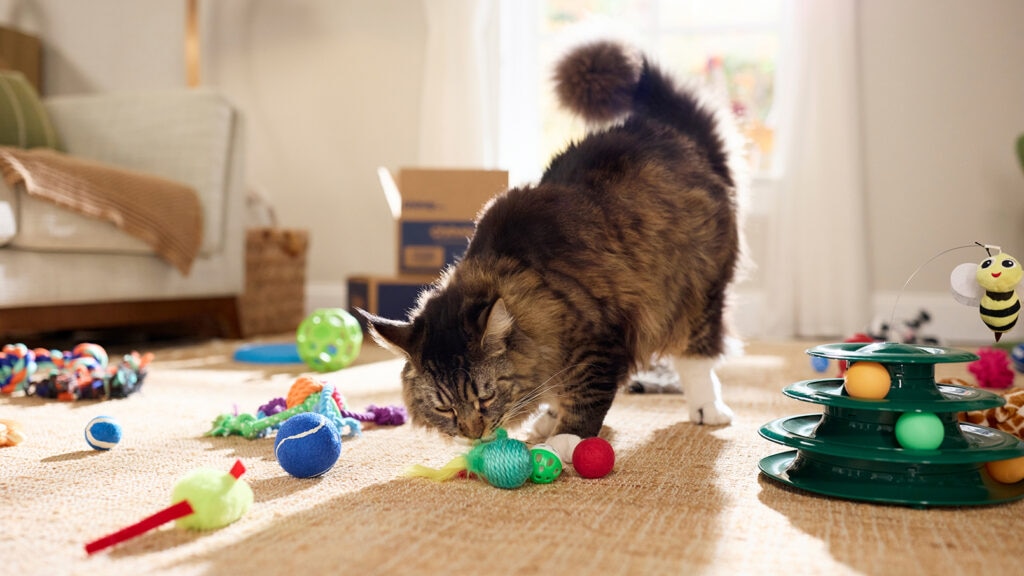
Interactive playtime is one of the best ways to get your cat moving. Use toys that mimic prey, like feather wands or laser pointers, to spark their hunting instincts. These toys encourage your cat to jump, chase, and pounce, which burns energy quickly.
Try setting aside two or three short play sessions daily. Even 10 minutes can make a big difference. Notice which toys excite your cat the most and rotate them to keep things fresh and interesting.
- Use a feather wand to simulate bird movement
- Chase laser pointers around the room
- Hide small toys inside boxes or paper bags
- Encourage your cat to jump by dangling toys at different heights
Creating An Engaging Environment
Make your home a playground for your cat. Cats are natural explorers and climbers, so adding vertical spaces like cat trees or shelves can inspire more movement. The more your cat has to climb, jump, and explore, the more calories they burn.
Try placing food or treats on higher shelves to motivate your cat to move around. Puzzle feeders also stimulate their mind while making them work for their food. This combination of mental and physical activity makes weight loss easier and keeps your cat from getting bored.
- Install cat trees or wall-mounted shelves
- Use puzzle feeders for meals
- Rotate toys and hiding spots regularly
- Create tunnels or boxes for your cat to explore
What small changes can you make today to turn your home into an active playground for your cat? Your efforts can lead to a happier, healthier feline friend.
Monitoring Progress And Adjusting
Monitoring your cat’s weight loss journey is key to helping them reach a healthier size safely. It’s not just about seeing the numbers drop but understanding how your cat responds to changes. Staying attentive allows you to make smart tweaks that keep progress steady and stress-free for your furry friend.
Tracking Weight Loss
Weigh your cat regularly, ideally once a week, at the same time of day. Use a reliable scale and record the weight in a notebook or an app designed for pet care. This helps you spot trends and avoid sudden drops that might signal health issues.
Besides weight, watch for changes in energy and appetite. Sometimes your cat might lose weight but also lose interest in food, which isn’t healthy. How does your cat behave between weigh-ins? These observations are just as important as the numbers on the scale.
Adjusting Diet And Exercise
If weight loss stalls or your cat seems less energetic, it’s time to revisit their diet and activity plan. You might need to reduce portion sizes slightly or swap treats for healthier options. Remember, slow and steady wins the race—dramatic cuts can backfire.
Boosting playtime can also help. Cats love short bursts of activity, like chasing laser pointers or pouncing on toys. Try adding two to three 10-minute play sessions daily and see if your cat’s enthusiasm and weight improve.
Ask yourself: Is the current plan realistic for your lifestyle and your cat’s personality? Adjusting isn’t about perfection; it’s about finding the right balance that keeps your cat happy and healthy.

Credit: justcatsclinic.com
Consulting A Veterinarian
Helping your cat lose weight is more than just adjusting their food portions or encouraging more playtime. Consulting a veterinarian is a crucial step to ensure your pet’s weight loss journey is safe and effective. Your vet can provide tailored advice and monitor your cat’s health to avoid any complications.
Professional Dietary Advice
Your veterinarian can recommend a diet plan based on your cat’s specific needs. They consider factors like age, breed, activity level, and any underlying health conditions.
Instead of guessing which cat food is best, your vet might suggest special weight management formulas. These foods often have the right balance of nutrients and fewer calories, helping your cat lose weight without missing essential vitamins.
Have you ever tried switching your cat’s food and noticed no change? That’s often because the diet wasn’t right for your cat’s unique metabolism. A vet’s guidance can make all the difference.
Health Check-ups And Monitoring
Weight loss in cats isn’t always straightforward. Regular vet visits help track your cat’s progress and catch any health problems early.
Your vet will weigh your cat, check their body condition score, and may run blood tests to see how the weight loss affects their organs. This ensures the weight loss is healthy, not harmful.
Imagine your cat suddenly becomes lethargic or stops eating—these could be signs of health issues linked to rapid weight loss. Regular check-ups help prevent such problems before they escalate.
Common Mistakes To Avoid
Helping a cat lose weight needs careful attention. Many cat owners make simple mistakes that slow progress or cause frustration. Avoiding these common errors helps your cat stay healthy and happy.
Overfeeding Treats
Treats often add extra calories without filling your cat. Giving too many treats can undo weight loss efforts. Treats should be small and rare, not a daily habit.
Remember, treats count as part of the daily calorie limit. Choose low-calorie options and measure portions carefully. Avoid free-feeding treats throughout the day.
Inconsistent Routines
Cats thrive on routine. Feeding times and play sessions must be regular. Skipping meals or feeding at random times confuses your cat’s metabolism.
Consistent exercise is also crucial. Play your cat daily with toys or activities. A steady routine helps control hunger and boosts energy use.
Frequently Asked Questions
How Can I Tell If My Cat Needs To Lose Weight?
Check for a visible waist and ribs under the fur. If your cat lacks these, it may be overweight. A vet can provide an accurate assessment and help determine if weight loss is necessary.
What Are Safe Ways To Help My Cat Lose Weight?
Introduce portion control and feed a balanced, low-calorie diet. Increase playtime and exercise gradually. Avoid sudden diet changes and consult your vet for a tailored weight loss plan.
How Long Does It Take For Cats To Lose Weight Safely?
Healthy weight loss in cats typically occurs at 1-2% of body weight per week. Rapid weight loss can be dangerous, so gradual changes over several months are safest.
Can Obesity Affect My Cat’s Health?
Yes, obesity increases risks for diabetes, arthritis, and heart disease. Overweight cats may also have reduced mobility and shorter lifespans. Managing weight improves overall health and quality of life.
Conclusion
Helping your cat lose weight improves their health and happiness. Start with small changes in diet and exercise. Regular vet visits keep track of progress and catch issues early. Patience and consistency bring the best results. Your cat will feel more energetic and playful soon.
A healthy weight means a longer, better life for your furry friend. Keep love and care at the center of every step.
