

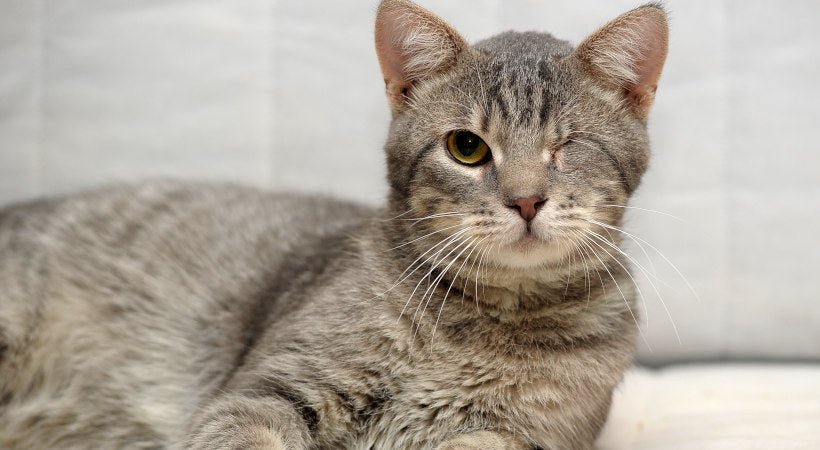
Have you ever met a cat that needs a little extra care and love? Special needs cats are unique companions who might require more attention, but they give back so much in return.
If you’re wondering how to welcome a special needs cat into your life or want to understand their world better, this article is for you. You’ll discover simple ways to care for them and why they can become your most loyal friend.
Keep reading to learn how you can make a real difference in a special cat’s life.

Credit: www.thecatsmeowrescue.org
Understanding Special Needs In Cats
Special needs cats are unique companions who may require extra care and attention. Understanding what makes their needs special helps you provide the best environment and support for them. This knowledge can transform your relationship and improve their quality of life.
What Defines A Special Needs Cat?
A special needs cat may have physical, medical, or behavioral challenges that set them apart from typical cats. These can include disabilities, chronic illnesses, or conditions like blindness, deafness, or mobility issues. Recognizing these traits helps you adapt your care routine to meet their specific requirements.
Common Conditions In Special Needs Cats
- Diabetes:Requires regular insulin shots and diet management.
- Arthritis:Needs gentle handling and supportive bedding.
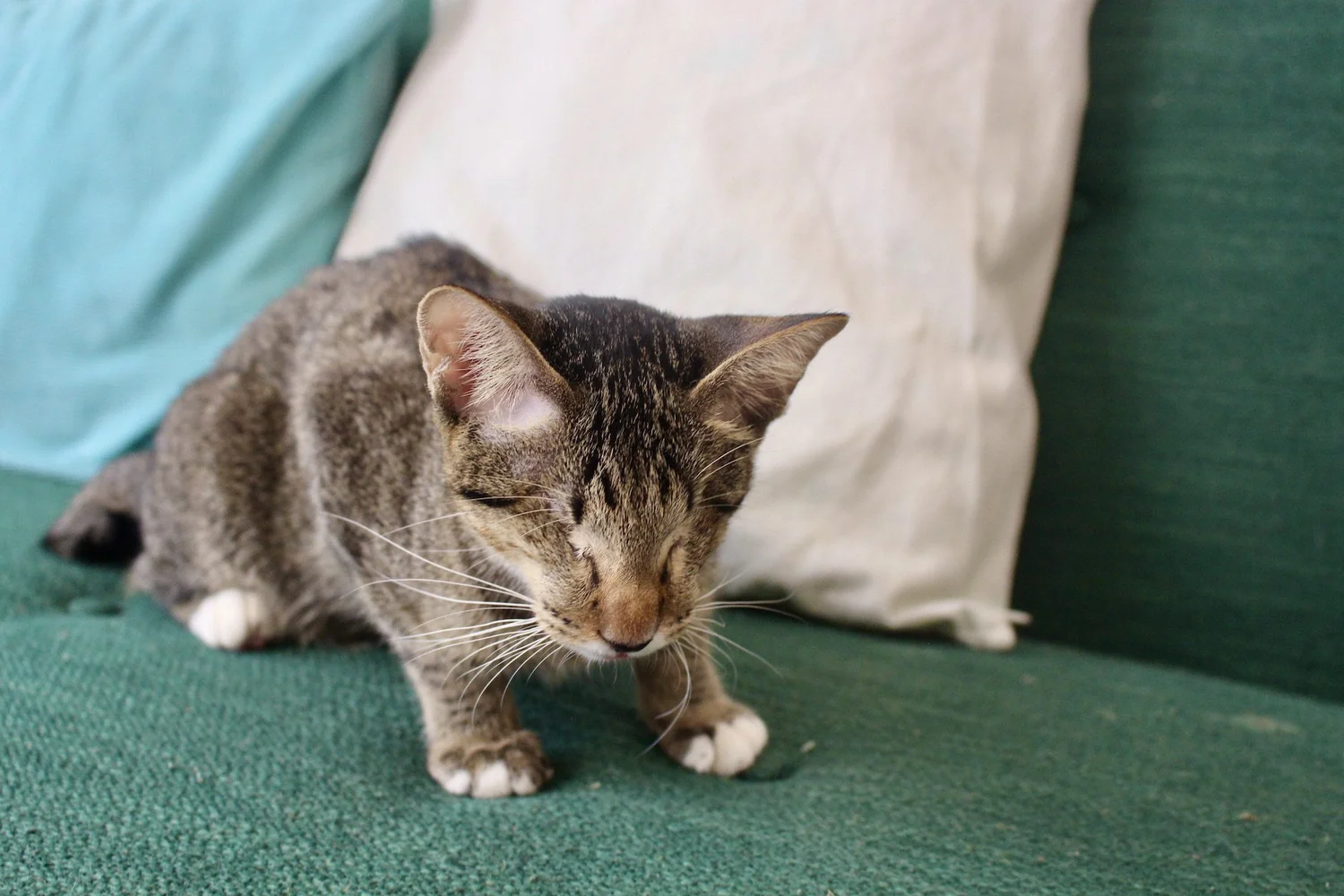
- Blindness:Calls for a safe, consistent environment to prevent accidents.
- Neurological Disorders:May cause seizures or balance issues, requiring close monitoring.
Have you noticed any subtle signs in your cat that might indicate a hidden health issue?
How Special Needs Affect Behavior And Care
Special needs cats often show behaviors that differ from typical cats. They might be more dependent on you or require more patience during feeding and playtime. Your willingness to observe and adjust your approach can make a huge difference in their comfort and happiness.
Creating A Supportive Home Environment
Adjusting your home to suit a special needs cat involves simple changes. This could mean adding ramps for easier access, providing non-slip mats, or using litter boxes with lower sides. Small changes can greatly improve their independence and well-being.
Why Understanding Special Needs Matters To You
Knowing the specific needs of your special needs cat empowers you to advocate for their health. It also helps you spot problems early, avoiding costly vet visits or emergencies. How prepared do you feel to handle the unique challenges your cat may face?
Credit: www.ministryofcat.com
Recognizing Common Conditions
Special needs cats have unique health challenges. Recognizing common conditions helps provide better care. Understanding these conditions allows pet owners to create a safe and comfortable environment. Awareness leads to early treatment and improved quality of life for these cats.
Physical Disabilities
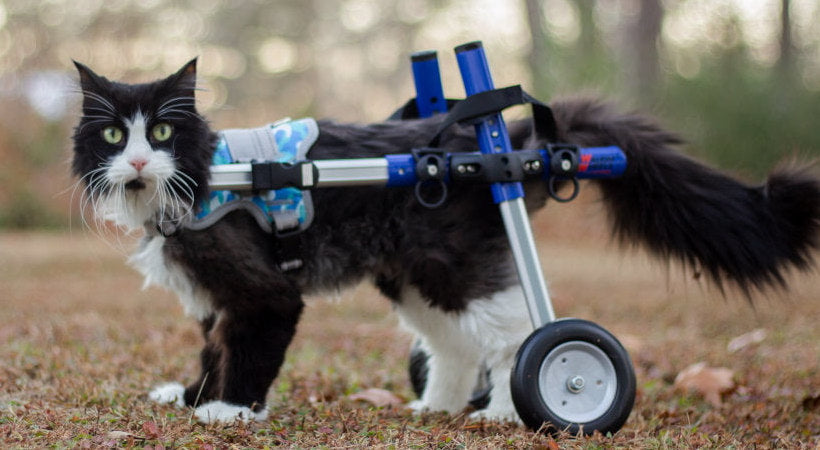
Physical disabilities in cats include limb loss, paralysis, or deformities. These disabilities can result from accidents or birth defects. Cats may adapt by using their other limbs or mobility aids. Owners should monitor their cat’s movement and adjust living spaces. Soft bedding and ramps help cats move safely and comfortably.
Chronic Illnesses
Chronic illnesses affect a cat’s long-term health and well-being. Common illnesses include kidney disease, diabetes, and arthritis. Symptoms may be subtle, like weight loss or lethargy. Regular vet visits and medications can manage these illnesses. A proper diet supports the cat’s health and energy levels.
Behavioral Issues
Behavioral issues can arise from stress, pain, or neurological problems. Cats may show aggression, fear, or unusual vocalizations. Changes in litter box habits or grooming might also occur. Understanding these signs can improve communication with your cat. Patience and gentle handling reduce anxiety and build trust.
Creating A Safe Environment
Creating a safe environment is essential for special needs cats. These cats require extra care and attention to feel secure and comfortable. A well-prepared space helps reduce stress and accidents. It also encourages independence and exploration without danger.
Home Modifications
Adjust the home to fit your cat’s specific needs. Remove sharp objects or items that may fall easily. Keep cords and wires hidden or covered. Use non-slip mats on slippery floors. Provide ramps or steps for cats with mobility issues. Ensure litter boxes and food bowls are easy to reach.
Safe Exploration Areas
Create small, quiet spaces where your cat can explore safely. Use baby gates or pet playpens to limit access to dangerous zones. Include soft bedding and favorite toys. Check the area regularly for hazards like toxic plants or small objects. Let your cat explore at their own pace without pressure.
Diet And Nutrition
Special needs cats require careful attention to their diet and nutrition. Their health conditions often change their food needs. A balanced diet supports their immune system and overall well-being. Tailoring food choices helps manage illnesses and keeps them comfortable.
Special Diet Requirements
Many special needs cats need diets made for their conditions. Cats with kidney problems require low-protein food. Diabetic cats benefit from diets low in carbohydrates. Cats with allergies must avoid certain ingredients like grains or chicken. Consult a vet to find the right food type.
- Low-protein diets for kidney issues
- Low-carbohydrate food for diabetic cats
- Hypoallergenic diets for sensitive cats
- High-calorie food for underweight cats
Supplements And Vitamins
Supplements can help fill nutrition gaps in special needs cats. Omega-3 fatty acids support joint health and reduce inflammation. Vitamins like B-complex improve energy and metabolism. Probiotics aid digestion and strengthen the gut. Always check with a vet before adding supplements.
- Omega-3 fatty acids for joints
- Vitamin B-complex for energy
- Probiotics for digestive health
- Antioxidants to boost immunity
Regular Veterinary Care
Special needs cats require extra attention to stay healthy. Regular veterinary care helps catch problems early. It supports their unique health needs. These visits keep your cat comfortable and improve quality of life. Understanding their special requirements is key to effective care.
Routine Check-ups
Routine check-ups monitor your cat’s overall health. Vets check vital signs like weight, heart, and breathing. They look for changes in behavior or mobility. Early signs of illness are easier to treat. Blood tests and urine analysis help detect hidden issues. These visits keep your cat’s care on track.
Specialized Treatments
Special needs cats often need treatments beyond basic care. Customized medication plans can manage chronic conditions. Physical therapy helps maintain muscle strength and flexibility. Nutritional support addresses specific dietary needs. Some cats benefit from pain management techniques. Tailored treatments improve comfort and daily function.
Managing Behavioral Challenges
Managing behavioral challenges in special needs cats requires patience and careful observation. These cats may act out due to stress, pain, or confusion. Understanding their behavior helps create a calm and safe space. Consistent approaches make handling these challenges easier for both the cat and owner.
Understanding Triggers
Triggers are situations or things that cause negative reactions in cats. Common triggers include loud noises, sudden movements, or changes in their environment. Special needs cats might be more sensitive to these factors. Watch for signs like hissing, hiding, or aggression to identify triggers.
Keep a diary to note when and where the behavior happens. This helps find patterns and avoid triggers. Adjust the cat’s surroundings to reduce stress. For example:
- Use soft lighting and quiet rooms
- Keep a regular feeding and play schedule
- Avoid introducing new pets too quickly
Training Techniques
Training special needs cats takes time and kindness. Positive reinforcement works best. Reward calm and good behavior with treats or gentle praise. Avoid punishment as it can increase fear and aggression.
Use short, simple commands and repeat them often. Break training into small, easy steps. Patience is key. Here are effective training tips:
- Use clicker training to mark good behavior
- Offer favorite treats as rewards
- Practice in quiet, low-stress areas
- Keep sessions short, about 5-10 minutes
Building trust improves behavior and strengthens your bond. Consistency and love make a big difference in managing challenges.
The Importance Of Enrichment
Enrichment plays a crucial role in the life of special needs cats. It helps keep their minds sharp and bodies active, which can improve their overall well-being. Without proper stimulation, these cats may become bored or stressed, affecting their health and happiness.
Toys And Activities
Choosing the right toys can make a big difference for your special needs cat. Soft, easy-to-grip toys work well for cats with limited mobility or sensory challenges. Interactive toys like feather wands or laser pointers encourage gentle movement and mental focus.
Try rotating toys regularly to keep your cat interested. Puzzle feeders can also add a fun challenge while promoting healthy eating habits. Have you noticed how a simple ball or a crinkly toy can bring out your cat’s playful side?
Social Interaction
Special needs cats often benefit from gentle social interaction. Spending quiet time with your cat can reduce anxiety and build trust. Petting, brushing, or simply sitting nearby can be comforting and stimulating.
Observe how your cat responds to different types of interaction and adjust accordingly. Some cats may prefer calm, one-on-one attention, while others might enjoy the presence of another pet. Could your special needs cat thrive with a feline friend or a dedicated human companion?
Building A Support Network
Building a support network is essential when caring for special needs cats. You don’t have to face the challenges alone. Connecting with others who understand your journey can make a huge difference in your cat’s well-being and your peace of mind.
Connecting With Other Owners
Finding fellow special needs cat owners creates a space to share advice and experiences. Online forums and social media groups are great places to start. You can ask questions, exchange tips on care routines, and even swap product recommendations.
Have you ever felt unsure about a treatment option or medication? Talking to someone who has been through it helps you feel less isolated. Many owners also organize local meetups, which can be a source of emotional support and practical help.
Resources And Organizations
Numerous organizations specialize in supporting special needs pets and their owners. They offer guides, educational materials, and sometimes financial aid. Checking their websites regularly keeps you updated on new care techniques and available resources.
Some well-known groups include:
- The Special Needs Cats Foundation
- The International Cat Care
- Local animal welfare shelters with special programs
These organizations often provide workshops or webinars that can deepen your understanding of your cat’s condition. Have you explored all the support options in your area yet? Tapping into these resources can lighten your load and improve your cat’s quality of life.
Emotional Support For Owners
Caring for special needs cats can bring joy and challenges. Owners often face strong emotions like stress and worry. Emotional support plays a key role in handling these feelings. It helps owners stay positive and focused on their cat’s well-being.
Sharing feelings and finding comfort can make a big difference. Understanding how to manage emotions can improve the bond between owner and pet. It also creates a healthier environment for both.
Coping Strategies
Finding ways to cope helps ease emotional strain. Simple routines can bring calm. Spending quiet time with the cat reduces anxiety. Writing down thoughts or keeping a journal helps release tension. Joining groups with others who care for special needs cats provides support. Talking about feelings with friends or family lessens loneliness.
- Set small daily goals for care and play
- Take breaks to rest and recharge
- Practice deep breathing or meditation
- Celebrate small victories with your cat
Seeking Professional Help
Sometimes emotions feel too big to handle alone. Professionals can offer guidance and support. Veterinarians understand cat health and behavior. Counselors or therapists help manage stress and anxiety. Support groups led by experts provide tools and advice. Reaching out is a strong step toward healing. It helps maintain balance and well-being for both owner and cat.
Credit: walkinpets.com
Frequently Asked Questions
What Are Special Needs Cats?
Special needs cats have physical or medical conditions requiring extra care. They may be blind, deaf, or have mobility issues. These cats need tailored attention to ensure a good quality of life.
How To Care For A Special Needs Cat?
Provide a safe, comfortable environment with easy access to food and litter. Regular vet visits and medication management are essential. Patience and gentle handling improve their well-being significantly.
Can Special Needs Cats Live With Other Pets?
Yes, but introductions should be slow and supervised. Special needs cats may be more vulnerable, so ensure other pets are calm and gentle. Monitor interactions to prevent stress or injury.
What Diet Is Best For Special Needs Cats?
A balanced diet tailored to their health condition is crucial. Consult your vet for special food requirements, like low-calorie or high-protein diets. Proper nutrition supports their overall health and recovery.
Conclusion
Special needs cats bring unique joy and challenges to life. They need extra care, love, and patience every day. Adopting one means giving a cat a safe, happy home. These cats can live full, happy lives with support. You can make a big difference in their world.
Caring for special needs cats teaches kindness and understanding. Their loyalty and affection often shine even brighter. Every cat deserves a chance to be loved. Consider opening your heart to a special needs cat. It’s a rewarding journey for both of you.
