

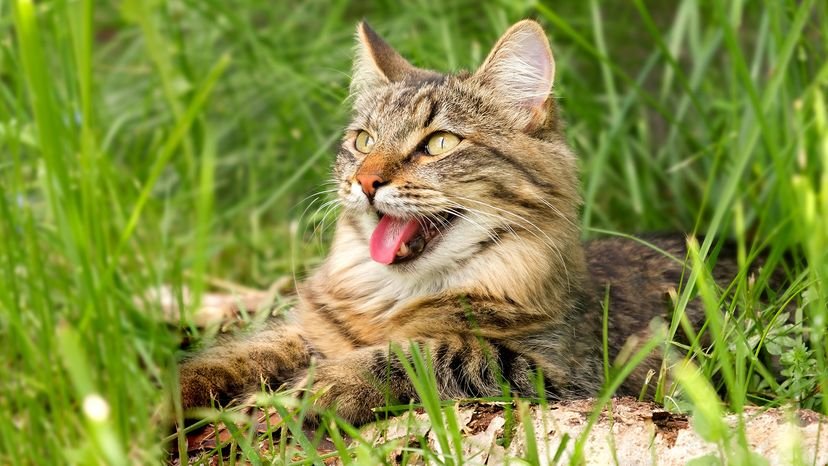
Have you ever seen your cat panting and wondered, “Why do cats pant?” It’s not something you expect from a feline friend, right? Unlike dogs, cats don’t usually pant, so when it happens, it can catch your attention—and maybe even worry you.
Understanding why your cat pants can help you spot if something is wrong or if it’s just a normal reaction. Keep reading to discover the surprising reasons behind this unusual behavior and how you can keep your furry friend safe and comfortable.
Cat Panting Basics
Understanding why your cat pants can feel confusing. Cats don’t pant like dogs do, so when you see your feline friend breathing with their mouth open, it’s worth paying attention. Let’s break down the basics of cat panting to help you recognize when it’s normal and when it might signal a problem.
What Is Cat Panting?
Cat panting is when your cat breathes rapidly with their mouth open. Unlike dogs, cats usually keep their mouths closed while breathing. Panting in cats is less common and often means your cat is trying to cool down or cope with stress.
Have you ever noticed your cat pant after playing vigorously or during a hot day? That’s a typical example of panting as a cooling mechanism.
When Is Panting Normal?
Some short bursts of panting can be normal, especially if your cat has been active or is overheated. Stressful situations like a vet visit or loud noises can also cause brief panting spells.
If your cat pants just after running or jumping, it’s usually not a concern. However, if panting lasts longer than a few minutes, it’s time to observe closely.
Signs That Panting Is A Problem
Watch for panting combined with other signs like drooling, lethargy, or difficulty breathing. Continuous panting without an obvious cause can indicate overheating, pain, or illness.
- Is your cat panting at rest?
- Are they showing signs of distress or weakness?
- Do their gums look pale or blue?
These symptoms call for immediate vet attention. Your cat can’t tell you when something’s wrong, so you need to be the alert observer.
Heat Regulation
Cats pant to help control their body temperature. Heat regulation keeps cats safe during hot weather or after exercise. It prevents overheating, which can cause health problems. Understanding this process helps cat owners recognize normal and harmful panting.
How Cats Use Panting To Cool Down
Cats do not sweat like humans. Instead, they breathe fast and shallow through their mouths. This action releases heat and moisture. The air moving over their tongues and lungs helps lower their body temperature.
Other Ways Cats Regulate Heat
- Finding shade or cooler places
- Reducing activity during hot hours
- Drinking more water to stay hydrated
- Spreading out to increase body surface area
Panting is a quick response when these methods are not enough.
When Panting Signals Heat Stress
Light panting can be normal during heat. Heavy or constant panting may show heat stress. Watch for signs like drooling, weakness, or vomiting. Immediate action is needed to cool your cat and seek vet help.
Stress And Anxiety
Stress and anxiety can cause cats to pant, just like humans. Cats use panting to manage their body’s reaction to fear or nervousness. This is not common but can happen in certain situations where a cat feels overwhelmed. Recognizing stress-related panting helps cat owners support their pets better.
Signs Of Stress-induced Panting In Cats
- Rapid breathing with an open mouth
- Restlessness and pacing
- Hiding or avoiding contact
- Tense body posture
- Unusual vocalizations or meowing
Common Causes Of Anxiety In Cats
- New environments or changes at home
- Loud noises like fireworks or thunderstorms
- Visits to the vet or car rides
- Presence of unfamiliar people or animals
- Separation from their owner
How To Help A Panting Cat Due To Anxiety
- Create a calm and quiet space
- Use gentle petting and soothing voices
- Provide familiar toys or blankets
- Maintain a consistent daily routine
- Consult a vet for severe anxiety cases

Credit: www.yahoo.com
Physical Exertion
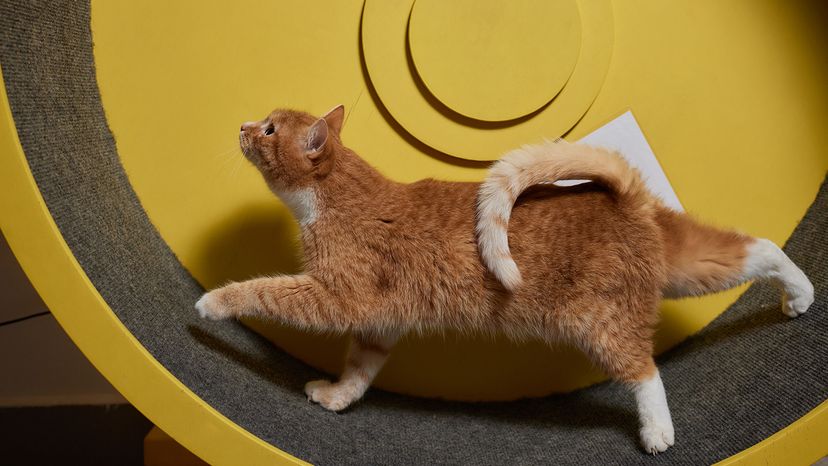
Cats panting after physical activity is normal behavior. Like humans, cats breathe faster to cool down. Their bodies produce heat during exercise. Panting helps release this excess heat quickly.
Physical exertion includes running, jumping, or playing vigorously. Cats use their muscles more, increasing their body temperature. Panting moves air rapidly over moist surfaces in the mouth. This action helps cool the blood flowing through these areas.
Short bursts of activity can cause a cat to pant briefly. Normally, panting stops soon after rest. Persistent or heavy panting may signal a problem. Watch your cat closely during and after exercise.
How Exercise Raises A Cat’s Body Temperature
Muscle activity generates heat inside the body. The more intense the activity, the more heat produced. Cats have limited sweat glands, mainly on paws. They rely on panting to lose heat quickly.
Signs Of Normal Vs. Excessive Panting
- Normal panting: brief, after active play or running
- Excessive panting: continuous, heavy breathing with open mouth
- Normal panting ends within minutes of rest
- Excessive panting may include drooling or lethargy
When To Let Your Cat Rest
Stop play if panting is heavy or prolonged. Provide fresh water and a cool place. Monitor your cat’s breathing rate closely. Rest helps lower body temperature safely.
Respiratory Issues
Respiratory issues in cats can lead to panting, which is often a sign that your feline friend is struggling to breathe properly. Unlike dogs, cats rarely pant unless something is seriously affecting their respiratory system. If you notice your cat panting, it’s important to consider possible underlying respiratory problems.
Asthma In Cats
Cat asthma is a common respiratory condition that causes inflammation and narrowing of the airways. This makes it hard for your cat to breathe, sometimes leading to panting as they try to get more oxygen.
Signs to watch for include coughing, wheezing, and rapid breathing. If your cat suddenly starts panting and shows any of these symptoms, it could be a sign of an asthma attack. Managing asthma often requires veterinary treatment, including medications that reduce airway inflammation.
Upper Respiratory Infections
Upper respiratory infections (URIs) in cats are similar to the common cold in humans. They can cause congestion, sneezing, and difficulty breathing, which might lead to panting as your cat struggles to get enough air.
These infections are usually caused by viruses or bacteria and spread easily among cats. If your cat is panting and has symptoms like watery eyes, nasal discharge, or lethargy, it’s crucial to get them checked by a vet promptly.
Have you ever noticed your cat panting after a simple sneeze? It might seem harmless, but respiratory issues can escalate quickly. Watching closely and acting early can make a big difference in your cat’s health and comfort.
Credit: animals.howstuffworks.com
Heart Problems
Cats panting can be a sign of heart problems. The heart may not pump blood well. This causes less oxygen in the body. Panting helps cats get more air.
Heart problems in cats need quick care. Watch for other signs like coughing or weakness. Early detection can save a cat’s life.
Congestive Heart Failure
Congestive heart failure happens when the heart muscle weakens. Blood backs up in the lungs and body. This makes breathing hard for cats.
Panting shows the cat is struggling for air. Other signs include swelling and tiredness. Treatment helps manage symptoms and improve life quality.
Heartworm Disease
Heartworm disease is caused by parasites in the heart. These worms block blood flow and damage the heart. Cats may pant due to lack of oxygen.
Other symptoms include coughing and fainting. A vet can diagnose and provide treatment. Preventing heartworm is the best approach for cats.
Pain And Discomfort
Panting in cats is not always about heat or exertion; it can also signal pain and discomfort. Unlike dogs, cats rarely pant, so when you notice this behavior, it’s important to pay close attention. Your cat might be trying to tell you something serious is wrong.
Panting As A Response To Injury
Cats often pant after an injury or trauma. It’s their body’s way of coping with sudden pain or shock. If your cat has been in a fall or a fight, panting can indicate distress even if other signs like limping or hiding aren’t obvious.
Have you ever seen your cat pant after a rough play session? That’s a clue to check for bruises, cuts, or swelling. Ignoring this could delay necessary veterinary care.
Panting Linked To Internal Pain Or Illness
Internal issues such as infections, heart problems, or respiratory distress may cause cats to pant. This kind of panting is usually accompanied by other symptoms like lethargy or loss of appetite.
When your cat pants unexpectedly, ask yourself: Is there any sign of illness besides panting? Identifying these signs early helps you act fast.
Stress-induced Panting And Discomfort
Stress or anxiety can also lead to panting in cats. Think about moments when your cat has been scared or anxious, such as trips to the vet or loud noises at home.
This type of panting is often short-lived but signals emotional discomfort. How often do you notice your cat panting during stressful events? Recognizing this helps you reduce your cat’s anxiety and improve their well-being.
When To Visit The Vet
Noticing your cat panting can be alarming. While occasional panting might not be serious, knowing when to seek veterinary care is crucial. Your cat’s health depends on timely action, and understanding the signs that call for a vet visit can make all the difference.
Emergency Signs
If your cat’s panting is accompanied by open-mouth breathing, drooling, or a blue-tinged tongue, it’s time to act fast. These symptoms may indicate respiratory distress or heatstroke, both requiring immediate veterinary attention.
Other red flags include:
- Sudden weakness or collapse
- Persistent coughing or wheezing
- Excessive lethargy or inability to move comfortably
Have you noticed your cat struggling to breathe after exercise or in warm weather? Don’t wait. Quick intervention can save your cat’s life.
Routine Check-ups
Even if your cat’s panting seems mild or occasional, regular vet visits help catch underlying issues early. Conditions like heart disease or respiratory infections can cause subtle symptoms that worsen over time.
During check-ups, vets can evaluate your cat’s breathing patterns and overall health. Ask your vet about factors that might trigger panting in your cat and what preventive measures you can take.
Remember, keeping track of when and how often your cat pants can provide valuable clues during these visits. Have you kept a journal or notes on your cat’s behavior? It might just help your vet spot problems sooner.
Preventive Measures
Taking preventive measures helps reduce the chances of your cat panting due to stress or heat. Creating a calm and safe space supports your cat’s well-being. Encouraging healthy habits also keeps your cat active and less prone to overheating or anxiety.
Safe Environment
Keep your home cool, especially during hot days. Provide shaded areas and fresh water at all times. Avoid loud noises or sudden changes that can scare your cat. Use comfortable bedding in quiet spots. Remove any harmful objects or plants from their reach. Monitor your cat’s behavior to spot early signs of distress.
Regular Exercise
Encourage playtime to keep your cat fit and healthy. Use toys like feathers, balls, or laser pointers. Short, frequent sessions work best for most cats. Exercise helps control weight and reduces stress levels. A healthy cat handles heat and anxiety better. Always watch your cat during play to prevent overexertion.

Credit: www.yahoo.com
Frequently Asked Questions
Why Do Cats Pant After Exercise?
Cats pant after exercise to cool down and regulate body temperature. Unlike dogs, panting in cats is less common but normal post-activity. It helps release heat and prevent overheating, especially after intense play or running.
Is Panting Normal In Cats During Heat?
Yes, cats may pant in hot weather to cool off. Panting helps evaporate moisture from their lungs and mouth, aiding heat loss. However, excessive panting in heat could signal heat stress and needs monitoring.
When Should I Worry About Cat Panting?
Worry if panting is frequent, prolonged, or accompanied by other symptoms. Signs like drooling, lethargy, or blue gums suggest respiratory or heart problems. Consult a vet if panting seems abnormal or your cat appears distressed.
Can Stress Cause Cats To Pant?
Yes, stress and anxiety can cause cats to pant. Panting may occur during vet visits, loud noises, or unfamiliar situations. It is a temporary response but should calm down once the stressor is removed.
Conclusion
Cats pant to cool down or when they feel stressed. It can also mean they are sick or in pain. Watch your cat closely if panting lasts long or seems odd. Taking quick action helps keep your cat safe and healthy.
Understanding why cats pant helps you care for them better. Always consult a vet if you worry about your cat’s breathing. Your cat depends on you to notice these small signs. Stay calm, observe, and act wisely to protect your furry friend.
