

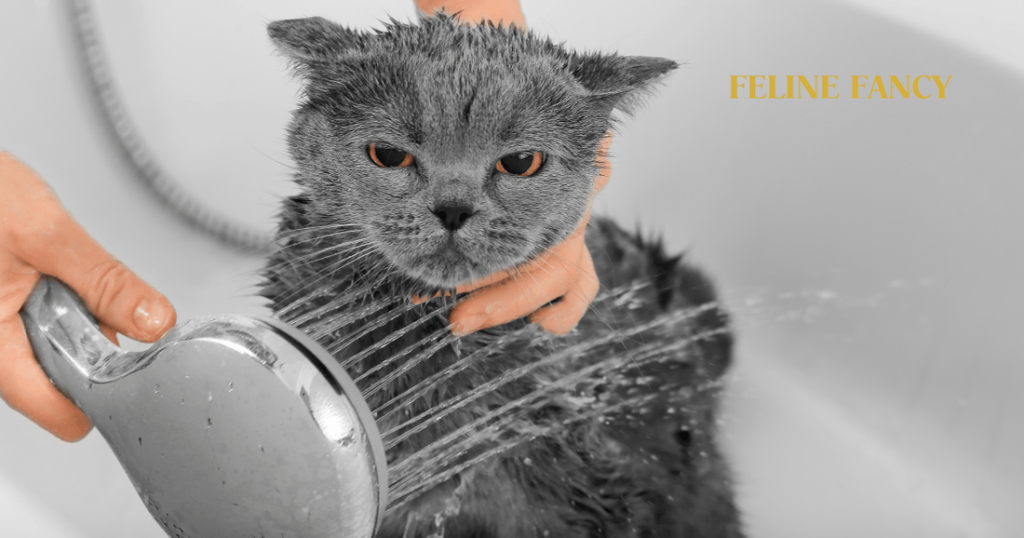
Have you ever wondered if your cat really needs a bath? You might think that since cats groom themselves, giving them a bath is unnecessary—or even stressful for them.
But is that always true? Understanding when and why your cat might need a bath can make a big difference in keeping them healthy and happy. Keep reading to discover the surprising facts about cat baths and learn how to care for your furry friend the right way.
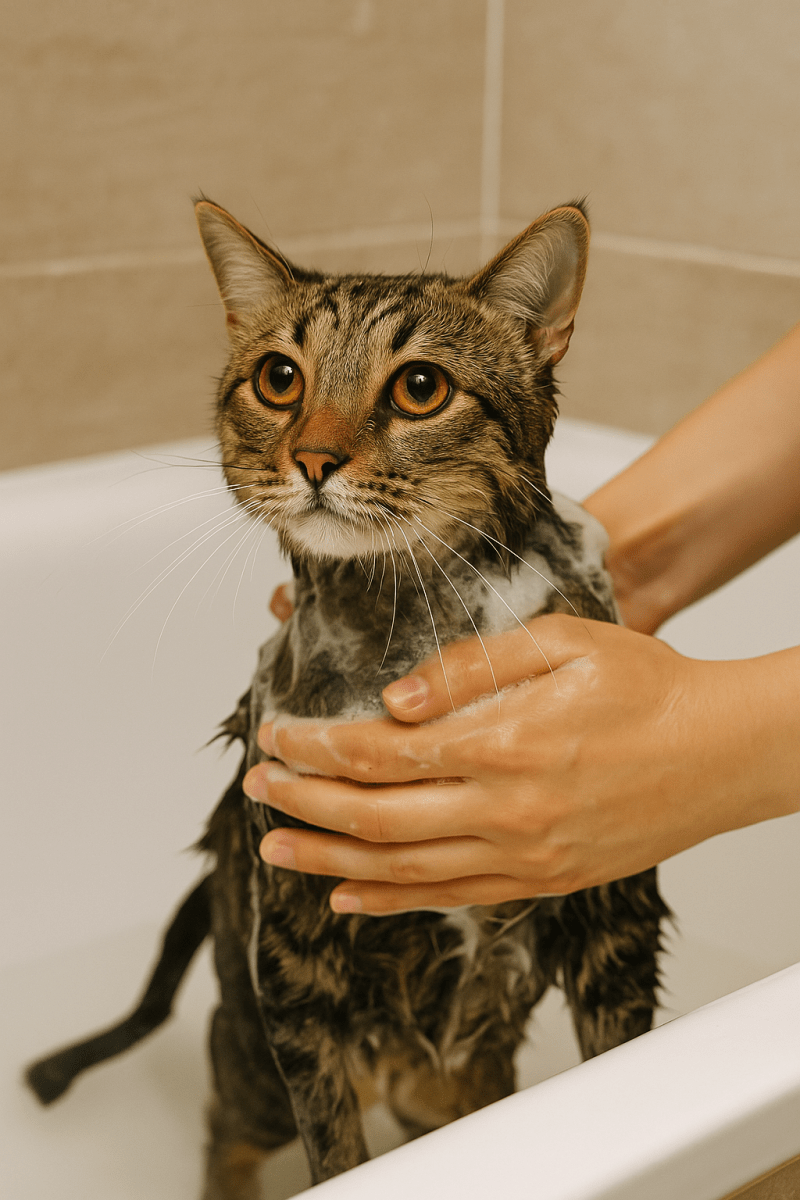
Credit: dirtbusters.co.uk
Cats And Their Grooming Habits
Cats are known for their fastidious grooming habits. They spend a significant part of their day licking their fur. This behavior keeps their coat clean and shiny. Grooming also helps cats regulate their body temperature. It removes dirt, loose hair, and parasites. Cats use their rough tongues to clean hard-to-reach spots. This natural habit reduces the need for regular baths.
Grooming is also a way for cats to relax and reduce stress. It strengthens bonds between cats when they groom each other. Through grooming, cats distribute natural oils that protect their skin. This process keeps their fur soft and healthy. Their self-cleaning nature means most cats rarely need a bath from owners.
Cats’ Self-cleaning Mechanism
Cats use their tongues like brushes. Their tongues have tiny, hook-like structures. These hooks catch loose fur and dirt. Licking spreads natural oils evenly across their fur. This keeps the coat waterproof and smooth. Cats also use their teeth to remove tangled hair. Their self-cleaning method is efficient and thorough.
When Grooming Is Not Enough
Sometimes cats get very dirty or sticky. Outdoor cats may pick up mud or chemicals. Long-haired cats can develop mats and tangles. Older or sick cats may groom less. In these cases, a bath might be necessary. Bathing helps remove substances cats cannot clean themselves.
Signs Your Cat Needs A Bath
- Strong odor that doesn’t go away
- Visible dirt, grease, or sticky substances
- Severe matting in fur
- Excessive shedding or hair loss
- Skin irritation or parasites
When Cats Might Need A Bath
Bathing cats isn’t usually part of their routine care, but there are times when a bath becomes necessary. Knowing when your cat might need a bath helps you keep them healthy and comfortable without causing unnecessary stress. Let’s look at some specific situations that call for giving your cat a bath.
Medical Conditions
Some health issues require regular bathing to manage symptoms. Skin allergies or infections can lead to irritation, and medicated baths often help soothe the problem. Your vet might recommend specific shampoos to treat these conditions, making baths part of your cat’s healing process.
Have you ever noticed your cat licking one spot excessively? That could be a sign of irritation or infection needing attention beyond just grooming.
Fleas And Parasites
If your cat has fleas, a bath with flea-control shampoo is one of the most effective ways to get rid of them quickly. Fleas hide in fur and can cause itching, discomfort, and even transmit diseases. Bathing helps remove these pests and their eggs, breaking their life cycle.
- Use a flea shampoo recommended by your vet.
- Ensure thorough rinsing to avoid skin irritation.
- Combine bathing with other flea treatments for best results.
Have you ever tried to spot tiny fleas jumping around? It’s a clear signal that a bath might be overdue.
Excessive Dirt Or Odor
Sometimes your cat gets into something particularly dirty or smelly, like a garden patch or spilled food. If they can’t clean themselves properly, a bath is necessary to remove the grime and odor. This keeps them comfortable and prevents skin problems caused by dirt buildup.
Remember, cats are usually good at self-cleaning, but they can’t always reach every spot or remove every stain. If you notice your cat smelling bad or looking greasy, it’s time to step in with a bath.
How To Safely Bathe Your Cat
Bathing a cat can be a challenge. Cats usually groom themselves well. Still, some cats may need a bath for health or cleanliness reasons. Bathing your cat safely helps avoid stress and injury. Prepare everything before you start. Use gentle products made for cats. Follow a calm and slow process to keep your cat comfortable.
Preparing The Bathing Area
Choose a small, quiet space for the bath. A bathroom or kitchen sink works well. Place a non-slip mat or towel at the bottom. This prevents slipping and helps your cat feel secure. Have all your supplies within reach. Keep the room warm to avoid chills. Remove any loud or distracting noises.
Choosing The Right Products
Select shampoos made specifically for cats. Avoid human or dog shampoos as they can harm your cat’s skin. Look for products labeled gentle or hypoallergenic. Use lukewarm water, not hot or cold. Have a cup or gentle sprayer for rinsing. Prepare towels for drying your cat quickly after the bath.
Step-by-step Bathing Process
- Brush your cat to remove loose fur and tangles.
- Place your cat gently in the water.
- Use a cup or sprayer to wet your cat’s fur slowly.
- Apply a small amount of cat shampoo and lather carefully.
- Avoid the face, ears, and eyes during washing.
- Rinse thoroughly with lukewarm water to remove all shampoo.
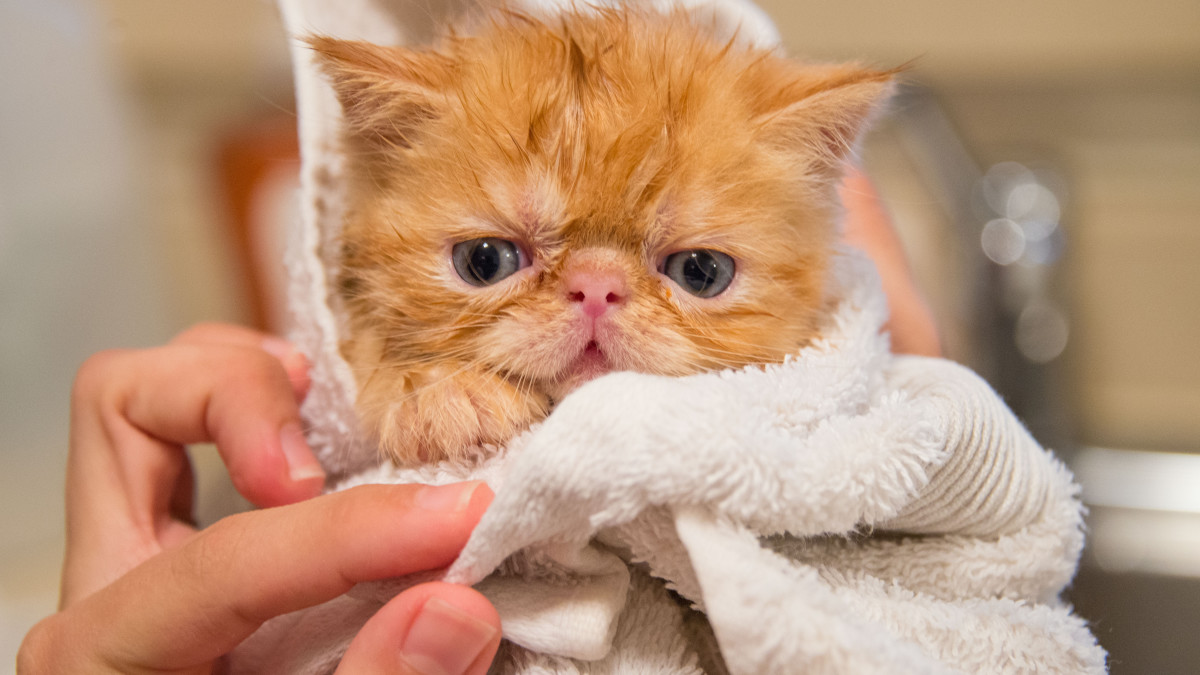
- Lift your cat out carefully and wrap in a soft towel.
- Pat dry gently and keep your cat warm until fully dry.
Credit: pethelpful.com
Alternatives To Bathing
Bathing a cat can be a stressful experience for both you and your furry friend. Luckily, there are several alternatives that help keep your cat clean without the hassle of a full bath. These options can maintain your cat’s hygiene while respecting their natural oils and skin sensitivities.
Dry Shampoo Options
Dry shampoos designed specifically for cats can be a game changer. They absorb excess oils and remove dirt without water. You simply sprinkle or spray the product on your cat’s fur, then brush it out.
Look for dry shampoos with natural ingredients to avoid skin irritation. If your cat dislikes sprays, powders might be more acceptable. Have you noticed how some cats tolerate powders better because they don’t feel wet or sticky?
Wet Wipes For Cats
Wet wipes made for cats offer a quick and easy way to clean specific areas like paws, face, or tail. They are gentle and often infused with soothing agents to calm your cat’s skin.
Keep a pack handy for after outdoor adventures or litter box cleaning. Just make sure the wipes are fragrance-free and hypoallergenic to prevent allergic reactions. How often do you think your cat needs a little wipe-down between grooming sessions?
Regular Brushing Techniques
Brushing your cat regularly is one of the best ways to maintain cleanliness. It removes loose fur, dirt, and even some oils that would otherwise accumulate. Plus, it reduces hairballs and promotes healthy skin.
Use a brush suited to your cat’s fur type, whether short, medium, or long-haired. Try to make brushing a relaxing ritual for your cat by offering treats or gentle strokes. Have you noticed how much calmer your cat feels after a good brushing session?
Common Mistakes To Avoid
Bathing your cat can be tricky, especially if you don’t know what mistakes to avoid. Some common errors not only make the experience stressful for your cat but can also harm their delicate skin and coat. Recognizing these pitfalls helps you keep your furry friend safe and calm during bath time.
Using Human Shampoo
Human shampoo might seem like a quick solution, but it’s not safe for cats. Their skin has a different pH balance, and human products can cause irritation or dryness. Always use shampoos formulated specifically for cats to protect their skin and fur.
Think about the last time you used a harsh soap on sensitive skin—it probably didn’t feel good. Your cat feels the same way, so why risk discomfort or allergic reactions?
Forcing The Process
Forcing your cat into a bath can backfire badly. Cats are sensitive creatures who dislike being trapped or restrained. If you push too hard, you might end up with scratches or a cat that hates water even more.
Instead, try gentle coaxing and patience. Let your cat get used to the water step by step. Have you noticed how some cats slowly explore new things when they feel safe?
Ignoring The Cat’s Stress Signals
Pay attention to your cat’s body language during bath time. Signs like flattened ears, wide eyes, or frantic attempts to escape mean your cat is stressed. Ignoring these cues can cause trauma and make future baths harder.
Ask yourself: Is this bath worth the stress I’m causing my cat? Sometimes, stopping and trying again later is the best choice for their well-being.
Post-bath Care
Bath time doesn’t end when the water stops. How you care for your cat afterward can make a huge difference in their comfort and health. Post-bath care helps keep your cat calm, dry, and happy while preventing potential skin problems.
Drying Your Cat
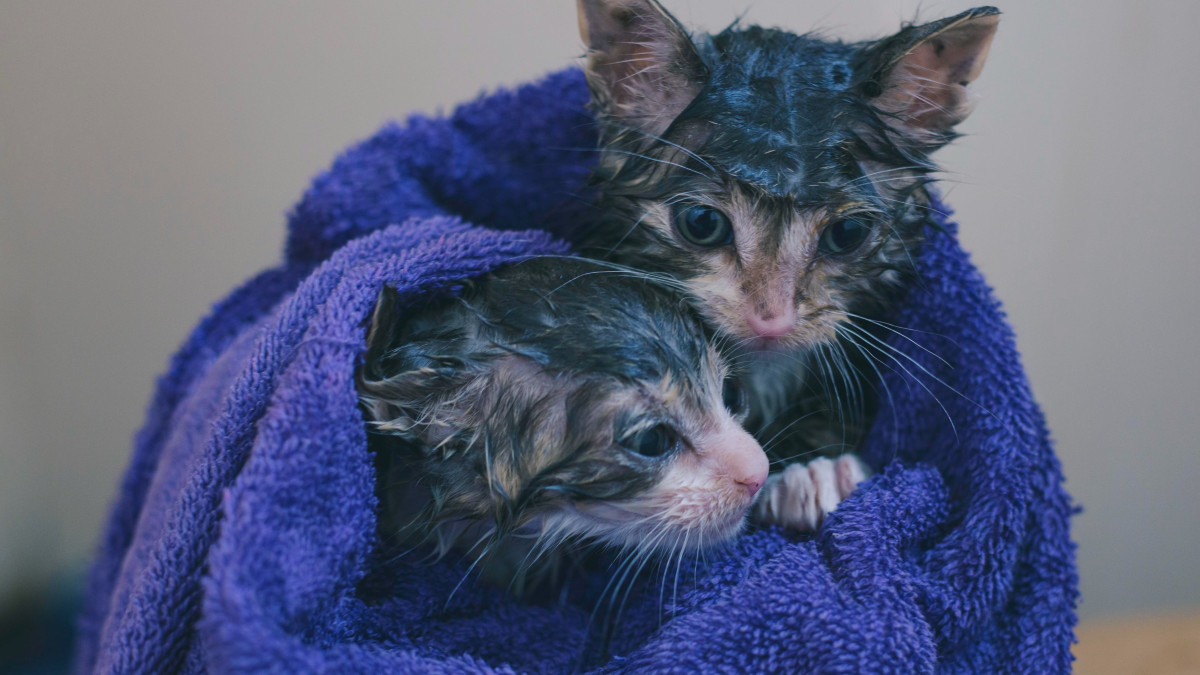
Start by gently towel-drying your cat with a soft, absorbent cloth. Avoid rubbing too hard, as this can irritate their delicate skin. If your cat tolerates it, use a hairdryer on the lowest heat and noise setting to speed up drying.
Keep the room warm and free from drafts during drying to prevent chills. If your cat resists the hairdryer, stopping and resuming later can help. Patience here pays off—your cat’s comfort is key.
Rewarding Your Cat
After bath time, offer treats or playtime to create positive associations with the experience. Even a favorite toy or gentle petting can reassure your cat that bath time isn’t all bad. This encourages cooperation next time you need to bathe them.
Have you noticed how a small reward changes your cat’s mood? It’s a simple way to build trust and reduce anxiety around baths. Consistency in rewards can make future baths less stressful for both of you.
Monitoring For Stress Or Skin Issues
Watch your cat closely for signs of stress like excessive grooming, hiding, or changes in appetite after their bath. These behaviors may indicate discomfort or anxiety. If you spot red, dry, or flaky skin, it might be a reaction to the shampoo or bath itself.
Don’t hesitate to consult your vet if skin problems persist. Early attention prevents bigger issues later. How often do you check your cat’s skin after a bath? Making this a habit helps keep your feline friend healthy and happy.
Veterinarian Advice
Understanding when and how to bathe your cat can be tricky. Veterinarians offer valuable advice that helps keep your feline friend healthy without causing unnecessary stress. Their guidance ensures you know exactly when a bath is necessary and when other care options might be better.
When To Consult A Vet
Sometimes, your cat’s grooming needs go beyond regular brushing. If your cat has a skin condition, persistent odor, or is excessively dirty, it’s time to check with your vet. They can diagnose underlying issues like allergies or infections that might require special care.
Think about the last time your cat seemed uncomfortable or stopped grooming itself. Could there be a health problem? A vet visit can help spot problems early before they become serious.
Professional Grooming Services
Not all cats tolerate baths well. Professional groomers have the experience to handle anxious or aggressive cats safely. They use gentle products tailored for feline skin, reducing the risk of irritation or injury.
Using a professional service can be a great option if you struggle to bathe your cat yourself. It also ensures your pet receives thorough care, especially if they have long fur that mats easily or health conditions that require special attention.
Credit: pethelpful.com
Frequently Asked Questions
Do Cats Need Regular Baths?
Most cats groom themselves and rarely need baths. Baths are only necessary if they get very dirty or have skin issues.
How Often Should I Bathe My Cat?
Bathing a cat is rarely needed. Only bathe your cat when dirty or advised by a vet for health reasons.
Can Bathing Harm My Cat’s Skin Or Fur?
Frequent baths can dry out a cat’s skin and damage its fur. Use gentle, cat-safe shampoos if bathing is necessary.
What Are Signs My Cat Needs A Bath?
Your cat needs a bath if it smells bad, has sticky fur, or gets into something messy or toxic.
Conclusion
Cats usually keep themselves clean without help. Bathing is rarely needed unless they get very dirty. Regular brushing helps remove loose fur and dirt. Baths can stress many cats, so avoid frequent washing. Use a gentle shampoo made for cats if bathing is necessary.
Always check with a vet before starting baths. Clean cats are happy cats. Keep their coat shiny and healthy with simple care.
