


Have you ever wondered what’s going on inside your cat’s mind? Do they see you as just another cat, or something completely different?
Understanding how your furry friend thinks can change the way you connect with them. You’ll discover surprising insights about your cat’s perspective. Get ready to see your relationship in a whole new light. Keep reading—you won’t want to miss what comes next!
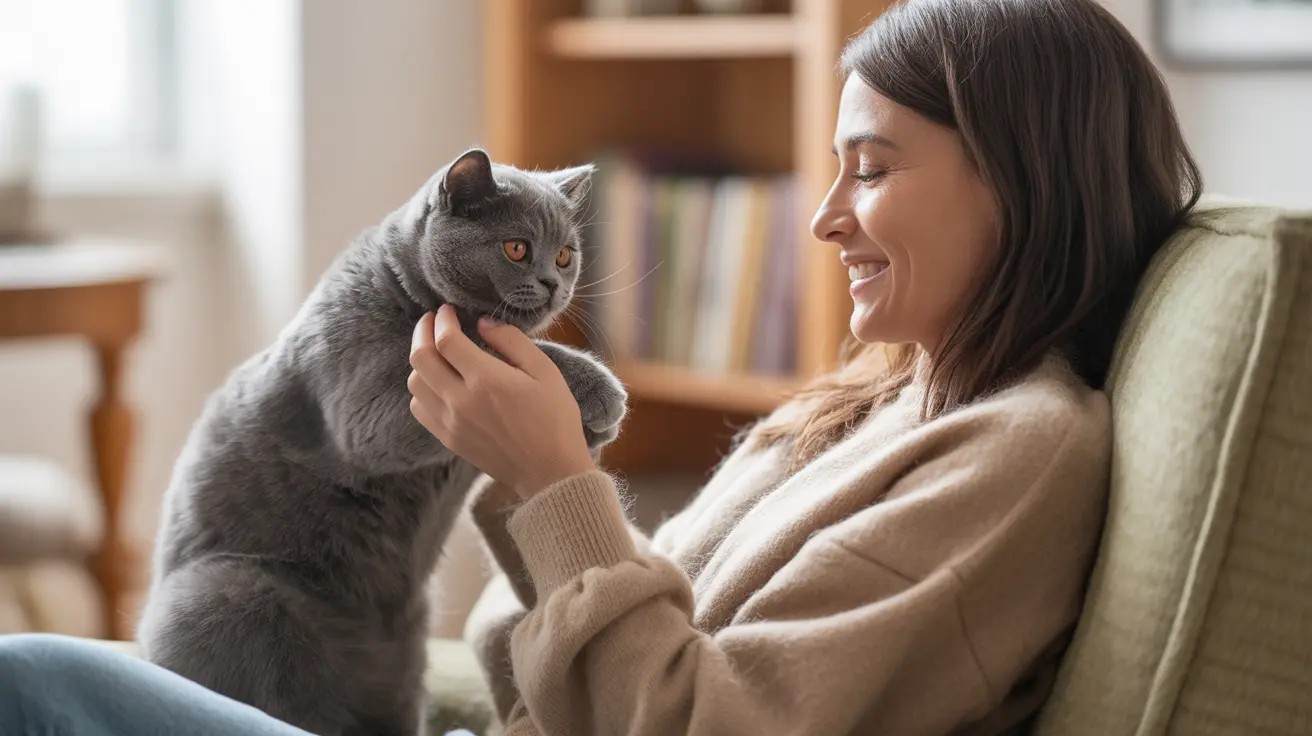
Credit: www.petscare.com
Feline Perception Of Humans
Cats have a unique way of seeing the world. Their view of humans is shaped by instincts and experiences. Understanding how cats perceive humans helps us connect better with them. They do not simply think of us as other cats. Instead, they recognize differences but respond in familiar ways.
Cat Social Behavior
Cats are social animals but with different rules than dogs. They use body language to communicate clearly. Cats groom each other to show trust and friendship. They rub against others to mark territory and build bonds. Many cats see humans as part of their social group.
Unlike pack animals, cats have a looser social structure. They form friendships but keep personal space. Cats may treat humans like family or as safe companions. Their purring, kneading, and head-butting are signs of affection. These behaviors suggest cats accept humans in their social circle.
Human Interaction
Cats learn to read human actions and voices. They respond to tone and body signals. Cats may meow differently to communicate with people. This vocal change shows they adapt to human interaction.
Humans provide food, safety, and comfort to cats. Cats often follow their owners around. They seek attention and enjoy petting. This behavior is similar to how cats interact with each other. It shows cats view humans as friendly companions, not just other animals.

Credit: www.youtube.com
Communication Signals
Cats use many signals to communicate with others. These signals include body movements and sounds. They help cats understand each other and also humans. Studying these signals shows how cats might see humans. Do cats treat humans like fellow cats? Communication signals give clues.
Body Language
Cats use their bodies to send messages. Tail position, ear shape, and eye contact matter a lot. A raised tail means friendliness and trust. Slow blinking shows relaxation and affection.
Humans also use touch and posture to talk with cats. Petting mimics grooming, a cat-to-cat behavior. Cats often respond by purring or rubbing against people. This shows they accept humans as part of their social group.
Vocalizations
Cats make many sounds to express feelings. Meowing is one of their main ways to talk to humans. Cats rarely meow to other cats. This suggests meowing developed to communicate with people.
Purring signals contentment but can also calm others. Hissing warns of danger or discomfort. Some cats even chirp or trill to get attention. These sounds help cats connect with humans more than with other cats.
Social Hierarchies
Cats live in worlds shaped by social hierarchies that guide their interactions. Understanding these hierarchies can shed light on how your feline might view you. Social ranks in cat groups influence behavior, access to resources, and trust levels.
Role In Cat Groups
Within cat groups, roles are clearly defined but flexible. Dominant cats often lead, deciding when and where the group eats or rests. Subordinate cats follow, showing respect through body language like lowered tails or avoiding direct eye contact.
Hierarchy isn’t just about power—it’s about safety and order. Cats establish these roles through subtle signals, not constant fighting. You might notice a cat deferring to another by stepping aside or grooming them gently.
Humans In The Hierarchy
Your cat may not see you as just a caretaker but as part of its social structure. Cats often treat humans as members of their group, sometimes even like a dominant or protective figure. Your cat’s body language—head butts, purring, or following you—can indicate respect or affection within this hierarchy.
Think about how your cat reacts when you enter a room. Do they approach confidently or wait to be acknowledged? This behavior can hint at where you stand in their social ranking. Recognizing your role can help you build a stronger, more trusting bond.
Instinctual Behaviors
Cats act mostly on instinct. These instincts guide how they interact with humans. Understanding these behaviors helps us see if cats think humans are like them.
Instincts shape many cat actions. Some behaviors mimic how they deal with other cats. Others show differences in how they treat humans.
Hunting And Play
Cats treat play like hunting practice. They chase moving fingers or toys as if they are prey. This shows their natural hunting drive.
With humans, cats often use play to bond. They invite interaction by pouncing or batting gently. This behavior is similar to how they play with other cats.
Humans are not prey, but cats still apply hunting skills. This suggests cats recognize humans as part of their social world.
Grooming Patterns
Grooming is a key social behavior among cats. They lick and clean each other to show care. Cats sometimes groom their owners in a similar way.
When a cat licks your hand or face, it shows trust. This act mimics how cats groom close companions. It’s a sign they feel comfortable and safe with you.
Grooming also helps cats mark their group. By grooming humans, cats may include them in their social circle. This hints that cats see humans as part of their family.
Bonding And Attachment
Bonding and attachment between cats and humans form a unique relationship. Cats show affection in ways that can seem mysterious. Understanding their attachment helps us see if cats treat humans like fellow cats or something different. This bond shapes how cats behave and interact with their owners every day.
Attachment Styles
Cats develop different attachment styles toward their humans. Some cats are very social and seek constant closeness. Others stay more independent but still trust their owners deeply.
- Secure attachment:Cats feel safe and relaxed with their humans.
- Anxious attachment:Cats may become clingy or nervous when alone.
- Avoidant attachment:Cats keep distance and avoid too much contact.
These styles shape how cats respond to touch, voice, and presence. They show that cats recognize humans as important but not always as other cats.
Human-cat Relationship
Cats use body language and sounds that differ from cat-to-cat communication. They purr, knead, and nuzzle humans to show love. Humans often mimic cat behaviors by petting and talking softly.
This exchange builds trust and attachment. Cats often follow their owners around and sleep near them. They seek comfort and protection, similar to how they interact with other cats but with unique signs.
Scientific Insights
Scientists study how cats understand humans and their world. They explore if cats see humans as fellow cats or something different. Research reveals cats have complex thoughts and social skills. These insights help us know how cats interact with people.
Studies On Feline Cognition
Researchers observe cats’ behavior to learn how they think. Experiments show cats recognize their names and respond to voices. Cats can read human gestures, like pointing or eye contact. Studies find cats form bonds with humans similar to those with other cats. They do not fully treat humans like other cats but adapt to human behavior.
Expert Opinions
Animal behaviorists say cats see humans as unique companions. They believe cats understand humans differently than other cats. Experts note cats use specific signals only for humans, like meowing. Cats rarely use these signals with other cats. Specialists say cats show affection and trust toward humans, proving a special relationship.
Misconceptions About Cats
Cats have long fascinated people, but many of us carry incorrect ideas about how they see the world — especially when it comes to humans. These misconceptions can shape how you interact with your feline friend and might even affect your bond. Understanding what’s true and what’s not can help you build a deeper connection with your cat.
Common Myths
- Cats think humans are just big cats:Many believe cats treat us like oversized felines, but cats actually recognize we’re different in behavior and scent.
- Cats are independent and don’t need affection:This myth makes people underestimate how much cats crave attention and companionship.
- Cats purr only when happy:Purring can also signal stress or pain, so it’s not always a sign of contentment.
- Cats don’t understand human emotions:Cats can pick up on your mood through tone of voice and body language more than you might expect.
Reality Vs. Perception
Have you noticed your cat responding differently to you than to other cats? That’s because cats don’t simply lump humans into the “cat” category. They learn to read your unique sounds and gestures over time.
Instead of thinking of you as a feline, your cat might see you as a caregiver or even a parent figure. When your cat kneads your lap or brings you “gifts,” it’s showing trust and affection—not confusion.
Ask yourself: How does your cat behave around you compared to other cats? Noticing these differences can help you avoid misreading their behavior and improve your relationship.

Credit: petcube.com
Frequently Asked Questions
Do Cats Recognize Humans As Other Cats?
Cats don’t see humans as fellow cats but as unique beings. They interpret our behaviors differently than they do other cats. Cats form bonds with humans using scent, voice, and body language. This helps them understand humans without confusing us for other cats.
Why Do Cats Knead Humans Like Kittens?
Cats knead humans because it mimics kitten nursing behavior. This action shows comfort and affection. Kneading releases endorphins, making cats feel safe and relaxed. It’s a sign they trust and bond with their human companions deeply.
Can Cats Understand Human Emotions?
Yes, cats can sense human emotions through tone, facial expressions, and body language. They respond with empathy, often comforting or avoiding us accordingly. Cats adapt their behavior based on our mood, showing emotional intelligence and strong social bonds.
How Do Cats Communicate Differently With Humans?
Cats use different vocalizations and body language with humans versus other cats. They purr, meow, and gaze to get attention. Tail and ear movements also convey feelings. This unique communication style helps them interact effectively with people.
Conclusion
Cats see humans in a unique way, not simply as other cats. They learn from our actions and respond with their own signals. Understanding their view helps us build a stronger bond. Cats show affection differently than people expect. Paying attention to their behavior reveals their true feelings.
Respecting their nature creates a happy home for both. So, cats do not think humans are cats, but they do accept us as part of their world. This makes living together a special experience for all.
