

If you’ve ever seen a cat go wild over catnip, you might be wondering how to give it to your own furry friend safely and effectively. You want to make sure your cat enjoys it without any problems.
But how much should you give? What form is best—sprinkle, toy, or spray? And how often is too often? You’ll discover simple tips to make catnip a fun and safe treat for your cat. Keep reading to learn exactly how to share this feline favorite in a way that makes your pet happy and healthy.
What Is Catnip?
Catnip is a plant loved by many cats around the world. It creates a unique reaction that can make cats playful and happy. Knowing what catnip is helps you understand why cats enjoy it so much.
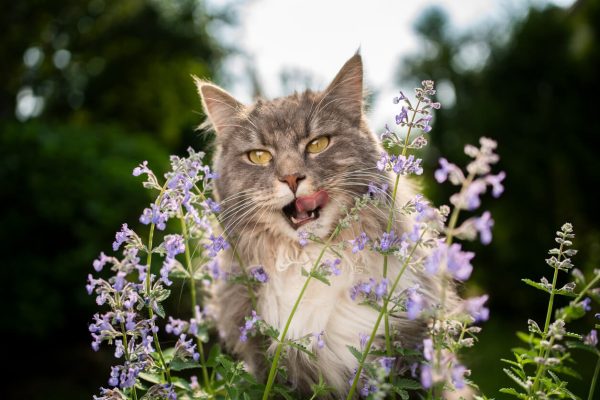
Catnip is a herb from the mint family. Its scientific name is Nepeta cataria. The plant has green leaves and small white or purple flowers. It grows in many parts of the world.
Catnip contains a natural oil called nepetalactone. This oil causes a strong reaction in cats. When cats smell or eat catnip, it triggers their senses. They may become excited, playful, or relaxed.
How Does Catnip Affect Cats?
Not all cats react to catnip. About 50% to 70% of cats feel its effects. The reaction depends on genetics. Cats usually respond by:
- Rolling around
- Chasing imaginary prey
- Rubbing their face on the catnip
- Meowing or purring more
The feeling lasts for about 10 minutes. After that, cats lose interest for a while.
Is Catnip Safe For Cats?
Catnip is safe for most cats. It is not addictive or harmful. Giving catnip in small amounts is best. Too much can cause mild upset stomach or sleepiness. Always watch your cat’s reaction.
Benefits Of Catnip For Cats
Catnip offers several benefits that can improve your cat’s daily life. It stimulates their senses and encourages playful behavior. Cats often feel happier and more relaxed after exposure to catnip. This natural herb can also support mental and physical health in gentle ways.
Encourages Play And Exercise
Catnip excites cats and motivates them to play more. Active play helps keep cats fit and healthy. It also prevents boredom and destructive behavior. Regular exercise supports strong muscles and joints.
Reduces Stress And Anxiety
Catnip has calming effects on many cats. It helps them relax in stressful situations. Cats may feel comforted during travel or visits to the vet. This reduces unwanted behaviors linked to anxiety.
Stimulates Mental Activity
Catnip encourages curiosity and alertness. It awakens a cat’s natural hunting instincts. Mental stimulation prevents dullness and lethargy. Engaged cats tend to be happier and more content.
Supports Social Interaction
Catnip can promote friendly behavior between cats. It often encourages gentle play and bonding. Shared playtime strengthens relationships in multi-cat households. This leads to a more peaceful home environment.
Safe And Natural Treat
Catnip is a safe, non-toxic herb. It provides a natural way to enrich your cat’s environment. Most cats respond well without any side effects. Use it as a healthy reward or distraction.
How Catnip Affects Cats
Catnip is a herb that many cats love. It affects cats in a unique way. Some cats become playful, others calm. Not all cats react the same. The response depends on genetics and sensitivity.
The active ingredient in catnip is nepetalactone. It triggers a reaction in the cat’s brain. This reaction can last from a few minutes to around 15 minutes. After this, cats usually lose interest. They need time before reacting again.
How Nepetalactone Works In Cats
Nepetalactone binds to receptors in the cat’s nose. It sends signals to the brain’s olfactory bulb. This area controls smell and behavior. The signals then reach the amygdala and hypothalamus. These parts control emotions and hormones.
Because of this, cats may act excited, relaxed, or silly. Their behavior changes due to brain stimulation. Some cats roll, purr, or rub on the catnip.
Typical Behaviors Triggered By Catnip
- Rubbing face and body on the catnip
- Rolling on the floor
- Playful pouncing and chasing
- Purring and kneading with paws
- Calm and relaxed lying down
Each cat shows different behaviors. Some become hyperactive, others mellow. Some cats show no reaction at all.
Why Some Cats Don’t React To Catnip
About 30% to 50% of cats do not respond. This is due to a gene they lack. Young kittens and older cats often show less interest. Sensitivity to catnip usually appears after 3 to 6 months of age.
Non-reactive cats do not feel the effects of nepetalactone. They will ignore catnip or sniff it briefly.

Credit: www.catcrack.com
Types Of Catnip Products
Catnip comes in several forms, each offering a unique way for your cat to enjoy its effects. Choosing the right type depends on your cat’s personality and how you want to engage with them. Let’s break down the main types of catnip products so you can decide what fits best in your home.
Dried Catnip
Dried catnip is the classic choice. You can sprinkle it on scratching posts, inside tunnels, or directly on the floor. Many cats love rolling and rubbing in the dried leaves, which releases the scent more effectively.
It’s easy to store and affordable. Just remember to replace it regularly, as dried catnip loses potency over time. Have you noticed how some cats go wild for just a pinch, while others need a bigger handful?
Catnip Toys
Catnip toys combine playtime with the irresistible scent. These come stuffed with dried catnip or infused with catnip oil. Your cat can bat, bite, and cuddle their favorite toy whenever they want.
They’re great for interactive play and can keep your cat entertained for hours. If your cat tends to ignore plain toys, try adding catnip—they often get a new burst of interest!
Catnip Spray
Catnip spray is a quick way to freshen up old toys, scratching posts, or bedding. It’s made by extracting the essential oils from catnip and spraying them in a concentrated form. This option is less messy than dried catnip and lasts for several days.
Use it to encourage your cat to use certain areas or objects. Have you ever tried spraying a new bed or scratching post to see if your cat takes to it faster?
Catnip Plants
Growing a catnip plant is a natural and interactive way to provide fresh catnip. Your cat can nibble on the leaves or simply enjoy the smell. Plus, it’s fun to watch them explore and engage with a living plant.
Keep in mind, some cats may be more gentle than others, so place the plant where it won’t be easily destroyed. Have you thought about how having a catnip plant might change your cat’s behavior compared to store-bought products?
Choosing The Right Catnip Product
Choosing the right catnip product is key to making your cat’s experience enjoyable and safe. Not all catnip is created equal, and knowing what to look for can save you time and money. Your cat’s preferences and health should guide your selection.
Understanding Different Types Of Catnip Products
Catnip comes in several forms: dried leaves, sprays, toys, and fresh plants. Each type offers a unique way for your cat to enjoy the herb.
- Dried Catnip:Easy to sprinkle on scratching posts or bedding. It’s affordable and widely available.
- Catnip Sprays:Convenient for refreshing toys or scratching areas, but some cats may not react as strongly.
- Catnip Toys:Perfect for interactive play. Toys stuffed with catnip keep your cat engaged longer.
- Fresh Catnip Plants:Great for cats who love to nibble. Growing your own ensures the freshest experience.
Checking Quality And Purity
Look for organic and pesticide-free catnip to keep your cat safe. Low-quality catnip may contain fillers or chemicals that can harm your pet.
Always check product labels and reviews. A product with positive feedback and clear ingredient lists is usually a safer bet.
Matching Catnip To Your Cat’s Personality
Is your cat playful or more relaxed? Some cats react wildly to catnip, while others prefer a gentle sniff.
Try different products to see what excites your cat the most. You might discover that your cat loves toys over sprays or fresh leaves over dried ones.
Considering Allergies And Sensitivities
Like people, cats can have allergies. Start with a small amount of catnip and watch for any adverse reactions.
If your cat sneezes or seems irritated, try a different brand or product type. Your cat’s comfort should come first.

Credit: www.animalhumanesociety.org
Safe Ways To Offer Catnip
Offering catnip to cats can be fun and safe with the right approach. Catnip excites many cats but must be given carefully. Using safe methods helps avoid overstimulation or discomfort. Choose ways that suit your cat’s personality and mood. Watch your cat’s reactions to find what they enjoy most.
Direct Sniffing
Allow your cat to sniff fresh or dried catnip leaves. Hold a small amount near their nose. Let the cat explore at their own pace. Avoid forcing the catnip too close or too often. This method keeps things natural and simple.
Catnip-infused Toys
Use toys filled with catnip to engage your cat. These toys encourage play and exercise. Cats can bite, kick, and chase safely. Replace the catnip in toys regularly for freshness. This method combines fun with the catnip’s effects.
Sprinkling On Scratching Posts
Sprinkle a little dried catnip on your cat’s scratching post. This attracts the cat to use the post more often. It helps keep claws healthy and furniture safe. Use a small amount to prevent waste. Refresh the catnip sprinkle every few days for best results.
How Often To Give Catnip
Knowing how often to give catnip is key to keeping your cat happy and healthy. Catnip excites cats but only for a short time. Too much catnip can make cats less interested over time. Giving catnip too often might also cause mild stomach upset or overexcitement. Finding the right balance helps your cat enjoy catnip without negative effects.
Recommended Frequency For Catnip Use
Most experts suggest offering catnip once or twice a week. This schedule keeps catnip special and exciting. Cats may lose interest if they get catnip daily. Giving catnip too often can lead to tolerance. This means the cat will react less over time.
Watch Your Cat’s Reaction
Every cat reacts differently to catnip. Some cats love it and want more often. Others only enjoy it occasionally. Pay attention to your cat’s mood and behavior. If your cat seems tired or uninterested, reduce the frequency. If your cat becomes too hyperactive, give catnip less often.
Adjusting Catnip Amounts
Start with small amounts of catnip. Observe how your cat behaves. Increase the amount if your cat enjoys it without side effects. Decrease if you see signs of overstimulation or mild upset. Adjusting the amount and frequency keeps catnip fun and safe.
Signs Your Cat Enjoys Catnip
Catnip can bring out playful and happy behaviors in cats. Knowing the signs shows you if your cat likes catnip. Each cat reacts differently, but many display clear behaviors.
Watch your cat closely after giving catnip. You can tell if they enjoy it by their actions and mood changes. These signs help you understand your pet better.
Physical Reactions To Catnip
- Rubbing their face and body on catnip or nearby surfaces
- Rolling around on the floor in excitement
- Sniffing and licking the catnip eagerly
- Chasing or pouncing on catnip toys
Changes In Behavior
- Becoming more playful and energetic
- Showing relaxed and happy body language
- Making soft meowing or purring sounds
- Sometimes becoming a little hyperactive or silly
Signs Of Calm Enjoyment
- Lounging peacefully near the catnip
- Slow blinking or closing eyes softly
- Light grooming or kneading behavior
- Quiet contentment without much movement
When To Avoid Giving Catnip
Knowing when to avoid giving catnip is just as important as knowing how to offer it safely. While catnip can be a source of joy and stimulation for many cats, there are times it might do more harm than good. Being mindful of these moments helps you protect your furry friend’s health and well-being.
Pregnant Or Nursing Cats
Pregnant or nursing cats should generally avoid catnip. The active compounds in catnip might cause unnecessary stress or hyperactivity, which isn’t ideal during these sensitive periods.
If your cat is expecting or caring for kittens, it’s best to hold off on catnip until she’s fully recovered and calm. Have you noticed a change in your cat’s behavior during pregnancy that made you cautious? That’s a good sign to skip catnip for now.
Cats With Health Issues
Cats with certain health conditions, such as anxiety disorders, seizures, or heart problems, may not respond well to catnip. The excitement catnip induces can potentially worsen these issues.
If your cat has a medical condition, check with your vet before giving catnip. It’s better to be safe than sorry when your cat’s health is on the line.
Overuse Leading To Desensitization
Giving catnip too often can lead to your cat becoming desensitized and losing interest. This means the special reaction you enjoy might fade away.
Try limiting catnip sessions to once every few weeks to keep the experience exciting. How often do you offer catnip to your cat? If it’s too frequent, consider spacing it out.
Very Young Kittens
Kittens under three months old usually don’t respond to catnip. Their brains are not yet developed enough to react to the compounds in the plant.
It’s better to wait until your kitten is older before introducing catnip. This way, you avoid confusion or overstimulation at an early age.
Credit: www.rover.com
Creating A Catnip Routine
Creating a catnip routine can turn a simple treat into a delightful part of your cat’s day. Establishing consistency helps your feline friend know when to expect this fun, stimulating experience. It also prevents overexposure, keeping catnip exciting and effective.
Choosing The Right Time For Catnip
Pick a time when your cat is relaxed but alert, such as mid-morning or early evening. Avoid giving catnip when your cat is overly tired or hyperactive, as it might not have the desired effect. Observing your cat’s natural energy cycles can help you find the perfect moment.
How Often Should You Give Catnip?
Limit catnip sessions to about twice a week to maintain its novelty. Too frequent exposure can make your cat less interested or even indifferent. Notice how your cat reacts—some may enjoy it weekly, while others prefer less frequent playtimes.
Incorporating Catnip Into Playtime
Use catnip to enhance interactive play with toys like feather wands or balls. Sprinkle a small amount on scratching posts or inside tunnels to encourage exploration. This turns catnip into a positive reinforcement tool that keeps your cat mentally and physically active.
Monitoring Your Cat’s Response
Pay close attention to how your cat behaves after catnip exposure. If your cat becomes overly aggressive or overly excited, reduce the frequency or amount. Gentle, happy reactions indicate you’re on the right track and can continue your routine confidently.
Frequently Asked Questions
How Do You Safely Give Catnip To Cats?
Offer catnip in small amounts to avoid overstimulation. Use dried leaves, sprays, or toys filled with catnip. Always supervise your cat to ensure they react well and don’t eat too much at once.
How Often Should Cats Have Catnip?
Give catnip to your cat about once a week. Overuse can reduce its effects and cause mild irritation. Regular but moderate exposure keeps your cat interested and happy.
Can Kittens Use Catnip?
Kittens under three months usually don’t react to catnip. Their sensitivity develops as they grow older. Wait until your kitten is mature enough before introducing catnip safely.
What Are The Best Ways To Give Catnip?
Use catnip-filled toys, sprinkle dried catnip on scratching posts, or spray catnip spray on bedding. These methods encourage playful and relaxed behavior in cats naturally.
Conclusion
Giving catnip to cats can be a fun way to keep them happy. Use small amounts to see how your cat reacts. Fresh or dried catnip works well, and toys with catnip add extra fun. Watch your cat’s behavior to avoid overstimulation.
Remember, not all cats like catnip, and that’s okay. Enjoy the moments of play and relaxation it brings. Keep it safe and simple for a happy pet.
