

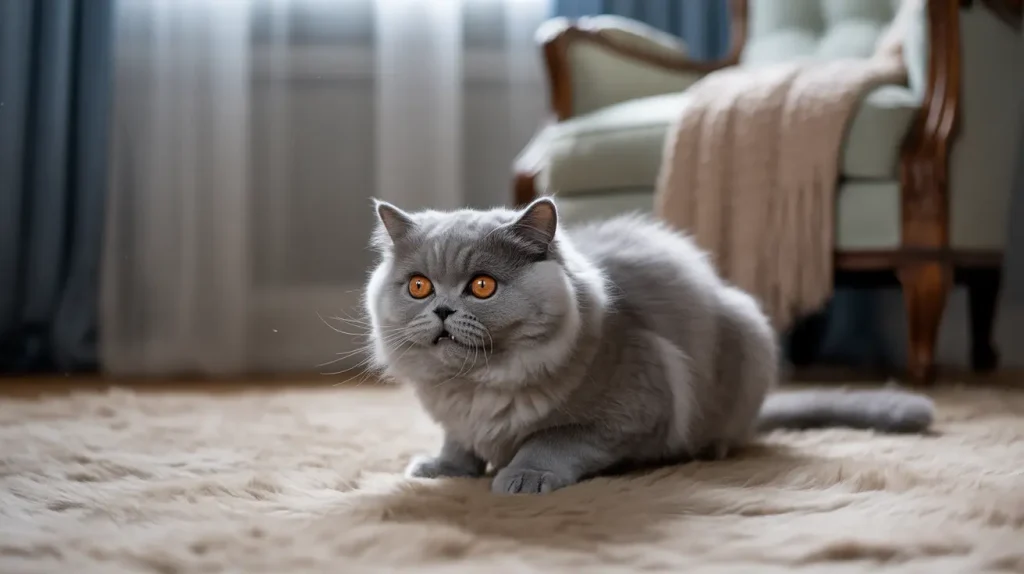
Have you ever wondered why your cat suddenly lets out a low, rumbling growl? That unexpected sound can catch you off guard and leave you wondering what your furry friend is trying to tell you.
Understanding why cats growl is key to keeping your pet happy and safe. You’ll discover the real reasons behind this behavior and learn how to respond the right way. Keep reading to unlock the secret language of your cat’s growl and strengthen the bond you share.
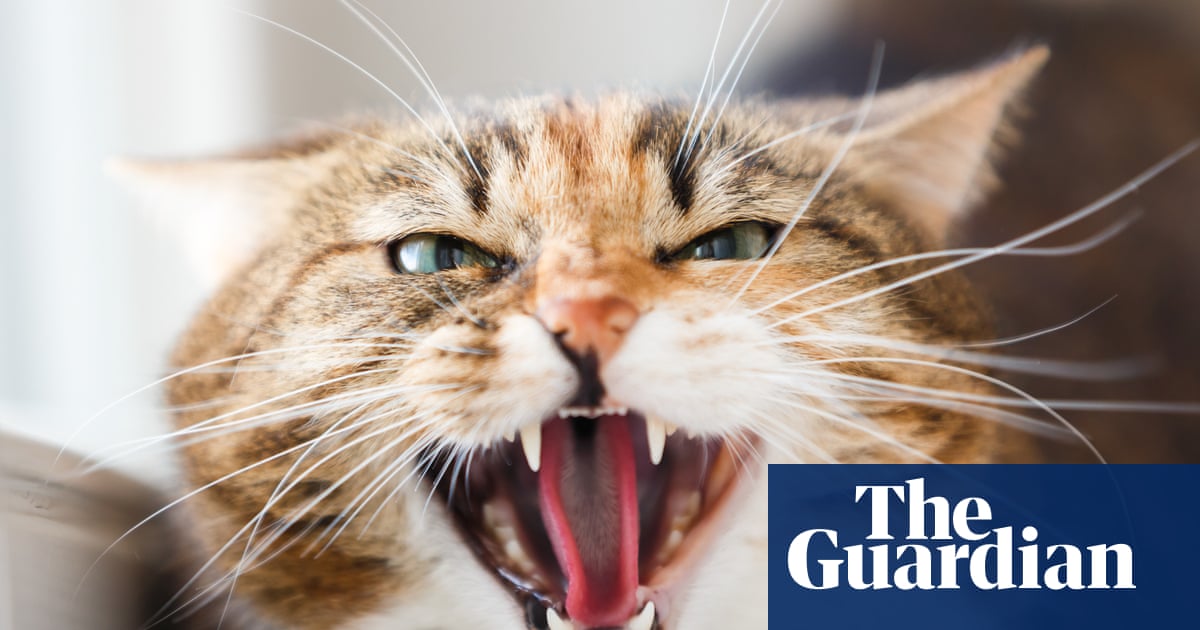
Credit: www.theguardian.com
Cat Growling Basics
Cats growl to communicate feelings or warnings. This sound shows their mood and intentions clearly. Understanding why cats growl helps owners respond properly. It also improves the bond between cats and humans.
Growling is a low, guttural sound. Cats use it to express discomfort or fear. Sometimes, it signals aggression or the need for space. Recognizing these cues keeps everyone safe and calm.
What Does Cat Growling Mean?
Growling means a cat feels threatened or uneasy. It warns others to stay away. Cats may growl when they face a stranger or another animal. It shows they want to protect themselves or their territory.
When Do Cats Usually Growl?
- During fights or disputes with other pets
- When they feel scared or stressed
- In pain or discomfort
- When protecting their food or toys
- When annoyed or disturbed while resting
Difference Between Growling And Other Cat Sounds
| Sound | Meaning | When It Happens |
|---|---|---|
| Growling | Warning, fear, or aggression | Threats or discomfort |
| Hissing | Fear or defense | Close confrontation |
| Meowing | Request or greeting | Attention or food |
| Purring | Contentment or healing | Relaxed or calm |
Credit: www.petscare.com
Fear And Anxiety
Cats use growling as a clear way to show fear and anxiety. This sound warns others to stay away. Fear can make a cat feel unsafe or threatened. Anxiety makes a cat nervous about what might happen next. Both feelings lead to growling as a defense. Understanding these emotions helps keep cats calm and happy.
Signs Of Fear
- Wide eyes with dilated pupils
- Flattened ears against the head
- Low, crouched body posture
- Tail tucked close to the body
- Hissing or growling sounds
- Rapid breathing or panting
- Sudden hiding or avoidance
Common Triggers
- Strangers entering the home
- Loud or sudden noises
- Other aggressive animals nearby
- Unfamiliar environments or changes
- Handling or restraint by humans
- Strong smells or strange objects
Territorial Behavior
Cats are naturally territorial creatures. Their growling often signals a warning linked to defending their personal space. Understanding this behavior helps you recognize when your cat feels threatened or stressed.
Protecting Territory
Your cat sees its home and surroundings as its kingdom. Growling is a clear sign that it wants to keep intruders away. This can include other animals, unfamiliar people, or even changes in the environment.
Think about the last time you introduced a new piece of furniture or rearranged a room. Did your cat growl or act uneasy? This reaction shows how sensitive they are about their territory.
Interactions With Other Pets
When you have multiple pets, growling often happens as they establish boundaries. Your cat uses growls to communicate discomfort or warn others to back off. This is especially common during initial meetings or when resources like food bowls and resting spots are limited.
If your cat growls at another pet, observe their body language closely. Are they just setting limits, or is there real aggression? Understanding this difference can help you manage their interactions better.

Credit: www.youtube.com
Pain Or Discomfort
Cats often growl to show pain or discomfort. This vocal sign warns others to stay away. It helps protect them from further harm. Understanding this behavior can improve care and response.
Identifying Pain
Signs of pain in cats include:
- Growling or hissing unexpectedly
- Hiding or avoiding touch
- Changes in eating or grooming habits
- Restlessness or frequent shifting
- Swelling or limping
Noticing these signs early helps prevent worsening problems. Growling may be the first clear signal.
Health Issues
Common health issues causing pain in cats are:
| Health Issue | Symptoms |
|---|---|
| Arthritis | Stiffness, difficulty jumping, growling when touched |
| Dental Problems | Drooling, bad breath, growling during eating |
| Infections | Swelling, fever, growling when area touched |
| Injuries | Visible wounds, limping, growling when moved |
Veterinary care is essential to diagnose and treat these problems. Ignoring growling can delay critical help.
Communication With Humans
Cats use growling as a way to communicate with humans. This sound often shows their feelings. It can be a warning or a request to stop something. Understanding these signals helps build a stronger bond between cats and people.
Misunderstood Signals
Growling is not always about anger. Sometimes, cats growl because they feel scared or stressed. They may want space or are unsure about a situation. People often think growling means the cat is mean, but it can be a sign of discomfort.
Recognizing these signals helps prevent problems. Giving a cat time and space can stop growling. It shows respect for their feelings and builds trust.
Body Language Cues
Growling often comes with other body language signs. Look at the cat’s ears, tail, and eyes. Flattened ears or a twitching tail can mean the cat is upset. Wide eyes can show fear or surprise.
Watching these signs helps understand what the cat wants. It can tell if the growl is a warning or a call for help. Paying attention to body language improves communication and keeps both safe.
Aggression And Defense
Cats growl as a clear message of aggression or defense. This behavior helps them protect themselves or their territory. Understanding why cats growl in these situations improves how we respond to them.
Types Of Aggression
Cats show different kinds of aggression through growling. Each type has a reason and a goal. Common types include:
- Territorial aggression:Protecting their space from other animals or people.
- Fear aggression:Reacting to a threat that makes them scared or nervous.
- Redirected aggression:When a cat is upset by something but attacks another target nearby.
- Play aggression:Rough play that may include growling but is not truly hostile.
Recognizing these types helps prevent serious fights or stress.
Defensive Reactions
Growling is a first warning in defense. It tells others to stay away. If the threat continues, cats may hiss, swipe, or bite.
Defense growling happens when a cat feels trapped or cornered. It aims to stop an attack before it starts.
Body language supports the growl. A cat may arch its back, puff its fur, or flatten its ears.
Knowing these signs helps keep both cats and people safe during tense moments.
Environmental Changes
Cats often growl to express discomfort or stress caused by changes in their environment. Sudden shifts can make cats feel unsafe or threatened. Understanding how environmental changes affect cats helps to reduce their anxiety and avoid growling episodes.
New Surroundings
Moving to a new home or introducing new items can confuse cats. They rely on familiar smells and sights to feel secure. Unfamiliar places make cats cautious and defensive. Growling acts as a warning to stay away from unknown territory. Cats need time to explore and adjust at their own pace.
Adjusting To Change
Changes in routine or family members can unsettle cats. They prefer stability and predictability in daily life. A cat may growl if it feels its space is invaded or threatened. Gradual introductions and patience help cats feel more comfortable. Providing safe spots and quiet areas supports their adjustment process.
Preventing And Managing Growling
Understanding how to prevent and manage growling in cats can make a big difference in your relationship with your furry friend. Growling is a clear sign that your cat feels threatened or uncomfortable. By recognizing these signals early and responding thoughtfully, you can reduce stress for both of you and create a more peaceful home environment.
Calming Techniques
When your cat starts to growl, it’s a signal to give them space. Avoid sudden movements or loud noises that could escalate their stress. Instead, speak softly and move slowly to help them feel safe.
Try offering a cozy hideaway like a box or a soft blanket. Cats often feel more secure in small, enclosed spaces. You might notice your cat retreating there after growling—this is their way of calming down.
Using pheromone diffusers or sprays can also help. These products release calming scents that reduce anxiety. Have you tried using calming aids in your home yet?
Positive Reinforcement
Reward your cat for calm behavior with treats, gentle petting, or playtime. This helps them link positive experiences with feeling relaxed. Over time, your cat will grow more comfortable and less likely to growl.
Focus on recognizing the moments when your cat chooses calmness over aggression. Praise them immediately to make the connection clear. This approach teaches your cat that peaceful behavior brings good things.
Remember, patience is key. Changing behavior takes time and consistency. What small reward does your cat love that you can use to encourage quiet moments?
Frequently Asked Questions
Why Do Cats Growl At Strangers?
Cats growl at strangers to show fear or protect their territory. It warns others to stay away and avoid conflict.
When Do Cats Usually Start To Growl?
Cats often start growling when they feel threatened, stressed, or in pain. It’s a natural defense mechanism.
Can Cats Growl When They Are In Pain?
Yes, cats growl when in pain to signal discomfort or distress. It helps alert owners to check their health.
How Can I Stop My Cat From Growling?
To stop growling, identify the cause and reduce stress. Provide a safe space and avoid sudden movements around your cat.
Conclusion
Cats growl to show they feel scared, angry, or threatened. This sound helps them warn others to stay away. Understanding why cats growl can improve your bond with them. Respect their space when you hear growling. Watch their body language for clues about their mood.
Knowing these signs keeps both you and your cat safe. Every cat is unique, so pay close attention to their behavior. Growling is just one way cats communicate feelings. Stay patient and kind to build trust with your cat.
