

Are you sure your cat is fully protected from all health risks? Heartworm might sound like a problem only dogs face, but your feline friend isn’t completely safe either.
Understanding whether your cat needs heartworm preventative can save you from worry and costly vet visits later. Keep reading to discover what heartworm means for your cat and how you can keep them safe and healthy every day.
Heartworm Disease In Cats
Heartworm disease is a serious health risk for cats. Though less common than in dogs, it can cause severe illness. Understanding heartworm in cats helps owners protect their pets better. Early awareness and prevention are key to keeping cats safe from this disease.
What Is Heartworm?
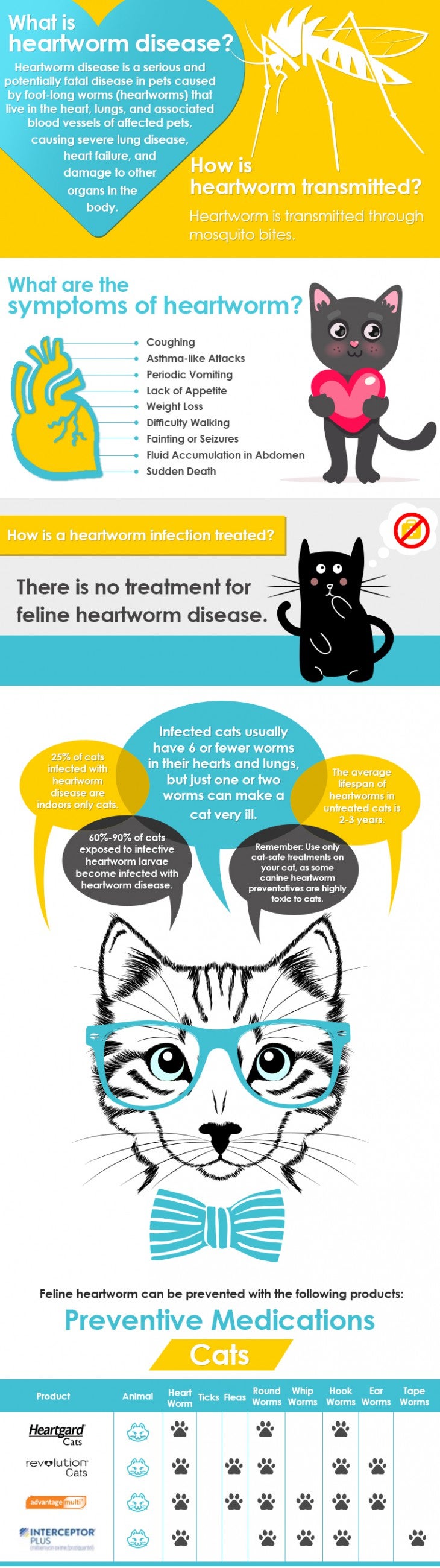
Heartworm is a parasite that lives in the heart and lungs. It is a type of worm that grows inside the blood vessels. These worms can cause damage to the heart and lungs. Over time, they may lead to breathing problems and heart failure.
How Cats Get Infected
Cats get heartworm from mosquito bites. Mosquitoes carry tiny heartworm larvae from infected animals. When a mosquito bites a cat, it passes these larvae into the cat’s bloodstream. The larvae grow and develop into adult worms inside the cat.
Symptoms In Cats
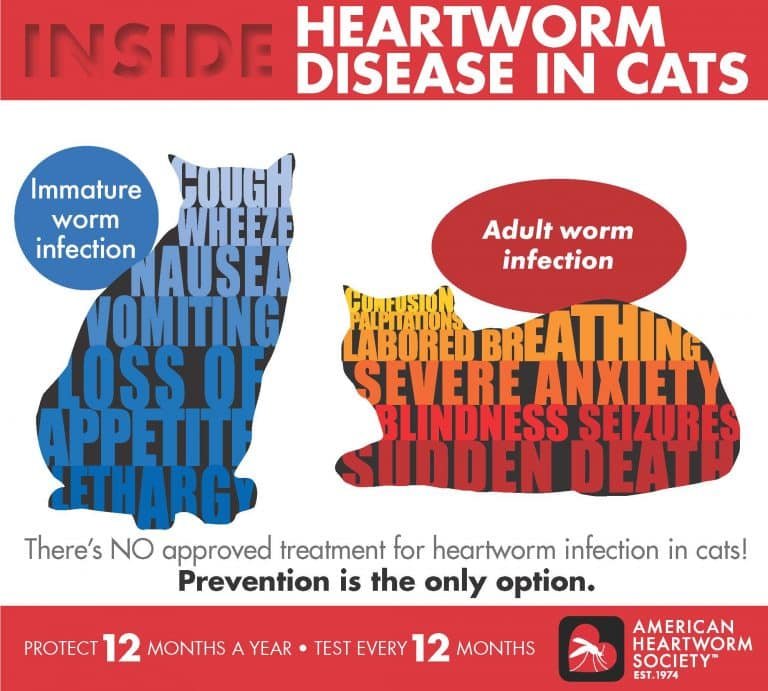
Symptoms of heartworm in cats can be hard to spot. Some common signs include:
- Coughing or wheezing
- Difficulty breathing
- Loss of appetite
- Weight loss
- Vomiting
- Lethargy or weakness
In some cases, sudden collapse or death can occur without warning. Regular vet check-ups help catch heartworm early.
Credit: www.allivet.com
Risks Of Heartworm In Cats
Heartworm disease might sound like a problem mostly for dogs, but cats are at risk too. Understanding these risks can help you decide if your feline friend needs heartworm prevention. Ignoring this can lead to serious health issues that might surprise you.
Potential Health Impacts
Heartworms in cats don’t grow as large or live as long as they do in dogs, but that doesn’t mean they are harmless. Even a few worms can cause severe lung damage and respiratory issues in your cat.
Symptoms can be subtle at first, like coughing or vomiting, which you might easily miss or confuse with other illnesses. If left untreated, heartworm can lead to a condition called Heartworm Associated Respiratory Disease (HARD), which seriously affects your cat’s quality of life.
Comparing Cats And Dogs
Unlike dogs, cats are not the ideal host for heartworms, so fewer worms survive. This makes diagnosis harder because tests often come back negative even if your cat is infected.
Dogs can carry dozens of heartworms without showing symptoms, but cats usually have only a few worms that cause more sudden and severe reactions. This difference means heartworm prevention is just as important for cats, even if the threat seems less obvious.
Have you thought about how your cat’s indoor lifestyle affects their risk? Even indoor cats can be bitten by mosquitoes that slip inside, so prevention might be worth considering regardless of where your cat spends most of its time.
Heartworm Preventative Measures
Protecting your cat from heartworm is more important than many realize. Heartworm preventative measures can save your feline friend from serious health issues and costly treatments. Understanding these measures helps you make smart choices to keep your cat safe.
Available Medications
Several medications are designed specifically to prevent heartworm in cats. These include monthly oral tablets, topical treatments, and injections.
- Oral tablets:Easy to give and often flavored, making them more acceptable to picky cats.
- Topical treatments:Applied to the skin, they also protect against other parasites like fleas and ticks.
- Injections:Administered by your vet, these provide long-lasting protection but may require a visit every six months.
Have you checked with your vet about which type suits your cat’s lifestyle best? Some cats may refuse pills, while others might react to topical solutions.
Dosage And Administration
Correct dosage depends on your cat’s weight and health status. Never guess the amount—overdosing or underdosing can cause problems.
| Medication Type | Typical Dosage | Frequency | Notes |
|---|---|---|---|
| Oral Tablets | Based on weight, usually one tablet monthly | Every 30 days | Follow packaging and vet advice strictly |
| Topical Treatments | Apply one dose to skin | Every 30 days | Ensure skin is dry and apply between shoulder blades |
| Injections | Single dose per injection | Every 6 months | Administered by veterinarian only |
Consistency is key. Missing a dose can leave your cat vulnerable. What system can you set up to remember these treatments on time?
Debating Necessity Of Preventatives
Deciding whether your cat needs heartworm preventative can feel confusing. Unlike dogs, cats are not the primary hosts for heartworms, which leads many to question the necessity of regular prevention. However, understanding the risks and expert advice can help you make a clearer choice for your feline friend’s health.
Veterinarian Recommendations
Many veterinarians suggest heartworm prevention for cats, especially in areas where heartworm disease is common. They point out that although cats are less likely to get heartworms than dogs, the consequences can be severe and sometimes fatal.
Your vet may recommend preventative medication even if your cat stays indoors. Mosquitoes—the carriers of heartworm larvae—can enter your home, putting your cat at risk. Have you discussed your cat’s lifestyle and environment with your vet to get a personalized recommendation?
Factors Influencing Decision
Several factors should influence whether you decide to use heartworm preventatives for your cat:
- Geographic location:Areas with high mosquito populations increase risk.
- Indoor vs. outdoor cats:Outdoor cats face higher exposure but indoor cats aren’t completely safe.
- Local heartworm cases:Check if there are known cases in your area.
- Cat’s health status:Some medications may not suit all cats, especially those with pre-existing conditions.
Think about your cat’s daily habits and surroundings. How likely is exposure to mosquitoes? Assessing these details can guide your decision on prevention.
Natural And Alternative Solutions
Some cat owners seek natural or alternative ways to protect their pets from heartworm. These options focus on boosting the cat’s health and reducing exposure to mosquitoes. Natural methods may support overall wellness but may not fully prevent heartworm infection. Careful consideration and consultation with a vet are important before choosing these approaches.
Herbal Remedies
Certain herbs are thought to repel mosquitoes and support immune health. Common examples include:
- Neem oil, known for its insect-repellent properties
- Garlic, believed to boost the immune system
- Wormwood, traditionally used to target parasites
Herbal remedies should be used with caution. Some herbs can be toxic to cats. Always check with a veterinarian before giving herbs to your pet.
Lifestyle Changes
Adjusting your cat’s environment can lower the risk of heartworm. Simple steps include:
- Keeping cats indoors during mosquito peak hours
- Using screens on windows and doors to block insects
- Removing standing water around the home where mosquitoes breed
- Maintaining a clean yard to reduce mosquito habitat
These changes reduce mosquito bites and help protect cats naturally. Combining lifestyle changes with vet advice improves heartworm prevention efforts.

Credit: justcatsclinic.com
Monitoring And Regular Check-ups
Monitoring your cat’s health closely helps catch heartworm issues early. Regular check-ups with the vet ensure your pet stays safe and healthy. These visits allow for professional exams and early detection of any problems.
Heartworm infection can be hard to spot in cats. Careful observation and timely tests protect your cat from severe complications. Staying alert and maintaining routine vet visits support your cat’s well-being.
Signs To Watch For
- Coughing that lasts more than a few days
- Difficulty breathing or rapid breathing
- Loss of appetite or weight loss
- Unusual lethargy or weakness
- Vomiting without clear cause
- Sudden collapse or fainting
Any of these signs need immediate veterinary attention. Early symptoms can be subtle but serious.
Routine Testing
Routine tests identify heartworm infections before symptoms appear. Blood tests detect heartworm antigens or antibodies. X-rays and ultrasounds show heart and lung health.
Ask your vet about appropriate testing schedules. Regular screenings protect your cat even in low-risk areas. Early detection improves treatment success and quality of life.

Credit: justcatsclinic.com
Frequently Asked Questions
Do Cats Really Need Heartworm Prevention?
Yes, cats can get heartworm disease, though it is less common than in dogs. Preventative medication protects cats from serious health risks and complications caused by heartworms.
How Do Cats Get Heartworm Infection?
Cats get heartworms through mosquito bites. Mosquitoes carry larvae that enter the cat’s bloodstream and develop into adult heartworms, potentially causing severe lung and heart issues.
What Are Signs Of Heartworm In Cats?
Symptoms include coughing, difficulty breathing, vomiting, lethargy, and weight loss. Some cats may show no symptoms, making prevention and vet checkups important.
Is Heartworm Prevention Safe For Cats?
Yes, heartworm preventatives prescribed by veterinarians are safe and effective for cats. Always follow your vet’s dosage instructions to avoid side effects.
Conclusion
Cats can get heartworm, even if they stay indoors. Preventative medicine helps protect them from this serious disease. Talk to your vet about the best option for your cat. Heartworm prevention is a small step that can save a life.
Keeping your cat safe means fewer health problems later. Don’t wait until it’s too late to act. A healthy cat is a happy cat. Prevention works best when started early and given regularly. Take care of your pet with simple, smart choices.
