

Have you ever noticed your cat sneezing or sniffing more than usual and wondered, “Do cats get colds?” Just like you, your furry friend can catch something that makes them feel under the weather.
But how can you tell if your cat has a cold, and what should you do to help them? Understanding the signs and knowing when to act can make all the difference in keeping your cat healthy and happy. Keep reading to discover everything you need to know about colds in cats and how to care for your beloved pet when they’re feeling sick.
Credit: www.perfect-fit.co.uk
Cat Colds: An Overview
Cat colds are a common concern for many pet owners. You might wonder if your furry friend can catch a cold just like you do. Understanding what a cat cold is and how it affects your pet helps you provide better care when those sniffles hit.
What Exactly Is A Cat Cold?
A cat cold is not exactly the same as a human cold. It’s usually caused by viruses like feline herpesvirus or calicivirus. These viruses lead to symptoms similar to a cold, such as sneezing and a runny nose.
Unlike humans, cats don’t develop colds from the same viruses that affect us. So, your cold won’t spread to your cat, and vice versa. However, the symptoms can be just as uncomfortable for your pet.
Common Symptoms To Watch For
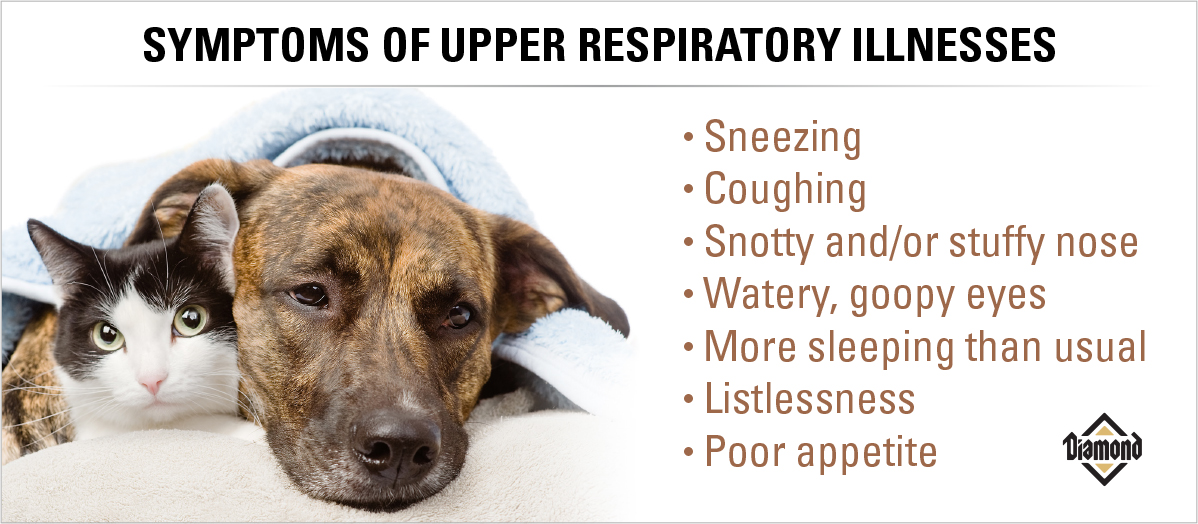
- Sneezing and coughing
- Runny or stuffy nose
- Watery eyes or eye discharge
- Lethargy and loss of appetite
- Fever in some cases
If you notice these signs in your cat, it’s a good idea to monitor them closely. Some symptoms might look mild but could develop into something more serious if ignored.
How Do Cats Catch Colds?
Cat colds spread mostly through direct contact with infected cats or contaminated objects. Places like shelters or multi-cat households increase the risk. You might not realize how easily viruses pass between cats, especially if they share food bowls or litter boxes.
Thinking about your cat’s environment can help you reduce their risk. Have you considered how often you clean their toys and bedding? Small changes can prevent the spread of illness.
When To See A Vet
Not every sniffle needs a vet visit, but some signs require professional care. If your cat stops eating, has trouble breathing, or shows persistent symptoms beyond a week, it’s time to call your vet. Early treatment can prevent complications.
Remember, your cat can’t tell you how they feel, so your observations make a big difference. How closely do you watch for changes in your cat’s behavior during a cold?
Credit: www.diamondpet.com
Symptoms Of Cat Colds
Recognizing the symptoms of cat colds early can make a big difference in how quickly your furry friend recovers. Cats often hide their discomfort, so you need to be alert to subtle signs. Understanding these symptoms helps you provide the right care and know when to visit the vet.
Sneezing And Nasal Discharge
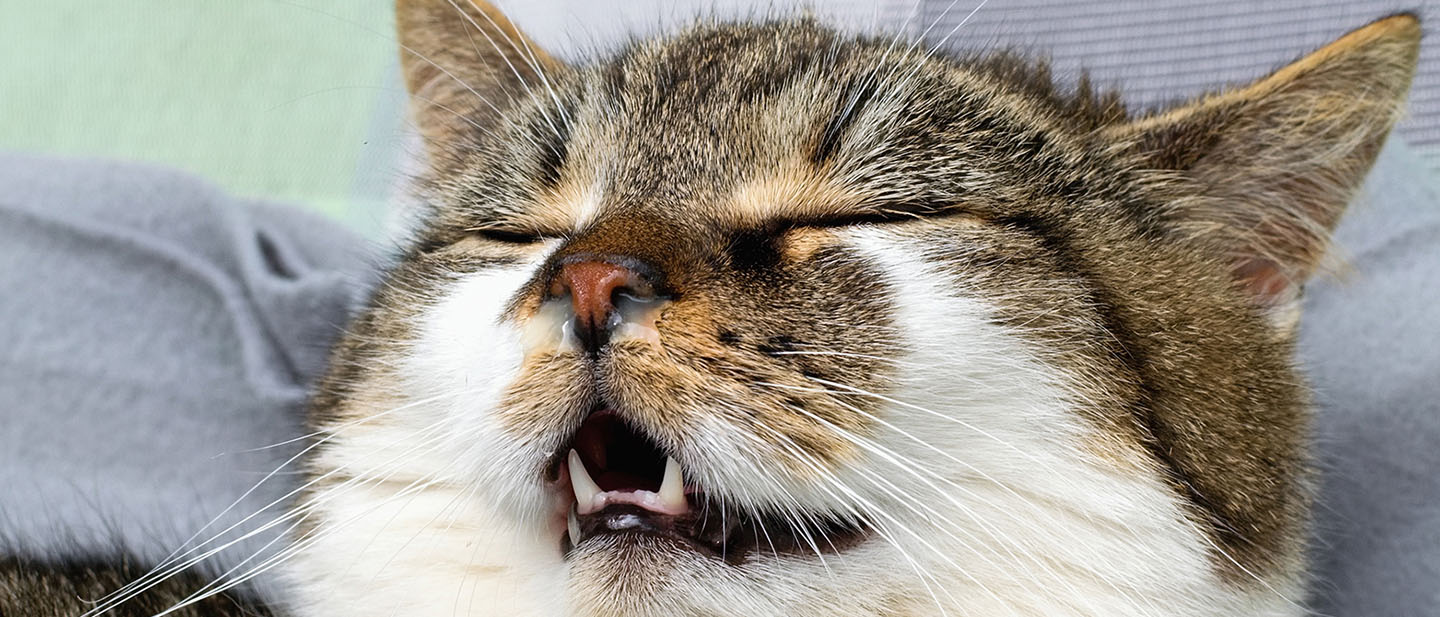
Sneezing is one of the most common signs that your cat might have a cold. You may notice frequent, forceful sneezes that seem to come out of nowhere. Along with sneezing, nasal discharge can appear as clear, yellow, or green mucus, indicating an infection or irritation.
Have you ever seen your cat pawing at its nose? That’s often a sign of discomfort caused by congestion. Keeping a tissue nearby during these moments can help you monitor the severity without stressing your cat.
Coughing And Wheezing
Coughing in cats is less common but can signal a cold, especially if it’s accompanied by wheezing sounds. These symptoms suggest that your cat’s airways are irritated or inflamed. It’s important to watch if the cough is dry or producing mucus, as this can guide you on the next steps.
If your cat starts breathing noisily or seems to struggle for air, don’t wait to get professional advice. Sometimes, what looks like a simple cold can develop into something more serious quickly.
Loss Of Appetite And Lethargy
When cats catch a cold, they often lose interest in food because their sense of smell is affected. You might notice your cat skipping meals or eating much less than usual. Alongside this, lethargy—less playfulness and more sleeping—can be a clear sign that your cat isn’t feeling well.
Have you ever tried tempting your cat with its favorite treat during a cold? Sometimes, a little extra effort can encourage eating, but persistent refusal should prompt a vet visit. Your cat’s energy levels can tell you a lot about how severe the illness is.
Causes Of Cat Colds
Cats can catch colds just like humans. These colds come from several causes that affect their respiratory system. Understanding what causes cat colds helps in preventing and treating them effectively.
Viral Infections
Viral infections are the most common cause of cat colds. Viruses like feline herpesvirus and calicivirus spread easily among cats. These viruses cause symptoms such as sneezing, coughing, and watery eyes. Kittens and older cats are more vulnerable to these infections.
Bacterial Infections
Bacterial infections often follow viral infections or appear on their own. Common bacteria include Bordetella and Chlamydia. These bacteria worsen cold symptoms and may cause fever or nasal discharge. Proper veterinary care is necessary to treat bacterial infections.
Environmental Factors
Environmental factors can trigger or worsen cat colds. Dust, smoke, strong smells, and poor ventilation irritate a cat’s nose and throat. Stress from changes in the home or introduction of new pets also weakens their immune system. Keeping a clean and calm environment reduces cold risks.
Diagnosis And When To Visit The Vet
Recognizing when your cat has a cold and deciding to visit the vet can be challenging. Knowing the signs and understanding the proper steps to take ensures your furry friend gets the care they need promptly. Early diagnosis can prevent complications and speed up recovery.
Initial Observation
Start by watching your cat closely at home. Look for symptoms like sneezing, coughing, watery eyes, or nasal discharge. Changes in appetite or energy levels are also important clues.
Ask yourself: Is your cat behaving differently than usual? Cats often hide illness, so subtle signs matter. Taking notes on these symptoms can be very helpful when talking to your vet.
Veterinary Examination
During the vet visit, a thorough examination will be done to confirm if your cat has a cold or something more serious. The vet will check your cat’s breathing, temperature, and overall condition.
They may also perform tests like swabs or blood work to identify the cause. This helps in choosing the right treatment. If your cat has difficulty breathing or persistent fever, don’t wait—seek veterinary advice immediately.
Treatment Options For Cat Colds
Dealing with a cat cold can be stressful, but knowing the right treatment options can make a big difference. Your cat needs comfort and care to bounce back quickly. Let’s look at practical ways to help your feline friend recover from a cold.
Home Care Remedies
Start by creating a cozy space for your cat to rest. A warm, quiet area away from drafts helps reduce discomfort. Keep your cat hydrated by offering fresh water and moist food, as eating can become difficult with a stuffy nose.
Using a humidifier or sitting with your cat in a steamy bathroom can ease nasal congestion. Gently wiping your cat’s eyes and nose with a damp cloth keeps them clean and prevents irritation.
Have you noticed your cat acting less playful? That’s a sign to limit their activity and encourage rest. Small changes, like elevating food and water bowls, can also help if your cat is congested.
Medications And Veterinary Treatments
If symptoms persist beyond a few days or worsen, it’s time to consult your vet. They might prescribe antiviral or antibiotic medications if a secondary bacterial infection is present. Never give human medicine to your cat—it can be dangerous.
Veterinarians may also recommend supportive treatments like eye drops or nasal sprays designed for cats. They can perform tests to identify the exact cause of the cold, which ensures targeted care.
Have you ever wondered why your cat’s cold lingers? Persistent symptoms could indicate more serious issues like feline herpesvirus. Your vet’s guidance is crucial to avoid complications and speed up recovery.
Preventing Cat Colds
Preventing cat colds is something every cat owner should prioritize. A cold can make your furry friend uncomfortable and slow them down. Taking simple, proactive steps can keep your cat healthy and happy, avoiding unnecessary vet visits and stress.
Vaccination
Vaccines play a crucial role in protecting your cat from common respiratory infections. Ask your vet about vaccines for feline herpesvirus and calicivirus, which often cause cold symptoms. Regular vaccinations strengthen your cat’s immune system, reducing the chance of catching a cold.
Think about your cat’s lifestyle—indoor cats may have less exposure but still benefit from vaccines, especially if they interact with other cats. I once skipped vaccinating my cat, and when she caught a cold, the recovery was tougher than expected. Don’t wait until symptoms appear to protect your pet.
Healthy Lifestyle Tips
Keeping your cat’s immune system strong is essential to prevent colds. A balanced diet rich in nutrients supports overall health. Fresh water, high-quality food, and occasional supplements recommended by your vet can make a big difference.
Stress can weaken your cat’s defenses. Provide a calm environment with cozy resting spots and regular playtime to keep your cat active and happy. Have you noticed how your cat reacts to changes? Minimizing stress might be the key to fewer colds.
- Keep your cat’s living area clean and well-ventilated.
- Avoid sudden temperature changes that can shock their system.
- Limit contact with unknown or sick cats to reduce exposure.
Small habits create big protection. What can you adjust today to make your cat’s environment safer and healthier?
Common Misconceptions
Many people think cats catch colds just like humans. This is not exactly true. Cats do get respiratory infections, but these are caused by different viruses. Understanding the truth helps in caring for your pet better. It also prevents unnecessary worry or wrong treatments.
Do Cats Catch The Human Cold Virus?
Cats cannot catch the human cold virus. The viruses that cause colds in humans do not infect cats. Cats have their own viruses that cause similar symptoms. Sneezing and runny nose in cats come from feline-specific infections.
Are Cat Colds Always Mild?
Cat colds are not always mild. Some infections can be serious and need veterinary care. Early treatment can prevent complications. Watch for signs like loss of appetite and breathing trouble.
Can Cats Spread Colds To Other Pets?
Cats can spread their viruses to other cats. But they cannot pass colds to dogs or humans. Each species has different viruses that affect them. Keep sick cats away from healthy ones to stop spread.
Is Home Treatment Enough For Cat Colds?
Home care can help mild cases. Rest, hydration, and a clean environment are important. Serious symptoms need a vet’s attention. Avoid giving human cold medicine to cats. It can be harmful or deadly.
Credit: www.whiskas.com.ph
Frequently Asked Questions
Do Cats Catch Colds Like Humans?
Yes, cats can catch colds caused by viruses like feline herpesvirus. Their symptoms resemble human colds but require veterinary care.
What Are Common Cold Symptoms In Cats?
Common symptoms include sneezing, runny nose, watery eyes, coughing, and lethargy. Loss of appetite often accompanies these signs.
How Long Do Cat Colds Usually Last?
Cat colds typically last 7 to 14 days. With proper care, most cats recover without complications.
Can Cat Colds Be Contagious To Humans?
No, cat colds are not contagious to humans. These viruses are species-specific and only affect cats.
Conclusion
Cats can catch colds just like people do. Watch for sneezing, coughing, or runny nose. Keep your cat warm and comfortable during illness. Visit the vet if symptoms last more than a week. Early care helps your pet feel better fast.
Understanding cat colds helps you give proper care. Stay alert to keep your furry friend healthy. Simple steps can make a big difference. Caring for cats shows your love and attention.
