

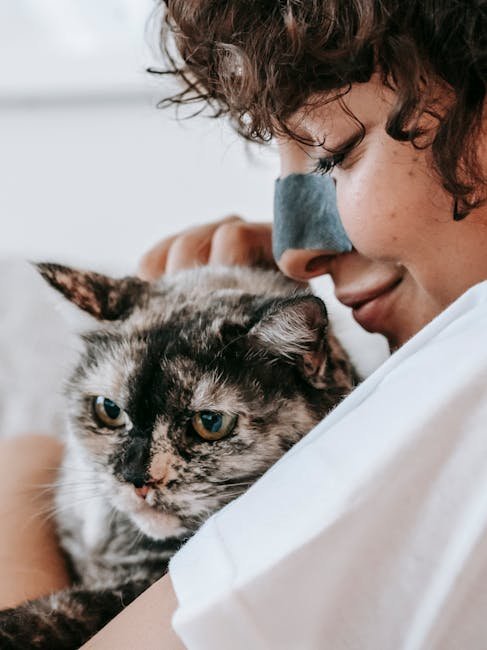
Have you ever wondered if your cat feels hot like you do on a sunny day? You might see your furry friend lying in the shade or panting and ask yourself, “Do cats get hot?”
Understanding how cats handle heat can help you keep your pet safe and comfortable. You’ll discover the signs your cat is too warm and simple ways to help them cool down. Keep reading to learn how to protect your beloved companion from overheating.
Signs Your Cat Is Overheating
Cats can get too hot just like people do. It is important to spot signs of overheating early. This helps protect your pet from heat stress or heatstroke. Watch your cat closely for unusual behavior or changes in health. Immediate action can keep your cat safe and comfortable.
Behavioral Changes
- Your cat may become restless or agitated.
- It might seek cool places more often.
- Decreased appetite or refusal to eat can occur.
- Excessive grooming or licking may appear.
- Your cat might hide or avoid interaction.
Physical Indicators
- Heavy panting or rapid breathing is a warning sign.
- Bright red or pale gums signal distress.
- Excessive drooling can indicate overheating.
- Weakness or unsteady walking shows serious heat effects.
- Vomiting or diarrhea may happen in severe cases.

Credit: www.yahoo.com
Common Causes Of Heat Stress In Cats
Heat stress in cats happens when their body temperature rises too high. Cats cannot sweat like humans. They rely on other ways to cool down. Certain causes raise their body heat quickly. Recognizing these causes helps protect cats from harm.
Environmental Factors
High temperatures outside increase the risk of heat stress. Direct sunlight traps heat on a cat’s fur. Poor ventilation inside a home also raises heat levels. Humid weather makes it hard for cats to cool off. Lack of fresh water worsens the problem. Overheated cars and enclosed spaces create dangerous heat pockets. Cats left outdoors during hot days face serious risks.
Health Conditions
Some illnesses make cats prone to heat stress. Respiratory problems limit breathing and cooling ability. Heart diseases reduce blood flow needed for temperature control. Obesity traps extra body heat and limits movement. Older cats often struggle to regulate temperature. Fever from infections raises body heat. Stress and anxiety can increase a cat’s body temperature too.
How Cats Naturally Regulate Temperature
Cats have built-in ways to keep their body temperature steady. They do not sweat like humans do. Instead, they use a few smart tricks to cool down and avoid getting too hot. Understanding these natural methods helps cat owners keep their pets safe and comfortable during warm days.
Panting And Sweating
Cats sometimes pant to cool off, especially after exercise or in hot weather. Panting lets heat leave their bodies through quick breathing. Unlike dogs, cats pant less often and only when very hot or stressed.
Cats have sweat glands, but they are mainly on their paw pads. These glands produce little sweat compared to humans. Sweating through paws helps a bit but does not cool the whole body.
Seeking Cool Places
Cats naturally look for cooler spots when they feel warm. They prefer shaded areas, tile floors, or near fans. Staying in cool places helps lower their body heat without using much energy.
Owners can help by providing shaded resting spots and fresh water. This encourages cats to relax and stay cool during hot weather.
Breeds Prone To Heat Sensitivity
Some cat breeds are more sensitive to heat than others. Knowing which ones need extra care during hot weather can help you keep your feline friend safe and comfortable. Let’s look at two groups of cats that often struggle with heat.
Short-nosed Breeds
Brachycephalic cats, like Persians and Exotic Shorthairs, have flat faces with shorter noses. This unique facial structure makes it harder for them to breathe, especially when it’s hot.
If your short-nosed cat is panting or seems restless, it’s a sign they may be overheating. These breeds can’t cool down efficiently, so they need cooler environments and plenty of water.
Have you noticed your Persian avoiding sunny spots or acting sluggish on warm days? That’s your cue to create a cool, shady space just for them.
Long-haired Cats
Long-haired breeds like Maine Coons and Ragdolls carry thick, heavy coats year-round. While their fur keeps them warm in winter, it can trap heat during summer.
Regular grooming helps remove excess fur and lets air reach their skin. You might also want to trim their coat slightly if the temperature climbs.
Think about your own comfort—would you wear a thick sweater in July? Your long-haired cat feels the same way and needs your help to stay cool.
Preventing Heat-related Issues
Cats can suffer from heat stress just like humans. Preventing heat-related issues is key to keeping your feline friend safe and comfortable. Warm weather can cause dehydration, heat exhaustion, or worse. Taking steps to cool your cat and maintain their hydration helps avoid serious health problems.
Creating A Cool Environment
Provide shady spots inside and outside for your cat to rest. Avoid direct sunlight during the hottest hours of the day. Use fans or air conditioning to lower room temperature. Cooling mats or damp towels offer extra relief. Keep windows open for airflow, but ensure safety to prevent escapes.
Hydration Tips
Fresh water must always be available and changed often. Use multiple water bowls around the house to encourage drinking. Some cats prefer running water, so try a cat water fountain. Offer ice cubes in water bowls for a cool treat. Wet cat food can boost hydration levels as well.

Credit: www.reddit.com
First Aid For Overheated Cats
Cats can suffer from heat stress just like humans. Knowing how to provide first aid for overheated cats is vital. Quick actions help reduce risks and keep your pet safe. This section covers essential steps to help a cat in distress from heat.
Immediate Actions
- Move the cat to a cool, shaded place quickly.
- Offer small amounts of fresh water to drink.
- Use a damp cloth to gently wet the cat’s fur.
- Apply cool (not cold) water to the paws and belly.
- Turn on a fan or air conditioner to help lower temperature.
- Remove any tight collars or accessories.
- Keep the cat calm and avoid stress.
When To Seek Veterinary Help
- The cat shows heavy panting or difficulty breathing.
- Signs of weakness, collapse, or confusion appear.
- Bright red or pale gums are visible.
- Vomiting or diarrhea occurs after overheating.
- The cat does not improve after cooling attempts.
- Body temperature remains above 104°F (40°C).
- Any seizure or unusual behavior is observed.
Myths About Cats And Heat
There are many beliefs about how cats deal with heat, but not all of them are true. Some common myths can lead you to overlook your cat’s real needs during hot weather. Understanding the truth helps you keep your feline friend safe and comfortable.
Cats Can Handle Any Temperature
Many people think cats can tolerate extreme heat because they have fur and seem calm in warm weather. However, cats are sensitive to temperature changes just like humans. Their fur actually traps heat, which can make them more prone to overheating.
I once saw a cat lounging in direct sunlight, and it looked relaxed. But after a while, it started panting and searching for shade. This shows that even if cats seem fine, they can struggle with heat and need cool spots and water.
Indoor Cats Are Safe From Heat
You might believe that indoor cats don’t face heat risks. But if your home isn’t well ventilated or air-conditioned, it can get dangerously warm inside. Heatstroke can happen indoors, especially in rooms without windows or fans.
Try checking your cat’s favorite resting places during hot days. If they avoid those spots or seem restless, they may be too hot. You can help by providing cool surfaces or a shallow bowl of water for them to lie beside.

Credit: www.reddit.com
Frequently Asked Questions
Do Cats Get Hot In Summer?
Yes, cats can get hot in summer. They regulate temperature by seeking shade and drinking water. Watch for signs like panting or restlessness.
How Do Cats Cool Down Naturally?
Cats cool down by grooming, which spreads saliva that evaporates heat. They also rest in cool, shaded areas to lower body temperature.
What Are Signs Of Overheating In Cats?
Signs include excessive panting, drooling, lethargy, and vomiting. If you notice these, move your cat to a cooler place immediately.
Can Indoor Cats Overheat?
Indoor cats can overheat, especially without air circulation or during heatwaves. Provide fresh water and cool spots to prevent heat stress.
Conclusion
Cats can feel hot just like people do. They seek cool places to rest and avoid too much sun. Watching your cat’s behavior helps you know when it is warm. Offer fresh water and shade to keep cats comfortable. Remember, keeping cats cool is important for their health.
Small actions make a big difference for your pet’s happiness. Stay aware of signs showing your cat needs help with heat. Caring for your cat means paying attention to its needs every day.
