

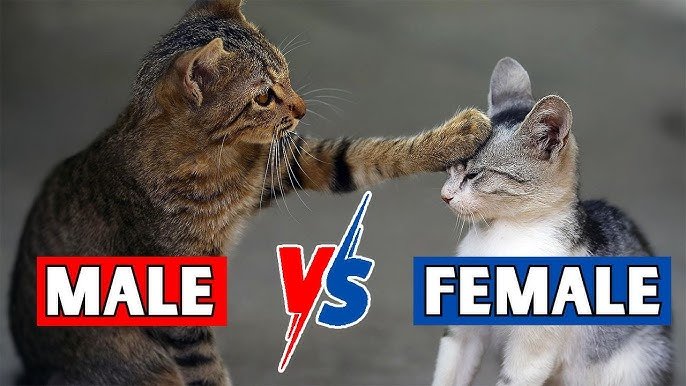
Have you ever wondered if male cats really pose a threat to tiny kittens? It’s a question that worries many cat owners and animal lovers like you.
Understanding the behavior of male cats around kittens is important for keeping your furry family safe and happy. You’ll discover the truth behind this common concern and learn what signs to watch for. Keep reading, because what you find out might surprise you—and could help you protect your kittens better than ever before.
Credit: www.petscare.com
Male Cat Behavior
Understanding male cat behavior is key to addressing concerns about their interaction with kittens. Male cats have unique instincts and social habits that influence how they act around younger cats. Knowing what drives their actions can help you create a safer environment for your feline family.
Natural Instincts
Male cats are wired by nature to protect their genes and territory. This instinct can sometimes make them wary of kittens, especially if the kittens are not their own offspring.
Some male cats might show aggression toward kittens to reduce competition or to assert control. However, this doesn’t mean all males will harm kittens; many become gentle guardians instead.
Have you noticed how some male cats become surprisingly tender around tiny cats? This behavior often emerges when the male recognizes the kitten as part of his family or pack.
Territoriality And Dominance
Male cats often view their home as their kingdom. They use scent marking and physical presence to establish dominance over the space and its inhabitants.
When a new kitten arrives, a male cat might feel threatened and act aggressively to maintain his status. This can include hissing, swatting, or even chasing the kitten away.
To ease tension, try gradually introducing the kitten and giving the male cat time to adjust. Observing how your male cat asserts dominance can help you intervene before conflicts escalate.

Credit: deziroo.com
Reasons Behind Kitten Harm
Understanding why male cats harm kittens can help clear common myths. Not all male cats kill kittens. Several natural reasons explain this behavior. These reasons focus on survival and reproduction. They stem from instincts that affect animal behavior in the wild.
Survival And Resource Competition
Male cats may harm kittens to reduce competition for food and space. In the wild, resources are limited. Protecting their own survival becomes a priority.
By removing kittens that are not theirs, males increase the chances of their own offspring’s survival. This behavior ensures fewer mouths to feed. It also means more territory and better access to food for their family group.
Mating Strategies
Killing kittens can be part of a male cat’s strategy to reproduce. Male cats want to mate with the female as soon as possible. If kittens are present, females may not be ready to mate.
By eliminating the kittens, males bring the female back into heat faster. This increases their chance to pass on their genes. The behavior is driven by natural instincts, not cruelty.
Instances Of Aggression
Instances of aggression in male cats towards kittens are rare but possible. Understanding these moments helps in managing and preventing harm. Aggression usually depends on the cat’s nature, environment, and experiences. Some male cats may act aggressively due to stress or territorial behavior. Recognizing when and why aggression happens can keep kittens safe.
Situations Leading To Violence
Violence from male cats often arises in specific situations. Protectiveness over territory is a common cause. New kittens entering a male cat’s space can trigger hostility. Male cats unfamiliar with kittens may see them as threats. Stressful environments increase chances of aggressive reactions. Competition for resources like food or attention can also lead to fights.
Signs Of Aggressive Behavior
Identifying aggressive behavior early prevents serious injury. Look for these signs in male cats:
- Hissing or growling loudly
- Swatting with claws out
- Raised fur along the back
- Stiff body posture
- Direct staring or glaring
- Sudden chasing or pouncing
Recognizing these signs lets caregivers separate cats before harm occurs. Monitoring interactions closely ensures kitten safety around male cats.
Preventing Harm To Kittens
Protecting kittens from harm is very important for their growth and safety. Male cats can sometimes be curious or aggressive toward kittens. Taking clear steps to keep kittens safe helps them thrive and grow strong. Careful planning and attention can prevent accidents and stress for all cats involved.
Effective Separation Techniques
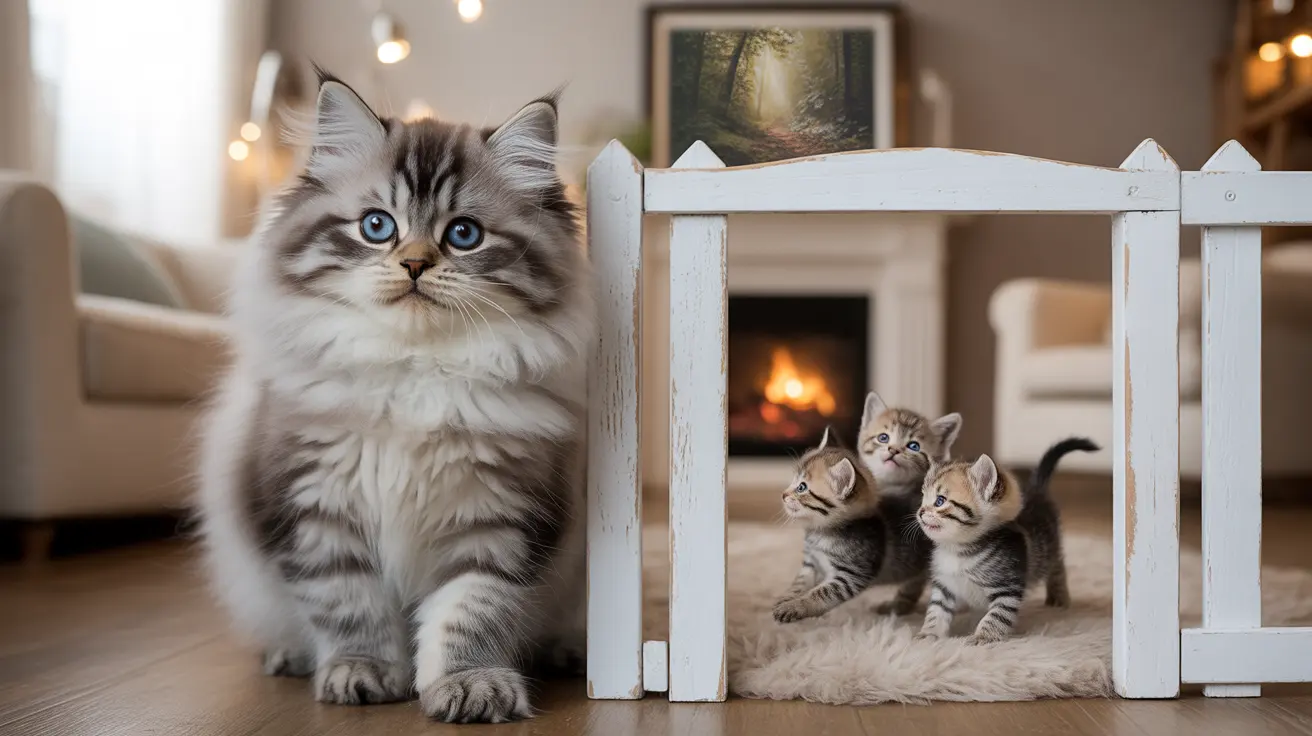
Keep male cats and kittens in different rooms at first. Use baby gates or pet barriers to allow seeing but not touching. Separate feeding areas to avoid competition or fights. Watch for signs of stress in both cats and act quickly.
Introduce cats slowly over days or weeks. Use scent swapping by exchanging bedding between male cats and kittens. This helps them get used to each other’s smell. Always supervise interactions until you trust their behavior.
Creating A Safe Environment
Provide cozy hiding spots for kittens to retreat. Use soft bedding and quiet areas away from male cats. Keep litter boxes and food bowls separate to reduce tension. Ensure the space is warm, clean, and free from hazards.
Use vertical space like cat trees or shelves to give kittens escape routes. Avoid loud noises and sudden movements that may scare them. A calm environment reduces stress and encourages positive interactions.
Role Of Neutering
The role of neutering in male cats extends beyond just preventing unwanted litters. It significantly influences their behavior, especially in how they interact with kittens. Understanding these changes can help you manage your cat’s environment and reduce the risk of aggression toward young cats.
Behavioral Changes Post-neutering
Neutering often leads to calmer and less territorial behavior in male cats. After the procedure, many male cats show less interest in roaming and fighting, which reduces stress and aggressive tendencies.
You’ll notice your cat may become more affectionate and less dominant. This shift can create a safer space for kittens, as the neutered male is less likely to see them as threats or rivals.
Impact On Aggression Levels
Neutering directly lowers the levels of testosterone, which is closely linked to aggressive behaviors. This hormonal change can result in fewer attacks or intimidation attempts toward kittens.
However, aggression might not disappear completely, especially if the male cat has already established a pattern of hostile behavior. Early neutering is key to preventing this, as waiting too long can make aggressive traits harder to reverse.
Have you observed a change in your cat’s behavior after neutering? Sharing your experience might help others understand the real impact of this procedure.
Understanding Cat Social Structures
Understanding how cats interact within their social groups helps clear up many myths about male cats and their behavior toward kittens. Their social structures influence actions that might seem aggressive or threatening at first glance. Getting to know these patterns lets you see why male cats do what they do and how kittens fit into the bigger picture.
Importance Of Socialization
Socialization shapes how cats relate to one another. Cats that grow up around other cats tend to be more tolerant and less aggressive. Without this early social experience, a male cat might not recognize kittens as part of its group, which can lead to misunderstanding behaviors.
Think about a male cat you’ve seen around kittens. Has he been curious or indifferent? That curiosity shows a healthy social bond. If a male cat is well-socialized, he often acts protectively rather than aggressively toward kittens.
Hierarchy In Feral Colonies
In feral cat colonies, a clear hierarchy keeps order and reduces conflict. Dominant males usually control territory and mating rights, but they do not typically kill kittens. Instead, they may tolerate or even guard the young to ensure the colony’s survival.
Have you noticed how some male cats patrol their area or bring food? These actions highlight their role in the colony’s structure. Aggression toward kittens is rare and generally linked to competition, not random violence.
Expert Insights
Understanding male cats’ behavior toward kittens requires expert insights. Professionals like veterinarians and animal behaviorists offer valuable knowledge. Their views help clarify myths and facts around this sensitive topic. Experts analyze behavior patterns and biological reasons behind male cats’ actions.
Veterinary Opinions
Veterinarians explain that male cats rarely kill kittens without cause. Stress, territorial disputes, or illness might trigger aggression. Neutered males tend to show less aggressive behavior toward kittens. Health checks ensure no medical issues cause hostility. Vets emphasize supervised introductions to protect young cats. They advise monitoring the male cat’s behavior closely during kitten arrivals.
Animal Behaviorists’ Perspectives
Animal behaviorists study instincts and social structures in cats. They note that infanticide is uncommon but possible in some wild or feral cats. Males may kill unrelated kittens to bring females back into heat. Social bonding and early socialization reduce risks of aggression. Behaviorists recommend gradual introductions and positive reinforcement. They stress understanding cat body language to prevent conflicts.

Credit: www.reddit.com
Frequently Asked Questions
Do Male Cats Really Kill Kittens Often?
Male cats rarely kill kittens. This behavior is uncommon and usually linked to specific stress or territorial issues. Most male cats coexist peacefully with kittens, especially if they are familiar with them or part of the same social group.
Why Would A Male Cat Harm Kittens?
Male cats might harm kittens to assert dominance or reduce competition for resources. This is more common in feral or unneutered males. Proper socialization and neutering significantly reduce aggressive behavior towards kittens in domestic cats.
Can Neutering Prevent Male Cats From Killing Kittens?
Yes, neutering greatly reduces aggressive and territorial behavior in male cats. It lowers the chance of males harming kittens by decreasing hormone-driven instincts. Neutered males are generally calmer and more accepting of kittens in their territory.
How To Protect Kittens From Aggressive Male Cats?
Keep kittens separated from unknown or aggressive males. Introduce males slowly and monitor interactions closely. Neutering and providing safe spaces for kittens help protect them from potential harm by male cats.
Conclusion
Male cats do not usually kill kittens. Most male cats protect and care for their young. Aggressive behavior is rare and often linked to stress or illness. Mother cats usually keep kittens safe from harm. Understanding cat behavior helps reduce worries about kitten safety.
Observing your cats closely can show their true nature. Peaceful homes create a better environment for kittens. Trust the natural bond between cats and their babies.
