

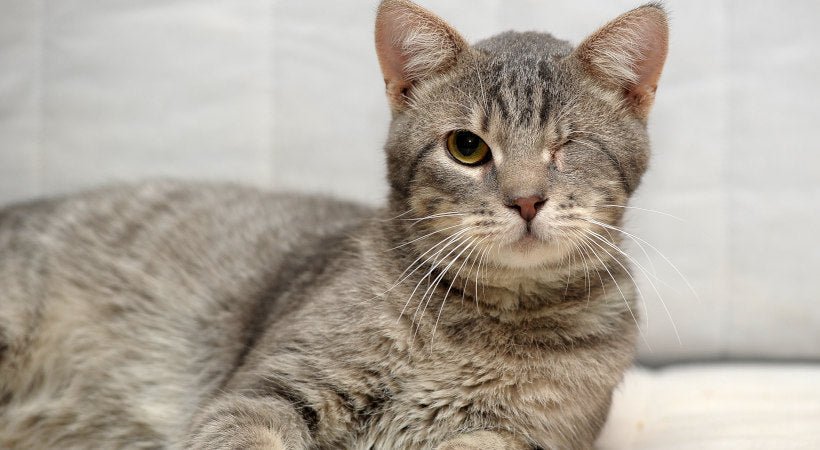
Have you ever wondered what it’s like to care for a cat with special needs? These unique felines may require a little extra attention, but they bring a deep sense of joy and love that’s hard to find anywhere else.
If you have one or are thinking about adopting, understanding their world can make all the difference. This article will guide you through everything you need to know to give your special cat the best life possible. Keep reading—you’ll discover heartwarming stories, practical tips, and expert advice that will help you become the hero your cat deserves.
Understanding Special Needs In Cats
Understanding special needs in cats is crucial if you want to provide the best care for your feline friend. Cats with special needs may require extra attention, patience, and sometimes medical support. Recognizing these needs early can improve their quality of life and deepen the bond you share.
Types Of Special Needs
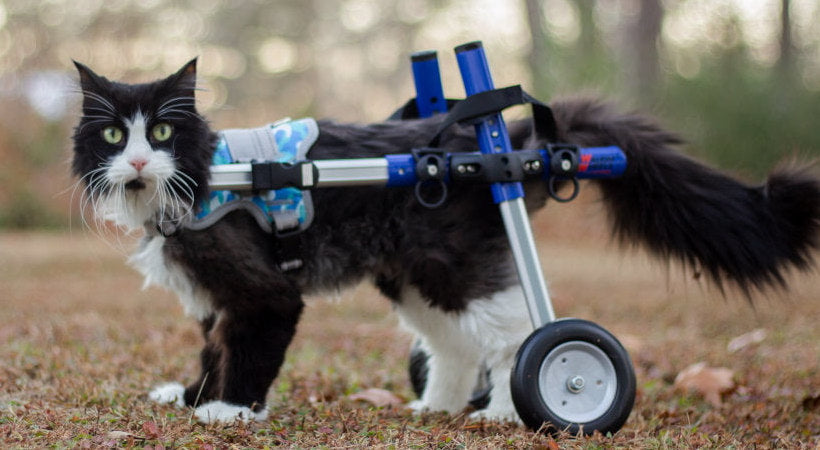
Special needs in cats can cover a wide range of conditions. Some cats may have physical disabilities like missing limbs or blindness. Others might face chronic illnesses such as diabetes or kidney disease.
Behavioral challenges also fall under special needs. Anxiety, aggression, or compulsive behaviors can make everyday life harder for your cat and you. Understanding the type of special need your cat has helps you tailor their care effectively.
- Physical disabilities (e.g., paralysis, blindness)
- Chronic diseases (e.g., diabetes, arthritis)
- Neurological issues (e.g., seizures, cognitive dysfunction)
- Behavioral and emotional challenges
Common Causes
Special needs in cats often arise from injuries, genetic conditions, or aging. Sometimes, a traumatic event like a car accident can cause lasting disabilities. Other times, inherited traits lead to chronic health problems.
Illnesses that go untreated early may develop into long-term issues. Older cats frequently develop cognitive and physical challenges as part of the natural aging process. Have you ever noticed changes in your cat’s behavior or abilities over time? That might be a sign to investigate their health more closely.
| Cause | Examples | Impact |
|---|---|---|
| Injury | Car accidents, falls | Physical disabilities, mobility issues |
| Genetics | Breed-specific diseases, congenital defects | Chronic illness, deformities |
| Aging | Arthritis, cognitive decline | Reduced mobility, memory loss |
| Illness | Diabetes, kidney disease | Long-term health challenges |
Credit: walkinpets.com
Creating A Safe Environment
Creating a safe environment is crucial for cats with special needs. It helps them live comfortably and reduces stress. Safety and comfort should be the top priorities in your home. Every adjustment makes a big difference in their daily life.
Adapting Living Spaces
Adjust your home to fit your cat’s abilities. Remove obstacles that might cause falls or injuries. Keep pathways clear and easy to navigate. Use ramps or low steps for cats with mobility issues. Provide cozy resting spots at different heights. Soft bedding helps with joint pain and comfort. Place food and water bowls where your cat can reach easily. Ensure litter boxes are accessible and easy to enter.
Essential Safety Measures
Secure windows and balconies to prevent accidents. Use baby gates to block dangerous areas. Remove toxic plants and harmful objects from reach. Cover electrical cords to avoid chewing hazards. Keep cleaning chemicals locked away. Check for sharp edges on furniture or toys. Regularly inspect your cat’s environment for new risks. Use night lights to help your cat see in the dark.
Feeding And Nutrition
Feeding and nutrition play a vital role in caring for cats with special needs. Proper diet supports their health and helps manage medical conditions. Cats with special needs often require unique feeding plans to meet their energy and nutrient demands.
Choosing the right food and supplements can improve their quality of life. Consistent feeding routines also help reduce stress and encourage eating. Understanding dietary modifications and supplements is key to providing the best care.
Dietary Modifications
Special needs cats may need diets tailored to their health issues. Cats with kidney problems benefit from low-protein diets. Cats with diabetes need controlled carbohydrate intake. Weight management diets help obese cats stay healthy.
Some cats require wet food for better hydration and easier chewing. Feeding smaller, frequent meals prevents digestive upset. Avoid foods with artificial additives, which can harm sensitive cats.
- Use prescription diets when recommended by a vet
- Adjust food texture for cats with dental issues
- Monitor food intake closely to prevent overeating or underfeeding
Nutritional Supplements
Supplements support cats with special needs by filling nutritional gaps. Omega-3 fatty acids reduce inflammation and support joint health. Probiotics improve digestion and boost the immune system. Vitamins like B-complex help with energy and metabolism.
Always consult a vet before adding supplements. Over-supplementing can cause harm. Use supplements designed specifically for cats. Keep track of any changes in your cat’s health after starting supplements.
- Fish oil for skin and coat health
- Glucosamine for joint support
- Antioxidants to fight cell damage
Health And Medical Care
Caring for cats with special needs means paying extra attention to their health and medical care. These cats often require tailored support to maintain their quality of life. Understanding what their unique health requirements involve can make a significant difference in their well-being.
Regular Veterinary Visits
Regular check-ups are crucial for cats with special needs. They help catch any new health issues early and monitor existing conditions closely.
During these visits, your vet can:
- Adjust treatment plans based on your cat’s progress
- Perform necessary diagnostic tests
- Provide expert advice on diet and activity
Have you noticed small changes in your cat’s behavior or mobility? Don’t wait—bringing these observations to the vet can prevent complications later. Consistency in veterinary care builds a clearer picture of your cat’s health over time.
Medication Management
Many special needs cats rely on medication daily. Managing these medications correctly is vital to avoid missed doses or harmful side effects.
Here are some tips that helped me manage my own cat’s medication:
- Create a schedule using alarms or reminders
- Keep a medication log to track doses and any reactions
- Ask your vet about potential interactions and side effects
It’s easy to forget a dose during a busy day, but consistency keeps your cat comfortable and stable. What system will you use to keep track of your cat’s medication?
Behavioral Support
Providing behavioral support to cats with special needs helps them live happier lives. These cats may show different reactions due to illness, injury, or disability. Understanding their behavior is key to giving the right care and comfort.
Patience and observation help notice small changes in behavior. These changes may indicate pain, fear, or confusion. Responding gently can reduce stress and build trust. Creating a calm and safe space is important for their well-being.
Understanding Behavioral Changes
Cats with special needs might act differently than before. They may hide more, meow louder, or avoid contact. These signs can show discomfort or anxiety. Observing daily habits gives clues about their feelings.
Changes in eating, grooming, or sleeping can also be signs. Sometimes, cats may become aggressive or withdrawn. Knowing what is normal helps spot problems early. Keeping a behavior diary can track these changes.
Encouraging Positive Behavior
Rewarding good behavior helps cats feel safe and loved. Use gentle praise and small treats to encourage calm actions. Setting a routine creates predictability and reduces anxiety.
- Provide toys that match their abilities
- Create quiet resting areas
- Use soft voices and slow movements
- Give extra attention during difficult times
Consistency helps cats understand what is expected. Avoid punishment; it can increase fear and worsen behavior. Focus on kindness and support to help them thrive.

Credit: www.thecatsmeowrescue.org
Physical Activities And Exercise
Physical activities and exercise are vital for cats with special needs. They help maintain muscle strength and improve joint flexibility. Exercise also supports mental health and reduces stress. Tailoring activities to each cat’s ability ensures safety and enjoyment. Finding the right balance boosts their overall well-being.
Adapted Playtime Ideas
Playtime should match your cat’s unique needs and limits. Use soft toys that are easy to bat or grab. Gentle wand toys allow cats to move without strain. Small, slow-moving balls can encourage mild chasing. Create safe spaces with ramps or cushions for easier access. Try puzzle feeders to combine play and mental exercise.
Importance Of Gentle Exercise
Gentle exercise avoids injury and supports healing. Short, frequent sessions are better than long, intense ones. Encourage slow walking or stretching movements. Massage and passive range-of-motion exercises can help stiff joints. Always watch for signs of fatigue or discomfort. Regular gentle activity promotes better mobility and happiness.
Emotional Well-being
Caring for a cat with special needs goes beyond physical health. Their emotional well-being plays a crucial role in their overall quality of life. Understanding how to nurture their feelings can help you build a deeper connection and create a calm, happy environment for your feline friend.
Building Trust And Bonding
Trust is the foundation of any strong relationship with your special needs cat. Spend quiet time near them without forcing interaction. Let your cat decide when they want attention—it shows respect for their feelings.
Try gentle, slow movements and speak softly to avoid startling your cat. Using a consistent routine helps them feel safe and secure. Your patience and calm presence can transform anxiety into trust.
Have you noticed how your cat responds when you sit quietly nearby? Those small moments often build the strongest bonds over time.
Stress Reduction Techniques
Stress can worsen health issues for cats with special needs. You can help reduce stress by creating a peaceful space tailored to their comfort. Soft bedding, low lighting, and minimal noise make a big difference.
Consider adding calming elements like pheromone diffusers or gentle background music. Regular playtime with toys suited to their abilities can also ease anxiety and improve mood.
- Maintain a steady feeding schedule
- Use slow, reassuring touch during grooming
- Provide hiding spots for your cat to retreat when overwhelmed
What small changes can you make today to help your special needs cat feel more secure and relaxed? Your efforts will show in their brighter eyes and softer purrs.
Community And Support Networks
Caring for a cat with special needs can feel overwhelming at times. You might wonder if anyone truly understands your challenges or if there are resources tailored to your situation. That’s where community and support networks make a real difference.
Connecting with others who share your experience offers more than just advice—it provides emotional backing and practical tips you won’t find in books. Have you ever felt stuck trying to manage medication schedules or dietary needs? Talking to someone who’s been there can open new solutions you hadn’t considered.
Finding Support Groups
Support groups for special needs cats exist both online and offline, offering spaces to share stories and ask questions. Social media platforms like Facebook host numerous groups where members post daily updates, product recommendations, and vet advice.
Local animal shelters and veterinary clinics often have bulletin boards or newsletters highlighting support meetups. Attending these gatherings can help you build friendships that turn into valuable support systems during tough times.
- Look for groups focused specifically on your cat’s condition, such as diabetes or mobility issues.
- Join forums where members share photos and videos—seeing real-life examples helps you learn faster.
- Ask about in-person events like workshops or therapy sessions for special needs pets.
Have you tried reaching out to a support group yet? Even a single conversation can spark new ideas and renew your confidence.
Resources For Special Needs Cats
Resources tailored to special needs cats range from medical supplies to adaptive equipment designed to improve quality of life. Knowing where to find these tools saves you time and stress.
| Resource Type | Description | Where to Find |
|---|---|---|
| Special Diets | Prescription foods or supplements for health conditions | Veterinary clinics, online pet stores |
| Mobility Aids | Wheelchairs, ramps, or harnesses to assist movement | Specialized pet product retailers, custom makers |
| Medical Equipment | Medication organizers, syringes, or monitoring devices | Pharmacies, veterinary supply shops |
Have you explored adaptive tools that could make daily care easier? Sometimes a small change in equipment can transform your routine and your cat’s comfort.
Long-term Planning
Planning for a cat with special needs means thinking beyond today. Your cat’s condition might change, and being ready can make all the difference in their comfort and happiness. Long-term planning ensures you’re not caught off guard when new challenges arise.
Preparing For Future Needs
Consider how your cat’s health might evolve over time. Will mobility become an issue? Could dietary changes be necessary? Mapping out potential scenarios helps you stay proactive.
Start by creating a care journal. Record medications, vet visits, and any changes in behavior. This log can become a valuable tool to spot patterns and communicate effectively with your vet.
Think about your home environment too. Can you make simple adjustments now to help your cat navigate later? For example, placing litter boxes on multiple levels or investing in ramps might save stress down the line.
End-of-life Considerations
Facing the reality of your cat’s lifespan is difficult but important. Have you thought about how you will recognize when your pet is in pain or discomfort? Knowing your cat’s quality of life indicators can guide tough decisions.
Discuss options with your vet early, so you understand what support is available. Palliative care, pain management, and even hospice services can provide comfort when time is limited.
Preparing emotionally and practically can ease this phase for both you and your cat. Have you talked with family or friends about your wishes? Sharing your plan can ensure your cat’s needs remain the priority.
Credit: www.lovemeow.com
Frequently Asked Questions
What Are Common Special Needs In Cats?
Common special needs include blindness, deafness, mobility issues, and chronic illnesses. These require extra care and attention. Understanding these helps provide a safe and comfortable environment for your cat.
How Can I Care For A Cat With Special Needs?
Provide a quiet, safe space with easy access to food, water, and litter. Regular vet visits and tailored care routines are essential to meet their specific health requirements.
Can Special Needs Cats Live A Normal Life?
Yes, with proper care and love, special needs cats can lead happy, fulfilling lives. Adaptations at home and regular medical support improve their quality of life significantly.
Are Special Needs Cats More Expensive To Care For?
They can be, due to frequent vet visits, special diets, and possible medications. Budgeting for these costs ensures your cat’s health and well-being are maintained.
Conclusion
Caring for cats with special needs takes patience and love. These cats can live happy, full lives with the right support. Simple changes in their environment help them feel safe and comfortable. Understanding their unique needs improves their health and happiness.
Every cat deserves kindness, no matter their abilities. Embrace the joy these special cats bring into your home. Small efforts make a big difference in their well-being. Choose compassion and watch your special cat thrive each day.
