

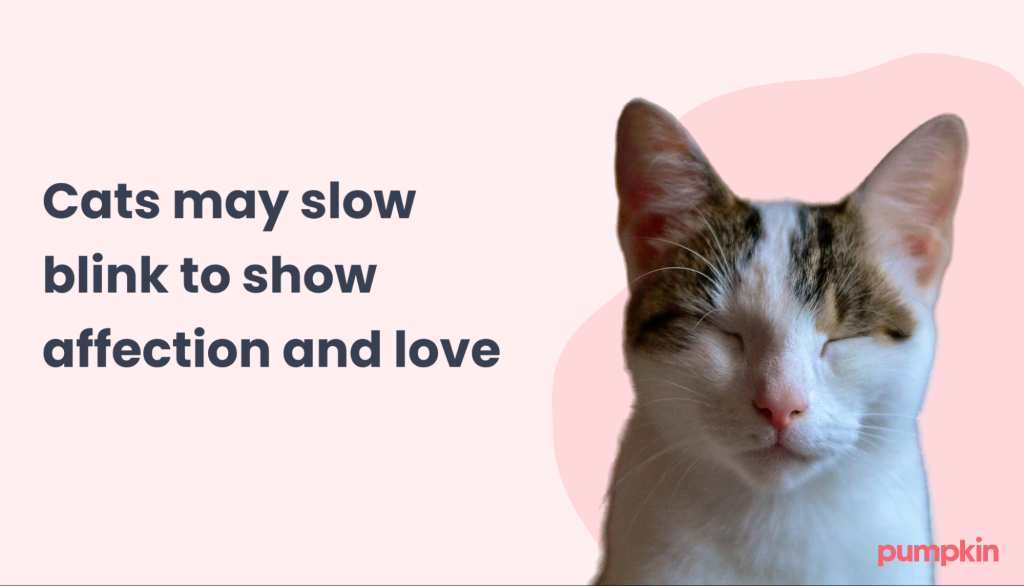
Have you ever caught your cat staring at you with those wide, unblinking eyes and wondered, “Do cats need to blink?” It’s a simple question, but the answer reveals fascinating secrets about how cats see the world and communicate with you. Understanding your cat’s blinking habits can help you connect better and even spot if something’s wrong with their health.
Keep reading, and you’ll discover why those slow blinks mean more than you think—and why your cat’s eyes hold the key to their feelings and well-being.
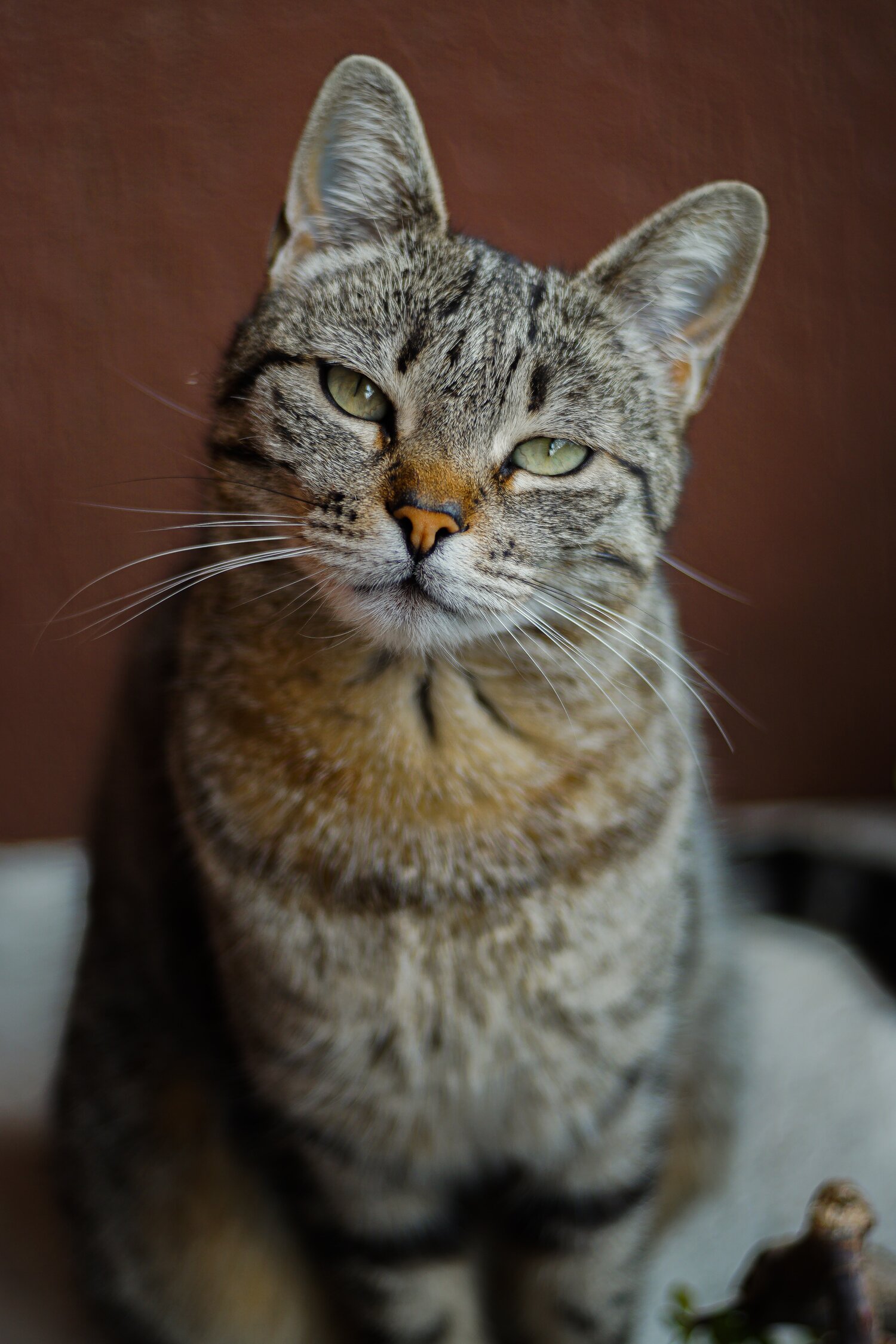
Credit: katherinecronin.net
Cat Eye Structure
Cats have unique eyes designed for sharp vision and quick reactions. Their eyes help them hunt and explore in low light. Understanding their eye structure helps explain why cats blink differently than humans.
Basic Anatomy Of A Cat’s Eye
A cat’s eye has many parts working together. The cornea is the clear front layer. Behind it lies the iris, which controls the pupil size. The pupil changes shape to let in more or less light.
The lens focuses light onto the retina. The retina contains cells that detect light and color. This sends signals to the brain, creating images.
The Third Eyelid
Cats have a special third eyelid called the nictitating membrane. It protects and moistens the eye. This membrane moves diagonally across the eye and is usually hidden.
This third eyelid helps keep the eye clean and safe from dust or injury. It also plays a role in blinking and eye health.
How Cat Eyes Adapt To Light
Cat pupils can change shape from round to vertical slits. This controls how much light enters the eye. It helps cats see well in bright and dark places.
The tapetum lucidum is a layer behind the retina. It reflects light back into the eye. This improves night vision and makes cat eyes shine in the dark.
Blinking Vs. Slow Blinking
Blinking is a natural action for cats to protect and moisten their eyes. It happens quickly and often without much thought. Slow blinking, on the other hand, is a different behavior. Cats use it as a way to communicate calmness and trust. Understanding the difference helps cat owners read their pets better.
Blinking
Blinking is fast and automatic. It keeps the eyes clean and safe from dust. Cats blink several times a minute, similar to humans. This helps to spread tears evenly across the eye. It prevents dryness and irritation. Blinking is mostly about eye health and protection.
Slow Blinking
Slow blinking is much slower than normal blinking. Cats close their eyes gently and open them again after a short pause. This action shows comfort and friendliness. Cats use slow blinking to show they feel safe. It is a sign of trust between cats or between a cat and a human.
Why Cats Rarely Blink
Cats have a unique way of using their eyes to communicate and protect themselves. Their blinking habits differ from humans. Observing a cat’s eye behavior reveals why they rarely blink. This helps them stay alert and safe in many situations.
Protective Reflexes And Eye Safety
Cats have a special third eyelid called the nictitating membrane. It covers the eye to protect it from dust and injury. This membrane moves quickly and often replaces frequent blinking. Cats rely on this to keep their eyes moist and clean without closing them fully.
Heightened Alertness And Hunting Instinct
Cats stay focused on their environment by keeping their eyes open longer. Blinking can cause brief vision loss. For a predator or prey animal, even a moment of blindness is risky. Cats limit blinking to avoid missing important movements around them.
Communication Through Slow Blinks
Cats use slow blinking to show trust and relaxation. This slow blink is a gentle way to communicate with humans and other cats. It is not the same as regular quick blinking. The slow blink says, “I feel safe and calm with you.”
Eye Moisture Maintenance Without Frequent Blinking
Cats produce tears differently than humans. Their tears spread evenly with fewer blinks needed. The nictitating membrane helps spread tears over the eye surface. This system keeps their eyes healthy without the need for constant blinking.
Role Of The Third Eyelid
The third eyelid, also known as the nictitating membrane, plays a unique role in your cat’s eye health. Unlike your own blinking, which mainly keeps eyes moist, this extra eyelid has special functions that protect and maintain your cat’s vision.
It’s easy to overlook this small flap since it’s usually hidden in the inner corner of the eye. But have you noticed it moving across the eye when your cat is sleepy or sick? That’s your cat’s third eyelid at work.
What Is The Third Eyelid?
The third eyelid is a thin, translucent membrane located at the inner corner of a cat’s eye. It acts like a windshield wiper, sweeping across the eye to clear debris and spread tears evenly.
Unlike the upper and lower eyelids, which blink frequently, the third eyelid moves more slowly and less often. This helps protect the eye without obstructing your cat’s vision too much.
How Does The Third Eyelid Protect Your Cat’s Eyes?
- Physical Barrier:It shields the eye from dust, dirt, and potential injuries.
- Moisture Regulation:Helps spread tear film to keep the eye moist and prevent dryness.
- Immune Defense:Contains lymphoid tissue that fights off infections.
Next time you see your cat’s third eyelid showing more than usual, it could be a sign something is off—like an infection or injury. Have you ever noticed your cat’s eyes looking different? It might be worth checking with a vet.
Why Don’t Cats Blink Like Humans?
Cats blink less often because the third eyelid takes on much of the protective role. This allows cats to keep their eyes open and alert for longer periods while still staying protected.
Think about how often you blink during the day. Cats rely on this extra eyelid to maintain eye health without interrupting their sharp vision.
Can You Help Your Cat’s Third Eyelid Stay Healthy?
While the third eyelid works on its own, you can support your cat’s eye health by:
- Keeping their environment clean to reduce eye irritants
- Checking for unusual signs like redness, swelling, or prolonged visibility of the third eyelid
- Visiting your vet if you notice persistent eye issues
Have you ever seen your cat’s third eyelid stick out? Don’t ignore it—it’s often a signal that your cat needs help.
Eye Health Indicators
Eye health indicators in cats are subtle yet crucial signs that reveal how well your feline friend’s eyes are functioning. Cats don’t just blink to keep their eyes moist; their eye behavior can tell you a lot about their overall health. Paying close attention to these signs helps you catch problems early, ensuring your cat stays comfortable and happy.
Signs Of Eye Problems
Watch for unusual changes in your cat’s eyes. Redness, swelling, or discharge can signal irritation or infection. If your cat’s eyes look cloudy or have a visible third eyelid, these are clear warning signs.
Other signs include excessive blinking or squinting, which could mean pain or sensitivity to light. Notice if your cat is pawing at their eyes frequently, indicating discomfort. Also, be alert to any changes in your cat’s vision, such as bumping into objects or reluctance to jump.
- Red or swollen eyes
- Discharge or excessive tearing
- Cloudiness or changes in eye color
- Frequent blinking or squinting
- Visible third eyelid
- Scratching or pawing at the eyes
- Behavior changes related to vision
When To Consult A Veterinarian
If you notice any of the above signs, don’t wait to see if they improve on their own. Eye issues can escalate quickly and lead to permanent damage. Prompt veterinary care is key to preventing serious problems.
Consider immediate vet consultation if your cat’s eye is swollen shut, bleeding, or if your cat seems to be in pain. Also, sudden blindness or a drastic change in vision requires urgent attention. Remember, your vet can provide treatments that are impossible to do at home, such as prescription eye drops or specialized exams.
Have you ever missed a subtle eye problem in your cat and regretted it later? Your attentiveness can make all the difference in your cat’s eye health and overall quality of life.
Communicative Blinks
Cats use blinking to communicate more than just eye moisture. Communicative blinks are a gentle way cats show comfort and trust. These blinks can help owners understand what their cat feels without words.
Understanding Cat Body Language
Cats express emotions through their eyes, ears, and body. A slow blink shows calmness and relaxation. Quick blinks or wide eyes may mean alertness or stress. Watching these signs helps interpret a cat’s mood.
Body language works like a silent conversation. Cats use it to share feelings safely. Recognizing these signals builds a stronger bond between cat and owner.
Building Trust With Slow Blinks
Slow blinks are like a cat’s “I trust you” message. Cats close their eyes slowly and then open them again. This action shows they feel safe nearby.
Owners can return slow blinks to show kindness. This simple act can deepen trust. It invites cats to relax more and feel loved.
Environmental Factors
Environmental factors play a significant role in how often cats blink and why blinking is important for their eye health. Unlike humans, cats don’t blink as frequently, but their blinking habits can change based on what’s happening around them. Understanding these factors can help you notice when your cat’s eyes might need extra care.
Impact Of Lighting Conditions
Bright lighting can make cats blink more often to protect their sensitive eyes. If your cat spends time near windows on sunny days, you might notice them squinting or blinking more frequently. On the other hand, dim lighting usually means fewer blinks because their eyes don’t need as much protection.
Have you ever seen your cat suddenly stare into a bright light and then quickly close their eyes? This natural response helps prevent damage from harsh light. If your home has strong artificial lights, consider adjusting them to reduce eye strain for your furry friend.
Effects Of Wind And Dust
Wind and dust are common irritants that can increase a cat’s blinking rate. When your cat is outside on a windy day or in a dusty area, their eyes may water and they’ll blink more to clear away particles. This blinking acts as a natural defense to keep their eyes clean and comfortable.
If you notice your cat rubbing their eyes or blinking excessively after being outdoors, it might be due to airborne irritants. You can help by gently wiping their eyes with a damp cloth and providing a calmer environment inside. How often do you check your cat’s eyes after outdoor playtime?

Credit: www.uk.sheba.com
Caring For Your Cat’s Eyes
Caring for your cat’s eyes is important for their overall health. Healthy eyes help your cat see clearly and stay active. Cats rarely blink like humans, but they still need eye care. Regular attention can prevent infections and other eye problems.
Daily Eye Care Routine
Check your cat’s eyes every day. Look for redness, discharge, or swelling. Use a soft, damp cloth to gently wipe away any dirt. Avoid touching the eye directly. Keep your cat calm during this process.
Observe your cat’s blinking habits. Cats blink slowly to show comfort. If your cat’s eyes seem dry or irritated, consult a vet.
Choosing The Right Products
Use only products made for cats. Avoid human eye drops or soaps. Choose mild, fragrance-free wipes or saline solutions. Read labels carefully before use. Products with harsh chemicals can harm your cat’s eyes.
Ask your vet for recommendations. They can suggest safe and effective products. Store all eye care items out of your cat’s reach.

Credit: www.seemour.ai
Frequently Asked Questions
Do Cats Blink Like Humans Do?
Yes, cats blink similarly to humans. Blinking helps keep their eyes moist and protects them from dust and debris.
How Often Do Cats Need To Blink Daily?
Cats blink less frequently than humans, about 2-3 times per minute. Their slower blink rate suits their hunting and alert nature.
What Does Slow Blinking Mean In Cats?
Slow blinking in cats is a sign of trust and relaxation. It indicates they feel safe and comfortable around you.
Can Cats Blink To Communicate With Humans?
Yes, cats use blinking to communicate. Slow blinks are often called “cat kisses” and show affection toward their owners.
Conclusion
Cats do need to blink to keep their eyes healthy. Blinking helps clean and moisten their eyes. It also protects their eyes from dust and dirt. Sometimes, slow blinking shows cats feel safe and calm. Watching a cat blink can help you understand them better.
Remember, blinking is a small but important part of how cats stay comfortable. Pay attention to your cat’s eyes to spot any problems early. Healthy eyes mean a happy cat. Simple care and observation go a long way.
